 WhatsApp Us (24/7)
 +91 926 888 0303 (24/7)


To Book an Appointment
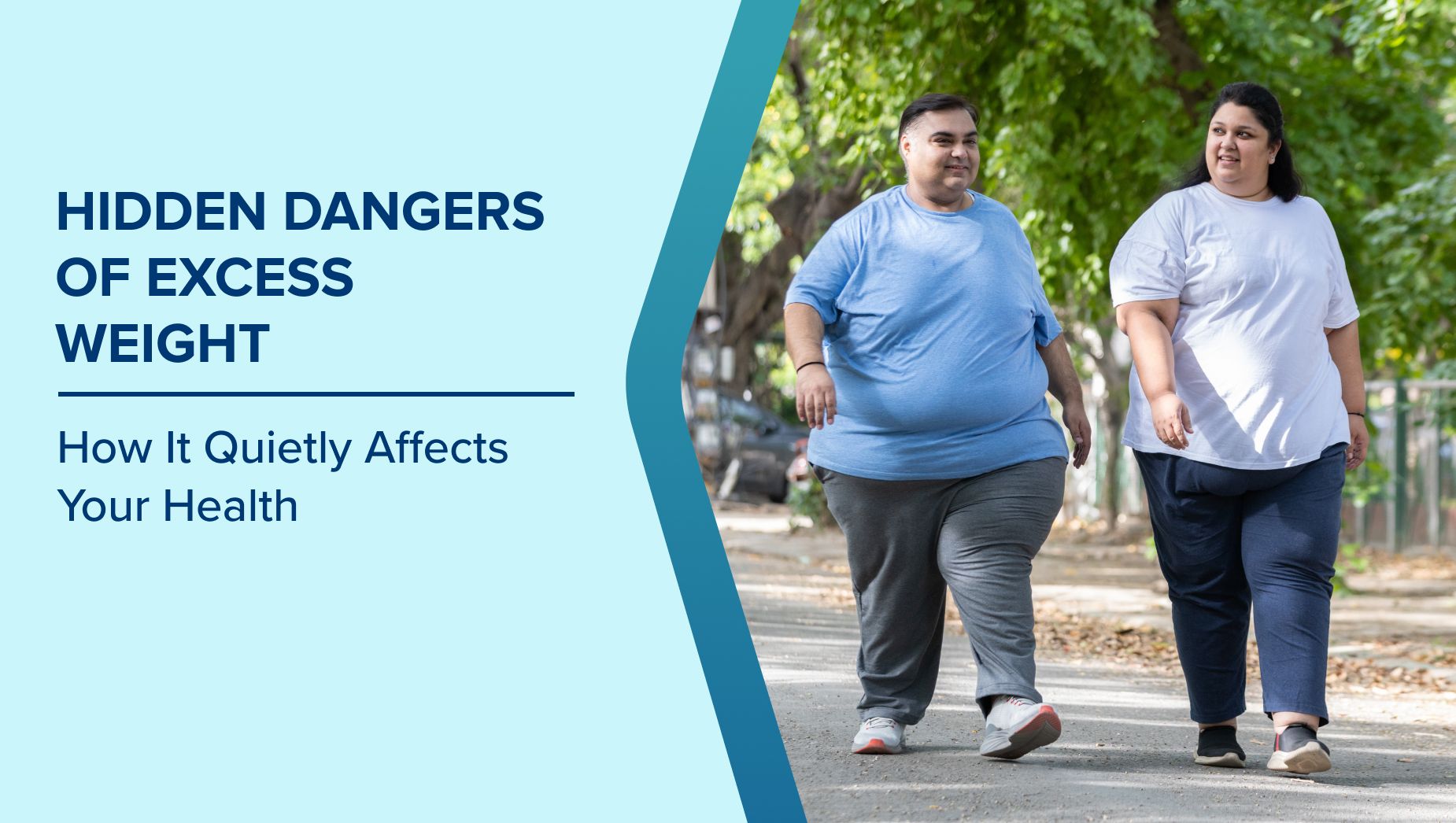
Call Us+91 926 888 0303Hidden Dangers of Excess Weight: How It Quietly Affects Your Health
By Dr A. Zeenat Ahmed in Internal Medicine
Jan 05 , 2026 | 5 min read

For many people, a few extra kilos may seem harmless. After all, being “a little overweight” often doesn’t feel like a health problem. Yet behind that quiet gain, excess weight can slowly disrupt the body’s most vital systems, from your heart and hormones to your sleep and mental well-being.
The truth is that the effects of being overweight often build up silently, showing no warning signs until they lead to serious health issues. Recognising these unseen risks is the first step in safeguarding your long-term health.
Understanding the Real Impact of Excess Weight
Being overweight or obese is more than a cosmetic concern. It directly affects metabolism, circulation, hormone balance, and organ function. Over time, this added pressure can contribute to several obesity-linked health problems, such as diabetes, heart disease, and some types of cancer. Doctors assess this risk using the Body Mass Index (BMI), a straightforward measure derived from a person’s height and weight. While BMI is not a perfect tool, it provides a quick estimate of whether you’re in a healthy range.
The Link Between Excess Weight and Chronic Diseases
Obesity and Heart Disease
Excess body weight puts additional pressure on your heart and blood vessels. Fat deposits can clog arteries, raise blood pressure, and increase cholesterol levels, all of which heighten the risk of heart attack and stroke.
Research indicates a strong link between obesity and heart disease, and even a small reduction in weight can help lower blood pressure and enhance blood flow.
Weight and Diabetes Risk
Excess fat, particularly around the abdomen, can make the body resistant to insulin, a hormone that helps regulate blood sugar levels. This condition, called insulin resistance, is the foundation of type 2 diabetes.
When left unchecked, high blood sugar damages blood vessels, nerves, and organs. Keeping a healthy weight and staying active can greatly reduce the risk of developing diabetes.
Obesity and Metabolic Syndrome
Metabolic syndrome refers to a group of health issues, such as high blood pressure, elevated blood sugar, excess belly fat, and abnormal cholesterol levels, that happen together and raise the risk of heart disease and stroke. Excess weight is a primary trigger of this condition.
The Internal Effects of Being Overweight
Many people don’t realise how obesity complications extend far beyond visible weight gain. Inside the body, fat tissue can cause silent damage over time.
Inflammation and Fatty Liver
Fat cells release inflammatory chemicals that can harm tissues and organs. One common result is non-alcoholic fatty liver disease, where excess fat builds up in the liver and can lead to scarring or liver failure if untreated.
Joint and Bone Strain
Every extra kilogram of body weight adds several kilos of pressure on your knees, hips, and spine. Over time, this leads to joint pain, osteoarthritis, and reduced mobility.
Hormonal Imbalance and Fertility
Obesity can disrupt hormone levels, affecting both men and women. In women, it may lead to irregular periods and problems with fertility, while in men, it may lower testosterone and contribute to erectile dysfunction.
Effect on Mental Health and Sleep
Mental health and physical health are deeply connected. People living with obesity are at higher risk of anxiety, depression, and low self-esteem. Emotional eating can further worsen weight gain, creating a difficult cycle to break.
Sleep Apnea and Obesity
Excess fat around the neck can narrow the airway, leading to sleep apnea — a condition where breathing repeatedly stops during sleep. Poor sleep quality increases stress hormones, leading to weight gain, high blood pressure, and fatigue, which can accelerate the decline in overall health.
Lifestyle Habits That Contribute to Weight Gain
Weight gain is rarely about food alone. A combination of habits, environment, and health conditions plays a role.
Common weight gain causes include:
- Unhealthy eating habits: High-calorie, low-nutrient foods, sugary drinks, and irregular meals
- Sedentary lifestyle: Limited physical activity and prolonged screen time
- Poor sleep: Disrupted rest alters hormones that regulate hunger and metabolism
- Stress: Chronic stress increases cortisol levels, which can lead to fat storage
- Hormonal changes: Thyroid issues, menopause, or certain medications can contribute to weight gain
Tips for Healthy Weight Management and Prevention
The good news is that even small, consistent lifestyle changes can have a significant impact. Here are practical tips for weight management and obesity prevention that work long-term:
Adopt a Balanced Diet
- Fill half your plate with fruits and vegetables.
- Choose whole grains over refined ones.
- Include lean proteins such as fish, eggs, or legumes.
- Limit sugary and processed foods.
Stay Physically Active
Aim for at least 30 minutes of moderate activity most days. Walking, swimming, or cycling are great options. Even small movements, such as taking the stairs or stretching during work, count.
Prioritise Quality Sleep
Try to get 7–8 hours of uninterrupted sleep each night. A good night's rest helps regulate hunger hormones, supports metabolism, and reduces stress.
Manage Stress Effectively
Practice relaxation techniques such as meditation, yoga, or deep breathing. Chronic stress not only affects mood but also contributes to metabolic syndrome and fat accumulation.
Monitor Your Progress
Check your BMI and waist circumference regularly. Track meals, steps, and sleep to stay accountable. If you’re struggling, consider seeking professional advice from a dietitian or your doctor.
When to Seek Medical Help
If you’re experiencing persistent fatigue, breathlessness, joint pain, or snoring, these may be signs that excess weight is affecting your health. Consult a healthcare provider for a full evaluation.
Early medical guidance can help identify hidden problems, such as insulin resistance or hormonal imbalances, before they develop into chronic diseases.
Conclusion
Excess weight may seem harmless in the short term, but its long-term impact on your heart, liver, joints, and mental health can be serious. By understanding the hidden dangers of obesity and taking proactive steps, you can regain control of your well-being.
Start small, add movement, eat mindfully, sleep better, and manage stress. Every positive change, no matter how minor, helps protect your future health. And remember, seeking help from a doctor or nutritionist is a sign of commitment, not failure.
Frequently Asked Questions
Can genetics make it harder to lose weight?
Yes, genetics can influence how your body stores fat and responds to exercise. However, even with a genetic predisposition, maintaining a healthy diet and engaging in regular physical activity can significantly reduce your health risks.
How does stress contribute to weight gain?
Chronic stress increases cortisol, a hormone that triggers hunger and fat storage, especially around the abdomen. Managing stress through relaxation, sleep, and maintaining a balanced routine can help prevent unhealthy weight gain.
Is it possible to be overweight but still healthy?
Some individuals who are overweight have normal blood pressure, cholesterol, and sugar levels. However, excess fat still increases long-term risks of heart disease, diabetes, and joint issues, even if you feel healthy now.
What role does sleep play in weight management?
Poor sleep disrupts the hormones that regulate hunger, leading to increased appetite and cravings for high-calorie foods. Consistent, restful sleep supports metabolism and helps maintain a healthy weight.
How often should I check my BMI?
It’s ideal to check your BMI at least twice a year. If you are actively trying to lose or gain weight, monitor your progress more frequently, along with your waist measurements, for a clearer picture of your progress.
Can a hormonal imbalance cause weight gain?
Yes, hormonal fluctuations from thyroid issues, menopause, or certain medications can slow metabolism and lead to fat storage. Consult a doctor if you notice sudden or unexplained weight gain or loss.
Written and Verified by:

Related Blogs


Dr. Vandana Boobna In Internal Medicine
Nov 08 , 2020 | 2 min read
Blogs by Doctor

Healthy Sleep Habits for Men Above 40: Your Guide to Restful Nights
Dr A. Zeenat Ahmed In Internal Medicine
Jun 25 , 2025 | 4 min read
How to Avoid Stress in the Workplace: Real Tips to Stay Calm and Focused
Dr A. Zeenat Ahmed In Internal Medicine
Jun 25 , 2025 | 4 min read
Most read Blogs


Related Blogs
Dr. Vandana Boobna In Internal Medicine
Nov 08 , 2020 | 2 min read
Blogs by Doctor
Healthy Sleep Habits for Men Above 40: Your Guide to Restful Nights
Dr A. Zeenat Ahmed In Internal Medicine
Jun 25 , 2025 | 4 min read
How to Avoid Stress in the Workplace: Real Tips to Stay Calm and Focused
Dr A. Zeenat Ahmed In Internal Medicine
Jun 25 , 2025 | 4 min read
Most read Blogs