 WhatsApp Us (24/7)
 +91 926 888 0303 (24/7)


To Book an Appointment
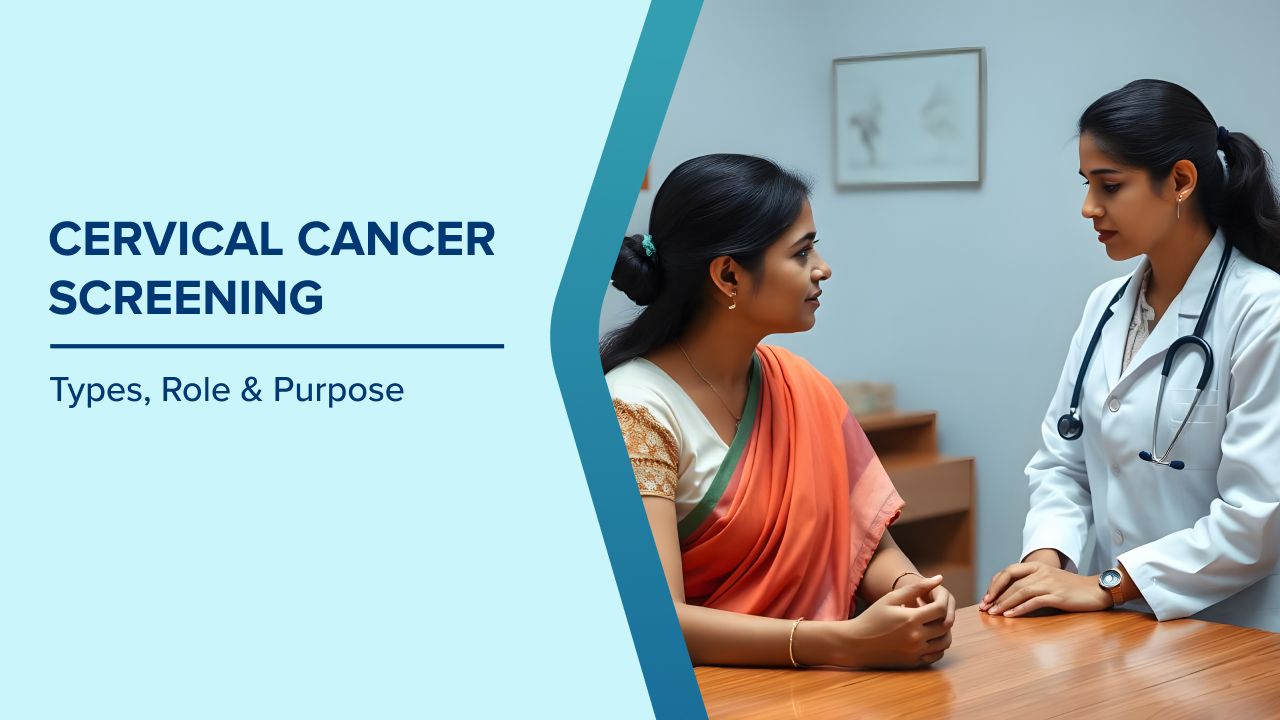
Call Us+91 926 888 0303Cervical Cancer Screening: Types, Role & Purpose
By Dr. Rajender Kumar in Radiation Oncology , Cancer Care / Oncology , Gastrointestinal & Hepatobiliary Oncology
Feb 04 , 2026

Cervical cancer screening is a preventive health test that looks for early changes in the cervix before cancer develops. It helps detect abnormal cells and high-risk human papillomavirus, also known as HPV, which is the main cause of cervical cancer. Cervical cancer continues to be a significant health concern for women worldwide, yet it is also one of the most preventable cancers when screening is done at the right time.
Many women search online for questions like when should cervical cancer screening start, how often is a Pap smear needed, or do I need screening if I feel healthy. These questions matter because cervical cancer often shows no symptoms in its early stages. Regular screening allows doctors to find problems early, when treatment is simpler, less invasive, and highly effective. Understanding when to begin screening and how often to repeat it can play a major role in protecting long-term health.
Understanding Cervical Cancer and Why Screening Is Needed
Cervical cancer develops slowly over many years. It usually begins with small changes in cervical cells caused by persistent HPV infection. These early changes are called precancerous lesions. At this stage, women usually feel completely normal. Key reasons why cervical cancer screening is essential include:
- Early stages rarely cause pain, bleeding, or discomfort
- Screening can detect cell changes years before cancer forms
- Treatment at a precancer stage is highly successful
- Regular screening significantly reduces cervical cancer deaths
Many people assume screening is only needed when symptoms appear. In reality, waiting for symptoms often means the disease has already progressed.
When Should Cervical Cancer Screening Start
Recommended Age to Begin Screening
Most medical guidelines agree on a clear starting point for cervical cancer screening.
- Screening usually begins at age 21
- Screening before age 21 is not recommended, even if sexually active
This recommendation exists because HPV infections are very common in younger women and often clear on their own. Early testing may lead to unnecessary procedures without improving outcomes.
Why Screening Does Not Start Earlier
Starting too early can cause harm rather than benefit.
- Many cervical cell changes in teens resolve naturally
- Early treatment can affect future pregnancy outcomes
- Screening younger women does not reduce cancer risk
For this reason, age-based screening is safer and more effective.
How Often Should You Get Cervical Cancer Screening
Screening Frequency for Ages 21 to 29
For women in this age group:
- Pap smear every 3 years
- HPV testing is usually not required unless Pap results are abnormal
The Pap smear checks for abnormal cervical cells. Regular testing every three years balances early detection with avoiding unnecessary interventions.
Screening Frequency for Ages 30 to 65
Women aged 30 to 65 have more screening options:
- Pap smear every 3 years
- HPV test every 5 years
- Combined Pap smear and HPV test every 5 years
HPV testing becomes more useful after 30 because persistent infection at this age carries a higher cancer risk.
Why Screening Intervals Matter
Screening too often may seem safer, but it has downsides:
- Increased false positive results
- Anxiety and unnecessary follow-up tests
- Procedures that may affect cervical health
Following recommended intervals provides maximum benefit with minimal risk.
Types of Cervical Cancer Screening Tests
Pap Smear Test
The Pap smear checks cervical cells for abnormal changes.
- Detects precancerous and cancerous cells
- Quick and usually painless
- Results guide further testing if needed
HPV Test
The HPV test looks for high-risk HPV strains linked to cervical cancer.
- Identifies infection before cell changes occur
- Useful for women over 30
- Helps determine longer screening intervals
Co Testing
This combines Pap smear and HPV testing.
- Offers the highest detection accuracy
- Allows longer gaps between screenings
- Often recommended after age 30
Who Needs More Frequent Cervical Cancer Screening
Some women require screening more often due to a higher risk. These include women who:
- Have a weakened immune system
- Are living with HIV
- Had abnormal Pap smear results in the past
- Were exposed to DES before birth
- Have a history of cervical cancer or precancer
In these cases, screening schedules are personalised and should be discussed with a doctor.
Can You Stop Cervical Cancer Screening After a Certain Age
When Screening Can Be Stopped
Screening may stop after age 65 if:
- Regular screenings have been normal
- No history of cervical precancer or cancer
- No high-risk factors are present
Stopping screening without adequate prior testing is not advised.
After Hysterectomy
Screening needs depend on the type of surgery:
- If the cervix was removed for non-cancer reasons, screening may stop
- If the cervix remains, screening continues
- If surgery was due to cancer or precancer, continued screening is needed
Does HPV Vaccination Change Screening Needs
Many people believe HPV vaccination eliminates the need for screening. This is not correct.
Important points to know:
- HPV vaccines do not cover all cancer-causing strains
- Vaccination works best before exposure
- Screening remains essential even after vaccination
Vaccination and screening work together to provide maximum protection.
Common Symptoms That Should Never Replace Screening
Cervical cancer symptoms often appear late. Relying on symptoms alone is risky. Possible warning signs include:
- Bleeding between periods
- Bleeding after intercourse
- Pelvic pain
- Unusual vaginal discharge
These symptoms require medical evaluation but should not replace routine screening.
Barriers That Prevent Women From Getting Screened
Understanding common obstacles helps improve participation.
- Fear or discomfort during the test
- Lack of awareness about screening schedules
- Cultural stigma or embarrassment
- Busy schedules and lack of access
Education, reassurance, and accessible healthcare services play a major role in improving screening rates.
How to Prepare for a Cervical Cancer Screening Test
Simple preparation steps can improve test accuracy.
- Avoid intercourse for 24 to 48 hours before the test
- Do not use vaginal products before screening
- Schedule the test when not menstruating
The test usually takes only a few minutes.
The Role of Early Detection in Cervical Cancer Survival
Early diagnosis makes a significant difference.
- Early-stage cervical cancer has high survival rates
- Treatment is less aggressive when detected early
- Advanced cancer requires more complex care
Regular screening is one of the most effective cancer prevention tools available today.
Conclusion
Cervical cancer screening saves lives by detecting the disease long before symptoms appear. Knowing when to start screening and how often to repeat it empowers women to take control of their health. Following age-based guidelines, attending regular tests, and consulting a healthcare provider when unsure can dramatically reduce cervical cancer risk. Screening is not just a medical test, but a preventive step toward long-term well-being.
Frequently Asked Questions
Is cervical cancer screening painful?
Most women experience only mild discomfort during a Pap smear. The test is brief and should not be painful. Relaxing muscles and slow breathing can help reduce discomfort.
Can cervical cancer be cured if found early?
Yes, when detected early through screening, cervical cancer is highly treatable. Early-stage disease often requires less intensive treatment and has excellent survival outcomes.
Is it safe to delay screening if I feel healthy?
Feeling healthy does not mean there is no risk. Cervical cancer often develops silently. Delaying screening increases the chance of missing early changes that are easy to treat.
When should I see a doctor outside routine screening?
See a doctor if you experience abnormal bleeding, pelvic pain, or unusual discharge, even if your last screening was normal.
Written and Verified by:

Related Blogs


Dr. Charu Garg In Radiation Oncology , Cancer Care / Oncology , Breast Cancer
Sep 20 , 2017 | 3 min read
Blogs by Doctor
Cerebral Arteriovenous Malformations: Causes, Risks and Treatment
Dr. Rajender Kumar In Radiation Oncology , Cancer Care / Oncology , Head & Neck Oncology
Aug 28 , 2025 | 7 min read
Most read Blogs


Related Blogs
Dr. Charu Garg In Radiation Oncology , Cancer Care / Oncology , Breast Cancer
Sep 20 , 2017 | 3 min read
Blogs by Doctor
Cerebral Arteriovenous Malformations: Causes, Risks and Treatment
Dr. Rajender Kumar In Radiation Oncology , Cancer Care / Oncology , Head & Neck Oncology
Aug 28 , 2025 | 7 min read
Most read Blogs