 WhatsApp Us (24/7)
 +91 926 888 0303 (24/7)


To Book an Appointment
Call Us+91 926 888 0303Dealing With Stomach Pain: Here are the Possible Causes and Treatment Options
By Dr. Brajendra Prasad Singh in Gastroenterology, Hepatology & Endoscopy
Jan 20 , 2026
1

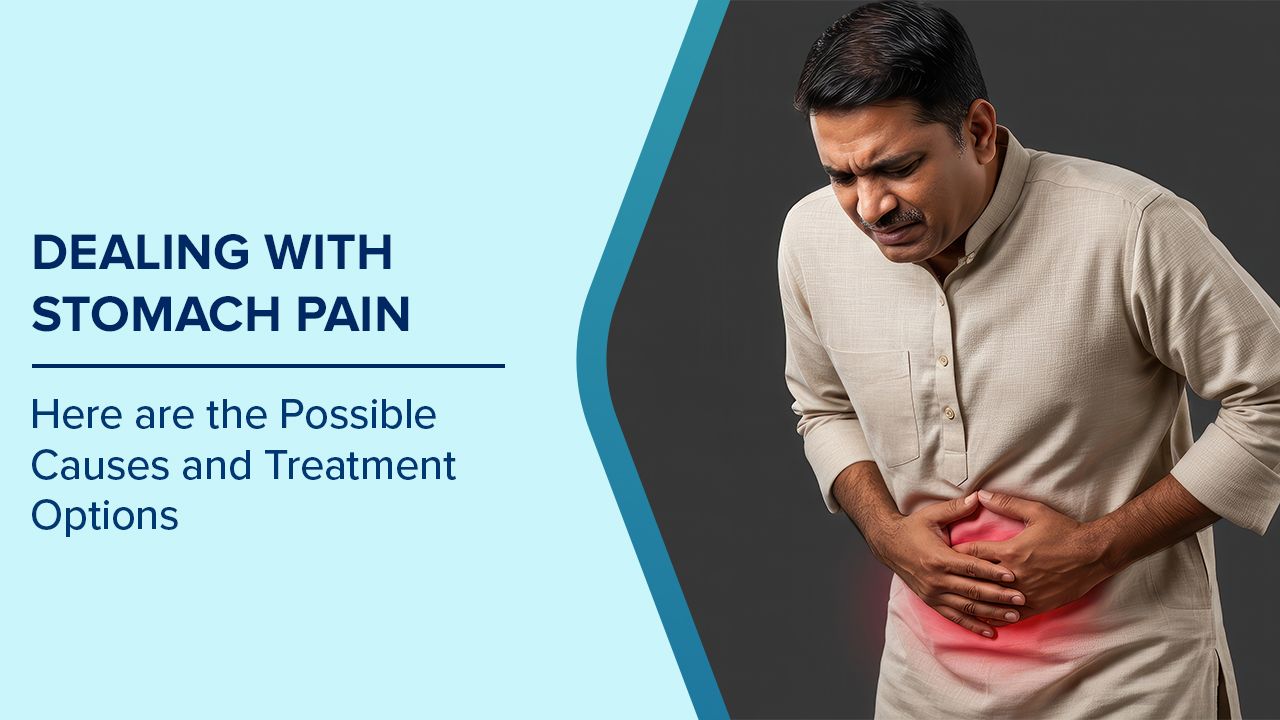
Stomach pain can be irritating and, at times, quite severe. It can disrupt daily routines and make it hard to focus on anything else. What makes it particularly challenging is that abdominal pain doesn’t appear in just one way. Sometimes it’s a constant ache on one side of the abdomen, and other times it comes as sharp, intermittent cramps. The type of stomach pain is often linked to the underlying cause, and telling them apart isn’t always easy. This blog aims to help with exactly that. It’ll break down the possible causes of stomach pain, explain how the cause is diagnosed, and list the treatment options available. Let’s dive in.
What are the Common Causes of Stomach Pain?
Stomach pain can occur for many reasons, ranging from minor digestive issues to serious medical conditions. These include:
1. Indigestion
Indigestion, or dyspepsia, is one of the most common causes of stomach discomfort. It usually happens after eating heavy, fatty, or spicy meals, or when eating too quickly. Symptoms can include a burning sensation in the upper abdomen, bloating, feeling overly full, or mild pain. Stress, anxiety, and caffeine or alcohol consumption can also trigger indigestion. While it’s often temporary, frequent indigestion may point to underlying issues like gastritis or acid reflux.
2. Gas and Bloating
Trapped gas can stretch the digestive tract, causing sharp or cramping pains. Bloating often comes with a sense of fullness, pressure, or audible gurgling in the stomach. Common causes include swallowing air while eating or drinking, consuming carbonated beverages, eating certain vegetables or legumes, or having digestive disorders such as irritable bowel syndrome (IBS). Persistent bloating with discomfort may require evaluation by a doctor.
3. Gastrointestinal Infections
Infections caused by bacteria or viruses can inflame the stomach and intestines, leading to abdominal pain, nausea, vomiting, diarrhea, and sometimes fever. Common causes include food poisoning, contaminated water, or viral gastroenteritis (commonly called the “stomach flu”). While many infections resolve on their own with rest and hydration, severe or prolonged cases may require medical treatment, including antibiotics in bacterial infections.
4. Acid Reflux or Heartburn
Acid reflux occurs when stomach acid flows back into the esophagus, irritating the lining and causing a burning sensation in the upper abdomen or chest. Heartburn often worsens after large meals, lying down, or eating acidic, fatty, or spicy foods. Chronic acid reflux may develop into gastroesophageal reflux disease (GERD), which requires medical evaluation and management to prevent complications such as esophageal inflammation or ulcers.
5. Ulcers
Ulcers are open sores that develop on the lining of the stomach or upper part of the small intestine. They often cause a gnawing or burning pain that may improve temporarily after eating but return later. Ulcers can result from infection with H. pylori bacteria, long-term use of certain painkillers (like NSAIDs), smoking, or excessive alcohol consumption. If left untreated, ulcers can lead to bleeding, perforation, or severe infections.
6. Gallstones or Kidney Stones
Gallstones form in the gallbladder and can block the flow of bile, leading to sudden, sharp pain in the upper right abdomen, often after consuming fatty meals. Kidney stones, on the other hand, can cause intense cramping pain in the lower abdomen or back, sometimes radiating to the groin. Both conditions often require medical treatment, which may include medications or procedures to remove the stones.
7. Constipation
Difficulty passing stool can lead to cramping and discomfort in the lower abdomen. Causes of constipation include a diet low in fibre, dehydration, lack of physical activity, or certain medications. Chronic constipation may indicate underlying digestive disorders, such as bowel obstruction or irritable bowel syndrome. Managing lifestyle factors like diet, hydration, and regular exercise can help, but persistent constipation should be evaluated by a doctor.
8. Menstrual or Reproductive System-Related Pain (in Women)
For women, menstrual cramps and reproductive issues like ovarian cysts or endometriosis can cause lower abdominal pain. Menstrual cramps usually occur just before or during periods and are caused by uterine contractions. Ovarian cysts can lead to sudden or sharp pain, sometimes accompanied by bloating or irregular periods. Any severe or unusual reproductive-related abdominal pain should be assessed by a gynaecologist.
How is the Cause of Stomach Pain Diagnosed?
Diagnosing stomach pain starts with reviewing the medical history, including when and where the pain occurs, its type, any triggers or relief, and related symptoms like nausea or changes in bowel habits. This is followed by a physical exam, where the doctor checks for tenderness, swelling, or abnormal signs, and notes the exact location of pain to help identify the affected organs.
Based on these initial findings, doctors may recommend the following diagnostic tests:
Laboratory Tests
Laboratory investigations provide objective data about internal body processes. Common tests include:
- Blood tests: Can reveal infection (high white blood cell count), liver or pancreas problems (abnormal enzymes), anemia, or inflammation markers.
- Urine tests: Help detect urinary tract infections, kidney infections, or other urinary abnormalities.
- Stool tests: Can identify gastrointestinal infections, parasites, or the presence of blood, which may indicate ulcers, polyps, or inflammation.
These tests are often combined to give a clearer picture of what might be causing the pain.
Imaging and Diagnostic Procedures
If further clarification is needed, imaging studies or procedures allow direct observation of the organs inside the abdomen:
- Ultrasound: Uses sound waves to create images of organs such as the liver, gallbladder, kidneys, and reproductive organs. It’s often the first imaging test for suspected gallstones or ovarian cysts.
- CT Scan or MRI: Provides detailed cross-sectional images to detect inflammation, tumors, blockages, or internal injuries.
- Endoscopy: A thin, flexible tube with a camera examines the esophagus, stomach, and upper small intestine to detect ulcers, inflammation, or bleeding.
- Colonoscopy: Used to examine the colon and rectum, particularly when there’s persistent lower abdominal pain, blood in stool, or suspected intestinal disease.
These investigations help confirm a diagnosis and rule out serious conditions.
What Treatment Options are Available for Stomach Pain?
Treatment for stomach pain depends on the underlying cause, severity, and frequency of the pain. Doctors usually recommend a combination of lifestyle adjustments, medications, or procedures, depending on the condition. Here’s a breakdown of the main treatment approaches:
1. Lifestyle and Dietary Adjustments
For mild or recurring stomach discomfort, simple lifestyle changes can help manage symptoms and prevent future episodes. These may include:
- Eating smaller, more frequent meals instead of large heavy meals
- Avoiding trigger foods like spicy, fatty, or highly processed foods
- Staying hydrated and maintaining a balanced diet rich in fiber
- Reducing caffeine, alcohol, and carbonated drinks
- Managing stress through relaxation techniques, yoga, or meditation
- Regular physical activity to support digestion and bowel movements
2. Medications
Depending on the cause, doctors may prescribe medications to relieve symptoms or treat underlying conditions. The medications might include:
- Antacids or acid reducers: For heartburn, acid reflux, or ulcers
- Anti-gas or digestive enzymes: To relieve bloating or indigestion
- Pain relief medications: Mild analgesics may be recommended for cramps or discomfort, avoiding NSAIDs if they worsen ulcers
- Antibiotics: If the pain is caused by bacterial infections like H. pylori or certain urinary tract infections
- Laxatives or stool softeners: For constipation-related abdominal pain
3. Medical Procedures
In some cases, stomach pain requires medical procedures to treat underlying issues:
- Endoscopy or colonoscopy: To treat or remove polyps, ulcers, or other gastrointestinal problems
- Gallbladder removal or kidney stone procedures: For gallstones or kidney stones causing severe pain
- Surgery: In cases like appendicitis, bowel obstruction, or severe abdominal conditions that cannot be managed conservatively
What are Some Home Remedies that May Help With Mild Stomach Pain?
For mild stomach discomfort, certain home remedies can help ease pain naturally. These remedies are suitable for minor, occasional pain and should not replace medical care for persistent or severe symptoms.
1. Warm Compress or Heating Pad
Applying gentle heat to the abdomen can relax muscles and reduce cramping. A warm compress or heating pad placed on the stomach for 15–20 minutes often eases discomfort caused by indigestion, gas, or menstrual cramps.
2. Herbal Teas
Herbal teas have long been used to soothe the digestive system:
- Ginger tea: Helps reduce nausea, bloating, and mild digestive discomfort by promoting digestive enzyme activity and reducing inflammation. Best for indigestion or mild stomach upset.
- Peppermint tea: Contains menthol, which relaxes the digestive tract muscles, easing gas and spasms. Effective for bloating and cramping.
- Chamomile tea: Has mild anti-inflammatory and calming effects, which can relieve abdominal discomfort and reduce stress-related stomach pain.
- Licorice root tea: Supports the stomach lining and can help with mild heartburn or irritation.
3. Fennel Seeds
Chewing fennel seeds or drinking fennel tea helps reduce gas, bloating, and abdominal cramps. Fennel relaxes intestinal muscles and promotes the release of trapped gas, making it effective for mild digestive discomfort.
4. Apple Cider Vinegar
A small amount of apple cider vinegar mixed in warm water may aid digestion and relieve mild indigestion. Its acidic nature helps balance stomach pH and improve enzyme activity. Use this remedy cautiously if prone to acid reflux.
5. Baking Soda Solution
For occasional acidity or heartburn, dissolving half a teaspoon of baking soda in a glass of warm water can neutralize stomach acid and provide temporary relief. Avoid overuse, as excessive intake may disturb the body’s electrolyte balance.
6. Cumin Seeds
Chewing cumin seeds or drinking cumin-infused water helps stimulate digestion, reduce gas, and relieve mild cramps. The natural oils in cumin relax the digestive tract muscles and improve enzyme activity.
7. Carom Seeds (Ajwain)
Carom seeds contain thymol, which aids digestion and reduces gas formation. Chewing a few seeds after meals or drinking ajwain water can relieve mild bloating and abdominal discomfort.
8. Probiotics
Probiotic-rich foods such as yogurt, kefir, or fermented foods help maintain a healthy gut microbiome, improving digestion and reducing mild abdominal pain caused by gas, bloating, or irregular bowel movements.
9. Peppermint Oil Capsules
Enteric-coated peppermint oil capsules can relax intestinal muscles and reduce spasms, making them helpful for mild irritable bowel symptoms, bloating, or cramping.
10. Warm Lemon Water
Sipping warm water with a few drops of lemon juice can aid digestion, stimulate bile production, and relieve mild indigestion. It works best in the morning on an empty stomach.
When Should You Seek Medical Attention for Stomach Pain?
You should consult a doctor or seek immediate medical care if you experience:
- Severe or sudden pain: Pain that comes on sharply or is extremely intense, particularly in the lower right abdomen (possible appendicitis) or upper abdomen (possible gallstones or pancreatitis).
- Persistent vomiting: Continuous vomiting or vomiting blood, which could indicate infection, bleeding, or obstruction.
- Blood in stool or black, tarry stools: May signal internal bleeding in the digestive tract.
- Fever, chills, or unexplained weight loss: Could suggest an infection, inflammation, or other systemic illness.
- Abdominal swelling or hardness: A rigid or tender abdomen may indicate inflammation, internal bleeding, or organ problems.
- Pain after injury: Any abdominal pain following trauma, such as a fall, accident, or blow, should be evaluated immediately to rule out internal damage.
- Difficulty breathing, dizziness, or fainting: These may be signs of a severe underlying condition or shock.
- Frequent or recurring pain: Repeated episodes, especially if linked to meals, stress, or menstrual cycles, could indicate conditions like IBS, ulcers, or reproductive issues.
- Inability to pass stool or gas: May indicate bowel obstruction or other gastrointestinal emergencies.
Paying attention to these warning signs and seeking timely medical care can prevent complications and ensure proper treatment. Even if symptoms are mild but persistent or unusual for you, it’s always safer to consult a doctor.
Consult Today
Stomach pain isn't something to ignore or simply push through, especially when it keeps coming back or interferes with daily life. If you notice any warning signs or if the pain keeps coming back, it’s worth getting checked by a professional. At Max Hospital, gastroenterologists are available to help identify the cause of your stomach pain and recommend the right treatment. Don’t delay seeking medical help and reach out to Max Hospital for consultation today.
Frequently Asked Questions
Can stress or anxiety cause real stomach pain, or is it just psychological?
Stress and anxiety can cause genuine physical stomach pain through the gut-brain connection. When stressed, the body releases hormones that affect digestion, increase stomach acid, and cause muscle tension in the abdomen. This leads to real cramping, discomfort, or changes in bowel habits. Managing stress through relaxation techniques or exercise can help reduce these symptoms.
Does the timing of stomach pain matter, like pain before or after eating?
Yes, timing provides important clues about the cause. Pain before eating that improves after a meal may suggest excess stomach acid or an ulcer. Pain after eating, especially after fatty meals, could indicate gallbladder issues or acid reflux. Tracking when pain occurs in relation to meals helps doctors narrow down the diagnosis.
Can medications cause stomach pain as a side effect?
Many medications can irritate the stomach lining or affect digestion. Common culprits include NSAIDs like ibuprofen, certain antibiotics, and iron supplements. If stomach pain starts after beginning a new medication, inform the prescribing doctor who may adjust the dosage or switch to an alternative.
Is stomach pain on the left side different from pain on the right side?
The location often points to different organs. Right-sided upper pain may involve the liver, gallbladder, or right kidney, while left-sided pain could relate to the stomach, spleen, or pancreas. Lower right pain might indicate appendicitis, and lower left pain could suggest diverticulitis. Proper diagnosis is essential as pain doesn't always follow these patterns precisely.
Can certain foods cause stomach pain even if there's no food allergy?
Food intolerance is different from food allergy and can cause significant discomfort without triggering an immune response. Lactose intolerance causes bloating and cramps in people who can't digest dairy, while gluten sensitivity can cause pain without celiac disease. High-FODMAP foods can ferment in the gut and cause pain, especially in people with IBS.
How long is too long to wait before seeing a doctor for stomach pain?
Mild pain that resolves within a day or two usually doesn't require immediate attention. However, pain lasting more than a few days, recurring episodes, or pain accompanied by fever, vomiting, or blood in stool needs medical evaluation. Severe or sudden pain should never be ignored and requires immediate attention.
Can stomach pain be a sign of something serious even if it's mild?
Certain serious conditions can start with mild symptoms that gradually worsen. Early appendicitis might begin as vague discomfort before becoming severe, and early-stage ulcers may present with mild, persistent discomfort initially. Paying attention to patterns like pain that doesn't go away or slowly intensifies is important, even when the pain itself isn't severe.
Written and Verified by:

Related Blogs

Dr. Nivedita Pandey In Gastroenterology, Hepatology & Endoscopy , Liver Transplant and Biliary Sciences
Nov 07 , 2020 | 2 min read
Dr. Nivedita Pandey In Gastroenterology, Hepatology & Endoscopy , Liver Transplant and Biliary Sciences
Nov 07 , 2020 | 2 min read
Blogs by Doctor

All You Need to Know about Glycogen Storage Disease
Dr. Brajendra Prasad Singh In Gastroenterology, Hepatology & Endoscopy
Feb 13 , 2024 | 7 min read

Gastric Problems: Causes, Symptoms & Treatment
Dr. Brajendra Prasad Singh In Gastroenterology, Hepatology & Endoscopy
Mar 27 , 2024 | 5 min read
Most read Blogs


Related Blogs
Dr. Nivedita Pandey In Gastroenterology, Hepatology & Endoscopy , Liver Transplant and Biliary Sciences
Nov 07 , 2020 | 2 min read
Dr. Nivedita Pandey In Gastroenterology, Hepatology & Endoscopy , Liver Transplant and Biliary Sciences
Nov 07 , 2020 | 2 min read
Blogs by Doctor
All You Need to Know about Glycogen Storage Disease
Dr. Brajendra Prasad Singh In Gastroenterology, Hepatology & Endoscopy
Feb 13 , 2024 | 7 min read
Gastric Problems: Causes, Symptoms & Treatment
Dr. Brajendra Prasad Singh In Gastroenterology, Hepatology & Endoscopy
Mar 27 , 2024 | 5 min read
Most read Blogs