 WhatsApp Us (24/7)
 +91 926 888 0303 (24/7)


To Book an Appointment
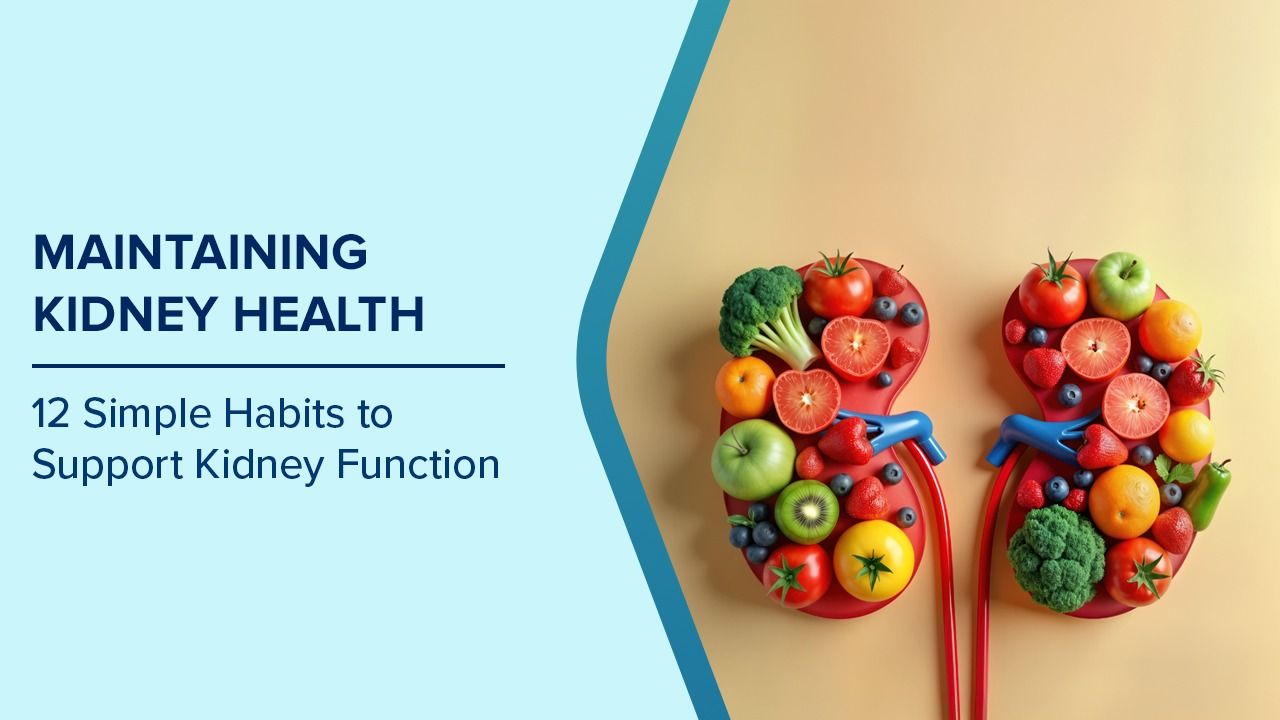
Call Us+91 926 888 0303Maintaining Kidney Health: 12 Simple Habits to Support Kidney Function
By Dr Blessy Sehgal in Nephrology
Jun 23 , 2026 | 7 min read
3

Kidney health plays a vital role in keeping our body functioning properly, by filtering waste, balancing fluids, and regulating essential nutrients, making it crucial to take care of them. That said, you don’t need complicated procedures or expensive treatments to support kidney function. Simple lifestyle changes and habits can make a big difference in preserving your kidney health. In this blog, we’ll explore 12 easy-to-follow habits that can help keep your kidneys in good health for years to come.
12 Simple Habits for Healthy Kidneys
Let’s look into 12 simple habits, easily incorporated into your daily routine, that will empower you to keep your kidneys happy and thriving:
1. Exercises Regularly
Regular physical activity plays a crucial role in maintaining overall health, and your kidneys are no exception! Engaging in routine exercise helps manage blood pressure, a major risk factor for kidney disease. It also promotes weight management, another contributing factor.
Moderate-intensity exercises like brisk walking, cycling, or swimming for 30 minutes most days of the week can significantly benefit your kidney health. So, get your body moving, not just for a strong heart and healthy bones, but for happy, healthy kidneys too!
2. Stay Hydrated
Staying hydrated is a simple yet powerful practice to follow regularly. Ample water intake ensures optimal kidney function by facilitating the flushing out of toxins and waste from the body. Adequate hydration helps prevent the formation of kidney stones, a common concern often requiring effective kidney stone treatment.
Aim for eight glasses of water daily, adjusting based on activity level and climate. Opt for water over sugary drinks, which can dehydrate you and contribute to health issues. Look for natural sources of hydration too, like fruits and vegetables rich in water content.
3. Manage Blood Sugar
Uncontrolled blood sugar levels pose a significant threat to kidney health. High sugar strains the kidneys by forcing them to constantly filter excess glucose. This, along with inflammation and blood vessel damage caused by high sugar, can lead to scarring and ultimately, reduced kidney function.
By managing blood sugar through medication, diet, and exercise, you reduce the workload on your kidneys, minimize inflammation and scarring, and protect blood vessels, all of which contribute to promoting long-term kidney health.
4. Monitor Blood Pressure
Keeping your blood pressure in check is crucial for maintaining healthy kidneys. High blood pressure, if left uncontrolled, can damage the delicate blood vessels within the kidneys. These vessels are responsible for delivering oxygen and nutrients to kidney cells and removing waste products. When damaged, these vessels can't perform these functions effectively, leading to a decline in kidney function.
Other than that, high pressure puts extra strain on the filtration system within the kidneys, potentially causing them to leak protein into the urine, another sign of kidney damage.
By monitoring your blood pressure regularly and taking necessary steps, like medication or lifestyle for healthy kidneys, to keep it under control, you can significantly reduce the risk of these damaging effects, promoting optimal kidney function.
5. Avoid Excessive Salt Intake
Excessive salt intake can put your kidneys under unnecessary stress. Sodium, the main component of salt, plays a role in regulating how much fluid your body retains. When you consume too much salt, your body holds onto more water, leading to increased blood pressure.
This puts extra strain on your kidneys as they work harder to filter waste products from the blood. Additionally, high sodium intake can directly impact the filtering units within the kidneys, potentially leading to their gradual decline over time.
By limiting your salt intake and opting for a healthy diet low in processed foods, you can significantly reduce the burden on your kidneys.
6. Limit Alcohol Consumption and Quit Smoking
While occasional moderate alcohol consumption may not pose a significant threat, excessive alcohol intake can harm your kidneys in several ways. Alcohol is a dehydrating substance, which can reduce blood flow to the kidneys and hinder their ability to filter waste effectively. Heavy drinking can also lead to inflammation and damage to the filtering units within the kidneys.
Similarly, smoking harms your kidneys in multiple ways. Smoking constricts blood vessels, reducing blood flow to the kidneys and hindering their function. Moreover, smoking can increase inflammation throughout the body, damaging the kidneys and impairing their ability to filter waste. Limiting alcohol intake and quitting smoking can significantly reduce these harmful effects on the kidney.
7. Avoid Processed Foods
Limiting processed foods significantly benefits your kidney health due to their frequent high content of sodium, phosphorus, and added sugars. As discussed earlier, excess sodium strains your kidneys by increasing blood pressure and causing fluid retention. High phosphorus disrupts the body's calcium balance and can contribute to harmful deposits forming within the kidneys, potentially hindering their function. While not directly damaging kidneys, added sugars increase the risk of obesity and diabetes, both established risk factors for chronic kidney disease.
By replacing processed foods with fresh fruits, vegetables, and whole grains, you naturally consume less sodium, phosphorus, and added sugars, thus reducing the burden on your kidneys.
8. Limit OTC drugs Consumption
While over-the-counter (OTC) medications can be readily available and convenient, their frequent or excessive use can pose potential risks to your kidneys.
Non-prescription drugs, like nonsteroidal anti-inflammatory drugs (NSAIDs), commonly used for pain relief, can cause kidney damage if used recklessly. Excessive OTC drug intake may lead to dehydration, affecting the kidneys' ability to filter waste.
By exercising caution and following recommended dosages, individuals reduce the risk of adverse effects on kidney function. Prioritizing responsible OTC drug use is a proactive measure to preserve renal health, ensuring the kidneys can efficiently perform their essential tasks without unnecessary stress or a potential need for a kidney transplant.
9. Try Kidney Friendly Recipes
Kidney-friendly recipes emphasize ingredients low in phosphorus, potassium, and sodium, crucial for individuals with kidney issues. By incorporating nutrient-rich, kidney-friendly options, such as lean proteins, fruits, and vegetables, individuals support their renal function. These recipes align with dietary guidelines that aim to minimize strain on the kidneys, aiding in prevention of kidney disease.
Embracing kidney-friendly recipes becomes a delectable strategy for maintaining a balanced and nourishing diet, contributing to overall well-being and supporting those with specific kidney health considerations.
10. Prioritise Quality Sleep
Prioritizing quality sleep is essential for promoting healthy kidneys. During sleep, your body enters a restorative state, allowing your kidneys to function more efficiently. Your blood pressure naturally dips, providing a period of rest for these hard-working organs constantly managing blood pressure. Adequate sleep ensures these processes run smoothly. This implies that adequate sleep may allow your kidneys to eliminate waste more efficiently, further promoting their overall function.
11. Know the Risk Factors
Recognizing the risk factors for kidney disease is a crucial first step in empowering individuals to actively promote their kidney health. This knowledge allows for proactive measures that can potentially prevent or manage these factors and minimize potential harm to the kidneys.
By understanding their risk profile, individuals can identify areas for improvement and implement targeted lifestyle changes. These efforts can directly contribute to preventing the development of certain kidney disease risk factors, like high blood pressure and diabetes.
12. Go for Regular Check-ups and Screenings
Regular check-ups and screenings play a pivotal role in promoting kidney health by enabling early detection of potential issues. These proactive measures allow the best nephrologist in India to monitor kidney function, identify abnormalities, and intervene before complications arise.
Screening tests assess factors like blood pressure, urine albumin, and serum creatinine levels, offering a comprehensive picture of renal health. Early identification of conditions such as empowers timely interventions, enabling individuals to adopt lifestyle changes, manage risk factors, and preserve kidney function.
Getting regular check-ups becomes a proactive strategy, safeguarding kidneys.
Conclusion
By incorporating these simple habits into your daily routine, you'll be well on your way to keeping your kidneys happy and healthy. That said, if you experience any warning signs of kidney disease such as fatigue, swelling, or changes in urination, waste no time in consulting a healthcare professional at Max hospital, the best nephrology hospital in India. Max is equipped with the latest technology and a team of highly skilled nephrologists dedicated to providing the best possible care and personalised treatment plans. Take charge of your kidney health today - contact Max Hospital and prioritise your well-being!
Frequently Asked Questions
What are the signs of healthy kidneys?
Healthy kidneys typically function without noticeable symptoms. However, signs of good kidney health include regular urination, clear or light-colored urine, and normal blood pressure. Additionally, if you feel generally well, have good energy levels, and don't experience swelling or unusual fatigue, it's a good sign that your kidneys are functioning properly.
Is kidney disease reversible?
In the early stages, some kidney conditions can be managed or even reversed by making lifestyle changes such as improving diet, controlling blood pressure, and avoiding harmful substances. However, in more advanced stages of kidney disease, the damage may not be fully reversible, and medical treatments or interventions may be necessary to manage the condition and prevent further decline in kidney function.
Can kidney disease cause low hemoglobin?
Yes, kidney disease can lead to low hemoglobin levels, a condition called anaemia. The kidneys produce a hormone called erythropoietin, which stimulates the bone marrow to produce red blood cells. When kidney function declines, erythropoietin production decreases, leading to reduced red blood cell production and subsequently, low hemoglobin levels.
Is there a difference between kidney disease and kidney damage?
Yes, there is a difference. Kidney damage refers to injury or harm to the kidneys that can affect their structure or function, such as scarring or inflammation. Kidney disease, on the other hand, is a broader term that refers to the presence of chronic or acute conditions that impair kidney function.
Can kidney damage be reversed with lifestyle changes?
In some cases, early kidney damage can be managed or slowed down with lifestyle changes like diet modifications, regular exercise, and controlling blood pressure. However, advanced kidney damage may require medical intervention, so it's important to catch issues early.
Is it necessary to limit potassium and phosphorus for everyone?
Not everyone needs to limit potassium and phosphorus. People with healthy kidneys typically don't need to worry about these minerals unless advised by a healthcare provider. However, individuals with kidney disease should monitor their intake, as these minerals can build up in the blood and cause complications.
How does dehydration affect kidney health in the long term?
Chronic dehydration can put extra strain on your kidneys, making them less efficient at filtering waste and balancing fluid levels. Over time, this can lead to kidney stones and possibly kidney damage, which is why maintaining adequate hydration is crucial for kidney function.
What are some signs that my kidneys may not be working properly?
Early signs include changes in urination, such as increased or decreased frequency, swelling in the legs or ankles, fatigue, and unexplained weight loss. If you notice any of these symptoms, consult a healthcare provider for further evaluation.
Are kidney-friendly recipes suitable for people with other health conditions?
Yes, kidney-friendly recipes are often beneficial for individuals managing other conditions like diabetes, hypertension, and cardiovascular disease. These recipes tend to be lower in sodium, potassium, and phosphorus, which can support overall health while preventing additional strain on your kidneys.
Can I still enjoy my favorite foods while following a kidney-friendly diet?
While some foods should be limited, it's often possible to enjoy your favourite meals in moderation or with substitutions. Consult a dietitian for personalized advice on how to modify your meals to be more kidney-friendly without sacrificing flavour.
Do I need to take supplements to support kidney function?
It's best to get nutrients from a balanced diet rather than supplements unless a healthcare provider recommends them. In some cases, specific supplements may be helpful for people with kidney disease, but this should always be discussed with a doctor.
Written and Verified by:

Related Blogs

Dr. Puneet Arora In Nephrology
Nov 11 , 2020 | 2 min read

Nov 11 , 2020 | 9 min read
Blogs by Doctor


Most read Blogs


Related Blogs
Dr. Puneet Arora In Nephrology
Nov 11 , 2020 | 2 min read
Nov 11 , 2020 | 9 min read
Blogs by Doctor
Most read Blogs