 WhatsApp Us (24/7)
 +91 926 888 0303 (24/7)


To Book an Appointment
Call Us+91 926 888 0303Fatty Liver in Young Professionals: Causes & Symptoms
By Dr. Piyush Gupta in Gastroenterology, Hepatology & Endoscopy
Jul 08 , 2025 | 2 min read

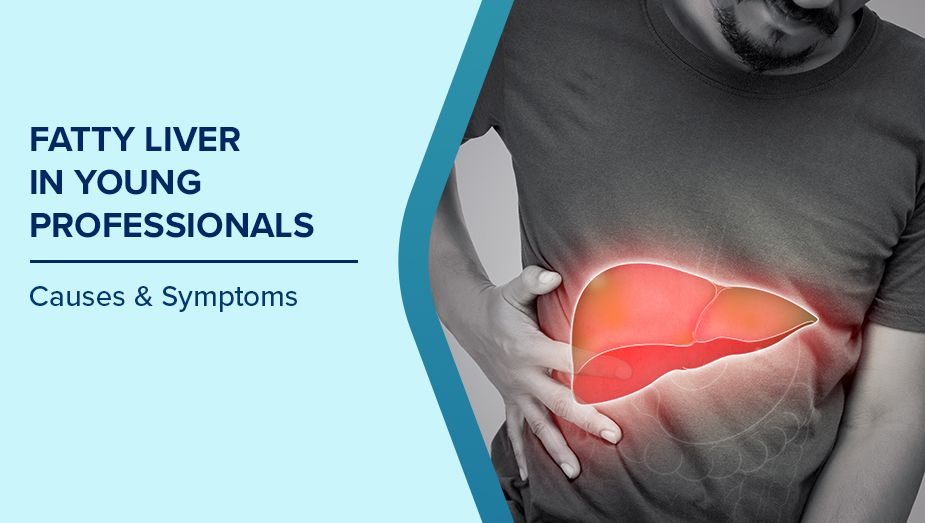
In today's fast-paced corporate world, where work calls last into the night, lunches are taken out of packets, and jogging is an afterthought, a silent epidemic is growing: fatty liver disease. Previously believed to occur only in older or alcohol-dependent people, non-alcoholic fatty liver disease (NAFLD) is being more and more diagnosed in young professionals in their 20s and 30s.
What Is Fatty Liver Disease?
Fatty liver disease is a condition characterised by the accumulation of fat in liver cells, which disrupts the liver's proper functioning. There are two broad classifications: alcoholic fatty liver disease and non-alcoholic fatty liver disease (NAFLD). The latter is now turning out to be the most prominent cause of liver disorders in India, particularly in people with inactive lifestyles, high sugar/fat intake, obesity, insulin resistance, and stress.
A Wake-Up Call for Urban Population
In metropolitan cities such as Delhi, we are experiencing a steep rise in the number of fatty liver cases among young working professionals, most of whom are normal weight but with compromised metabolic health. This is referred to as "lean NAFLD," where individuals with a normal appearance possess high visceral fat and insulin resistance.
Some common causes are:
- Fast breakfast skipping and depending on processed, high-carb foods
- Long hours of work with little or no physical activity
- Frequent drinking of sugary beverages, alcohol, or late-night eat-outs
- Poor sleep hygiene and chronic stress
Why It Matters
Fatty liver is more than fat in the liver—it's a metabolic time bomb. Left unchecked, it can lead to liver inflammation (steatohepatitis), fibrosis, cirrhosis, and even cancer of the liver. It's also strongly associated with type 2 diabetes, heart disease, and PCOS.
What makes it more risky is that the majority of the patients do not present symptoms in the initial stages. It is usually picked up during health screenings through ultrasound or liver function tests.
What Can We Do?
The best part is that fatty liver can be reversed, particularly if diagnosed at an early stage.
Below are important preventive measures:
- Achieve a balanced diet comprising fibre, lean proteins, and healthy fats
- Reduce consumption of sugar, processed foods, and alcohol
- Take regular exercise—even 30 minutes of brisk walking daily is beneficial
- Undergo annual liver screening tests, particularly if obese, diabetic, or with a family history
Conclusion
The rise of fatty liver disease among young professionals is a stark reminder that modern success cannot come at the cost of health. In the battle between convenience and care, your liver doesn't get a second chance. Listen to your body before it starts to whisper—or worse, stops speaking at all.
Your liver works 24/7. We should make sure our lifestyle doesn't work against it.
Written and Verified by:

Related Blogs

Dr. Nivedita Pandey In Gastroenterology, Hepatology & Endoscopy , Liver Transplant and Biliary Sciences
Nov 07 , 2020 | 2 min read
Dr. Nivedita Pandey In Gastroenterology, Hepatology & Endoscopy , Liver Transplant and Biliary Sciences
Nov 07 , 2020 | 2 min read
Blogs by Doctor

Understanding Hepatorenal Syndrome: A Severe Liver Complication
Dr. Piyush Gupta In Gastroenterology, Hepatology & Endoscopy
Dec 19 , 2023 | 7 min read

Acute Abdominal Pain: All You Need to Know
Dr. Piyush Gupta In Gastroenterology, Hepatology & Endoscopy
Apr 29 , 2024 | 10 min read
Most read Blogs


Related Blogs
Dr. Nivedita Pandey In Gastroenterology, Hepatology & Endoscopy , Liver Transplant and Biliary Sciences
Nov 07 , 2020 | 2 min read
Dr. Nivedita Pandey In Gastroenterology, Hepatology & Endoscopy , Liver Transplant and Biliary Sciences
Nov 07 , 2020 | 2 min read
Blogs by Doctor
Understanding Hepatorenal Syndrome: A Severe Liver Complication
Dr. Piyush Gupta In Gastroenterology, Hepatology & Endoscopy
Dec 19 , 2023 | 7 min read
Acute Abdominal Pain: All You Need to Know
Dr. Piyush Gupta In Gastroenterology, Hepatology & Endoscopy
Apr 29 , 2024 | 10 min read
Most read Blogs