 WhatsApp Us (24/7)
 +91 926 888 0303 (24/7)


To Book an Appointment
Call Us+91 926 888 0303World Heart Day 2025: Small Lifestyle Changes, Big Health Benefits
By Dr. Rajiv Agarwal in Cardiac Sciences
Jan 05 , 2026 | 13 min read
5

Heart problems are becoming increasingly common, and what’s especially concerning is that they are now affecting younger people as well, including those who are in their 20s and 30s. In many cases, the causes can be traced back to everyday habits such as unhealthy eating, lack of physical activity, high stress, and poor sleep. The good news is that these causes are within our control. World Heart Day reminds us that protecting our heart health doesn't need big changes but small, simple lifestyle improvements can make a huge difference to our overall health. To understand how we can better care for our hearts, this blog looks at the key risk factors for heart disease, simple lifestyle changes that can help, and how World Heart Day 2025 can inspire better habits for a healthier heart. Let us begin by understanding the significance of this day.
History and Significance of World Heart Day
World Heart Day was established in 2000 by the World Heart Federation in partnership with the World Health Organization. The idea was introduced by Dr. Antoni Bayés de Luna, the then president of the World Heart Federation. Initially observed on the last Sunday of September, the date was later fixed as 29th September each year. Since its launch, World Heart Day has grown into a global event, observed in more than 100 countries through awareness drives, public events, health checks, and media campaigns focused on heart health.
Cardiovascular diseases continue to be the leading cause of death globally, and many of these cases are preventable through simple lifestyle changes. World Heart Day plays a key role in reminding people that caring for the heart starts with small daily choices. It also encourages governments, healthcare systems, and communities to support heart health through education and early detection. By reaching people across all age groups and backgrounds, the day helps promote long-term habits that reduce the risk of heart disease and improve overall well-being.
World Heart Day 2025 Theme
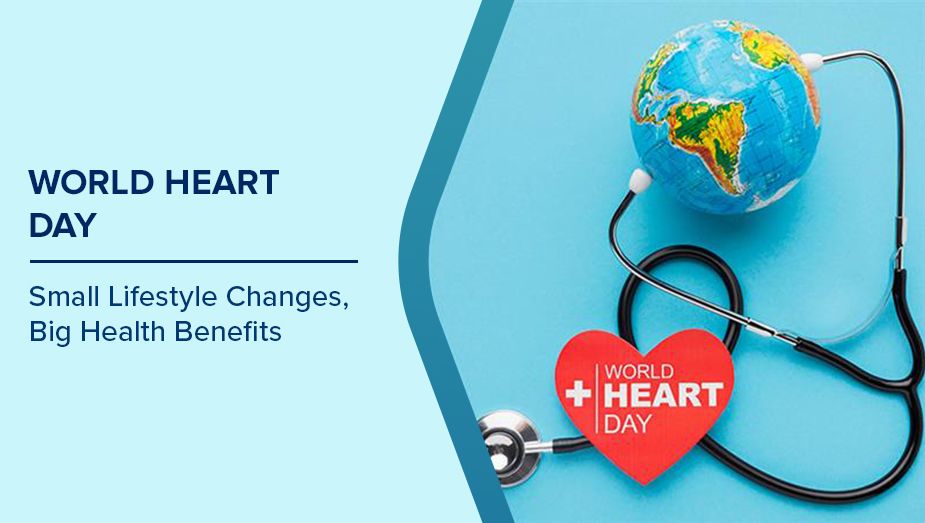
The theme for World Heart Day 2025 is “Small Lifestyle Changes, Big Health Benefits.” This year’s message focuses on the power of everyday actions in protecting heart health. Instead of highlighting complex medical interventions, the campaign encourages individuals to take simple, manageable steps such as eating better, moving more, managing stress, and getting enough sleep. The aim is to show that consistent lifestyle habits, even if small, can make a lasting impact on heart health. This theme also reflects the growing concern around rising heart disease cases in younger populations, many of which are linked to preventable risk factors. By shifting the focus to achievable goals, World Heart Day 2025 hopes to inspire lasting change at both personal and community levels.
What Increases the Risk of Heart Disease?
Heart disease usually develops over time due to a mix of lifestyle habits, existing health conditions, and inherited factors. Understanding these risks is key to preventing long-term damage. Below are some of the most common risk factors:
Unhealthy Eating Habits
Diets high in saturated fats, trans fats, salt, and added sugars can raise blood pressure and cholesterol levels, leading to plaque build-up in arteries. Over time, this restricts blood flow to the heart. Frequent intake of processed or fast food, fried snacks, and sugary drinks also increases the risk of diabetes and obesity, both of which are strongly linked to heart disease.
Lack of Physical Activity
Regular movement helps regulate blood pressure, improve cholesterol levels, manage weight, and strengthen the heart muscle. Sedentary lifestyles, including long hours of sitting or lack of any daily activity, weaken cardiovascular function and raise the risk of heart-related issues, even in people who are not overweight.
Smoking and Tobacco Us
Tobacco use damages the inner lining of blood vessels, promotes the build-up of fatty deposits in arteries, and reduces oxygen in the blood. This forces the heart to work harder and increases the likelihood of blood clots, strokes, and heart attacks. Even exposure to second-hand smoke poses a serious risk.
Excessive Alcohol Consumption
Regular heavy drinking raises blood pressure, adds extra calories (contributing to weight gain), and may cause irregular heart rhythms. Over time, it weakens the heart muscle, leading to conditions such as alcoholic cardiomyopathy and heart failure.
Chronic Stress and Poor Sleep
Ongoing stress can affect blood pressure and increase levels of harmful hormones like cortisol, which contribute to inflammation and artery damage. It can also lead to unhealthy behaviours such as binge eating, smoking, or drinking. Similarly, lack of sleep or irregular sleep patterns are associated with a higher risk of high blood pressure, obesity, and arrhythmias, all of which affect the heart.
Medical Conditions That Increase Heart Disease Risk
Certain existing health conditions significantly raise the risk of developing heart disease. These include:
- High Blood Pressure (Hypertension): Often called the “silent killer,” high blood pressure puts continuous strain on the heart and arteries. Over time, this pressure causes the heart to enlarge and arteries to harden or narrow, which increases the risk of heart attack, stroke, and heart failure.
- High Cholesterol: When levels of low-density lipoprotein (LDL or "bad" cholesterol) are high, they can form plaque in the arteries. This narrows the passageways and restricts blood flow to the heart. High cholesterol is often caused by diet, but genetics can also play a role.
- Diabetes: People with diabetes are at a higher risk of heart disease, particularly if their blood sugar is not well controlled. High glucose levels can damage blood vessels and the nerves that control the heart. Type 2 diabetes often occurs alongside other risk factors like obesity and high blood pressure.
- Obesity: Excess body fat, especially around the abdomen, increases the chances of developing conditions such as diabetes, high blood pressure, and high cholesterol, all of which raise the risk of heart disease. Obesity also puts direct strain on the heart, making it work harder to pump blood through the body.
- Chronic Kidney Disease: Poor kidney function is often linked to high blood pressure and fluid imbalance, both of which negatively affect the heart. People with kidney disease are also more likely to have calcium and phosphorus build-up in their blood vessels, which can harden the arteries.
- Polycystic Ovary Syndrome (PCOS): In women, PCOS is associated with insulin resistance, weight gain, and increased risk of diabetes, all of which contribute to heart disease risk.
Family History and Age
Having a close relative with heart disease increases personal risk, especially if they developed the condition at a young age. Ageing itself also raises the risk, as blood vessels naturally lose flexibility and become more prone to blockage over time.
What are Some Warning Signs of a Heart Problem?
Heart issues can develop silently over time, but the body often gives warning signs that should not be ignored. Recognising these early symptoms may help in seeking timely medical help and preventing serious complications.
- Chest discomfort: One of the most common signs is chest pain, pressure, tightness, or a feeling of heaviness. It may occur in the centre or left side of the chest and may last for a few minutes or come and go. It is not always severe and may sometimes feel like indigestion.
- Shortness of breath:Difficulty breathing during everyday activities or even at rest can be linked to heart problems, especially if it appears suddenly or gets worse with time.
- Pain in other parts of the body: Discomfort may spread to the arms, neck, jaw, back, or stomach. This is especially common in heart attacks and is often overlooked.
- Unusual fatigue: Feeling extremely tired, even after simple tasks, can be a sign of reduced blood flow to the heart. It is more commonly reported in women.
- Irregular heartbeat: A racing, fluttering, or skipping heartbeat, particularly when accompanied by dizziness or weakness, can point to an underlying heart issue.
- Swelling in feet, ankles, or legs: Fluid retention, especially in the lower limbs, may signal that the heart is not pumping blood efficiently.
- Light-headedness or fainting: Sudden dizziness, especially when combined with chest discomfort or shortness of breath, may indicate a serious heart problem that needs medical attention.
These symptoms may differ from person to person and may not always appear all at once. Any persistent or unusual sign should be checked by a healthcare professional without delay.
What Daily Lifestyle Habits Can Support a Healthy Heart?
Daily choices play a major role in heart health. The following habits, when practised regularly, can help reduce the risk of heart disease and improve overall well-being.
1. Eat a Balanced and Nutritious Diet
A heart-healthy diet focuses on fresh, unprocessed foods. Include a variety of fruits, vegetables, whole grains, legumes, nuts, and seeds. Use heart-friendly fats such as those from olive oil or fatty fish like salmon. Cut down on salt, sugar, red meat, and processed foods, as they can increase blood pressure and cholesterol levels.
2. Stay Physically Active
Regular exercise strengthens the heart muscle, improves blood circulation, and helps manage weight. Aim for at least 30 minutes of moderate activity most days of the week. Activities like brisk walking, cycling, dancing, or swimming can all be effective.
3. Manage Stress Effectively
Chronic stress can raise blood pressure and trigger unhealthy behaviours like overeating or smoking. Simple practices such as meditation, deep breathing, listening to music, or spending time in nature can help reduce stress levels and support heart health.
4. Get Quality Sleep
Poor sleep patterns have been linked to high blood pressure, obesity, and increased heart disease risk. Try to get 7 to 8 hours of uninterrupted sleep every night. Going to bed and waking up at the same time daily, limiting screen time before bed, and creating a calm sleep environment can help improve sleep quality.
5. Avoid Smoking and Second-hand Smoke
Smoking damages blood vessels, reduces oxygen in the blood, and increases heart rate and blood pressure. Quitting smoking, even after years of use, can significantly lower the risk of heart disease. Avoiding exposure to second-hand smoke is equally important.
6. Limit Alcohol Consumption
Excess alcohol can raise blood pressure, contribute to irregular heart rhythms, and lead to weight gain. If alcohol is consumed, it should be done in moderation, and ideally avoided altogether in people with existing heart concerns.
7. Monitor Key Health Indicators
Regularly checking blood pressure, blood sugar, and cholesterol levels can help detect problems early. Early detection allows timely changes in diet, medication, or lifestyle to prevent complications.
What are the Best and Worst Foods for Your Heart?
Best Foods for Heart Health
These foods support heart function, improve blood flow, reduce inflammation, and help control cholesterol and blood pressure:
- Fresh Fruits and Vegetables: Especially those rich in fibre and antioxidants, such as berries, apples, oranges, spinach, carrots, and tomatoes. They help reduce inflammation and improve blood vessel function.
- Whole Grains: Oats, brown rice, quinoa, barley, and whole wheat are high in soluble fibre, which helps lower bad cholesterol levels.
- Nuts and Seeds: Almonds, walnuts, flaxseeds, and chia seeds provide healthy fats, fibre, and omega-3 fatty acids that are known to support heart health.
- Legumes: Beans, lentils, and chickpeas are good sources of plant-based protein, fibre, and minerals like magnesium and potassium that help maintain normal blood pressure.
- Fatty Fish: Salmon, sardines, mackerel, and tuna are rich in omega-3 fatty acids, which can lower triglycerides and reduce the risk of abnormal heart rhythms.
- Low-Fat Dairy: Milk, curd, and paneer with low fat content can provide calcium and protein without too much saturated fat, which supports both bone and heart health
- Olive Oil: A healthier alternative to butter or ghee, olive oil contains monounsaturated fats and antioxidants that help protect the arteries.
Foods Bad for Heart Health
These items can raise bad cholesterol, increase blood pressure, and contribute to inflammation:
- Processed and Packaged Foods: Chips, instant noodles, and ready-to-eat snacks often contain trans fats, excess salt, and preservatives that can raise blood pressure and cholesterol.
- Sugary Foods and Beverages: Soft drinks, sweets, pastries, and even flavoured yoghurts can increase triglyceride levels and contribute to obesity and diabetes, both of which affect heart health.
- Red and Processed Meats: Regular consumption of sausages, bacon, and high-fat red meats can raise LDL (bad) cholesterol due to their high saturated fat and salt content.
- Fried Foods: Foods such as samosas, fries, and pakoras absorb a lot of oil during cooking, which increases calorie intake and adds unhealthy fats to the diet.
- Full-Fat Dairy Products: Butter, cream, and full-fat cheese are high in saturated fats that can contribute to plaque build-up in arteries.
- Bakery Items: Biscuits, cakes, and pastries often contain trans fats and sugar, which negatively affect heart and overall health when consumed frequently.
Join the Movement for Healthier Hearts This World Heart Day
World Heart Day is not just a reminder to take care of the heart but also a chance to inspire others to do the same. Observing this day can be as simple as doing the following:
- Commit to one heart-healthy habit: Use this day as a starting point to adopt a small but meaningful lifestyle change, such as limiting processed foods, reducing added sugar, or walking 30 minutes daily.
- Book a heart health screening: Many hospitals and clinics offer special heart check-up packages around World Heart Day. It’s a good time to get your blood pressure, cholesterol, blood sugar, and BMI tested.
- Involve your family: Encourage heart-friendly activities at home, such as cooking a healthy meal together, going for a walk, or having a screen-free evening. It helps set a positive example for children and older family members.
- Use social media to raise awareness: Post heart health facts, share your lifestyle goals, or promote World Heart Day resources. Use official hashtags #WorldHeartDay and #UseHeart to reach more people.
- Take part in local campaigns or events: Many schools, offices, and public spaces hold awareness walks, health talks, yoga sessions, or free BP screenings. Participating helps build a collective focus on prevention.
- Dress in red or wear a heart badge: A symbolic gesture to show support. It often sparks curiosity and conversations, making it easier to spread awareness.
- Support heart foundations or NGOs: Consider contributing to organisations that provide heart care to underserved communities, promote preventive health, or fund cardiac research.
- Talk to someone about heart health: A simple conversation with a friend or relative could motivate them to go for a check-up or rethink their habits.
Final Words
This World Heart Day, make a commitment to your health by scheduling a heart check-up and getting the guidance you need. Early detection of heart problems can make a big difference in how they are managed. At Max Hospitals, our expert cardiologists are ready to help you understand and protect your heart health. Book your heart health check-up today, because prevention is always better than treatment, and your heart deserves the best care possible.
Frequently Asked Questions
Can I check my heart health at home with smartwatches or fitness trackers?
Devices like smartwatches can track heart rate and rhythm but cannot replace clinical evaluations. They’re useful for spotting irregularities but should not be relied on for diagnosis.
Are heart scans like CT or MRI necessary for everyone?
Not always. These are usually advised based on symptoms or risk factors. Most people begin with basic tests like ECG, echocardiogram, or TMT.
Do I need to see a cardiologist for minor palpitations?
Occasional palpitations may be harmless, especially if linked to stress or caffeine. But if they are frequent, prolonged, or accompanied by dizziness or chest discomfort, a cardiac evaluation is advised.
What is the difference between a heart blockage and a heart attack?
A heart blockage refers to reduced or blocked blood flow in the arteries. A heart attack occurs when the blood supply is suddenly cut off, usually due to a blockage.
Can a dental infection or gum disease affect my heart?
Yes, poor oral health has been linked to increased risk of heart disease. Infections can cause inflammation that may affect the heart, especially in people with pre-existing conditions.
Why is my blood pressure high only at the clinic but normal at home?
This could be ‘white coat hypertension,’ where anxiety raises your blood pressure temporarily in clinical settings. Home monitoring over time gives a better picture.
Is there a link between poor sleep and heart disease?
Yes, chronic sleep problems like sleep apnoea or insomnia can raise the risk of heart conditions by affecting blood pressure and heart rhythm.
Are heart-related symptoms always obvious?
No, some people may have ‘silent’ symptoms such as mild fatigue or digestive discomfort. This is especially true in diabetics and older adults.
Written and Verified by:

Related Blogs

Dr. Ritwick Raj Bhuyan In Cardiac Sciences , Cardiac Surgery (CTVS)
Nov 08 , 2020 | 2 min read

Dr. Gaurav Minocha In Cardiac Sciences
Nov 08 , 2020 | 4 min read
Blogs by Doctor

Life's Simple Seven Guide to the Health of Your Heart
Dr. Rajiv Agarwal In Cardiac Sciences
Mar 07 , 2018 | 4 min read

Need for Corona Vaccine in Heart Patients
Dr. Rajiv Agarwal In Cardiology
Jul 21 , 2021 | 1 min read
Most read Blogs


Related Blogs
Dr. Ritwick Raj Bhuyan In Cardiac Sciences , Cardiac Surgery (CTVS)
Nov 08 , 2020 | 2 min read
Dr. Gaurav Minocha In Cardiac Sciences
Nov 08 , 2020 | 4 min read
Blogs by Doctor
Life's Simple Seven Guide to the Health of Your Heart
Dr. Rajiv Agarwal In Cardiac Sciences
Mar 07 , 2018 | 4 min read
Need for Corona Vaccine in Heart Patients
Dr. Rajiv Agarwal In Cardiology
Jul 21 , 2021 | 1 min read
Most read Blogs