 WhatsApp Us (24/7)
 +91 926 888 0303 (24/7)


To Book an Appointment
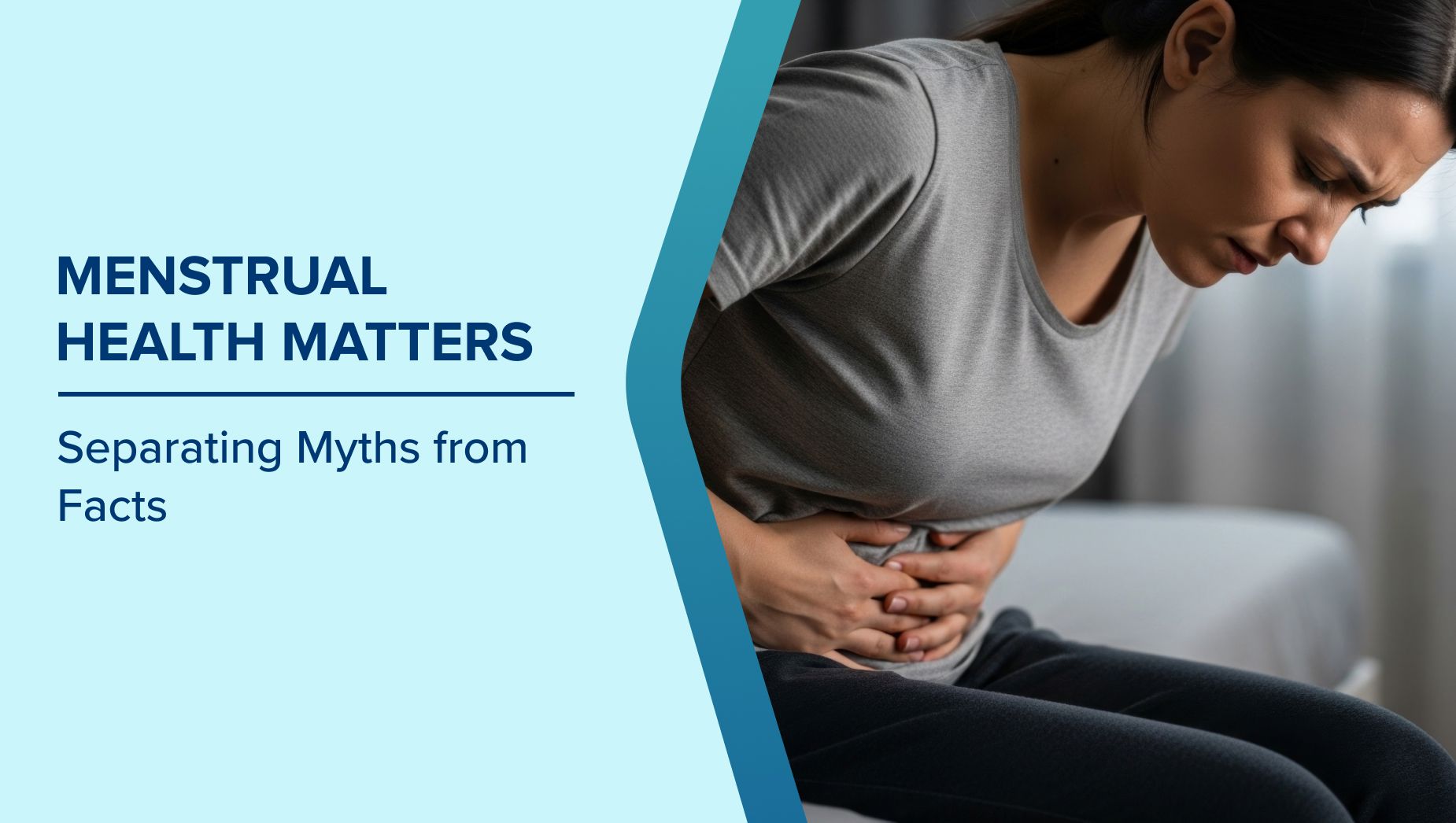
Call Us+91 926 888 0303Menstrual Health Matters: Breaking Periods Myths with Facts
By Dr. Manisha Arora in Obstetrics And Gynaecology , Robotic Surgery , Gynaecologic Laparoscopy
Sep 04 , 2025 | 2 min read
1

Menstruation is a natural process that every woman experiences, yet it is still surrounded by myths, taboos, and misinformation. These myths not only create unnecessary fear and shame but also prevent many women and girls from understanding and managing their menstrual health properly.
It’s time to break the silence and clear up some of the most common myths with facts.
Myth 1: Periods Are Dirty or Impure
Fact: Menstrual blood is not dirty. It is the same blood and tissue that lines the uterus during the monthly cycle. Menstruation is a sign of a healthy reproductive system. Treating periods as “unclean” only adds stigma and prevents open discussions about women’s health.
Myth 2: Women Shouldn’t Exercise During Periods
Fact: Gentle physical activity, such as walking, yoga, or stretching, can actually help relieve cramps, improve your mood, and reduce bloating. High-intensity exercise may be uncomfortable for some, but there is no medical reason to avoid being active during periods. In fact, exercise often makes symptoms more manageable.
Myth 3: Bathing or Washing Hair During Periods Is Harmful
Fact: There is absolutely no harm in bathing or washing your hair during menstruation. Good hygiene is essential during menstruation to prevent infections and maintain freshness. Warm showers help reduce abdominal cramps and back pain.
Myth 4: You Can’t Get Pregnant During Your Period
Fact: While the chances are lower, it is still possible to get pregnant if you have unprotected sex during your period, especially if you have a short menstrual cycle. Sperm can live inside the body for up to 5 days, so ovulation soon after a period may still lead to pregnancy.
Myth 5: Menstrual Pain Is Normal and Should Be Ignored
Fact: Mild cramping is common, but severe pain is not normal. Extremely painful periods, heavy bleeding, or cycles that disrupt daily life could be signs of conditions like endometriosis or fibroids. It’s important to consult a doctor instead of ignoring or normalising severe pain.
Myth 6: Using Tampons or Menstrual Cups Can Damage the Body
Fact: Tampons and menstrual cups are safe when used correctly. They do not damage reproductive organs or cause infertility. The only risk is if they are not changed or cleaned regularly, which can lead to infections. With proper hygiene, they are effective and eco-friendly options for period care.
Myth 7: Girls Shouldn’t Go to School or Work During Periods
Fact: Menstruation should not stop anyone from studying, working, or participating in daily activities. The stigma and lack of access to proper menstrual products are what hold girls back, not their periods. With the right care, women can continue all regular activities without restrictions.
Myth 8: Eating Sour Foods or Certain Drinks Can Affect Periods
Fact: There is no scientific evidence that eating sour foods, curd, or drinking cold water affects menstruation. What matters more is maintaining a balanced diet. Foods rich in iron, fibre, and hydration can actually help ease period symptoms.
Breaking the Stigma
Talking openly about menstruation is the first step in breaking myths. Menstrual health is an essential part of overall well-being, not something to be whispered about in shame.
- Educate young girls about periods in a positive and scientific manner from an early age.
- Encourage open conversations at home, in schools, and in the workplace.
- Support access to affordable and safe menstrual products for all women.
Final Thoughts
Menstruation is natural, healthy, and nothing to be embarrassed about. By separating myths from facts, we can help women and girls manage their periods with dignity and confidence.
Let’s replace stigma with knowledge, silence with conversations, and myths with facts, because menstrual health is human health.
Written and Verified by:

Related Blogs

Dr. Manju Khemani In Obstetrics And Gynaecology
Oct 27 , 2020 | 3 min read

Dr. Neera Aggarwal In Obstetrics And Gynaecology , Nutrition And Dietetics
Nov 07 , 2020 | 7 min read
Blogs by Doctor

What are Ovarian Cysts: Types, Symptoms & Diagnosis Options
Dr. Manisha Arora In Obstetrics And Gynaecology
Jul 04 , 2024 | 2 min read
Most read Blogs

Related Blogs
Dr. Manju Khemani In Obstetrics And Gynaecology
Oct 27 , 2020 | 3 min read
Dr. Neera Aggarwal In Obstetrics And Gynaecology , Nutrition And Dietetics
Nov 07 , 2020 | 7 min read
Blogs by Doctor
What are Ovarian Cysts: Types, Symptoms & Diagnosis Options
Dr. Manisha Arora In Obstetrics And Gynaecology
Jul 04 , 2024 | 2 min read
Most read Blogs