 WhatsApp Us (24/7)
 +91 926 888 0303 (24/7)


To Book an Appointment
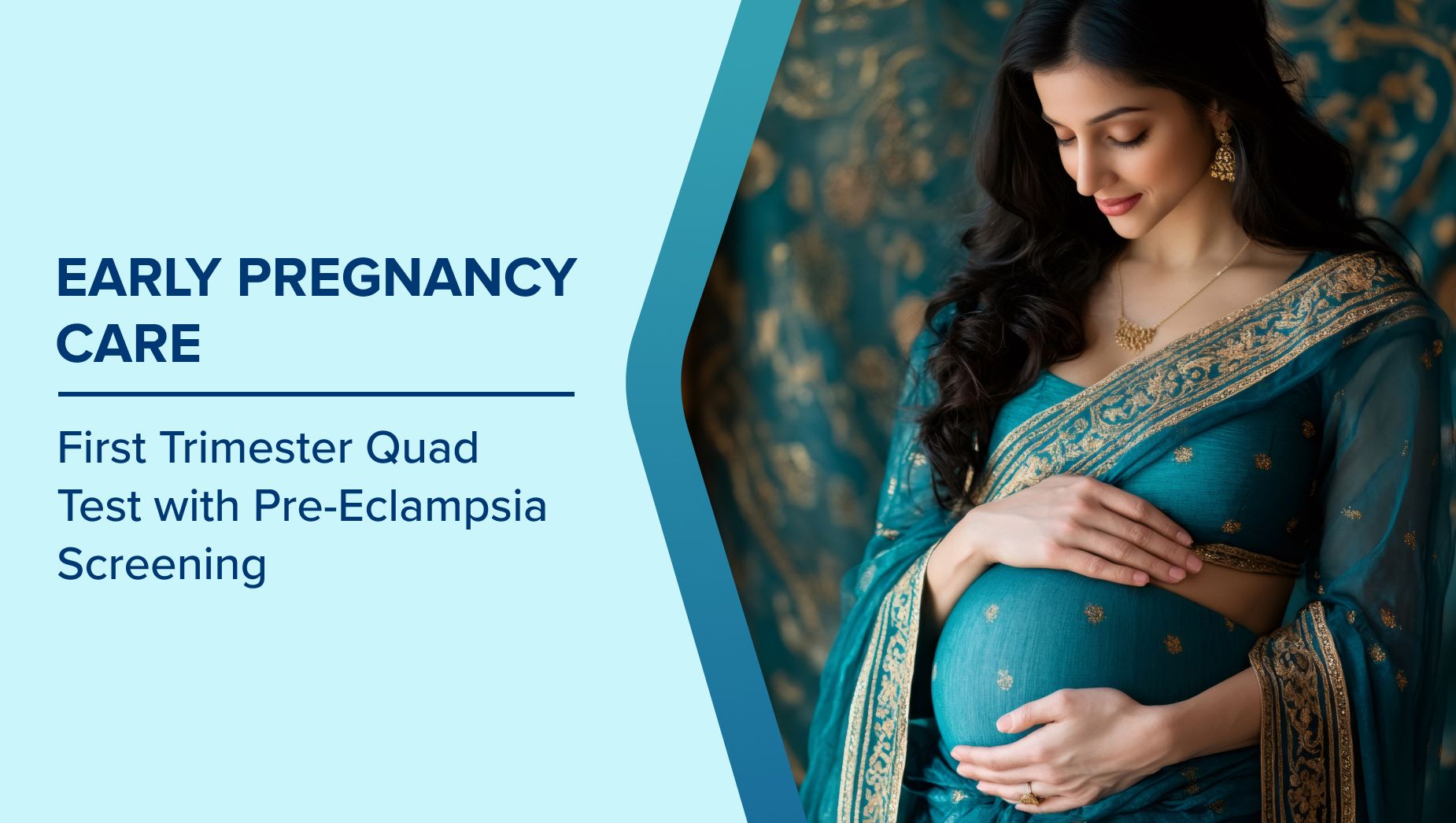
Call Us+91 926 888 0303Early Pregnancy Care: First Trimester Quad Test with Pre-Eclampsia Screening
By Dr. Manisha Arora in Obstetrics And Gynaecology , Robotic Surgery , Gynaecologic Laparoscopy
Oct 22 , 2025 | 2 min read

Pregnancy is one of the most beautiful journeys in a woman’s life, but it also comes with the responsibility of safeguarding the health of both mother and baby. Thanks to modern prenatal screening, doctors can now detect potential risks early and provide timely interventions. At Max Hospital, Gurugram, the combination of the First Trimester Quad Test with Pre-Eclampsia screening has become a game-changer, ensuring safer pregnancies and healthier outcomes.
What is the First Trimester Quad Test?
Traditionally, the quad test was performed in the second trimester to screen for chromosomal abnormalities in the baby, including Down syndrome (trisomy 21), Edwards syndrome (trisomy 18), and neural tube defects. Today, advancements have made it possible to carry out this test in the first trimester.
The First Trimester Quad Test measures four key markers in the mother’s blood:
- Alpha-fetoprotein (AFP)
- Human chorionic gonadotropin (HCG)
- Unconjugated estriol (uE3)
- Inhibin-A
By analysing these markers early, doctors at Max Hospital, Gurugram, can estimate the risk of chromosomal and developmental conditions, giving parents more time to make informed decisions and plan for a healthy pregnancy.
Understanding Pre-Eclampsia Screening
Pre-eclampsia is a serious pregnancy complication marked by high blood pressure and potential organ damage, usually affecting the liver and kidneys. It typically develops after 20 weeks of pregnancy and, if left undiagnosed, can pose significant risks to both mother and baby.
Symptoms may include swelling, headaches, vision problems, and rapid weight gain, though pre-eclampsia can often remain silent until it becomes severe. First trimester screening at Max Hospital, Gurugram, allows doctors to identify women at higher risk early and start preventive measures such as:
- Low-dose aspirin
- Lifestyle modifications
- Closer monitoring throughout pregnancy
Why Combining the Two Matters
When the First Trimester Quad Test is combined with Pre-Eclampsia screening, it provides a holistic view of pregnancy health. This dual approach offers:
- Early detection of chromosomal risks in the baby
- Prediction and prevention of pre-eclampsia, reducing complications like premature birth or growth restriction
- Personalised care plans tailored to each mother’s risk profile
- Peace of mind for parents, enabling them to enjoy their pregnancy with confidence
How This Transforms Pregnancy Care
Earlier Detection, Better Outcomes
Early detection of potential concerns allows doctors and parents more time to act. Preventive treatment for pre-eclampsia started before symptoms appear can significantly lower risks for both mother and baby.
Reduced Emergency Complications
Identifying risks in advance enables closer monitoring and proactive management, reducing maternal complications, emergency interventions, and neonatal intensive care admissions.
Empowered Parents
Understanding potential risks equips parents to prepare emotionally, medically, and financially for their baby’s arrival.
Improved Long-Term Health
Babies born to mothers whose pre-eclampsia was managed early are less likely to face growth delays, premature delivery, or birth complications.
Conclusion
The combination of the First Trimester Quad Test and Pre-Eclampsia screening represents a major leap forward in prenatal care at Max Hospital, Gurugram. Early risk detection allows healthcare providers to take proactive steps, ensuring safer pregnancies and healthier babies.
Modern pregnancy care is no longer just about managing complications—it’s about preventing them before they arise. This powerful combination transforms pregnancy from a period of anxiety into a journey of reassurance, confidence, and preparedness.
Written and Verified by:

Related Blogs

Dr. Manju Khemani In Obstetrics And Gynaecology
Oct 27 , 2020 | 3 min read

Dr. Neera Aggarwal In Obstetrics And Gynaecology , Nutrition And Dietetics
Nov 07 , 2020 | 7 min read
Blogs by Doctor

What are Ovarian Cysts: Types, Symptoms & Diagnosis Options
Dr. Manisha Arora In Obstetrics And Gynaecology
Jul 04 , 2024 | 2 min read
Menstrual Health Matters: Breaking Periods Myths with Facts
Dr. Manisha Arora In Obstetrics And Gynaecology , Robotic Surgery , Gynaecologic Laparoscopy
Sep 04 , 2025 | 2 min read
Most read Blogs

Related Blogs
Dr. Manju Khemani In Obstetrics And Gynaecology
Oct 27 , 2020 | 3 min read
Dr. Neera Aggarwal In Obstetrics And Gynaecology , Nutrition And Dietetics
Nov 07 , 2020 | 7 min read
Blogs by Doctor
What are Ovarian Cysts: Types, Symptoms & Diagnosis Options
Dr. Manisha Arora In Obstetrics And Gynaecology
Jul 04 , 2024 | 2 min read
Menstrual Health Matters: Breaking Periods Myths with Facts
Dr. Manisha Arora In Obstetrics And Gynaecology , Robotic Surgery , Gynaecologic Laparoscopy
Sep 04 , 2025 | 2 min read
Most read Blogs