 WhatsApp Us (24/7)
 +91 926 888 0303 (24/7)


To Book an Appointment
Call Us+91 926 888 0303Low-DMAP Diet: Benefits, Foods to Eat & Avoid, Tips, and Myths
By Dr. Brajendra Prasad Singh in Gastroenterology, Hepatology & Endoscopy
Jan 05 , 2026 | 4 min read

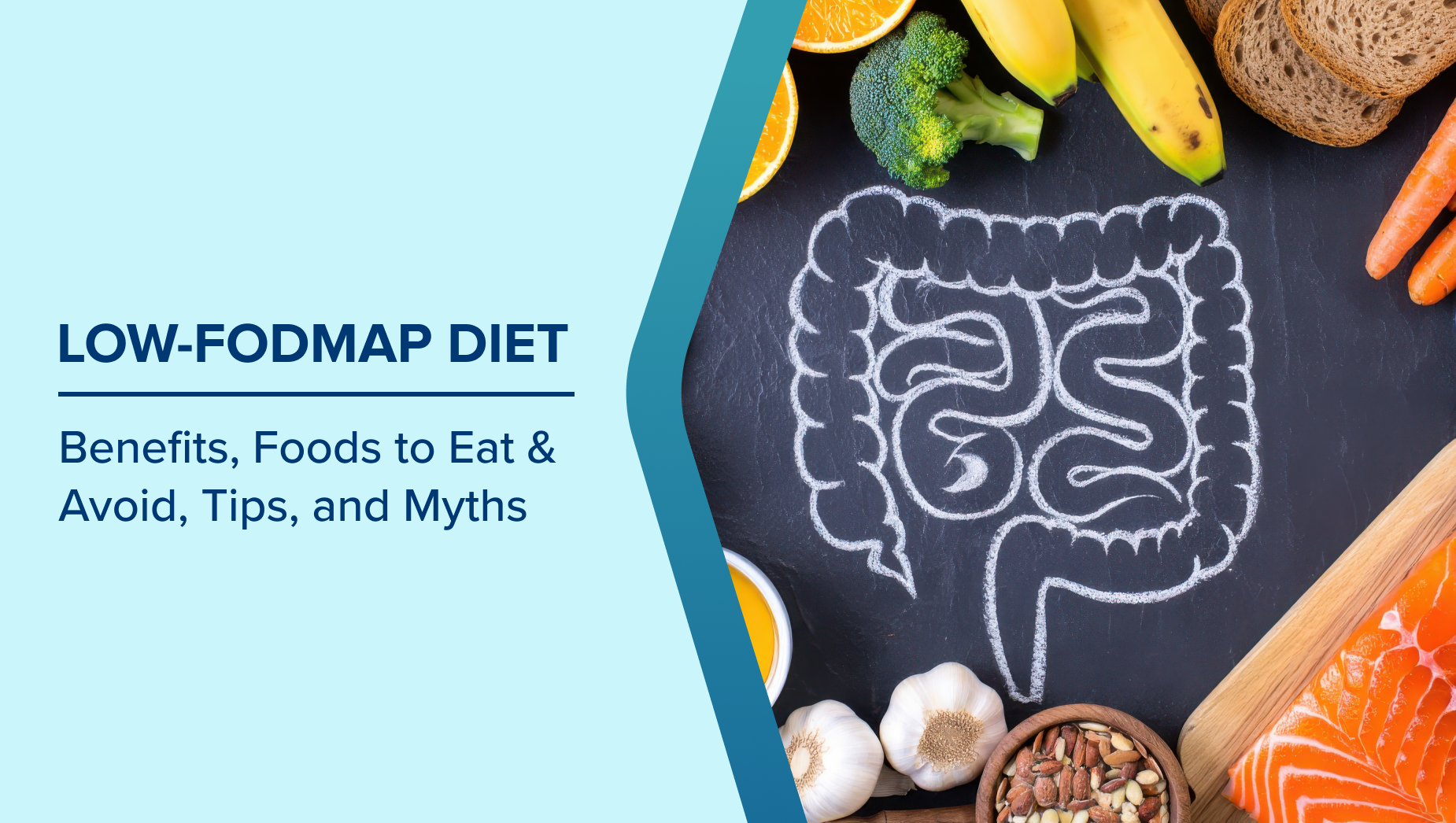
Irritable Bowel Syndrome (IBS) can be a frustrating and often painful condition that affects daily life. Bloating, gas, stomach pain, and irregular bowel movements make it difficult to enjoy meals or social gatherings. Fortunately, the low-FODMAP diet has emerged as an effective solution for managing IBS symptoms. This scientifically backed diet helps identify food triggers and reduces digestive distress, making life more comfortable for IBS patients.
If you struggle with IBS and are looking for a healthy dietary approach, this guide will help you understand the low-FODMAP diet, its benefits, and how to follow it effectively.
What is the Low-FODMAP Diet?
The low-FODMAP diet is designed to reduce fermentable carbohydrates that can cause digestive discomfort. FODMAPs stand for:
- Fermentable: Broken down by gut bacteria, leading to gas and bloating.
- Oligosaccharides: Found in wheat, onions, garlic, and legumes.
- Disaccharides: Present in dairy products like milk, cheese, and yogurt (lactose).
- Monosaccharides: Found in high-fructose foods like honey and apples.
- Polyols: Sugar alcohols found in sugar-free gum, certain fruits, and artificial sweeteners.
These short-chain carbohydrates are poorly absorbed in the small intestine, leading to water retention, gas production, and gut irritation. Eliminating or reducing these foods can help ease IBS symptoms significantly.
How Does the Low-FODMAP Diet Work?
The low-FODMAP diet is a structured three-phase approach:
Elimination Phase (2-6 Weeks)
- All high-FODMAP foods are strictly avoided.
- The goal is to reduce IBS symptoms and allow the gut to settle.
Reintroduction Phase (6-8 Weeks)
- High-FODMAP foods are reintroduced one at a time in small amounts.
- This phase helps identify which foods trigger symptoms and which are well tolerated.
Maintenance Phase (Long-Term)
- A personalised diet is developed, including tolerated foods while avoiding triggers.
- The goal is to balance gut health and nutrition without unnecessary restrictions.
Benefits of a Low-FODMAP Diet for IBS Patients
- Reduces Bloating and Gas: Since high-FODMAP foods ferment in the gut, they produce excess gas. Cutting them out helps reduce bloating and discomfort.
- Improves Bowel Movements: The diet can help regulate digestion, whether you experience diarrhea, constipation, or alternating symptoms.
- Identifies Food Triggers: Instead of guessing which foods worsen your IBS, the low-FODMAP diet provides a systematic way to identify problem foods.
- Supports Gut Health: While certain foods are removed from the diet initially, the reintroduction phase ensures a diverse and balanced diet that supports gut bacteria.
- Enhances Quality of Life: Less discomfort means more confidence in eating out, traveling, and enjoying meals without fear of IBS flare-ups.
Low-FODMAP Foods: What to Eat and Avoid
Low-FODMAP (Safe) Foods
These foods are gentle on digestion and ideal for an IBS-friendly diet:
- Proteins: Chicken, eggs, fish, firm tofu
- Vegetables: Carrots, zucchini, bell peppers, spinach
- Fruits: Bananas, grapes, oranges, strawberries
- Dairy alternatives: Almond milk, lactose-free yogurt
- Grains: Quinoa, rice, oats, gluten-free bread
High-FODMAP (Trigger) Foods
These foods may worsen IBS symptoms and should be avoided or tested carefully:
- Dairy: Milk, soft cheese, ice cream
- Vegetables: Onions, garlic, cauliflower, Brussels sprouts
- Fruits: Apples, pears, cherries, watermelon
- Legumes: Beans, lentils, chickpeas
- Sweeteners: Sorbitol, mannitol, xylitol (found in sugar-free gum)
Practical Tips for Following a Low-FODMAP Diet
Smart Grocery Shopping
- Check food labels for hidden FODMAP ingredients like high-fructose corn syrup.
- Choose fresh, whole foods over processed options.
Eating Out with Confidence
- Ask for meals without onions, garlic, or sauces that may contain high-FODMAP ingredients.
- Opt for grilled proteins and simple sides like rice or potatoes.
Meal Prep for Success
- Cook in batches and store FODMAP-friendly meals for convenience.
- Experiment with herbs and spices (like basil, parsley, or chives) for flavor without digestive issues.
Common Myths About the Low-FODMAP Diet
Myth 1: The Low-FODMAP Diet is a Permanent Solution
Fact: It’s not meant to be followed forever. Once triggers are identified, a balanced diet should be maintained.
Myth 2: It’s Just Another Fad Diet
Fact: The low-FODMAP diet is scientifically supported and recommended by gastroenterologists for IBS management.
Myth 3: It’s Too Restrictive
Fact: While the elimination phase is strict, the goal is to reintroduce as many foods as possible without causing symptoms.
Conclusion
The low-FODMAP diet is a game-changer for people with IBS, offering relief from bloating, gas, and unpredictable digestion. By identifying food triggers and making informed dietary choices, IBS sufferers can regain control of their gut health and overall well-being.
If you're struggling with IBS, consult a healthcare professional or a dietitian to help tailor the low-FODMAP diet to your needs. Small changes in your diet can make a big difference in your digestive health and daily comfort!
Frequently Asked Questions
How long does it take to see results on a low-FODMAP diet?
Most people notice improvements within a few days to two weeks after starting the elimination phase.
Can I drink coffee on a low-FODMAP diet?
Yes, but stick to black coffee or lactose-free alternatives. Avoid high-FODMAP sweeteners and creamers.
Do I need to avoid gluten on a low-FODMAP diet?
Not necessarily. Only wheat-based foods with high FODMAPs should be limited. Gluten itself is not a FODMAP.
Is the low-FODMAP diet safe for long-term use?
The elimination phase is short-term. To support gut health long-term, a personalised, balanced diet should be followed.
Can the low-FODMAP diet cure IBS?
No, but it effectively manages symptoms, improving the quality of life for many IBS sufferers.
Written and Verified by:

Related Blogs

Dr. Nivedita Pandey In Gastroenterology, Hepatology & Endoscopy , Liver Transplant and Biliary Sciences
Nov 07 , 2020 | 2 min read
Dr. Nivedita Pandey In Gastroenterology, Hepatology & Endoscopy , Liver Transplant and Biliary Sciences
Nov 07 , 2020 | 2 min read
Blogs by Doctor

All You Need to Know about Glycogen Storage Disease
Dr. Brajendra Prasad Singh In Gastroenterology, Hepatology & Endoscopy
Feb 13 , 2024 | 7 min read

Gastric Problems: Causes, Symptoms & Treatment
Dr. Brajendra Prasad Singh In Gastroenterology, Hepatology & Endoscopy
Mar 27 , 2024 | 5 min read
Most read Blogs


Related Blogs
Dr. Nivedita Pandey In Gastroenterology, Hepatology & Endoscopy , Liver Transplant and Biliary Sciences
Nov 07 , 2020 | 2 min read
Dr. Nivedita Pandey In Gastroenterology, Hepatology & Endoscopy , Liver Transplant and Biliary Sciences
Nov 07 , 2020 | 2 min read
Blogs by Doctor
All You Need to Know about Glycogen Storage Disease
Dr. Brajendra Prasad Singh In Gastroenterology, Hepatology & Endoscopy
Feb 13 , 2024 | 7 min read
Gastric Problems: Causes, Symptoms & Treatment
Dr. Brajendra Prasad Singh In Gastroenterology, Hepatology & Endoscopy
Mar 27 , 2024 | 5 min read
Most read Blogs