 WhatsApp Us (24/7)
 +91 926 888 0303 (24/7)


To Book an Appointment
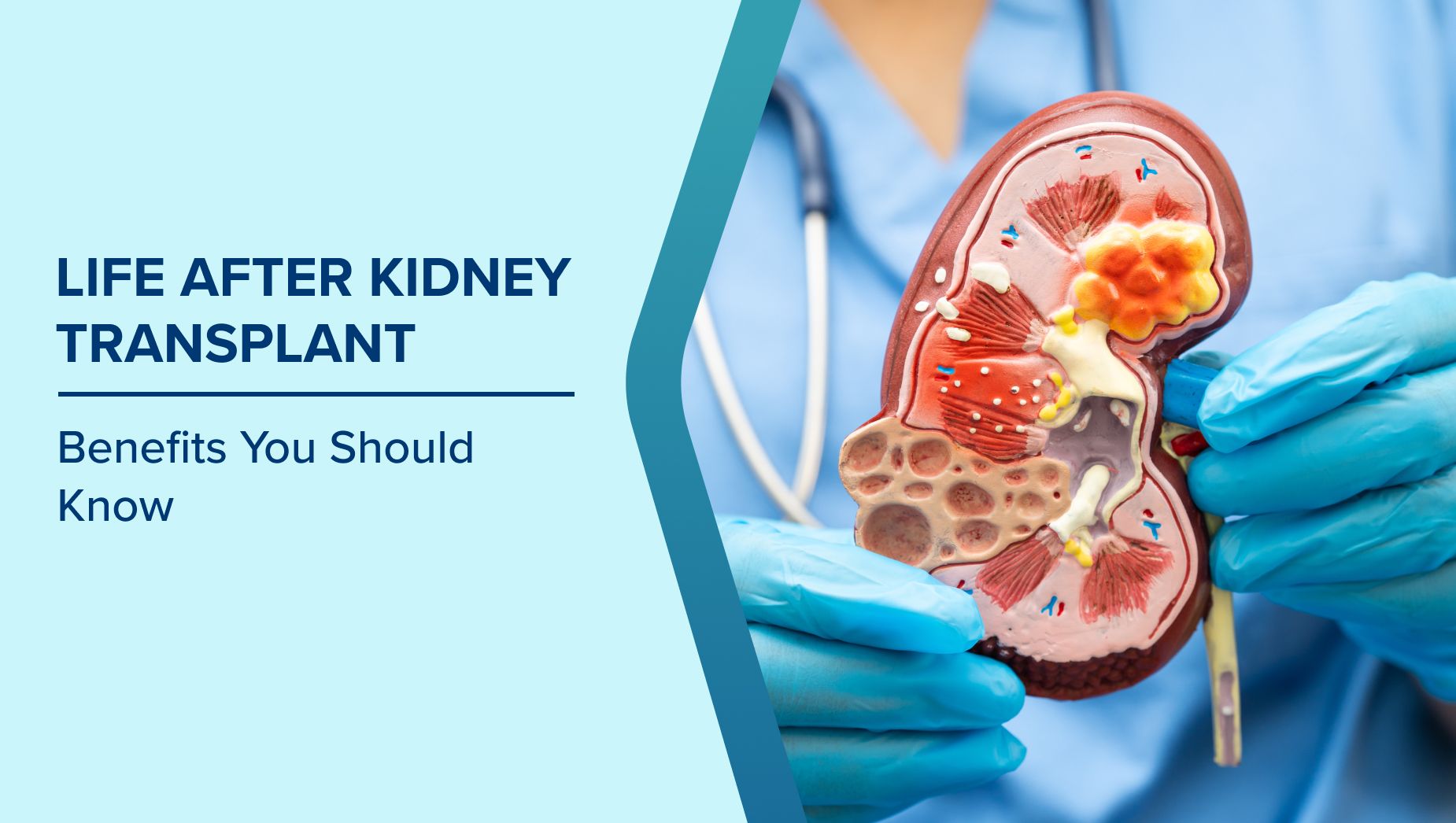
Call Us+91 926 888 0303Life After Kidney Transplant: Benefits You Should Know
By Dr. Geet Bajpai in Nephrology
Jan 07 , 2026 | 5 min read

A kidney transplant is often described as a second chance at life. For people living with kidney failure, the procedure brings new hope by replacing dialysis with the possibility of a healthier and more active future. While dialysis helps patients survive, a transplant can help them truly live again.
If you are preparing for a kidney transplant or supporting someone who is, you might wonder what life looks like afterwards. How will daily routines change? What are the benefits compared to dialysis? What can you expect in terms of health and emotional well-being?
Why a Kidney Transplant Matters
Kidneys filter waste and excess fluids from the body. When they stop working, dangerous toxins build up, leading to chronic kidney disease (CKD) or kidney failure. Dialysis can take over this function, but it is time-consuming, restrictive, and not a complete replacement for a healthy kidney.
A kidney transplant is considered the gold standard treatment for end-stage kidney disease. Compared to dialysis, it offers longer survival, improved quality of life, and freedom from the constant burden of treatment sessions.
Dialysis can extend life but often limits diet, energy, and time. A transplant, if successful, restores more natural kidney function, allowing greater independence and fewer restrictions.
Benefits of Life After Kidney Transplant
Life after a kidney transplant is marked by a range of improvements. From physical health to emotional strength, the benefits are often described as life-changing.
Improved Quality of Life
One of the most significant kidney transplant benefits is the restoration of normalcy. Many patients find they can return to work, travel, enjoy meals with fewer restrictions, and take part in social activities again.
Unlike dialysis, which ties patients to treatment schedules multiple times a week, a transplant allows greater freedom. Patients regain energy, sleep better, and feel less fatigued.
Better Long-Term Survival
Research consistently shows that people who undergo kidney transplants live longer compared to those who remain on dialysis. A functioning transplanted kidney can last many years, sometimes decades, depending on individual health and care after surgery.
Freedom from Dialysis
Dialysis requires hours at a centre or at home, strict fluid restrictions, and a limited diet. After a transplant, many of these restrictions ease. Patients often say they feel “free” again and no longer live around a dialysis schedule.
More Energy and Stamina
Chronic kidney disease and dialysis often cause weakness, anaemia, and low energy. A successful transplant helps restore red blood cell production, leading to more stamina. Patients often notice they can walk longer distances, exercise, and enjoy daily activities without constant fatigue.
Improved Mental and Emotional Health
Dialysis can take a toll on mental health, leading to feelings of depression, isolation, or anxiety. After a transplant, many patients report reduced stress, greater optimism, and renewed motivation to pursue hobbies, careers, and relationships.
Better Heart and Bone Health
Kidney failure often leads to heart problems, weak bones, and mineral imbalances. A working transplanted kidney helps regulate calcium, phosphorus, and other electrolytes, protecting both the heart and bones.
Fewer Dietary Restrictions
Dialysis patients follow strict fluid limits and avoid foods high in potassium, sodium, and phosphorus. After a kidney transplant, many of these restrictions are relaxed, though patients still need to maintain a balanced diet to protect the new kidney.
Longer Lifespan Compared to Dialysis
The success rate of kidney transplants has improved greatly in recent years. Most patients live longer with a functioning kidney than those who remain on dialysis. Living donor transplants often last longer than deceased donor transplants, but both provide significant survival benefits.
Recovery After Kidney Transplant
Life after a kidney transplant also involves adjustments. Patients need time to recover, adapt to new medications, and adopt healthy habits to protect the new kidney.
Typical recovery journey includes:
- Hospital stay: Usually 1 to 2 weeks after surgery.
- Medications: Immunosuppressants are required for life to prevent the body from rejecting the kidney.
- Follow-ups: Regular blood tests and doctor visits to monitor kidney function.
- Lifestyle changes: Eating a healthy diet, avoiding infections, exercising moderately, and staying hydrated.
Lifestyle Improvements After Kidney Transplant
The benefits go beyond health. Many patients share personal stories of how a transplant changed their lives in meaningful ways.
- Social freedom: No more planning life around dialysis sessions.
- Travel opportunities: Easier to travel without the burden of arranging dialysis centres.
- Career growth: Ability to work more hours, take on new projects, and maintain steady employment.
- Family time: More energy and flexibility to spend with loved ones.
- Physical activities: Sports, exercise, and hobbies become possible again.
Emotional and Psychological Benefits
For many, the transplant represents hope, gratitude, and relief. Patients often describe the emotional benefits as equally important as the physical ones.
- Relief from the stress of dialysis
- Renewed confidence and independence
- Emotional healing for family members who also carried the burden of care
- A sense of gratitude toward donors and medical teams
Long-Term Success of Kidney Transplant
A kidney transplant is not a cure, but with good care, it can provide long-lasting benefits.
- Living donor kidneys usually last 15–20 years or more.
- Deceased donor kidneys often last 10–15 years.
- Success depends on regular follow-ups, medication adherence, and healthy lifestyle habits.
What Patients Should Know for Long-Term Health
To make the most of life after a kidney transplant, patients should:
- Take all medications exactly as prescribed.
- Attend regular follow-up visits.
- Maintain a healthy diet and weight.
- Exercise moderately but regularly.
- Avoid smoking and limit alcohol.
- Protect against infections by practising good hygiene.
Conclusion
Life after a kidney transplant brings a new chapter filled with opportunities and hope. The benefits go far beyond medical recovery. Patients experience freedom from dialysis, improved energy, better emotional well-being, and longer life expectancy.
While recovery requires commitment, the rewards are life-changing. With the right care, discipline, and support, a kidney transplant is not just about survival but about truly living again.
Frequently Asked Questions
Is there an age limit for a kidney transplant?
There is no strict age limit, but suitability depends on overall health. Many people in their 60s and even 70s successfully undergo transplants if they are otherwise healthy.
How much does a kidney transplant cost compared to dialysis?
The initial cost of a transplant is higher, but in the long run, it is often more cost-effective than lifelong dialysis. Medication expenses remain, but overall quality of life improves significantly.
Are there risks after a kidney transplant?
Yes, risks include organ rejection, infections, or side effects of immunosuppressant drugs. However, these are manageable with regular follow-up and timely medical care.
Can women have children after a kidney transplant?
Yes, many women successfully conceive and deliver healthy babies after a transplant, but they must work closely with their doctors to manage pregnancy safely.
What lifestyle habits should be avoided after a kidney transplant?
Patients should avoid smoking, excessive alcohol, junk food, skipping medicines, and unprotected exposure to infections. These habits can shorten the life of the transplanted kidney.
Does a kidney transplant improve mental health?
Yes, patients often feel happier, more confident, and socially active after a successful transplant.
Is life normal after a kidney transplant?
Yes, most people return to normal life, including work, family activities, and travel. However, they must follow medical advice and never skip prescribed medicines.
What is the life expectancy after a kidney transplant?
It varies by age, health condition, and donor type. On average, patients live significantly longer compared to those on dialysis.
Written and Verified by:

Related Blogs

Dr. Puneet Arora In Nephrology
Nov 11 , 2020 | 2 min read

Nov 11 , 2020 | 9 min read
Blogs by Doctor

Acute Kidney Injury & Glomerular Disorders: Symptoms & Treatment
Apr 02 , 2025 | 3 min read

Most read Blogs


Related Blogs
Dr. Puneet Arora In Nephrology
Nov 11 , 2020 | 2 min read
Nov 11 , 2020 | 9 min read
Blogs by Doctor
Acute Kidney Injury & Glomerular Disorders: Symptoms & Treatment
Apr 02 , 2025 | 3 min read
Most read Blogs