 WhatsApp Us (24/7)
 +91 926 888 0303 (24/7)



To Book an Appointment
Call Us+91 926 888 0303Kidney Pain: Symptoms, Causes and Treatment Approaches
By Dr. Kulwant Singh in Nephrology
Jan 16 , 2026
2

Pain in the lower back, especially near the sides or just below the ribs, is often mistaken for muscle strain or posture-related discomfort, but in some cases, it could actually be pain originating from the kidneys. Kidney pain is not a condition in itself but a symptom of something underlying, such as an infection, stones, or inflammation. Because these causes can vary widely in severity, recognising their signs early on can help prevent complications. This blog explores the possible causes of kidney pain, how doctors identify the underlying issue, and the treatment options available to manage it effectively. Let’s start by understanding the difference between back pain and kidney pain.
How is Kidney Pain Different from Back Pain?
Kidney pain and back pain can feel similar, but they differ in location, intensity, and associated symptoms. Kidney pain usually occurs deeper and higher up, just below the ribs or on either side of the spine, and may spread to the abdomen, groin, or thigh. It often comes with other symptoms such as fever, nausea, changes in urine colour, or pain during urination.
Back pain, on the other hand, is generally felt in the lower back and is linked to muscles, nerves, or spinal issues. It tends to worsen with movement, bending, or lifting heavy objects, and usually improves with rest or posture correction.
What Causes Kidney Pain?
Kidney pain can result from several underlying conditions that affect one or both kidneys. The pain may be dull, sharp, or cramping, depending on the cause. Below are the common reasons for pain in the kidneys:
Kidney Stones
Kidney stones are one of the most common causes of kidney pain. These hard mineral deposits form inside the kidneys and can move into the urinary tract, causing sudden, severe pain. The pain usually starts in the side or back and can radiate to the lower abdomen or groin. It may come in waves and fluctuate in intensity. Other symptoms include nausea, blood in the urine, frequent urination, or a burning sensation during urination.
Kidney Infection (Pyelonephritis)
A kidney infection occurs when bacteria from a urinary tract infection (UTI) reach the kidneys. The pain is often described as deep, dull, and one-sided, accompanied by fever, chills, fatigue, and discomfort while urinating. Without prompt treatment, the infection can spread to the bloodstream and become life-threatening.
Urinary Tract Obstruction
A blockage in the urinary tract prevents urine from flowing out of the kidneys, leading to swelling and pressure. This can be caused by kidney stones, blood clots, or narrowing of the urinary passages. Over time, the kidney may become enlarged (hydronephrosis), resulting in persistent pain and reduced kidney function if left untreated.
Polycystic Kidney Disease
Polycystic kidney disease is a hereditary condition in which multiple fluid-filled cysts develop in the kidneys. As these cysts grow, they can enlarge the kidneys and cause a dull ache or pressure in the lower back or sides. The condition may also lead to high blood pressure, blood in urine, and a feeling of heaviness in the abdomen.
Kidney Injury or Trauma
Any direct impact or accident involving the lower back or abdomen can damage kidney tissues. Pain from trauma may appear immediately or gradually, often accompanied by visible bruising or blood in the urine. Severe injuries can cause internal bleeding and require urgent medical care.
Blood Clots or Reduced Blood Flow to the Kidneys
When blood flow to the kidneys is blocked or reduced due to a clot or narrowing of the arteries, it can cause sharp and intense pain. This condition, known as renal infarction, can damage kidney tissue permanently if not treated quickly.
Kidney Tumours or Cysts
Simple kidney cysts are usually harmless and may not cause any symptoms. However, large cysts or tumours can put pressure on surrounding tissues, leading to dull, persistent pain. In rare cases, kidney pain may be associated with kidney cancer, often accompanied by fatigue, loss of appetite, weight loss, or blood in the urine.
Other Possible Causes
Several other conditions may also lead to pain in the kidney area, including:
- Hydronephrosis: This occurs when urine builds up in the kidneys due to an obstruction, causing swelling and pressure. The pain is often accompanied by nausea or a frequent urge to urinate.
- Vesicoureteral Reflux (VUR): A condition in which urine flows backward from the bladder to the kidneys. It is more common in children and can lead to repeated infections or kidney damage if untreated.
- Chronic Kidney Infection or Inflammation: Recurrent infections or inflammation (such as glomerulonephritis) can cause long-term kidney damage and dull, persistent pain.
- Kidney Abscess: A pocket of pus may form inside or around the kidney following a severe infection. This leads to continuous pain, fever, and chills.
- Dehydration: In some cases, dehydration can cause discomfort in the kidney region as it reduces urine output and increases the risk of stone formation.
- Medications and Toxins: Overuse of certain painkillers or exposure to toxic substances can strain the kidneys and occasionally cause discomfort or tenderness.
How is the Cause of Kidney Pain Diagnosed?
Diagnosing the cause of kidney pain involves several steps to determine if the discomfort is truly coming from the kidneys or another nearby area such as the muscles, spine, or lower ribs.
Medical History and Physical Examination
Doctors usually begin by taking a detailed medical history to learn when the pain started, how severe it is, and if it is associated with symptoms such as fever, nausea, or painful urination. During the physical examination, gentle pressure or tapping over the lower back and sides helps check for tenderness near the kidneys.
Urine Tests
A urine analysis is often the first step in identifying what might be causing the pain. It can reveal signs of infection, blood, protein, or other abnormalities. The presence of pus cells and bacteria usually points to a urinary tract infection, while blood in the urine can suggest stones or inflammation in the kidneys.
Blood Tests
Blood tests help assess kidney function by measuring waste products such as creatinine and urea. Higher-than-normal levels of these substances may indicate reduced kidney function or an underlying disease.
Imaging Studies
Imaging plays a vital role in pinpointing the exact cause of kidney pain.
- Ultrasound: This non-invasive test can detect stones, swelling, or blockages in the kidneys or urinary tract.
- CT Scan: A more detailed imaging technique that helps identify smaller stones, cysts, or tumours.
- MRI: Used in selected cases where soft tissue details or complex abnormalities need to be studied more closely.
Additional Tests
If the cause is still unclear, further investigations may be recommended.
- Urine culture: Identifies the bacteria responsible for infection and helps guide antibiotic treatment.
- Nuclear scans: Assess how well the kidneys are functioning and how effectively urine drains from them.
- Kidney biopsy: Performed in specific cases to check for inflammation, scarring, or tumours.
Together, these tests help determine the exact cause of kidney pain so that appropriate treatment can be planned.
Symptoms That May Accompany Kidney Pain
Kidney pain rarely occurs on its own. It is often accompanied by other symptoms that point to an underlying problem in the urinary system or the kidneys themselves. The nature and combination of symptoms can vary depending on the cause. Common associated symptoms include:
- Pain spreading to the abdomen or groin: In cases like kidney stones, the pain can radiate towards the front of the abdomen or down to the groin as the stone moves through the urinary tract.
- Fever and chills: These are common signs of a kidney infection or inflammation.
- Changes in urination: There may be a frequent urge to urinate, pain or burning sensation during urination, cloudy urine, or visible traces of blood.
- Nausea and vomiting: These symptoms often appear when the pain is severe or the kidneys are unable to filter waste properly.
- Swelling in the face, hands, or legs: Fluid retention caused by reduced kidney function can lead to puffiness or oedema.
- Fatigue or weakness: When the kidneys are not functioning efficiently, waste buildup in the blood can cause tiredness and general discomfort.
What are the Treatment Approaches for Kidney Pain?
Treatment for kidney pain aims to address the underlying cause and relieve discomfort effectively. Once the reason for the pain is identified, doctors choose suitable methods to manage infection, remove blockages, or restore normal kidney function.
Medications
If the pain is caused by a kidney infection, antibiotics are prescribed to clear the infection. Pain relievers and anti-inflammatory medicines may be recommended to control discomfort and reduce swelling. These should only be taken as advised by a doctor, especially in people with existing kidney disease.
Hydration Therapy
Increasing fluid intake helps flush out bacteria and small stones from the urinary tract. Adequate hydration also supports kidney function and prevents the formation of new stones. In cases of severe infection or dehydration, fluids may be given intravenously in a hospital setting.
Procedures for Kidney Stones
When stones are large or cause obstruction, medical procedures are required to remove or break them.
- Extracorporeal shock wave lithotripsy (ESWL): Sound waves are used to break stones into smaller pieces that can pass naturally.
- Ureteroscopy: A thin tube with a camera is inserted through the urinary tract to locate and remove stones.
- Percutaneous nephrolithotomy: A minimally invasive procedure used for large or complex stones that cannot pass on their own.
Drainage or Surgical Interventions
In cases of cysts, abscesses, or urinary obstruction, procedures may be needed to drain infected fluid or relieve blockage. Surgery may also be required for structural problems, kidney injury, or tumours affecting kidney function.
Ongoing Medical Management
Chronic kidney conditions, such as polycystic kidney disease or long-term inflammation, often need continuous medical supervision. Treatment focuses on controlling symptoms, slowing disease progression, and monitoring kidney function through regular check-ups and tests.
Lifestyle and Supportive Measures
Supportive care plays an important role in preventing recurrence and maintaining kidney health. Drinking enough water, limiting salt and processed foods, avoiding self-medication, and following a balanced diet help reduce kidney strain. Regular follow-up visits ensure timely detection of any complications.
Tips to Keep Your Kidneys Healthy
Healthy kidneys play a crucial role in removing waste and excess fluid from the body. Taking a few preventive steps can go a long way in protecting their function and reducing the risk of future problems such as stones, infections, or chronic kidney disease.
- Stay Hydrated: Drinking enough water helps the kidneys filter toxins efficiently and prevents stone formation. Aim to drink sufficient fluids throughout the day, especially in hot weather or after physical activity.
- Eat a Balanced Diet: Include plenty of fruits, vegetables, and whole grains in daily meals. Limit foods high in salt, sugar, and unhealthy fats, as these can strain the kidneys. Reducing the intake of processed and packaged foods also helps maintain good kidney function.
- Monitor Blood Pressure and Blood Sugar Levels: High blood pressure and diabetes are leading causes of kidney damage. Regularly checking these levels and keeping them within the recommended range can help prevent long-term complications.
- Avoid Excessive Use of Painkillers: Frequent or long-term use of over-the-counter pain medicines, especially non-steroidal anti-inflammatory drugs (NSAIDs), can harm the kidneys. These should only be taken under medical guidance.
- Maintain a Healthy Weight: Being overweight increases the risk of high blood pressure, diabetes, and kidney disease. Staying active with regular exercise and maintaining a balanced diet can help protect kidney health.
- Avoid Smoking and Limit Alcohol: Smoking reduces blood flow to the kidneys and can worsen existing kidney problems. Excessive alcohol intake also adds strain to the kidneys and liver. Quitting smoking and drinking in moderation, if at all, benefits overall health.
- Get Regular Health Check-ups: Routine health checks, including kidney function tests, can help detect early signs of problems even before symptoms appear. Early diagnosis ensures timely treatment and prevents complications.
When Should You See a Doctor?
Kidney pain should never be ignored, especially when it is persistent or accompanied by other concerning symptoms. You should consult a doctor if you experience any of the following:
- Persistent or severe pain in the lower back, sides, or abdomen
- Pain that radiates to the groin or comes in waves, suggesting possible kidney stones
- Blood in the urine or urine that appears cloudy or dark
- Fever, chills, or body aches along with back pain, which could indicate infection
- Frequent, painful, or urgent need to urinate
- Swelling around the eyes, hands, or feet
- Unexplained fatigue, nausea, or loss of appetite
Anyone with diabetes, high blood pressure, or a history of kidney disease should be especially cautious, as these conditions increase the risk of kidney complications.
Consult Today
Kidney pain can be easy to overlook or mistake for something minor, but it’s often your body’s way of asking for attention. If you’ve been feeling discomfort in your lower back or side, especially with symptoms like fever, nausea, or changes in urination, it’s worth getting it checked rather than waiting for it to pass. You can book a consultation with a nephrologist at Max Hospital to understand what’s causing your pain and get the right treatment plan.
Frequently Asked Questions
Can kidney pain come and go, or is it usually constant?
Kidney pain can vary depending on the cause. Infections often cause a dull, continuous ache, whereas stones may trigger sharp, wave-like pain that comes and goes as the stone moves.
Is it possible for kidney pain to occur without other symptoms?
Yes, in the early stages of some conditions, kidney pain may appear alone. However, other symptoms like changes in urination, fever, or nausea often develop as the condition progresses.
Can dehydration cause kidney pain?
Yes, not drinking enough water can lead to concentrated urine, making it easier for stones to form and increasing strain on the kidneys, which can cause discomfort or pain.
Does kidney pain always mean kidney disease?
Not always. Temporary pain can result from infection, dehydration, or a small stone that passes quickly. Persistent or severe pain, however, should be evaluated by a doctor to rule out kidney disease or other serious conditions.
What tests are usually done during a kidney check-up?
A kidney check-up may include urine analysis, blood tests for kidney function, and imaging such as an ultrasound to ensure the kidneys are healthy and functioning properly.
Can lifestyle changes help relieve mild kidney pain?
For mild pain caused by dehydration or minor infections, drinking more fluids, maintaining a balanced diet, and avoiding excessive salt intake can help. However, medical evaluation is still important to rule out underlying issues.
Is kidney pain common during pregnancy?
Mild discomfort in the back can occur during pregnancy due to posture or pressure on the urinary tract, but true kidney pain should never be ignored as it could signal infection or stones, which require prompt care.
Can kidney pain be felt on only one side of the body?
Yes, kidney pain can occur on either one or both sides, depending on the cause. For example, a stone or infection in one kidney will usually cause pain only on that side.
How can I tell if my back pain is from kidneys or muscles?
Muscle pain usually worsens with movement or physical activity, whereas kidney pain tends to be deeper, more constant, and may be accompanied by symptoms like fever, nausea, or changes in urination.
Can stress or anxiety cause kidney pain?
Stress itself does not directly cause kidney pain, but it can lead to dehydration, higher blood pressure, or unhealthy habits that may affect kidney health over time.
Are there foods that can help improve kidney function?
Yes, eating fresh fruits, vegetables, and foods rich in antioxidants such as berries can help. Limiting salt, processed foods, and red meat also reduces strain on the kidneys.
Can kidney pain go away on its own?
Mild discomfort caused by dehydration or a very small stone might improve with rest and fluids. However, ongoing or severe pain should always be checked by a doctor, as it could indicate infection or blockage.
Is kidney pain more common in men or women?
Both men and women can experience kidney pain, though some causes differ. Kidney stones are slightly more common in men, while urinary tract infections, which can lead to kidney infections, are more common in women.
Can recurring kidney pain lead to permanent damage?
Yes, repeated infections, untreated stones, or chronic conditions can cause scarring and reduce kidney function over time. That’s why early diagnosis and treatment are essential.
Written and Verified by:

Related Blogs

Dr. Puneet Arora In Nephrology
Nov 11 , 2020 | 2 min read

Nov 11 , 2020 | 9 min read
Blogs by Doctor

Hyperuricemia: Health Impact and Treatment Options
Dr. Kulwant Singh In Nephrology
Nov 13 , 2024 | 10 min read
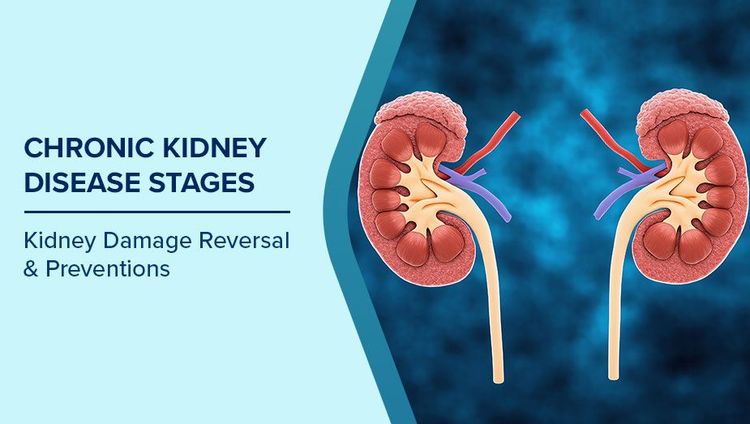
Chronic Kidney Disease Stages: Kidney Damage Reversal & Preventions
Dr. Kulwant Singh In Nephrology , Kidney Transplant
Jun 19 , 2025 | 4 min read
Most read Blogs


Related Blogs
Dr. Puneet Arora In Nephrology
Nov 11 , 2020 | 2 min read
Nov 11 , 2020 | 9 min read
Blogs by Doctor
Hyperuricemia: Health Impact and Treatment Options
Dr. Kulwant Singh In Nephrology
Nov 13 , 2024 | 10 min read
Chronic Kidney Disease Stages: Kidney Damage Reversal & Preventions
Dr. Kulwant Singh In Nephrology , Kidney Transplant
Jun 19 , 2025 | 4 min read
Most read Blogs