 WhatsApp Us (24/7)
 +91 926 888 0303 (24/7)


To Book an Appointment
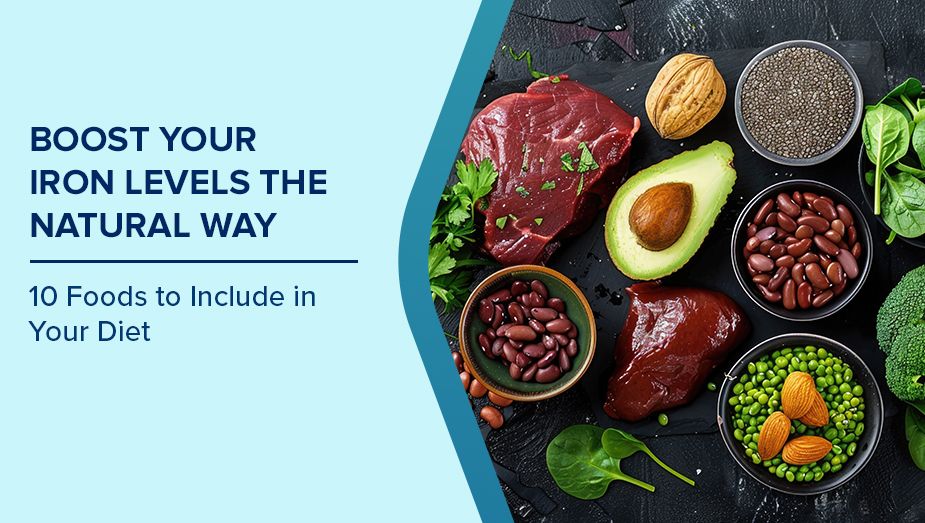
Call Us+91 926 888 0303Boost Your Iron Levels the Natural Way: 10 Foods to Include in Your Diet
By Ritika Samaddar in Nutrition And Dietetics
Jan 05 , 2026 | 12 min read
8

Iron is a vital mineral that helps transport oxygen throughout the body via haemoglobin in red blood cells. When the iron level drops, it can cause tiredness, dizziness and shortness of breath - some of the symptoms linked to a condition known as iron deficiency anaemia. Adding iron-rich foods to everyday meals can help maintain energy, support immunity and improve focus. This blog explores ten foods that can naturally boost iron levels and offers simple tips to help the body absorb iron more effectively. But first, let us understand the role of iron in our body in detail.
Role of Iron in the Body
Iron is essential for many functions that keep the body working properly. A lack of iron can affect physical energy, mental focus and overall health. Its key roles include:
- Formation of Haemoglobin: Iron is needed to produce haemoglobin, the protein in red blood cells that carries oxygen from the lungs to tissues across the body. Without enough iron, fewer healthy red blood cells are made, leading to reduced oxygen supply and symptoms like tiredness or shortness of breath.
- Oxygen Storage in Muscles: Iron helps form myoglobin, a protein that stores oxygen in muscle cells. This supports muscle strength and function, especially during physical activity.
- Support for the Immune System: Iron helps the body fight off infections. It supports the growth of immune cells and strengthens the body’s defence against illness.
- Brain Function and Concentration: Oxygen is vital for brain function. Low iron levels can affect memory, focus and learning ability, especially in children and teenagers.
- Growth and Development: Iron is important during periods of growth, such as childhood, adolescence and pregnancy. It helps in cell formation and overall development.
- Temperature Regulation: Iron plays a role in maintaining a stable body temperature. Low levels may cause a person to feel colder than usual.
Getting the right amount of iron through diet helps maintain energy levels, improve resistance to infections and support both physical and mental performance.
Symptoms Associated with Iron Deficiency
Iron deficiency can develop gradually, and the signs may not always be obvious at first. As iron levels continue to drop, the body produces fewer healthy red blood cells, reducing the amount of oxygen reaching tissues. This can lead to a range of symptoms that affect both physical and mental well-being.
Common symptoms of iron deficiency include:
- Tiredness or fatigue: Feeling unusually weak or lacking energy, even after rest
- Shortness of breath: Difficulty catching breath during normal activities
- Dizziness or light-headedness: Feeling faint or unsteady, especially when standing
- Pale skin: A noticeable loss of colour in the face, inside the eyelids or nails
- Headaches: Frequent or unexplained headaches caused by reduced oxygen to the brain
- Cold hands and feet: Poor circulation due to low haemoglobin levels
- Brittle nails or hair loss: Weak nails and increased hair shedding
- Poor concentration: Difficulty focusing or staying alert
- Rapid heartbeat: A faster-than-usual heart rate, especially during activity
- Increased frequency of infections: Weaker immune response due to low iron
Symptoms can vary depending on the severity of the deficiency and may be more noticeable during periods of increased need, such as pregnancy or growth spurts.
10 Iron-Rich Foods to Add to Your Meals
Including a mix of iron-rich foods in meals can make a noticeable difference to energy levels, focus and overall health. Both haem iron (from animal sources) and non-haem iron (from plant sources) have their place in a balanced diet. The list below highlights ten foods that can help support healthy iron levels, with practical suggestions for adding them to everyday meals.
1. Spinach
Spinach is one of the most commonly available sources of non-haem iron. It also provides vitamin A, vitamin C, folate and fibre. Although the body absorbs iron from plant sources less efficiently, combining spinach with a vitamin C-rich food such as lemon juice or tomatoes can improve absorption. It can be added to dals, palak paneer, smoothies or used as a base for salads and soups.
2. Red Meat
Beef, lamb and mutton are all rich in haem iron, which the body can absorb more easily than plant-based iron. These meats also provide high-quality protein, vitamin B12 and zinc. Lean cuts are the healthier choice and can be prepared as kebabs, grilled pieces, stews, or added to traditional Indian dishes like keema or curry. Eating red meat once or twice a week can help maintain iron stores, especially for those with increased needs.
3. Lentils
Lentils are a valuable plant-based source of iron, particularly useful for vegetarians and vegans. Along with iron, they offer protein, fibre and slow-digesting carbohydrates, which help maintain stable energy levels. Soaking and cooking lentils properly reduces compounds that may interfere with iron absorption. They are commonly used in dals, soups, khichdi and salads, and can be flavoured easily with spices, herbs and lemon juice.
4. Pumpkin Seeds
These seeds are rich in iron, magnesium, zinc and healthy fats. Just a small handful can contribute to daily iron intake. Pumpkin seeds are also convenient and versatile—they can be eaten roasted as a snack, added to muesli or porridge, or sprinkled over salads, baked goods or yoghurt. For better absorption, they can be paired with fresh fruit or vegetables high in vitamin C.
5. Chickpeas
Chickpeas provide a good amount of non-haem iron along with protein and dietary fibre. They are filling, affordable and widely used in dishes like chana masala, hummus, soups and stir-fries. Soaking chickpeas before cooking makes them easier to digest and helps improve nutrient absorption. Adding lemon juice or raw onion enhances iron availability from the meal.
6. Shellfish (Clams, Oysters, Mussels)
Shellfish, especially clams and oysters, are among the richest natural sources of haem iron. They also contain vitamin B12, copper and selenium. Though not a common part of all diets, they can be included in seafood-based meals such as soups, pasta dishes or stir-fries. For those who consume seafood, even occasional intake of shellfish can help maintain iron levels.
7. Tofu
Tofu, made from soybeans, is widely used in vegetarian diets and contains a fair amount of iron along with protein, calcium and magnesium. It is extremely adaptable—it can be stir-fried, added to curries, grilled or scrambled with vegetables. Fermented or calcium-set tofu may offer added nutritional benefits. Tofu pairs well with sauces and spices and can be included in both Indian and non-Indian dishes.
8. Quinoa
Quinoa is a gluten-free grain-like seed that provides more iron than many other cereal grains. It also offers a complete source of protein, which is rare among plant foods. Quinoa cooks quickly and can be used as a base for meals, added to soups or served in salads with roasted vegetables and a squeeze of lemon juice for better iron absorption.
9. Fortified Breakfast Cereals
Many cereals, especially those aimed at women and children, are fortified with iron. These are an easy way to improve iron intake, especially when time is limited. Always check the label to ensure the cereal provides a meaningful amount of iron. Pairing it with fruit such as oranges, strawberries, or kiwi can improve iron absorption, especially from cereals made with whole grains or oats.
10. Dark Chocolate
Dark chocolate with a high cocoa content (above 70%) contains more iron than most people realise. It also provides antioxidants, magnesium and copper. A small portion can be an enjoyable way to increase iron intake, especially when eaten as a snack or dessert. However, it should be consumed in moderation, as it is also high in calories and fat.
Read More:- Top 10 Calcium-Rich Foods: Nourishing Your Body the Healthy Way
Tips to Improve Iron Absorption
Including iron-rich foods in meals is important, but how much iron the body actually absorbs depends on other factors. Iron from animal sources is absorbed more easily than iron from plant-based foods. However, the body’s ability to absorb iron from both types can improve or reduce based on how foods are prepared and combined. A few changes in daily eating habits can help increase iron absorption:
- Add Vitamin C-Rich Foods to Meals: Vitamin C helps convert non-haem iron into a form the body can absorb more easily. Adding lemon juice to dals and curries, or including tomatoes, oranges, amla, guava, or capsicum in salads or side dishes, can improve the body’s use of plant-based iron. Cooking vegetables with tomatoes or squeezing lemon juice over cooked greens are simple but helpful steps.
- Cook in Cast Iron Utensils: Cooking in cast iron pans increases the iron content of food, especially dishes with moisture and acidity. Curries, tomato-based gravies, rasam, and even poha or upma can take in iron from the cookware. This method is especially helpful in vegetarian households where iron sources are mostly non-haem.
- Avoid Tea and Coffee with Meals: Tannins and polyphenols present in tea and coffee can block the absorption of non-haem iron. Drinking them immediately before or after meals may lower iron intake from food. It is better to have these beverages at least one hour before or after eating, especially if the meal includes iron-rich plant foods.
- Limit Calcium-Rich Foods Around Iron-Rich Meals: Calcium can interfere with iron absorption when consumed in large amounts at the same time. Milk, cheese, yoghurt and calcium-fortified foods are best eaten separately from iron-rich dishes. Spacing them out during the day can help both minerals be absorbed more efficiently.
- Soak, Sprout or Ferment Grains and Legumes: Raw legumes, grains and seeds contain phytates, which can reduce iron absorption. Soaking them before cooking, sprouting them for a few hours or overnight, or using fermented preparations such as idli or dosa batter can help lower phytate levels. These traditional methods improve not just iron absorption but also digestion.
Read More:- Top 10 Vitamin D-Rich Foods to Include in Your Diet
When Should You Consider Supplements?
In many cases, eating a balanced diet with enough iron-rich foods is enough to maintain healthy levels. However, some situations may lead to low iron despite regular meals, and supplements may be needed to correct the deficiency. These are usually recommended based on blood test results and medical advice.
Supplements are often considered in the following cases:
- Diagnosed Iron Deficiency Anaemia: When blood tests confirm anaemia due to low iron, supplements are commonly prescribed to rebuild iron stores more quickly than food alone can manage.
- Pregnancy: Iron needs increase during pregnancy due to higher blood volume and the growing baby’s demands. Even with a good diet, many pregnant women require iron tablets as part of routine care.
- Heavy Menstrual Bleeding: Women who lose a lot of blood during periods are at a higher risk of iron deficiency. Supplements may help maintain levels if diet alone does not meet their needs.
- Frequent Blood Donation or Blood Loss: Those who donate blood regularly or have conditions causing ongoing blood loss may need supplements to restore iron balance.
- Poor Absorption Conditions: People with certain gut disorders such as coeliac disease, inflammatory bowel disease, or after gastrointestinal surgery may not absorb iron well from food.
- Low Iron on a Strict Vegetarian or Vegan Diet: Plant-based diets can meet iron needs, but some individuals may still fall short, especially if intake is low or iron absorption is poor.
Iron supplements should only be taken after consulting a doctor, as too much iron can cause side effects and harm the liver.
Consult Today
Iron needs can vary depending on age, diet, health conditions and life stage, which is why a one-size-fits-all approach does not always work. For some, small dietary changes may be enough, but others may need medical support to correct or manage a deficiency. If symptoms have been ongoing or iron levels remain low despite regular meals, it may be time to seek guidance. At Max Hospital, specialists in internal medicine can assess the cause, recommend suitable investigations and offer the right course of treatment based on individual needs. To take the next step, book a consultation or an iron test at Max Hospital.
Frequently Asked Questions
Can low iron cause hair loss or affect skin appearance?
Yes, low iron levels can lead to increased hair fall and changes in skin tone or texture. Iron supports oxygen supply to hair follicles and skin cells, so a deficiency may cause thinning hair, brittle strands, or pale, dull-looking skin. Once iron levels are corrected, these symptoms usually improve over time, though results may vary from person to person.
How long does it take to correct low iron through food?
Mild iron deficiency can start to improve within a few weeks of consistent dietary changes, but full correction may take a few months. This depends on the individual’s starting iron level, the amount of iron consumed daily, and how well the body absorbs it. In moderate to severe cases, food alone may not be enough, and medical treatment might be required alongside dietary efforts.
Do I need to take vitamin C with every iron-rich meal?
It is not necessary to include vitamin C with every meal, but doing so regularly can make a significant difference in how well non-haem iron (from plant-based sources) is absorbed. For example, squeezing lemon on sabzi or adding raw tomatoes to salads can enhance absorption without much effort.
Can drinking too much milk reduce iron levels?
Excessive milk intake, especially in toddlers and young children, can interfere with iron absorption and may also reduce appetite for iron-rich foods. Calcium in milk competes with iron during digestion, so it is best to space out dairy and iron-rich meals instead of having them together.
Are iron-rich foods enough for children, or are supplements needed?
In many cases, children can get enough iron from a balanced diet that includes foods like dals, leafy greens, meat, eggs, and fortified cereals. However, children with poor appetite, frequent illness, or signs of anaemia may need a check-up to assess iron levels. Supplements should only be given if recommended by a doctor.
Do iron needs change at different stages of life?
Yes, iron requirements vary depending on age, gender, and health conditions. For example, growing children, teenagers, menstruating women, and pregnant individuals need more iron than others. Older adults may also be at risk of low iron due to reduced intake or absorption. It is important to adjust the diet as needs change over time.
Can too much iron from food be harmful?
It is rare to get too much iron from food alone, as the body regulates how much it absorbs. However, overuse of iron supplements or frequent intake of heavily fortified products without medical advice can lead to symptoms such as stomach pain, constipation, or in rare cases, iron overload. Supplements should only be taken under medical supervision.
How can vegetarians ensure they get enough iron?
Vegetarians can maintain good iron levels by regularly including foods like lentils, spinach, tofu, chickpeas, pumpkin seeds and fortified grains in their meals. Combining these with vitamin C-rich fruits and vegetables helps improve absorption. Using cooking methods such as soaking, sprouting or fermenting also makes plant-based iron easier to absorb.
Written and Verified by:

Related Blogs


Dr. Neera Aggarwal In Obstetrics And Gynaecology , Nutrition And Dietetics
Nov 07 , 2020 | 7 min read
Blogs by Doctor

Diet And Lifestyle Changes A Move Towards a Healthy Heart
Ritika Samaddar In Dietetics , Nutrition And Dietetics
Aug 21 , 2014 | 4 min read
Most read Blogs

Related Blogs
Dr. Neera Aggarwal In Obstetrics And Gynaecology , Nutrition And Dietetics
Nov 07 , 2020 | 7 min read
Blogs by Doctor
Diet And Lifestyle Changes A Move Towards a Healthy Heart
Ritika Samaddar In Dietetics , Nutrition And Dietetics
Aug 21 , 2014 | 4 min read
Most read Blogs