 WhatsApp Us (24/7)
 +91 926 888 0303 (24/7)


To Book an Appointment
Call Us+91 926 888 0303Is Lung Cancer Just Smoker’s Disease: Know the Risks and How to Protect Your Lungs
By Dr. Kumardeep Dutta Choudhury in Medical Oncology , Cancer Care / Oncology
Oct 09 , 2025 | 1 min read
1

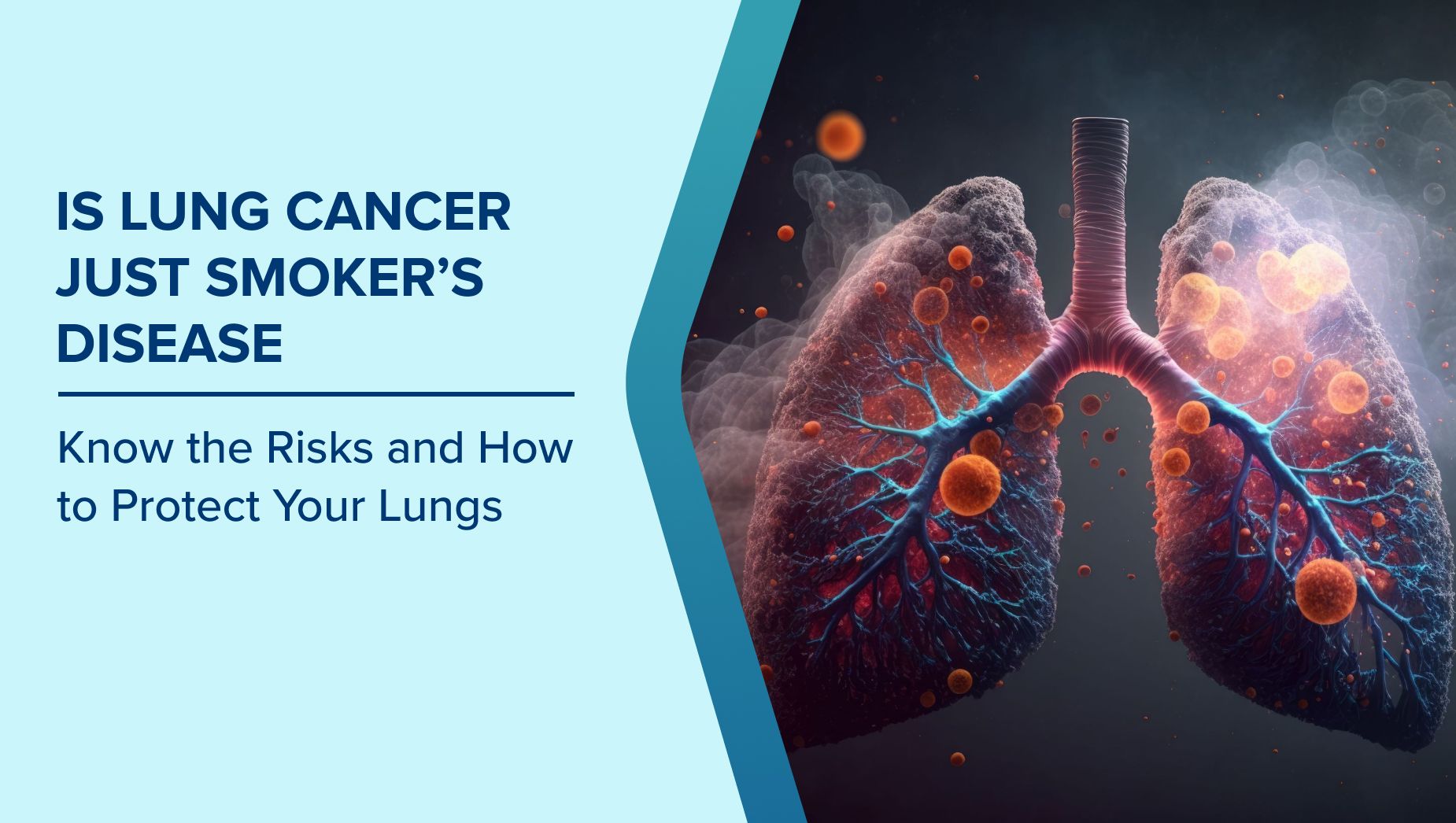
When you hear “lung cancer,” most people think of smokers. Yet, doctors are seeing more cases in individuals who have never smoked. While smoking is a major cause, other factors play a significant role. Exposure to secondhand smoke, air pollution, indoor cooking smoke, radon gas, and environmental chemicals such as asbestos and diesel exhaust can all increase the risk of developing lung cancer.
Risk Factors Other Than Smoking Include:
- Secondhand Smoke: Inhaling smoke from cigarettes or other tobacco products used by others.
- Air Pollution: Exposure to harmful particles and chemicals present in outdoor and indoor air.
- Radon Gas: A naturally occurring radioactive gas from soil and rocks that can accumulate indoors.
- Chemical Exposure: Contact with hazardous substances such as asbestos, arsenic, cadmium, chromium, or diesel exhaust, often at work.
- Indoor Cooking Smoke: Smoke produced from certain cooking methods, particularly with poor ventilation.
- Genetics and Family History: A personal or family history of lung cancer can increase susceptibility.
The real challenge with lung cancer is that it often shows no symptoms in its early stages. Persistent cough, shortness of breath, chest discomfort, or unexplained fatigue are warning signs that are frequently overlooked until the disease has progressed. Therefore, anyone experiencing respiratory symptoms—or those with a family history of lung cancer—should consult a doctor promptly, as the condition is often called a “silent killer” due to its subtle early signs.
How To Protect Our Lungs?
- Avoid tobacco and secondhand smoke: Quitting smoking is the most effective way to lower your risk, and minimising exposure to secondhand smoke is equally important.
- Test your home for radon: Use a radon test kit if you live in high-risk areas, and take necessary measures to reduce elevated levels.
- Limit exposure to lung irritants: Protect yourself from air pollution, indoor cooking smoke, and hazardous environmental chemicals.
- Maintain a healthy lifestyle: Eat a balanced diet rich in fruits and vegetables, and stay well-hydrated to support overall health.
- Get screened if at risk: Consult your doctor about early detection methods, especially if you have a family history of lung cancer or occupational chemical exposure.
Conclusion
Lung cancer is not just a smoker’s disease. Awareness of the risks, regular check-ups, and adopting a healthy lifestyle are crucial for protecting your lungs. Taking preventive steps today—whether avoiding harmful exposures, testing your home for radon, or consulting a doctor if you are at risk—can significantly improve your long-term lung health. Stay informed, stay proactive, and prioritise your respiratory well-being.
Written and Verified by:

Related Blogs


Dr. Meenu Walia In Medical Oncology , Cancer Care / Oncology
Aug 02 , 2016 | 4 min read
Blogs by Doctor
Early Lung Cancer Detection: How Advanced Screening Improves Survival
Dr. Kumardeep Dutta Choudhury In Cancer Care / Oncology , Thoracic Oncology , Robotic Surgery
Sep 23 , 2025 | 4 min read
Most read Blogs


Related Blogs
Dr. Meenu Walia In Medical Oncology , Cancer Care / Oncology
Aug 02 , 2016 | 4 min read
Blogs by Doctor
Early Lung Cancer Detection: How Advanced Screening Improves Survival
Dr. Kumardeep Dutta Choudhury In Cancer Care / Oncology , Thoracic Oncology , Robotic Surgery
Sep 23 , 2025 | 4 min read
Most read Blogs