 WhatsApp Us (24/7)
 +91 926 888 0303 (24/7)


To Book an Appointment
Call Us+91 926 888 0303Top 15 Immune-Boosting Foods: Strengthen Your Immunity the Natural Way
By Ms. Kalpana Gupta in Nutrition And Dietetics
Jan 05 , 2026 | 11 min read
1

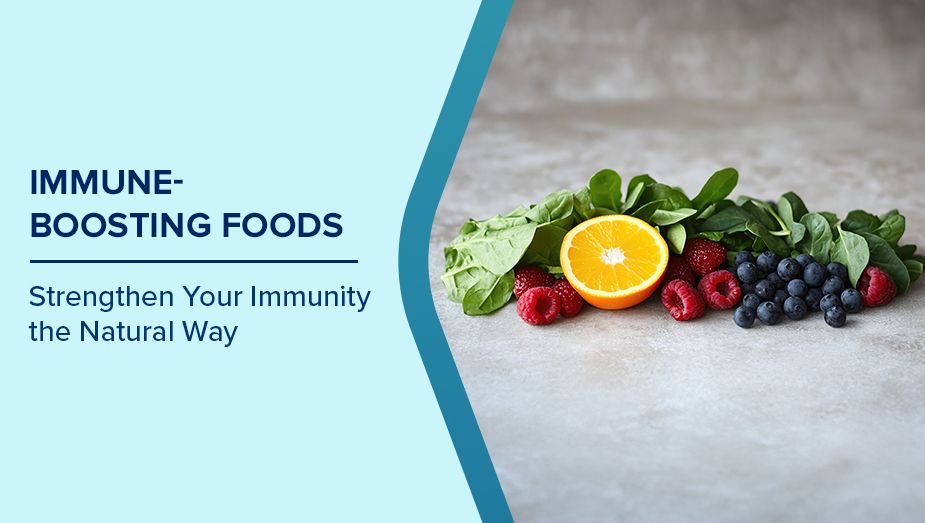
Eating the right foods can play a key role in keeping your immune system strong. Certain nutrients found in common fruits, vegetables, and other whole foods help the body produce immune cells, reduce inflammation, and maintain a healthy balance of gut bacteria - all of which help strengthen the body’s natural defences. When included regularly in your meals, these foods help build a more resilient immune response over time. In this blog, we’ll look at some of the best immune-boosting foods and how they contribute to overall immune health. Let’s start by understanding how your diet supports the immune system.
How Good Diet Supports Immunity
Your immune system is a complex network of cells, tissues, and organs that work together to protect your body from infections and illnesses. To function efficiently, it needs a steady supply of nutrients—many of which come directly from the food you eat. A good diet doesn’t just fuel your body; it also helps build a strong defence system that can respond quickly and effectively to harmful invaders like bacteria and viruses.
Here’s how certain nutrients support immunity:
- Vitamin C – Stimulates the production of white blood cells and enhances their ability to fight infections. It also acts as an antioxidant, protecting cells from damage.
- Vitamin D – Supports the immune response and may help lower the risk of respiratory infections.
- Vitamin E – Works as a powerful antioxidant and helps maintain healthy skin and eyes, which are part of the body's first line of defence.
- Zinc – Vital for immune cell development and communication; it also helps reduce the duration of common colds.
- Iron – Supports the production of hemoglobin, which carries oxygen to cells, including those involved in the immune response.
- Protein – Needed for the building and repair of tissues, including immune cells and antibodies.
- Omega-3 fatty acids – Help reduce inflammation and regulate immune system activity.
Around 70% of the immune system is located in the gut, and its balance of good bacteria directly influences immune function. Eating a variety of nutrient-dense foods from all food groups ensures your body gets what it needs to maintain strong immunity over time. Up next, we’ll explore some of the best immune enhancing foods you can start adding to your meals.
Read More:- 10 Foods that Improve Memory and Focus!
Top 15 Immune-Boosting Foods
Your immune system relies on key nutrients to function optimally. By incorporating these immune-boosting foods into your daily meals, you can strengthen your body’s defences against infections and diseases.
1. Citrus Fruits
Citrus fruits such as oranges, lemons, and grapefruits are packed with vitamin C, which is essential for the production of white blood cells that help fight infections. Vitamin C also acts as a powerful antioxidant, protecting the body from harmful invaders and enhancing immune function.
You can easily add citrus fruits to your diet by drinking fresh orange juice or adding lemon slices to your water. Eating them whole as a snack or incorporating them into smoothies, salads, and dressings is another simple way to benefit from their immune-boosting properties.
2. Red Bell Peppers
Red bell peppers are an excellent source of vitamin C, even more so than citrus fruits, and contain beta-carotene, which is converted to vitamin A in the body. Vitamin A plays a crucial role in maintaining the health of your skin and mucous membranes, which serve as barriers against pathogens.
You can add red bell peppers to your diet by eating them raw in salads or sandwiches. They can also be sautéed, roasted, or added to stews and soups for a rich flavour and a vitamin-packed boost.
3. Garlic
Garlic has been used for centuries for its medicinal properties, particularly due to allicin, a sulfur compound that offers strong antibacterial and antiviral benefits. Allicin helps activate immune cells, making it effective in fighting off colds and infections.
Garlic can be added to a wide variety of dishes, including soups, stews, pasta sauces, and stir-fries. For maximum benefit, it is most effective when consumed raw or lightly cooked. Consider adding freshly chopped garlic to salads or dressings.
4. Ginger
Ginger is known for its anti-inflammatory properties, which help to reduce inflammation in the body. It also aids digestion and supports the immune system by enhancing the body’s production of T-cells, which fight infection.
Fresh ginger can be brewed into tea, added to smoothies, or mixed into juices. You can also use it in stir-fries, curries, and soups for added flavour and health benefits.
5. Spinach
Spinach is loaded with immune-boosting nutrients like vitamin C, beta-carotene, and folate, all of which help strengthen the immune system and maintain healthy cell function. The antioxidants in spinach also help reduce oxidative stress, which can weaken the immune system.
You can add spinach to your diet both raw and cooked. It works well in salads, sandwiches, or smoothies. Lightly sautéed spinach can make a delicious side dish, and you can also blend it into soups and pasta sauces.
6. Yogurt
Yogurt is rich in probiotics, the healthy bacteria that support gut health. Since a large portion of the immune system is housed in the gut, maintaining a healthy gut microbiome is crucial for strong immunity. Probiotics help modulate the immune response and protect the body from harmful pathogens.
Enjoy yogurt as a snack or in smoothies. You can also use it as a base for dips and dressings, or top your favourite dishes with it. To avoid added sugars, opt for plain, unsweetened yogurt
7. Almonds and Sunflower Seeds
Almonds and sunflower seeds are high in vitamin E, a powerful antioxidant that helps protect immune cells from damage. Vitamin E is essential for maintaining a healthy immune system, particularly in ageing individuals. These seeds also provide healthy fats that help the body absorb fat-soluble vitamins.
Snack on a small handful of these seeds or sprinkle them onto salads, smoothies, or oatmeal. You can also blend them into nut butters or use them in baked goods like energy bars or muffins.
8. Turmeric
Turmeric contains curcumin, a compound with potent anti-inflammatory and antioxidant properties. Curcumin helps reduce inflammation in the body and stimulates the production of immune cells. It also enhances the activity of immune system cells that fight infection.
You can add turmeric to your diet by mixing it into curries, soups, or rice dishes. For a unique drink, try "golden milk" made with milk, turmeric, honey, and black pepper.
9. Broccoli
Broccoli is a powerhouse of nutrients, packed with vitamins C and E, beta-carotene, and sulforaphane, a compound that helps detoxify the body and supports immune health. These antioxidants work together to protect cells from oxidative stress and enhance immune function.
Broccoli can be eaten raw in salads or as a snack. It also works well when steamed, sautéed, or added to soups, stir-fries, and casseroles. Roasting broccoli with herbs can bring out its natural sweetness.
10. Mushrooms
Mushrooms are rich in beta-glucans, a type of fibre that enhances immune function by stimulating the activity of immune cells. Mushrooms also have antiviral and antibacterial properties, helping to protect the body against infections.
Mushrooms can be sautéed with garlic and added to stir-fries, pasta dishes, soups, or stews. You can also roast them for a simple snack or blend them into smoothies for an added health boost.
11. Papaya and Kiwi
Papaya and kiwi are rich in vitamin C, antioxidants, and enzymes that help boost immunity and improve digestion. These fruits also contain beta-carotene and other nutrients that support overall immune health.
Both fruits are excellent additions to fruit salads or smoothies. You can also enjoy them as a snack or mix them into oatmeal or yoghurt for a refreshing and immune-boosting breakfast.
12. Green Tea
Green tea is loaded with antioxidants, particularly epigallocatechin gallate (EGCG), which has immune-boosting properties. Drinking green tea regularly has been shown to enhance immune response and reduce inflammation in the body.
Green tea can be enjoyed hot or cold. For added health benefits, you can infuse it with lemon or honey, or add ginger or turmeric to make it even more immune-supportive.
13. Sweet Potatoes
Sweet potatoes are an excellent source of beta-carotene, which the body converts into vitamin A. This nutrient plays a key role in maintaining healthy skin and mucous membranes, which are vital in protecting the body against infections
Sweet potatoes can be baked, roasted, or mashed as a side dish. You can also add them to soups, stews, or salads for a nutrient-packed addition. Try adding them to smoothies for a creamy texture or enjoy them as a healthy snack by roasting wedges with olive oil and seasoning.
14. Chia Seeds
Chia seeds are rich in omega-3 fatty acids, antioxidants, and fibre, which can help reduce inflammation and support overall immune health. They also contain essential minerals like magnesium, which support the body's immune function.
Chia seeds can be sprinkled onto yoghurt, smoothies, or salads. You can also mix them into overnight oats or use them as a thickening agent for smoothies and puddings. Adding them to baked goods such as muffins or energy bars is another way to include them in your diet.
15. Pomegranate
Pomegranates are packed with antioxidants, particularly vitamin C and polyphenols, which help fight inflammation and boost the immune system. They also contain immune-supporting properties that protect the body against viruses and bacteria.
You can enjoy pomegranate seeds on their own as a snack or add them to salads, yoghurt, or oatmeal. Pomegranate juice is another great option, but it’s best to choose pure, unsweetened juice for the most health benefits.
Consult Today
Building strong immunity often begins in the kitchen, but there are times when food alone may not be enough. If you've been falling sick often, struggling to recover from common infections, or simply want to understand how your immune system is functioning, it may help to speak with someone who specialises in this area. At Max Hospital, our internal medicine specialists work closely with patients to assess overall health, identify nutritional gaps, and provide personalised recommendations to strengthen immune defences. Book a consultation with an internal medicine specialist at Max Hospital and get the clarity you need to support your health.
Frequently Asked Questions
Can supplements replace immune-boosting foods if my diet is lacking?
Supplements can help fill certain nutrient gaps, especially in cases of deficiency or specific medical conditions. However, they shouldn’t be considered a replacement for whole foods. Natural sources offer a combination of vitamins, minerals, fibre, and phytonutrients that work together to support immune function—something isolated supplements can’t fully replicate. It’s best to use supplements under medical guidance if needed, rather than relying on them entirely.
How long does it take for dietary changes to improve immunity?
There’s no one-size-fits-all answer. Some people may start to feel more energetic or notice fewer infections within a few weeks, especially if they were previously lacking key nutrients. However, building a resilient immune system through diet is a gradual process. It depends on overall health, age, lifestyle habits, and how consistent one is with dietary improvements. The benefits of healthy eating are more visible and long-lasting over time.
Are there foods that can weaken the immune system?
Yes. Diets high in added sugars, refined carbohydrates, and processed foods can promote inflammation and suppress the immune response. Excess alcohol and trans fats can also negatively impact immune function. These foods may interfere with nutrient absorption, strain the gut, and reduce the body’s ability to defend itself against infections.
Is eating more immune-boosting foods enough during flu season or outbreaks?
Food plays a key role in supporting immunity, but it’s not the only factor. During flu season or when infections are spreading, a balanced diet should go hand in hand with other measures like vaccinations, regular handwashing, staying physically active, managing stress, and getting enough rest. Think of food as part of a broader approach to staying healthy.
Can food allergies or intolerances affect immune health?
They can. Chronic exposure to foods that the body cannot tolerate may lead to ongoing inflammation, which can overburden the immune system. For instance, in people with lactose intolerance or gluten sensitivity, continued intake of these triggers may disrupt gut health, which is closely linked to immunity. Identifying and avoiding these foods with help from a healthcare provider can ease the strain on your immune system.
Do children and elderly need different immune-boosting foods?
The core nutrients remain the same—vitamin C, vitamin D, zinc, and antioxidants are important for all ages. However, children may need these nutrients in smaller amounts and in forms they are more likely to eat, such as smoothies or fortified cereals. Older adults might need a higher intake of certain nutrients like vitamin D and B12 due to changes in absorption with age. Consulting a specialist can help tailor nutrition more effectively for different life stages.
Is there a best time of day to eat immune-supportive foods?
There’s no strict rule, but spreading nutrient-rich foods across your meals is generally better than eating them all at once. Starting the day with a balanced breakfast that includes fruits, nuts, or yogurt can give your body a head start. Including greens or vegetables at lunch and dinner helps keep your nutrient intake steady. Consistency matters more than timing when it comes to immune support.
Can improving gut health through diet also support immunity?
Absolutely. Around 70–80% of immune cells reside in the gut, making gut health central to immune function. Foods rich in fibre, such as vegetables, legumes, and whole grains, nourish good bacteria in the digestive tract. Fermented foods like yogurt and kefir provide probiotics, which help regulate immune responses. A healthy gut acts like a well-trained gatekeeper, identifying threats and responding effectively.
Written and Verified by:

Related Blogs


Dr. Neera Aggarwal In Obstetrics And Gynaecology , Nutrition And Dietetics
Nov 07 , 2020 | 7 min read
Blogs by Doctor

Impact of Heat Waves on Children’s Health
Ms. Kalpana Gupta In Nutrition And Dietetics
Jun 21 , 2022 | 1 min read

5 Benefits of Probiotics You Should be Aware of!
Ms. Kalpana Gupta In Nutrition And Dietetics
Sep 12 , 2022 | 2 min read
Most read Blogs

Related Blogs
Dr. Neera Aggarwal In Obstetrics And Gynaecology , Nutrition And Dietetics
Nov 07 , 2020 | 7 min read
Blogs by Doctor
Impact of Heat Waves on Children’s Health
Ms. Kalpana Gupta In Nutrition And Dietetics
Jun 21 , 2022 | 1 min read
5 Benefits of Probiotics You Should be Aware of!
Ms. Kalpana Gupta In Nutrition And Dietetics
Sep 12 , 2022 | 2 min read
Most read Blogs