 WhatsApp Us (24/7)
 +91 926 888 0303 (24/7)


To Book an Appointment
Call Us+91 926 888 0303How Obesity Affects the Heart: Warning Signs & Prevention Tips
By Dr. Arvind M Das in Cardiac Sciences , Interventional Cardiology
Sep 04 , 2025 | 2 min read
1

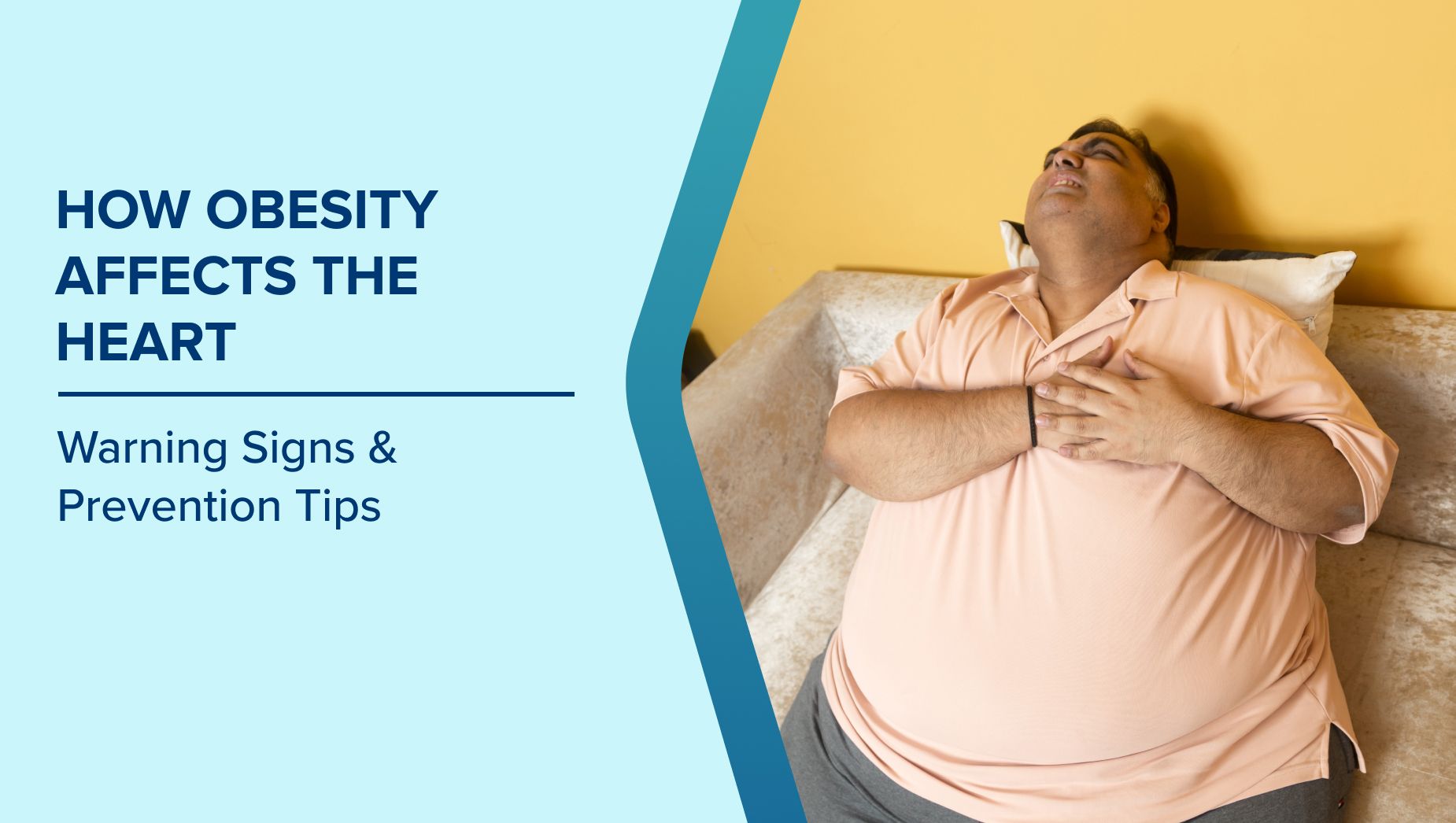
Obesity is a major health concern today, and one of its most serious consequences is heart disease, the leading cause of death worldwide. The good news is that with awareness and the right lifestyle changes, this harmful cycle can be stopped.
How Obesity Affects the Heart
Carrying extra weight puts strain on the heart and blood vessels. Here’s how it can lead to heart problems:
- High Blood Pressure: Excess fat increases resistance in the blood vessels, making the heart work harder. Over time, this can damage arteries and raise the risk of heart attacks or strokes.
- High Cholesterol: Obesity often leads to high “bad” cholesterol (LDL) and low “good” cholesterol (HDL). This causes fatty deposits in the arteries, restricting blood flow to the heart.
- Increased Diabetes Risk: Obesity is a major cause of type 2 diabetes, which further harms blood vessels and increases the risk of cardiovascular disease.
- Inflammation: Fat tissue, particularly around the abdomen, releases chemicals that trigger inflammation, which can contribute to the development of heart disease.
- Sleep Apnea: Obesity increases the risk of developing obstructive sleep apnea, a disorder in which breathing repeatedly stops during sleep. This puts extra stress on the heart.
The Vicious Cycle
Obesity not only causes heart problems but also makes them harder to manage. Fatigue, joint pain, or shortness of breath may limit physical activity, leading to further weight gain and worsening heart health. Breaking this cycle requires conscious lifestyle changes or medical help.
Warning Signs to Watch For
Sometimes heart issues caused by obesity develop silently, but common signs include:
- Shortness of breath during everyday activities
- Chest pain or tightness
- Swelling in the legs or ankles
- Fatigue or low energy
- Irregular heartbeat
How to Break the Cycle
The link between obesity and heart disease is strong, but it can be reversed. Steps to protect your heart include:
- Aim for Gradual Weight Loss: Losing 5–10% of your body weight can help lower blood pressure, improve cholesterol levels, and reduce the risk of diabetes. Small, consistent changes matter more than drastic diets.
- Follow a Heart-Healthy Diet: Include fruits, vegetables, whole grains, and lean proteins. Limit processed foods, sugary drinks, and excess salt. Choose healthy fats, such as olive oil, nuts, and seeds.
- Increase Physical Activity: Regular exercise strengthens the heart and burns calories. Even 30 minutes of brisk walking most days can help.
- Manage Stress: Stress can trigger unhealthy eating or habits. Yoga, meditation, or hobbies can help reduce stress.
- Prioritise Sleep: Aim for 7–8 hours of quality sleep to support heart and overall health.
- Seek Medical Guidance: In some cases, doctors may recommend medications, structured weight management programs, or bariatric surgery.
Prevention is Key
Obesity and heart disease are closely linked, but the cycle can be broken. By making small, lasting changes, you can protect your heart and improve your quality of life. Remember, it’s not about quick fixes; it’s about long-term habits that lead to a healthier heart and a better future.
Written and Verified by:

Related Blogs

Dr. Ritwick Raj Bhuyan In Cardiac Sciences , Cardiac Surgery (CTVS)
Nov 08 , 2020 | 2 min read

Dr. Gaurav Minocha In Cardiac Sciences
Nov 08 , 2020 | 4 min read
Blogs by Doctor

Most read Blogs


Related Blogs
Dr. Ritwick Raj Bhuyan In Cardiac Sciences , Cardiac Surgery (CTVS)
Nov 08 , 2020 | 2 min read
Dr. Gaurav Minocha In Cardiac Sciences
Nov 08 , 2020 | 4 min read
Blogs by Doctor
Most read Blogs