 WhatsApp Us (24/7)
 +91 926 888 0303 (24/7)


To Book an Appointment
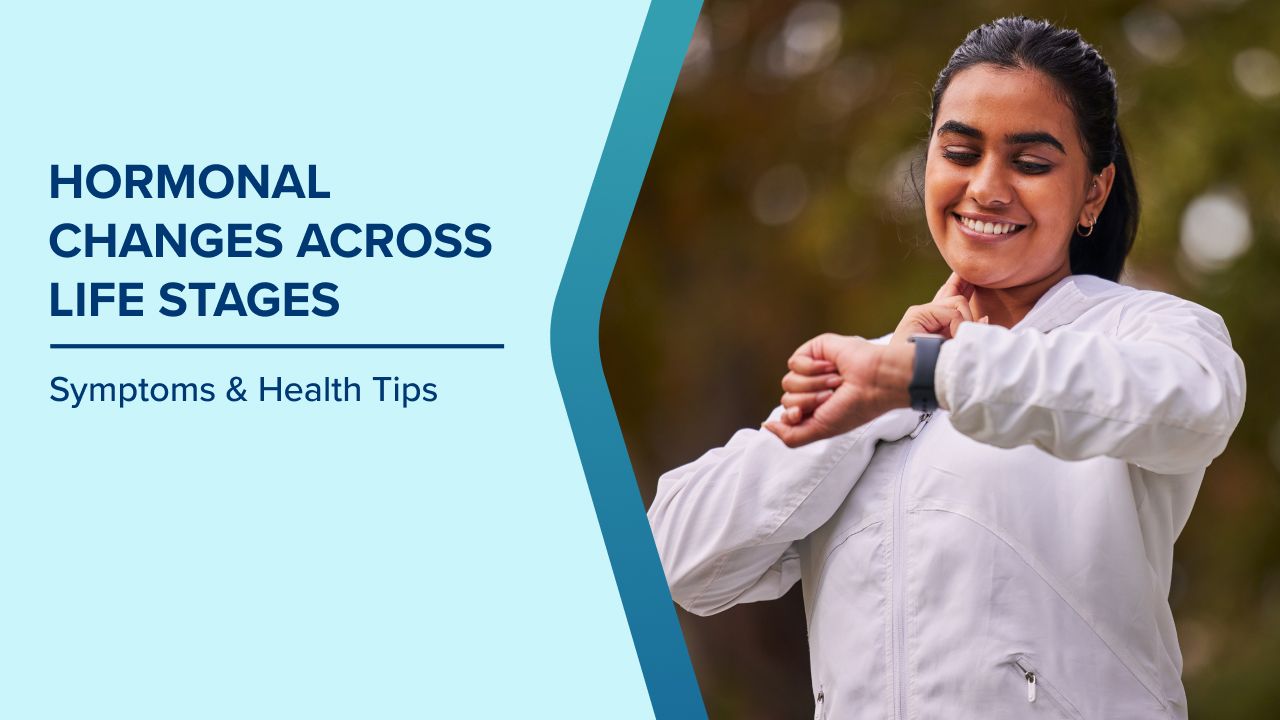
Call Us+91 926 888 0303Hormonal Changes Across Life Stages: Symptoms & Health Tips
By Dr. Manisha Arora in Obstetrics And Gynaecology , Robotic Surgery , Gynaecologic Laparoscopy
Apr 08 , 2026

Hormones are chemical signals in the body that help regulate important processes such as growth, metabolism, mood, sleep, and reproduction. From childhood to older adulthood, hormonal balance plays a critical role in overall health and well-being. As we move through different stages of life, our hormone levels naturally change, influencing both physical and emotional health. Understanding these changes can help individuals manage symptoms better and maintain a healthier lifestyle.
Childhood and Adolescence: The Foundation of Hormonal Development
Hormonal activity begins early in life, but it becomes particularly noticeable during adolescence. Puberty marks the stage when hormones trigger physical growth and sexual development. Hormones such as estrogen, progesterone, and testosterone start increasing, leading to changes like growth spurts, development of reproductive organs, changes in voice, and the onset of menstruation in girls.
During this stage, hormonal fluctuations can also affect mood, energy levels, and skin health. Teenagers may experience acne, emotional sensitivity, or irregular sleep patterns. A balanced diet, regular physical activity, and adequate sleep are important to support healthy hormonal development during these formative years.
Reproductive Years: Maintaining Hormonal Balance
In adulthood, hormones play a key role in fertility, menstrual cycles, metabolism, and emotional stability. For women, estrogen and progesterone regulate the menstrual cycle and support reproductive health. However, hormonal imbalances during this phase can lead to conditions such as irregular periods, fatigue, weight gain, mood swings, or skin issues.
Lifestyle factors like stress, poor diet, lack of exercise, and insufficient sleep can disrupt hormonal balance. Conditions such as thyroid disorders or polycystic ovary syndrome (PCOS) may also affect hormonal health. Regular health check-ups and maintaining a healthy lifestyle can help keep hormones functioning optimally.
Pregnancy and Postpartum: Significant Hormonal Shifts
Pregnancy brings dramatic hormonal changes as the body supports the baby's growth and development. Hormones increase to regulate fetal development, maintain pregnancy, and prepare the body for childbirth and breastfeeding.
After delivery, hormone levels drop rapidly, which may lead to mood changes, fatigue, or postpartum emotional challenges. Proper medical guidance, family support, nutrition, and rest are essential during this transition period to help mothers recover and regain hormonal balance.
Perimenopause and Menopause: A Natural Transition
As women approach their late 40s or early 50s, hormone levels, particularly estrogen and progesterone, begin to decline. This stage, known as perimenopause, can cause symptoms such as irregular periods, hot flashes, sleep disturbances, mood swings, and reduced bone density.
Menopause marks the end of menstrual cycles and fertility. While it is a natural biological transition, the symptoms can affect the quality of life for some women. Healthy lifestyle habits, stress management, and medical consultation can help manage symptoms effectively.
Hormonal Health in Later Years
In later life, hormonal levels stabilise at lower levels. However, hormonal health continues to influence bone strength, metabolism, heart health, and mental well-being. Maintaining a nutritious diet rich in calcium and vitamin D, staying physically active, and undergoing regular health screenings are key to healthy ageing.
Supporting Hormonal Health at Every Stage
Regardless of age, certain lifestyle habits can support balanced hormone levels:
- Eat a balanced diet rich in fruits, vegetables, whole grains, and healthy fats
- Exercise regularly to support metabolism and hormone regulation
- Manage stress through mindfulness, yoga, or relaxation techniques
- Maintain good sleep hygiene
- Schedule regular health check-ups for early detection of hormonal issues
Conclusion
Hormonal health is closely linked to overall well-being and changes naturally throughout life. By understanding these transitions and taking proactive steps to maintain balance, individuals can navigate each life stage with better health and confidence. If you continue to experience symptoms like ongoing tiredness, changes in mood, irregular menstrual cycles, or unexpected weight fluctuations, it is important to seek medical advice for an accurate diagnosis and appropriate treatment.
Written and Verified by:

Related Blogs

Dr. Manju Khemani In Obstetrics And Gynaecology
Oct 27 , 2020 | 3 min read

Dr. Neera Aggarwal In Obstetrics And Gynaecology , Nutrition And Dietetics
Nov 07 , 2020 | 7 min read
Blogs by Doctor

What are Ovarian Cysts: Types, Symptoms & Diagnosis Options
Dr. Manisha Arora In Obstetrics And Gynaecology
Jul 04 , 2024 | 2 min read
Menstrual Health Matters: Breaking Periods Myths with Facts
Dr. Manisha Arora In Obstetrics And Gynaecology , Robotic Surgery , Gynaecologic Laparoscopy
Sep 04 , 2025 | 2 min read
Most read Blogs

Related Blogs
Dr. Manju Khemani In Obstetrics And Gynaecology
Oct 27 , 2020 | 3 min read
Dr. Neera Aggarwal In Obstetrics And Gynaecology , Nutrition And Dietetics
Nov 07 , 2020 | 7 min read
Blogs by Doctor
What are Ovarian Cysts: Types, Symptoms & Diagnosis Options
Dr. Manisha Arora In Obstetrics And Gynaecology
Jul 04 , 2024 | 2 min read
Menstrual Health Matters: Breaking Periods Myths with Facts
Dr. Manisha Arora In Obstetrics And Gynaecology , Robotic Surgery , Gynaecologic Laparoscopy
Sep 04 , 2025 | 2 min read
Most read Blogs