 WhatsApp Us (24/7)
 +91 926 888 0303 (24/7)


To Book an Appointment
Call Us+91 926 888 0303Heart Health in Winters
By Medical Expert Team
Jan 15 , 2026 | 5 min read
1

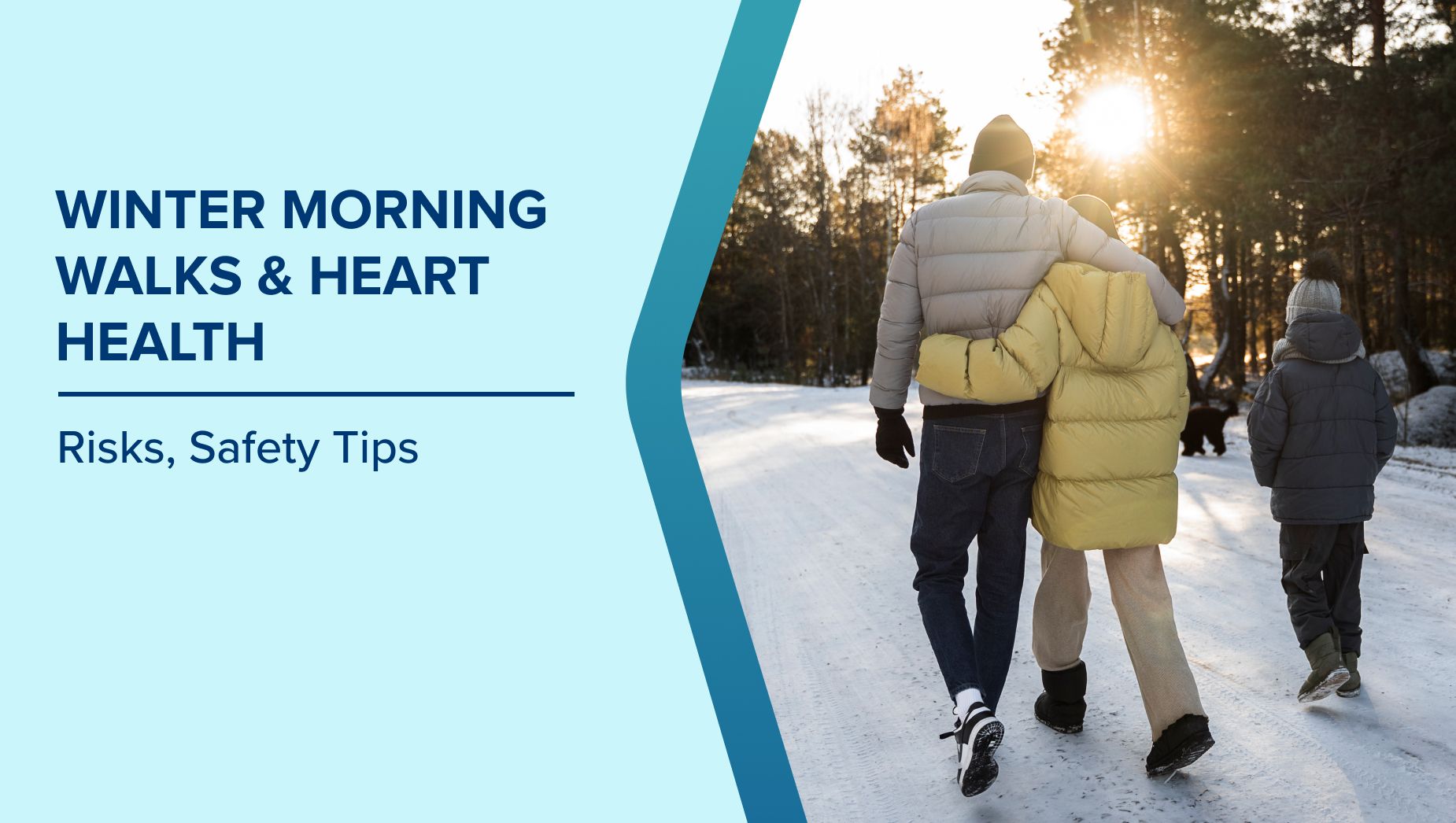
Winter mornings feel calm and refreshing, but for people with heart conditions, they can quietly place extra strain on the body. Many heart patients ask whether continuing their morning walk during colder months is safe or whether it increases the risk of heart problems. The concern is valid. Cold weather affects the heart in ways that are often underestimated, especially during early morning hours.
Why Winter Mornings Affect the Heart Differently
Winter mornings are not just cooler versions of summer mornings. They create a unique environment that changes how the heart and blood vessels behave.
During early morning hours, the body naturally experiences a rise in blood pressure and heart rate. This is part of the circadian rhythm. In winter, cold temperatures amplify this effect. Blood vessels tighten to preserve body heat, making it harder for blood to flow smoothly. For a healthy heart, this adjustment may go unnoticed. For someone with heart disease, it can increase cardiac workload significantly.
The morning hours also coincide with higher levels of stress hormones such as cortisol and adrenaline. When combined with cold exposure, these hormones can raise the risk of chest discomfort, abnormal heart rhythms, or even heart attacks in vulnerable individuals.
How Cold Temperatures Increase Cardiac Stress
Cold weather forces the body to work harder to maintain its core temperature. This process directly affects the cardiovascular system in several ways:
- Blood vessels narrow, increasing blood pressure and resistance to blood flow
- The heart pumps harder to push blood through tightened arteries
- The oxygen demand of the heart muscle increases during physical activity
- Cold air can trigger chest tightness and breathlessness, especially in those with blocked arteries
For heart patients, even mild exertion, such as brisk walking in cold air, can feel more demanding than usual. This extra strain may not always cause immediate symptoms, which is why cold-related heart stress is often underestimated.
Morning Walks vs Afternoon Walks for Heart Patients in Winter
The timing of physical activity matters greatly during winter. Morning walks and afternoon walks place very different demands on the heart.
Morning walks in winter
- Lowest ambient temperatures of the day
- Higher natural blood pressure surge after waking
- Stiffer joints and muscles increasing injury risk
- Reduced lung comfort due to cold, dry air
Afternoon walks in winter
- Warmer temperatures reduce blood vessel constriction
- The body is fully awake and circulation is more stable
- Muscles are more flexible, lowering strain
- Better breathing comfort for people with heart and lung conditions
For many heart patients, shifting walks to late morning or afternoon during winter can significantly reduce risk without reducing overall activity levels.
Who Should be Extra Cautious Before Stepping Out in Cold Mornings
Not all heart patients face the same level of risk. Certain groups need to be especially careful with winter morning walks:
- People with a history of heart attack or angioplasty
- Patients with uncontrolled high blood pressure
- Those with heart failure or reduced heart pumping strength
- Individuals with known blockages in heart arteries
- Elderly patients with multiple medical conditions
- People experiencing chest pain, breathlessness, or dizziness recently
Hidden Winter Walking Risks Most People Ignore
Many heart patients focus only on temperature, but winter brings several subtle risks that are often overlooked.
- Sudden temperature transitions: Moving from a warm indoor environment into cold outdoor air can cause an abrupt rise in blood pressure and heart rate. This sudden shift can be stressful for the heart.
- Dehydration in cold weather: People drink less water in winter. Dehydration thickens the blood slightly and can increase the risk of clotting, which is concerning for heart patients.
- Reduced daylight and visibility: Poor visibility increases the risk of falls and accidents, especially on uneven or slippery surfaces.
- Respiratory strain: Cold air can irritate the airways, triggering coughing or breathlessness, which can indirectly stress the heart.
Safe Alternatives to Morning Walks During Extreme Cold
Staying active is important for heart health, but it doesn't have to mean braving cold winter mornings. Safer alternatives include:
- Indoor walking in corridors, malls, or covered parking areas
- Light indoor exercises guided by a physiotherapist
- Stationary cycling at a comfortable pace
- Gentle stretching and balance exercises at home
- Shorter walks during warmer daylight hours
These options allow heart patients to stay active without exposing themselves to unnecessary cold stress.
What Cardiologists Usually Recommend During Winter Months
Cardiologists often adjust exercise advice during winter based on individual risk profiles. Common recommendations include:
- Avoiding early morning outdoor walks during peak cold hours
- Warming up indoors before any physical activity
- Dressing in layers to maintain body warmth
- Slowing down the pace and avoiding sudden exertion
- Paying attention to warning symptoms without ignoring them
Practical Safety Checklist Before Going for a Winter Walk
For heart patients who choose to continue walking outdoors in winter, preparation is essential.
Before stepping out, consider this checklist:
- Check the temperature and avoid extreme cold or foggy mornings
- Eat a light snack if advised, avoiding walking on an empty stomach
- Wear warm clothing that covers the head, neck, and chest adequately
- Start with slow walking for the first ten minutes
- Carry a phone and emergency contact information
- Stop immediately if chest pain, dizziness, or unusual breathlessness occurs
Emotional Factors and Winter Walking Decisions
Winter often affects mood, motivation, and confidence. Some heart patients feel pressured to maintain routines even when conditions are unfavourable. Others fear stopping activity altogether.
It is important to understand that adjusting routines seasonally is not a failure. It is smart self-care. A flexible approach helps maintain both physical and mental well-being during colder months.
Conclusion
Morning walks in winter are not automatically unsafe, but they are not equally safe for everyone either. Cold temperatures, early morning body changes, and hidden winter risks can quietly increase cardiac stress in heart patients. The key lies in awareness, timing, and flexibility. Choosing warmer hours, safer environments, and listening closely to the body can protect heart health without giving up the benefits of movement. Winter should be a season of caution, not fear, when it comes to staying active with heart disease.
Frequently Asked Questions
Is it dangerous for heart patients to walk early in the morning in winter?
Early morning cold exposure can increase heart strain, especially in high-risk patients. Many benefit from shifting walks to warmer hours.
Can cold air trigger a heart attack during walking?
Cold air can narrow blood vessels and raise blood pressure, which may increase heart attack risk in susceptible individuals during exertion.
Should heart patients completely stop walking in winter?
No, activity remains important. The focus should be on safer timing, indoor options, and reduced intensity during colder days.
Does wearing warm clothes fully protect the heart during winter walks?
Warm clothing helps but does not eliminate the internal effects of cold on blood vessels and heart workload.
How can caregivers support heart patients during winter exercise?
Caregivers can help by encouraging safer schedules, monitoring symptoms, and ensuring regular medical follow-ups.
Related Blogs

Dr. Ritwick Raj Bhuyan In Cardiac Sciences , Cardiac Surgery (CTVS)
Nov 08 , 2020 | 2 min read

Dr. Gaurav Minocha In Cardiac Sciences
Nov 08 , 2020 | 4 min read
Most read Blogs


Related Blogs
Dr. Ritwick Raj Bhuyan In Cardiac Sciences , Cardiac Surgery (CTVS)
Nov 08 , 2020 | 2 min read
Dr. Gaurav Minocha In Cardiac Sciences
Nov 08 , 2020 | 4 min read
Most read Blogs