 WhatsApp Us (24/7)
 +91 926 888 0303 (24/7)


To Book an Appointment
Call Us+91 926 888 0303Role of Surgery in Colorectal Cancer: Preparation & Recovery
By Dr Prateek Varshney in Surgical Oncology
Jan 28 , 2026

Being told that you need surgery for colorectal cancer can feel overwhelming. Questions about the procedure, recovery, lifestyle changes, and long-term outcomes often surface all at once. While every patient’s journey is different, understanding what colorectal cancer surgery involves can reduce anxiety and help you prepare both physically and emotionally.
Understanding Colorectal Cancer and the Role of Surgery
Colorectal cancer develops in the colon or rectum, both parts of the large intestine. For many patients, surgery is the primary treatment option. The aim of the operation is to remove the cancer thoroughly while maintaining normal bowel function as far as possible.
Surgery may be recommended:
- When the cancer is confined to the colon or rectum
- To prevent complications such as bowel obstruction or bleeding
- As part of a combined treatment plan with chemotherapy or radiation therapy
The exact approach depends on the cancer’s location, stage, and the patient’s overall health.
Types of Colorectal Cancer Surgery
Colorectal cancer surgery is not a single procedure. The surgical plan is tailored to the individual.
Colon Cancer Surgery
When cancer affects the colon, surgeons remove the section of the colon containing the tumour along with nearby lymph nodes. The healthy ends of the bowel are usually rejoined to restore normal bowel movement.
Rectal Cancer Surgery
Rectal cancer surgery is more complex due to the rectum’s location near important nerves and muscles. The aim is to remove the cancer while maintaining bowel control whenever possible.
Depending on tumour position, surgery may involve:
- Removing part of the rectum
- Preserving the anal muscles
- Creating a temporary or permanent stoma in some cases
Minimally Invasive and Open Surgery Options
Laparoscopic Surgery
Many colorectal surgeries are now performed using laparoscopic techniques. This involves small incisions and specialised instruments.
Potential advantages include:
- Smaller scars
- Reduced pain after surgery
- Faster recovery
- Shorter hospital stay
Open Surgery
Open surgery may still be required in certain situations, such as advanced cancer or previous abdominal surgeries. While recovery may take longer, outcomes can still be very effective. Your surgeon will suggest the safest and most appropriate option.
Preparing for Colorectal Cancer Surgery
Preparation plays a key role in recovery.
Medical Preparation
Before surgery, patients usually undergo:
- Blood tests and imaging
- Heart and lung assessments, if needed
- Bowel preparation to clear the intestine
- Medication review
Clear instructions are given about eating, drinking, and medications before surgery.
Mental and Emotional Preparation
It is normal to feel anxious. Speaking openly with your care team, understanding the procedure, and having family support can make a significant difference.
What Happens During the Surgery
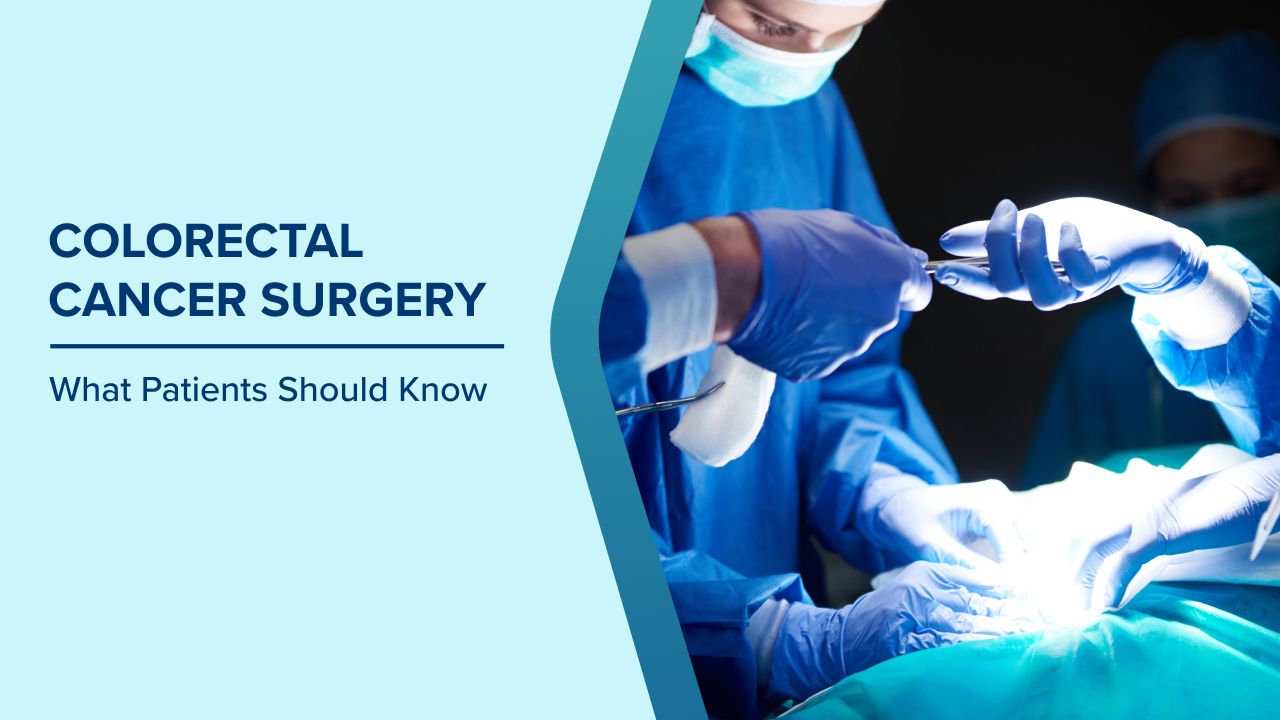
Colorectal cancer surgery is performed under general anaesthesia. The duration differs based on the procedure and complexity.
During surgery:
- The cancerous section of bowel is removed
- Nearby lymph nodes are taken for assessment
- The digestive tract is reconstructed if possible
- In some cases, a stoma is created
The surgical team focuses on removing the cancer completely while minimising impact on normal bowel function.
Recovery Immediately After Surgery
Hospital Stay
Most patients stay in the hospital for several days after surgery. During this time:
- Pain is managed carefully
- Fluids and nutrition are introduced gradually
- Movement is encouraged to prevent complications
- Bowel function is monitored
Return of Bowel Function
It may take a few days for bowel movements to resume. Temporary changes, such as loose stools, constipation, or urgency, are common and usually improve over time.
Life After Colorectal Cancer Surgery
Adjusting to Bowel Changes
Some patients experience changes in bowel habits after surgery. These may include:
- Increased frequency
- Altered stool consistency
- Occasional urgency
Dietary adjustments and medical guidance help manage these changes effectively.
Living With a Stoma
If a stoma is required, either temporarily or permanently, specialised nurses provide training and support. Many people with stomas return to full, active lives, including work and travel.
Nutrition and Lifestyle After Surgery
Eating well supports healing and long-term health.
General recommendations include:
- Starting with easily digestible foods
- Eating smaller, more frequent meals
- Staying well hydrated
- Gradually reintroducing fibre
Regular physical activity, once approved by your doctor, helps improve digestion and overall well-being.
Follow-Up and Long-Term Care
After surgery, regular follow-up is essential. These visits monitor:
- Healing and bowel function
- Any side effects of treatment
- Signs of recurrence
- Overall health and nutrition
Follow-up schedules vary, but consistent care plays a key role in long-term outcomes.
Emotional Wellbeing and Support
Cancer surgery affects more than just the body. Emotional support is equally important.
Patients may benefit from:
- Counselling or support groups
- Family involvement in care
- Open communication with the medical team
Addressing emotional health improves recovery and quality of life.
Common Concerns Patients Have Before Surgery
Many patients worry about pain, independence, and returning to normal life. Modern surgical techniques and recovery protocols aim to reduce discomfort and help patients regain confidence gradually.
Clear communication with your surgeon helps address individual concerns early.
Conclusion
Colorectal cancer surgery is a major step, but it is also a powerful treatment option that offers many patients the chance for long-term control and recovery. Understanding the surgical process, preparing well, and following post operative guidance can make the journey smoother and less intimidating. With the right medical care and support, many patients return to active and fulfilling lives after surgery.
Frequently Asked Questions
How long does it take to regain normal energy levels after surgery?
Energy levels improve gradually over weeks to months. Fatigue is common initially but usually decreases as healing progresses.
Can colorectal cancer surgery affect sexual function?
Some patients may notice temporary or lasting changes, depending on nerve involvement. Discussing concerns with your doctor allows early management.
Will I need help at home after discharge?
Many patients benefit from short-term home support, especially during the first two weeks after surgery.
Is it safe to travel after colorectal cancer surgery?
Travel is usually possible after recovery, but timing depends on the healing process, follow-up needs, and your doctor’s advice.
Can I return to work after surgery?
Most patients return to work within several weeks, depending on the nature of their job and overall recovery.
Written and Verified by:

Related Blogs

Dr. S. VEDA PADMA PRIYA In Surgical Oncology , Cancer Care / Oncology
May 16 , 2016 | 2 min read

Dr. Kanika Batra Modi In Surgical Oncology , Cancer Care / Oncology
May 26 , 2016 | 4 min read
Blogs by Doctor

Breast Cancer in Young Women: Why Age Doesn’t Mean Immunity
Dr Prateek Varshney In Surgical Oncology , Cancer Care / Oncology , Breast Cancer
Oct 23 , 2025 | 6 min read
Most read Blogs


Related Blogs
Dr. S. VEDA PADMA PRIYA In Surgical Oncology , Cancer Care / Oncology
May 16 , 2016 | 2 min read
Dr. Kanika Batra Modi In Surgical Oncology , Cancer Care / Oncology
May 26 , 2016 | 4 min read
Blogs by Doctor
Breast Cancer in Young Women: Why Age Doesn’t Mean Immunity
Dr Prateek Varshney In Surgical Oncology , Cancer Care / Oncology , Breast Cancer
Oct 23 , 2025 | 6 min read
Most read Blogs