 WhatsApp Us (24/7)
 +91 926 888 0303 (24/7)


To Book an Appointment
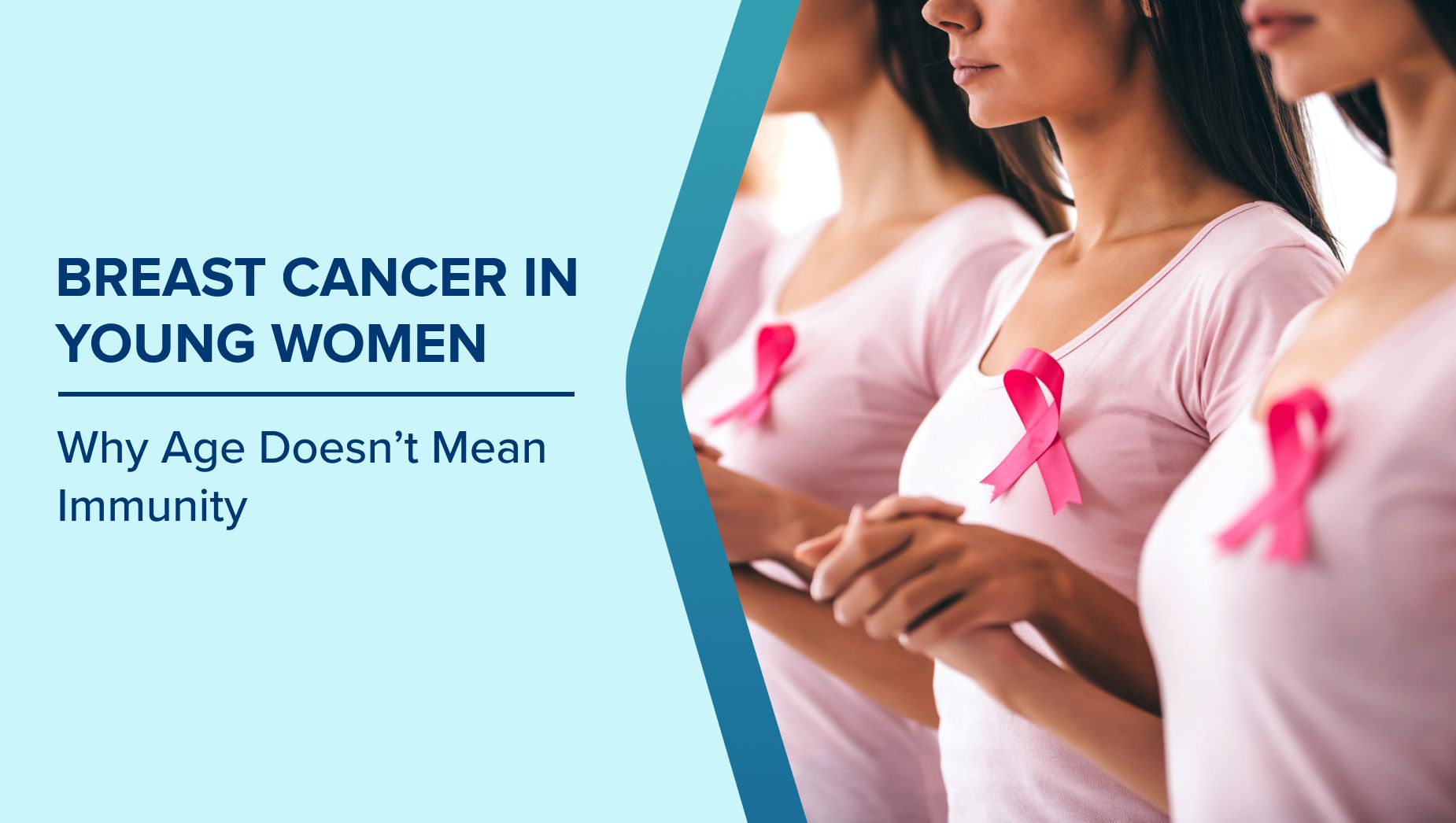
Call Us+91 926 888 0303Breast Cancer in Young Women: Why Age Doesn’t Mean Immunity
By Dr Prateek Varshney in Surgical Oncology , Cancer Care / Oncology , Breast Cancer
Jan 04 , 2026 | 6 min read

When people think of breast cancer, they often picture it as a disease that affects older women. However, breast cancer can and does occur in younger women, too. While the risk increases with age, youth does not provide complete protection. In fact, when breast cancer develops in younger women, it can sometimes be more aggressive and emotionally challenging to navigate.
Recognising this reality is essential for early detection and timely treatment. Understanding how and why breast cancer affects young women helps dispel myths, encourage awareness, and promote proactive health choices that can save lives.
Understanding Breast Cancer in Young Women
Breast cancer is caused by the uncontrolled growth of breast cells that cluster together to form a lump or tumour. In younger women, typically under 40, these changes can sometimes go unnoticed because the breast tissue tends to be denser, making lumps harder to detect through self-examination or standard imaging.
Although breast cancer is less common in younger age groups, it is often diagnosed at a later stage due to delayed screening and misinterpretation of early symptoms. The type and behaviour of breast cancers found in younger women can also differ, sometimes being faster-growing or more likely to spread.
Awareness of one’s own body and regular health checks can make a significant difference in identifying the disease early, when treatment outcomes are most favourable.
Why Age Doesn’t Guarantee Protection
There is a common misconception that youth equals immunity. However, several factors contribute to the development of breast cancer, regardless of age.
Genetic Predisposition
Women with a family history of breast or ovarian cancer carry a higher risk, especially if there are known genetic mutations such as BRCA1 or BRCA2. These inherited changes can increase susceptibility even at a younger age.
Hormonal Influences
Hormones like oestrogen and progesterone play a key role in breast tissue development and cell growth. Certain hormonal fluctuations, early menstruation, or late pregnancy may increase long-term exposure to these hormones, slightly elevating cancer risk.
Lifestyle Factors
Modern lifestyles can sometimes contribute to early-onset breast cancer. Factors such as lack of physical activity, smoking, excessive alcohol intake, stress, and poor diet can affect overall hormonal balance and immunity.
Environmental and Reproductive Factors
Exposure to certain environmental toxins, use of hormonal contraceptives for extended periods, and delayed motherhood are also being recognised as potential contributors.
These factors highlight that no woman, regardless of age, should ignore changes in her breast health.
Early Warning Signs Young Women Should Watch For
Recognising early symptoms is one of the most powerful tools against breast cancer. Common warning signs include:
- A lump or thickening in the breast or underarm area
- Changes in breast size, shape, or contour
- Unexplained pain or tenderness in the breast
- Skin changes such as dimpling, redness, or a rash
- Nipple changes, including inversion or unusual discharge (especially if bloody)
While not every lump indicates cancer, it is vital to get any unusual change evaluated promptly. Ignoring symptoms out of fear or assuming “I’m too young for this” can delay diagnosis and treatment.
Diagnosis and Screening in Younger Women
Diagnosing breast cancer in young women requires a tailored approach due to denser breast tissue and varying hormonal activity.
Clinical Examination
A doctor may begin by performing a detailed physical examination to assess any lumps, tenderness, or skin changes.
Imaging Tests
Mammography, ultrasound, or MRI scans are used to visualise the breast tissue and identify suspicious areas. Ultrasound is particularly helpful in younger women with dense breasts.
Biopsy
If imaging shows an abnormality, a small tissue sample may be taken to confirm whether cancer cells are present.
Blood Tests and Genetic Screening
In certain cases, genetic testing for hereditary mutations may be recommended to assess future risk or guide treatment decisions.
Even though routine mammograms are not always recommended for women under 40, those with strong family histories or other risk factors should discuss early screening with their doctor.
Treatment Approaches for Young Women
The treatment of breast cancer in young women depends on the cancer’s stage, type, and individual factors such as fertility goals and overall health.
Surgery
Surgical approaches may involve removing just the tumour (lumpectomy) or the entire breast (mastectomy). The procedure is planned carefully to clear all cancer cells while keeping healthy tissue intact whenever possible.
Chemotherapy and Radiation
Chemotherapy targets cancer cells throughout the body, while radiation focuses on destroying remaining cells in the breast area after surgery.
Hormonal Therapy
If the cancer is hormone-receptor positive, medications that block or reduce hormone production may be used to prevent recurrence.
Targeted Therapy
These treatments focus on specific molecules involved in cancer growth, offering precision while limiting side effects.
Fertility Preservation
For young women who wish to have children, fertility preservation options such as egg or embryo freezing can be considered before treatment begins.
Comprehensive care often includes counselling and support groups, which play a key role in emotional recovery and coping.
Emotional and Psychological Impact
Receiving a cancer diagnosis at a young age can be overwhelming. Many women face unique challenges such as career disruption, fertility concerns, and the emotional toll of altered body image.
Support from mental health professionals, family, and peers can make a significant difference. Emotional resilience is as vital as physical recovery, and open communication with doctors about fears and side effects can improve both treatment outcomes and quality of life.
Preventive Habits and Awareness
Although breast cancer cannot always be prevented, following healthy routines can reduce risk and promote overall health.
- Self-examination: Get familiar with the normal look and feel of your breasts to notice any unusual changes early.
- Regular check-ups: Schedule routine health visits even if you feel healthy.
- Balanced diet: Include plenty of fruits, vegetables, lean protein, and whole grains to support hormonal balance.
- Exercise regularly: Physical activity helps regulate hormones and maintain a healthy weight.
- Limit alcohol and avoid smoking: Both have been linked to increased cancer risk.
- Manage stress: Chronic stress can weaken the immune system; include relaxation techniques in your daily routine.
Empowerment through awareness is the first step towards prevention. Listening to your body and seeking medical advice early can make all the difference.
When to Consult a Doctor
You should see a doctor or gynaecologist if you notice any:
- Persistent lump or swelling in the breast or armpit
- Changes in skin texture, colour, or nipple appearance
- Continuous pain or discomfort in the breast area
- Unusual nipple discharge
- Symptoms that persist beyond your menstrual cycle
Timely evaluation ensures peace of mind and, if necessary, early intervention for better outcomes.
Conclusion
Breast cancer is not limited by age. Young women are equally capable of developing the condition, even though it is less common in this group. The key lies in awareness, vigilance, and timely action. Understanding your body, practising self-care, and seeking medical advice without delay can greatly improve the chances of early detection and recovery.
Age should never be seen as immunity; it is awareness that truly protects.
Frequently Asked Questions
1. Can breast cancer in young women be more aggressive?
Yes, some breast cancers in younger women can grow and spread faster, making early detection crucial for better outcomes.
2. Can young women continue working or studying during breast cancer treatment?
Yes, many young women continue their professional or academic commitments during treatment, though adjustments may be needed depending on side effects such as fatigue or nausea.
3. Can breastfeeding lower the risk of breast cancer?
Breastfeeding is believed to reduce breast cancer risk by limiting lifetime exposure to certain hormones.
4. Are young women at risk of recurrence after successful treatment?
Yes, there is a risk of recurrence, though it varies based on cancer type, stage, and treatment response. Regular follow-up appointments, healthy lifestyle habits, and adherence to medical advice can help reduce this risk.
5. Does stress cause breast cancer?
Stress alone doesn’t cause breast cancer, but long-term stress can affect immunity and hormone balance, indirectly influencing health.
Written and Verified by:

Related Blogs

Dr. S. VEDA PADMA PRIYA In Surgical Oncology , Cancer Care / Oncology
May 16 , 2016 | 2 min read

Dr. Kanika Batra Modi In Surgical Oncology , Cancer Care / Oncology
May 26 , 2016 | 4 min read
Blogs by Doctor
Most read Blogs


Related Blogs
Dr. S. VEDA PADMA PRIYA In Surgical Oncology , Cancer Care / Oncology
May 16 , 2016 | 2 min read
Dr. Kanika Batra Modi In Surgical Oncology , Cancer Care / Oncology
May 26 , 2016 | 4 min read
Blogs by Doctor
Most read Blogs