 WhatsApp Us (24/7)
 +91 926 888 0303 (24/7)


To Book an Appointment
Call Us+91 926 888 0303Colon Polyps Explained: Types, Causes, Symptoms, and Removal
By Dr. Atul Sachdev in Gastroenterology, Hepatology & Endoscopy
Aug 18 , 2025 | 11 min read

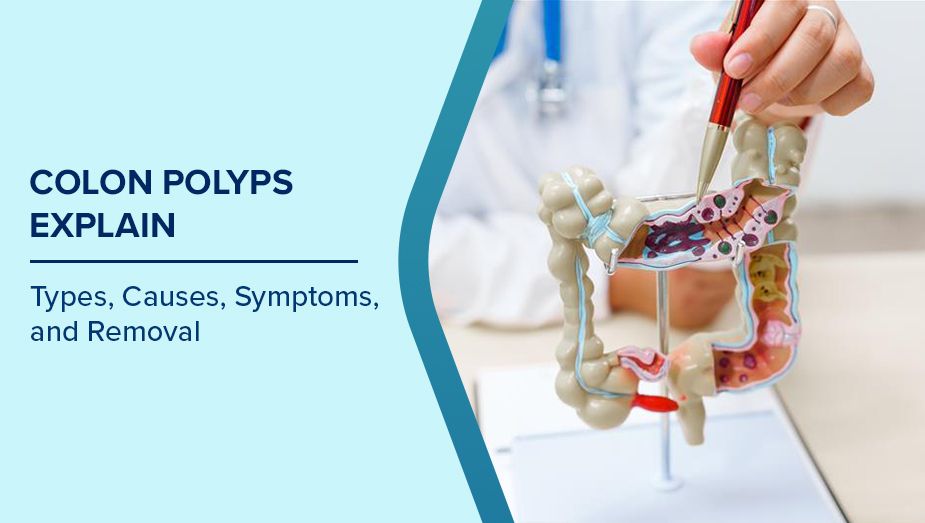
Colon polyps are small growths that form on the inner lining of the colon. While some polyps remain harmless, others could become cancerous over time. Polyps often cause no noticeable symptoms in the early stages, which is why they are typically discovered by chance during tests for unrelated digestive issues or as part of routine screenings such as colonoscopy. Learning what these growths are, why they form and which types carry higher risk is the first step toward protecting your health, and that of your family members who may share similar risk factors. In this guide, we explain how polyps develop, outline the main categories you need to know, describe common warning signs and walk through modern removal techniques. But first, let’s better understand the disorder.
What are Colon Polyps?
Colon polyps are abnormal growths that develop on the inner lining of the colon or rectum. They vary in size and shape, some are small and flat, while others are larger and may have a stalk. Although many polyps are harmless, some can gradually change over time and increase the risk of colorectal cancer.
These growths occur when cells in the colon begin to divide more rapidly than usual, forming a clump of tissue. Polyps can be single or multiple, and their potential to cause harm depends on their type, size, and how early they are detected.
Because most colon polyps do not cause symptoms in the early stages, they often go unnoticed unless found during a screening test like a colonoscopy.
What are the Types of Colon Polyps?
Colon polyps are classified based on their appearance under a microscope and their potential to become cancerous. The main types include:
- Adenomatous polyps (Adenomas): These are the most common type and have the potential to turn cancerous over time. They are usually removed when found, even if they are small, because of their risk of progression.
- Hyperplastic polyps: These are generally small and considered low risk. They are often found in the left side of the colon and rarely become cancerous.
- Serrated polyps: Some serrated polyps, especially larger ones or those located in the upper colon, can carry a higher risk of cancer. Their behaviour depends on their size and location.
- Inflammatory polyps: These are typically seen in people with inflammatory bowel diseases such as ulcerative colitis. They are not usually considered precancerous but may appear alongside other changes in the colon that require monitoring.
Identifying the type of polyp helps doctors decide how often follow-up screenings are needed and whether any further treatment is necessary.
What Causes Colon Polyps to Develop?
Colon polyps form when there is abnormal cell growth in the lining of the colon or rectum. Normally, cells grow and divide in an orderly way, but in some cases, they begin dividing too quickly, leading to the formation of a polyp. Several factors can increase the chances of this happening:
- Ageing: The risk of developing colon polyps increases with age, especially after the age of 50. Most polyps are found in older adults during routine screening.
- Family history and genetic conditions: A personal or family history of colon polyps or colorectal cancer increases the risk. Inherited conditions such as familial adenomatous polyposis (FAP) and Lynch syndrome (hereditary non-polyposis colorectal cancer) can cause multiple or early-onset polyps and significantly raise the chances of cancer.
- Inflammatory bowel disease (IBD): Conditions such as ulcerative colitis or Crohn’s disease, which cause long-term inflammation in the colon, may lead to changes in the colon lining and increase the risk of certain types of polyps.
- Diet and lifestyle factors: A diet high in red or processed meat, low in fibre, and lacking fruits and vegetables may contribute to polyp formation. Smoking, alcohol use, lack of physical activity, and obesity are also known risk factors.
- Type 2 diabetes and insulin resistance: People with poorly controlled diabetes or insulin resistance may have a higher chance of developing colon polyps, possibly due to underlying metabolic changes.
Most polyps develop silently over time, influenced by a mix of genetic and lifestyle factors. Identifying and addressing these risk factors can help lower the chances of polyp formation and related complications.
Do Colon Polyps Cause Any Symptoms?
In many cases, colon polyps do not cause any noticeable symptoms. This is why they are often discovered incidentally during routine screenings such as a colonoscopy, or when tests are conducted for unrelated digestive issues. The absence of symptoms does not necessarily mean the polyps are harmless, and some may still carry a risk of becoming cancerous over time.
However, certain polyps, especially larger ones or those located in specific areas of the colon, can cause symptoms. These may include:
- Rectal bleeding: Blood may appear in the stool or on toilet paper. Sometimes, the bleeding is not visible but can be detected through stool tests.
- Changes in bowel habits: This can include diarrhoea, constipation, or a change in the consistency or frequency of bowel movements that lasts longer than a few days.
- Abdominal discomfort or pain Although uncommon, larger polyps may cause cramping, bloating, or discomfort in the lower abdomen.
- Iron deficiency anaemia: Slow, long-term bleeding from polyps may lead to a drop in red blood cell levels, which can cause fatigue, weakness, or shortness of breath.
The presence of any symptoms does not always point to colon polyps as other digestive conditions can also cause similar issues.
How are Colon Polyps Detected?
Since colon polyps often grow silently without causing symptoms, detection usually depends on screening or diagnostic tests. Several methods are used to detect colon polyps, each with its own advantages and limitations:
Colonoscopy
Colonoscopy is the most accurate and widely used method to detect colon polyps. A long, flexible tube with a camera (colonoscope) is inserted through the rectum to examine the entire colon. The procedure is performed under mild sedation. If any polyps are found, they can often be removed during the same procedure and sent to a lab for biopsy to determine their type and potential risk. This test not only detects polyps but also allows for immediate treatment, making it both diagnostic and therapeutic.
Sigmoidoscopy
Flexible sigmoidoscopy is similar to colonoscopy but examines only the lower part of the colon that is usually the rectum and sigmoid colon. It uses a shorter tube and typically does not require full sedation. Polyps found during this test can sometimes be removed, but if polyps are located higher up in the colon, a full colonoscopy may be required. It is less commonly used as a standalone screening method today but may still be considered in certain situations.
Stool-Based Tests
These are non-invasive tests that look for signs of bleeding or abnormal cells shed into the stool:
- Faecal Immunochemical Test (FIT): Detects hidden blood in the stool. It is more specific to lower gastrointestinal bleeding and does not require dietary restrictions.
- Guaiac-based Faecal Occult Blood Test (gFOBT): Also checks for hidden blood, but may be affected by certain foods and medications.
- Stool DNA Test (e.g., FIT-DNA): Detects both hidden blood and abnormal DNA associated with colorectal cancer or large polyps.
Stool-based tests do not directly detect polyps but can indicate when further investigation, typically with a colonoscopy, is needed. These tests are usually done annually or every few years, depending on the method.
CT Colonography (Virtual Colonoscopy)
This is a specialised imaging test that uses CT scanning to create a detailed 3D view of the colon. It is less invasive and does not require sedation, but bowel preparation is still needed. If any polyps or abnormalities are seen, a traditional colonoscopy is still required for removal or biopsy. CT colonography is often used for patients who are unable or unwilling to undergo a full colonoscopy.
Doctors typically recommend a specific test based on a person’s age, symptoms, family history, and overall risk factors. For those already diagnosed with colon polyps, repeat colonoscopies are often advised at regular intervals to monitor for new growths and ensure timely removal if needed.
Can Colon Polyps Turn into Cancer?
Not all colon polyps become cancerous, but certain types can develop into colorectal cancer over time if left untreated. The risk largely depends on the type, size, and number of polyps found, as well as individual risk factors such as age, family history, and genetic conditions.
Among the different types of colon polyps, adenomatous polyps (adenomas) and certain serrated polyps are the most likely to progress to cancer. These polyps may start out as benign growths but can gradually undergo changes in their cells, turning into cancer over a period of 10 to 15 years in some cases. This process is known as the adenoma-carcinoma sequence.
Larger polyps (usually those greater than 1 centimetre in size) and polyps with villous features or high-grade dysplasia are considered to have a higher risk of becoming cancerous. Similarly, sessile serrated adenomas (SSAs), especially those found in the right side of the colon, may also develop into cancer without showing early signs.
It is important to note that hyperplastic polyps and inflammatory polyps usually carry little to no risk of becoming cancerous. However, they may still be monitored, especially if found alongside higher-risk polyps or in people with other risk factors.
How are Colon Polyps Treated or Removed?
Once colon polyps are found, doctors usually recommend removing them to prevent any chance of them turning into cancer. The choice of treatment depends on the size, shape, and location of the polyp. Below are the most common methods used:
Polypectomy
This is the most common and straightforward method used to treat colon polyps. During a colonoscopy, doctors use tools inserted through the colonoscope, such as biopsy forceps or a wire loop called a snare. to cut off the polyp. In most cases, this can be done without the need for any incisions. Small and medium-sized polyps, including most adenomas and hyperplastic polyps, are typically removed this way. The procedure is generally quick and safe, and the removed tissue is sent to a lab to check for any signs of cancer or abnormal cell changes.
Endoscopic Mucosal Resection (EMR)
When a polyp is flat, large, or more difficult to remove using standard polypectomy techniques, EMR may be used. In this method, a special fluid is injected underneath the polyp to lift it away from the deeper layers of the colon wall. This creates a cushion that makes it easier and safer to remove the polyp using a snare or similar device. EMR is commonly used for non-cancerous but larger lesions and can often prevent the need for surgery.
Endoscopic Submucosal Dissection (ESD)
This technique is more advanced and is used when a polyp is particularly large, has a high risk of containing cancerous cells, or needs to be removed in one piece for accurate analysis. In ESD, special instruments are used to carefully cut underneath the polyp through the submucosal layer, allowing for a more complete removal. Although ESD allows for precise resection, it takes longer and requires more skill, so it is usually performed in specialised centres.
Surgical Removal
If a polyp is too large, difficult to access, or suspected to have turned into cancer, surgery may be required. This may involve removing part of the colon in a procedure called a partial colectomy. Surgery is also considered in cases of inherited conditions like familial adenomatous polyposis, where multiple polyps are spread throughout the colon. Although more invasive, surgery may offer a more definitive approach when endoscopic methods are not suitable.
Is it Possible to Prevent Colon Polyps?
Prevention may not always be guaranteed, especially for those with genetic risks, but several measures can help lower the chances of developing colon polyps:
- Eat a diet high in fibre: A fibre-rich diet supports a healthy digestive system and helps reduce the transit time of waste in the colon. Include plenty of fruits, leafy greens, legumes, and whole grains. Cutting down on red and processed meats may also reduce the risk.
- Exercise regularly: Physical activity encourages regular bowel movements and improves metabolism. Adults should aim for at least 30 minutes of moderate exercise most days of the week.
- Maintain a healthy weight: Obesity increases the risk of developing colon polyps and colorectal cancer. Managing weight through diet and physical activity plays an important role in prevention.
- Avoid smoking and limit alcohol intake: Tobacco use and high alcohol consumption are known to increase the risk of colon polyps. Quitting smoking and moderating alcohol can help protect colon health over time.
- Consider calcium and vitamin D supplements (if recommended): Some studies suggest that calcium and vitamin D might reduce the growth of certain polyps. These should only be taken on a doctor’s advice after assessing individual health needs.
- Manage existing health conditions: Conditions such as type 2 diabetes and inflammatory bowel disease (IBD) can increase the risk of polyps. Managing these conditions with regular medical care may help reduce complications.
- Go for regular screenings: Routine screening through colonoscopy or other recommended methods is key, especially for people over the age of 45 or those with a family history of colon cancer or polyps. These tests allow doctors to detect and remove polyps before they become problematic.
Taking these preventive steps, especially when started early, may help reduce both the risk of colon polyps and the likelihood of them progressing to something more serious.
Consult Today
Discovering the presence of colon polyps can bring a mix of concern and confusion, especially when they’re found unexpectedly during routine tests. For many, the next steps can feel uncertain including understanding what the findings mean, how they might affect health in the longer run, and whether treatment is even necessary. This is where timely medical guidance becomes important. At Max Hospital, gastroenterologists help assess and manage such conditions with care that is both thorough and reassuring. If you or a loved one has recently been diagnosed with colon polyps or has risk factors such as family history or long-standing digestive issues, it may be time to seek a professional opinion. Book a consultation with a gastroenterologist at Max Hospital to get the right care.
Written and Verified by:

Related Blogs

Dr. Nivedita Pandey In Gastroenterology, Hepatology & Endoscopy , Liver Transplant and Biliary Sciences
Nov 07 , 2020 | 2 min read
Dr. Nivedita Pandey In Gastroenterology, Hepatology & Endoscopy , Liver Transplant and Biliary Sciences
Nov 07 , 2020 | 2 min read
Most read Blogs


Related Blogs
Dr. Nivedita Pandey In Gastroenterology, Hepatology & Endoscopy , Liver Transplant and Biliary Sciences
Nov 07 , 2020 | 2 min read
Dr. Nivedita Pandey In Gastroenterology, Hepatology & Endoscopy , Liver Transplant and Biliary Sciences
Nov 07 , 2020 | 2 min read
Most read Blogs