 WhatsApp Us (24/7)
 +91 926 888 0303 (24/7)


To Book an Appointment
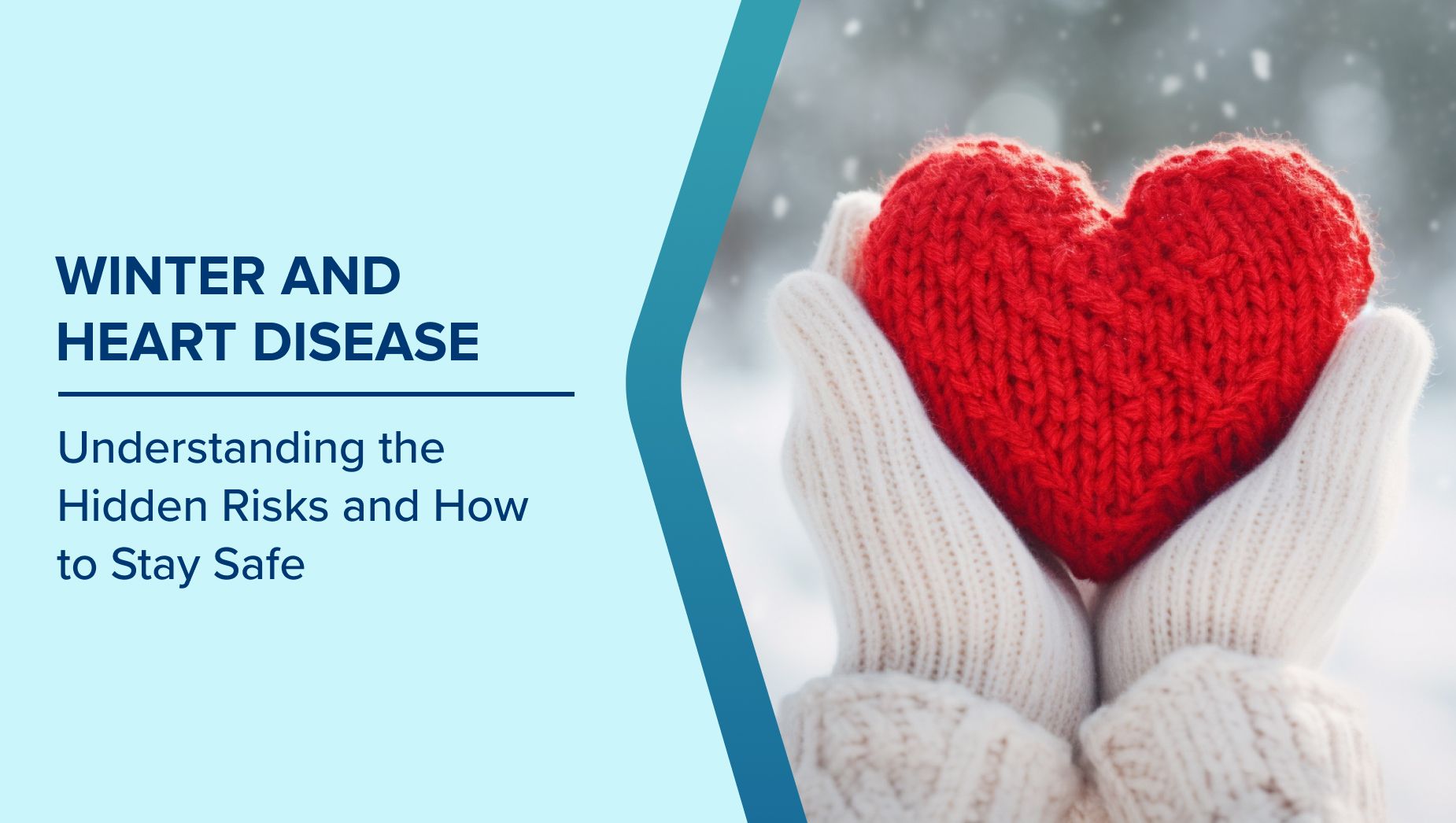
Call Us+91 926 888 0303Winter and Heart Disease: Understanding the Hidden Risks and How to Stay Safe
By Dr. Vijayant Devenraj in Cardiac Surgery (CTVS) , Thoracic Surgery , Robotic Surgery
Jan 05 , 2026 | 4 min read

As temperatures drop and winter sets in, many of us focus on staying warm, avoiding colds and picking up our coats. Yet beneath the seasonal shift lies a lesser-known risk: the link between cold weather and heart problems. The winter months bring higher rates of heart attack, stroke and other cardiovascular events. With the right strategies and awareness, winter can become a time of safe living rather than silent risk.
How Cold Weather Affects the Heart
When the mercury drops, your body enters a state of survival mode. Blood vessels near the skin surface constrict, or narrow, to maintain a stable core temperature. This narrowing raises blood pressure, making the heart work harder to pump blood.
At the same time, cold air can increase heart rate and make blood thicker and more prone to clotting, both of which raise the chance of cardiovascular events. When people with existing heart disease breathe cold air, research shows their blood flow to the heart may even drop, elevating the risk of a heart attack.
Key Physiological Effects in Winter
- Blood vessel constriction increases heart workload and blood pressure.
- Heart rate rises to generate body heat.
- Cold exposure may reduce oxygen supply to the heart muscle, especially in people with blocked arteries.
- Thicker blood and increased clot-forming tendency raise heart attack risk.
Understanding these mechanisms explains why cold seasons bring a higher incidence of heart disease and highlights the importance of seasonal heart care.
Common Winter Heart Problems
During the winter months, the following heart conditions become more common:
Heart Attack in Winter
Studies indicate that short-term exposures to cold spells increase the risk of myocardial infarction (heart attack) by several days after the temperature drop.
Angina (Chest Pain)
For those with coronary artery disease, cold air-induced vessel constriction can reduce blood flow to the heart, triggering chest pain or angina.
Heart Failure Exacerbations
Winter brings extra strain to the heart. When the heart must work harder in the cold, existing heart failure can worsen.
Stroke and Blood Clots
Cold weather raises the risk of clot formation and stroke, especially when combined with stress, inactivity and respiratory infections.
Sudden Cardiac Strain During Activities
Snow shovelling, walking quickly in cold wind or mass recreational winter events may trigger sudden heart strain in people with hidden heart conditions.
Who Is at Higher Risk During Winter
While cold weather impacts everyone, certain groups face greater vulnerability to winter heart disease.
High Risk Groups
- People with existing heart conditions, such as coronary artery disease, heart failure, and arrhythmia.
- Individuals with hypertension (high blood pressure).
- Older adults with reduced ability to regulate temperature.
- Smokers and people with sedentary lifestyles.
- Those with respiratory infections or influenza.
Early Warning Signs of Heart Trouble in Winter
Recognising early signs of heart disease during winter can lead to prompt action and better outcomes.
- Chest discomfort, heaviness or pain, especially in cold weather.
- Shortness of breath.
- Unexplained fatigue or weakness.
- Palpitations or rapid heart rate.
- Swelling of feet or legs.
- Dizziness, light-headedness or fainting.
Practical Tips to Protect Your Heart During Cold Months
Keeping your heart safe in winter involves smart lifestyle choices and preparedness.
Dress Smart and Stay Warm
- Wear layers, including gloves, a hat and warm footwear.
- Avoid long periods outdoors in freezing conditions.
- Warm up indoors before going out.
Adjust Your Exercise Routine
- Choose indoor workouts or midday outdoor activity.
- Avoid heavy strenuous activity like shovelling snow.
- Reduce intensity if you feel chest tightness or breathlessness.
Maintain Heart-Healthy Habits
- Stay active even indoors.
- Stay hydrated.
- Monitor your blood pressure and cholesterol.
Prevent Respiratory Infections
- Get a flu shot.
- Wash hands and avoid crowded indoor spaces.
- Treat respiratory symptoms early.
Mind Holiday and Lifestyle Traps
- Avoid overeating, excess alcohol and stress.
- Avoid smoking and second-hand smoke.
Importance of Regular Heart Check-ups in Winter
Regular check-ups become even more vital in the cold season.
- Review heart disease and adjust medications.
- Screen for high blood pressure and cholesterol.
- Get guidance on safe exercise in winter.
- Receive vaccinations and preventive care.
Lifestyle Tips for a Healthy Heart All Year Round
Protecting your heart demands consistent lifestyle habits.
Eating for Heart Health
- Prioritise vegetables, fruits, whole grains and lean proteins.
- Limit processed foods and sugary snacks.
- Include warm, nutrient-rich meals in winter.
Staying Active and Mobile
- Aim for 150 minutes of activity per week.
- Include strength and flexibility training.
- Break up long sitting periods.
Quality Sleep and Stress Management
- Get 7–8 hours of sleep.
- Use stress management techniques.
- Reduce screen time before bed.
Avoid Harmful Habits
- Stop smoking and limit alcohol.
- Maintain a comfortable home temperature.
Conclusion
Winter and heart disease combine in ways we might not see until it’s too late. But with awareness, practical habits and timely medical care, you can navigate the colder months with confidence. Stay warm, stay active, monitor your health and consult a cardiologist if you experience unusual symptoms.
Your heart deserves protection today and every day.
Frequently Asked Questions
Why do heart attacks increase during winter mornings?
In early winter mornings, blood pressure is higher, body temperature is lower and blood vessels remain constricted. This increases strain on the heart.
Can cold weather trigger high blood pressure even in healthy people?
Yes. Cold causes blood vessels to narrow, raising blood pressure temporarily.
Are indoor heaters harmful for people with heart disease?
No, but sudden temperature shifts may affect blood vessels. Maintain moderate indoor warmth.
How often should heart patients exercise in winter?
20–30 minutes of light to moderate activity most days, if approved by a doctor.
What are the best foods for heart health during winter?
Soups, whole grains, nuts, berries, oily fish and steamed greens. Avoid heavy, salty and processed foods.
Written and Verified by:

Related Blogs

Dr. Ganesh Kumar Mani In Cardiac Sciences , Cardiac Surgery (CTVS)
Apr 25 , 2016 | 3 min read

Dr. Kewal Krishan In Cardiac Sciences , Cardiac Surgery (CTVS)
May 02 , 2016 | 4 min read
Blogs by Doctor
Overtraining and Heart Health: Symptoms, Risks, and Safe Exercise Tips
Dr. Vijayant Devenraj In Cardiac Surgery , Robotic Surgery
Aug 27 , 2025 | 3 min read
How to take care of your Heart in winter
Dr. Vijayant Devenraj In Cardiac Sciences , Cardiac Surgery
Oct 21 , 2025 | 5 min read
Most read Blogs


Related Blogs
Dr. Ganesh Kumar Mani In Cardiac Sciences , Cardiac Surgery (CTVS)
Apr 25 , 2016 | 3 min read
Dr. Kewal Krishan In Cardiac Sciences , Cardiac Surgery (CTVS)
May 02 , 2016 | 4 min read
Blogs by Doctor
Overtraining and Heart Health: Symptoms, Risks, and Safe Exercise Tips
Dr. Vijayant Devenraj In Cardiac Surgery , Robotic Surgery
Aug 27 , 2025 | 3 min read
How to take care of your Heart in winter
Dr. Vijayant Devenraj In Cardiac Sciences , Cardiac Surgery
Oct 21 , 2025 | 5 min read
Most read Blogs