 WhatsApp Us (24/7)
 +91 926 888 0303 (24/7)


To Book an Appointment
Call Us+91 926 888 0303Varicose Veins in Young Adults: Causes, Early Signs & Treatment
By Dr. Aditya Kumar Singh in Cardiac Sciences , Cardiac Surgery
Jul 08 , 2025 | 4 min read
1

Varicose veins are often associated with older adults, but they can appear much earlier. Even people in their twenties and thirties can develop prominent, twisted veins in the legs. This often comes as a surprise, but awareness and early action can prevent discomfort and future complications.
What are Varicose Veins?
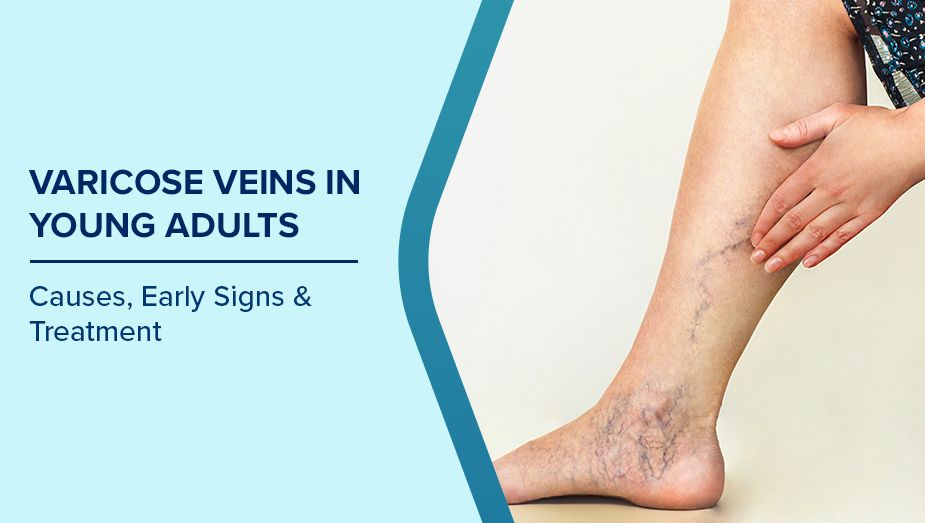
Varicose veins are swollen, twisted veins that appear just under the surface of the skin, most commonly in the legs. They develop when vein valves that normally help blood flow upward toward the heart become weak or damaged, causing blood to pool and the veins to stretch. This results in bulging, often blue or purple veins that may be visible and sometimes painful. While often considered a cosmetic concern, varicose veins can also lead to discomfort, swelling, heaviness, and more serious circulation issues if left untreated.
What Causes Varicose Veins at a Young Age
Even young adults can develop varicose veins due to a mix of factors:
- Genetics: Family history plays a major role. Young people with relatives who have varicose veins are at higher risk.
- Hormonal changes: Hormonal shifts during puberty or pregnancy can weaken vein walls.
- Prolonged sitting or standing: Desk jobs or work that involves long hours of standing can increase pressure in leg veins.
- Obesity: Extra body weight places more pressure on leg veins, leading to vein bulging.
- Lack of physical activity: Regular movement helps blood flow. Sitting still all day can add risk.
- Leg injuries or surgery: Previous damage to leg veins can lead to valve weakness later.
Early Signs of Varicose Veins in Young Adults
Recognising the symptoms early can help manage them more effectively:
- Visible blue or purple veins, often described as rope-like or bulging
- Swollen ankles or feet, especially after standing
- Achiness or heaviness in the legs at the end of the day
- Mild leg cramps or restless leg sensations at night
- Itching or mild burning around the affected vein
Early recognition of the early signs of varicose veins means a better chance of preventing progression.
Why It Matters to Address Them Early
Ignoring the problem at a young age may lead to:
- More noticeable, painful veins over time
- Skin discoloration or eczema near the vein
- Chronic swelling and discomfort
- Rarely, ulcer formation around the ankles
Young adults can preserve both comfort and appearance by taking action early.
Lifestyle Habits for Varicose Veins
Simple adjustments can lower the risk and ease symptoms:
- Stay active: Walking or cycling daily helps promote smooth circulation.
- Take movement breaks: Stand up and stretch every 30 minutes when at a desk.
- Elevate your legs: Rest with your legs raised to reduce pressure.
- Choose the right shoes: Avoid high heels and opt for supportive footwear.
- Maintain a healthy weight: A balanced diet and regular exercise help reduce joint stress.
- Wear compression socks: These help support vein function, especially during travel or prolonged periods of standing.
Good habits now can help prevent varicose veins in the future.
Treatment Options for Young Adults
Treatment depends on severity and personal preference:
Conservative Options
- Compression stockings: These are easy to use and often helpful in improving circulation.
- Lifestyle changes: Activity, diet, and leg elevation support vein health.
Non‑Surgical Treatments
- Sclerotherapy: A safe, minimally invasive injection that seals small veins, making them fade.
- Laser therapy: Uses light to close off small superficial veins without surgery.
- Radiofrequency ablation: Uses heat to close larger veins with minor discomfort.
Surgical Options
- Vein stripping or phlebectomy: For more advanced cases, excess veins can be removed under local anaesthesia.
At a younger age, treatments are effective and recovery tends to be quicker.
READ MORE: All You Need to Know about Varicose Vein Surgery
Preventing New Varicose Veins
Take these steps to prevent new veins from appearing:
- Be consistent with exercise and movement.
- Limit time spent sitting or standing still.
- Follow a leg-friendly diet high in fibre and low in salt.
- Avoid tight clothing around the thighs or waist.
- Maintain a healthy weight through balanced eating and physical activity.
These small efforts add up over time.
Emotional Impact and Support
Varicose veins can significantly impact self-image, mood, and overall comfort. Consider:
- Talking with peers or joining online support groups can help you feel less isolated.
- Consult a therapist if your confidence or emotions are impacted.
- Exploring cosmetic solutions discreetly or with a specialist.
Accepting help is part of holistic self-care.
Conclusion
Varicose veins in young adults are not rare, and early attention makes a real difference. Lifestyle changes, awareness of early signs, and modern treatment options can bring relief and support better long-term leg health. A few thoughtful actions today can preserve comfort and confidence down the road.
Frequently Asked Questions
Can exercise worsen varicose veins?
No, low-impact workouts like walking, swimming, or cycling support blood flow and reduce symptoms.
Is pregnancy a high-risk time for developing varicose veins?
Yes, hormonal shifts and increased blood volume can contribute to the development of varicose veins. Compression socks and exercise can help.
Do varicose veins always cause pain?
Not always. Some people have visible veins with no pain. Others feel heaviness, itching, or mild discomfort.
Can diet change the appearance of veins?
A healthy diet and reduced salt intake may help reduce swelling. However, visible veins usually require compression or medical treatment.
When is treatment recommended for young adults?
Treatment is recommended when symptoms interfere with comfort, appearance, or daily activities. Discuss with a specialist early.
How long do varicose vein treatments last?
Non-surgical treatments may require repeat sessions. Results often last several years if lifestyle habits are maintained.
Can compression socks be worn all day?
Yes, wearing daily helps relieve symptoms and supports circulation safely during standing or sitting.
Written and Verified by:

Related Blogs

Dr. Ritwick Raj Bhuyan In Cardiac Sciences , Cardiac Surgery (CTVS)
Nov 08 , 2020 | 2 min read

Dr. Gaurav Minocha In Cardiac Sciences
Nov 08 , 2020 | 4 min read
Blogs by Doctor


Coronary Artery Bypass Grafting (CABG): Myths and Facts
Dr. Aditya Kumar Singh In Cardiac Sciences , Cardiac Surgery (CTVS)
Nov 29 , 2023 | 3 min read
Most read Blogs


Related Blogs
Dr. Ritwick Raj Bhuyan In Cardiac Sciences , Cardiac Surgery (CTVS)
Nov 08 , 2020 | 2 min read
Dr. Gaurav Minocha In Cardiac Sciences
Nov 08 , 2020 | 4 min read
Blogs by Doctor
Coronary Artery Bypass Grafting (CABG): Myths and Facts
Dr. Aditya Kumar Singh In Cardiac Sciences , Cardiac Surgery (CTVS)
Nov 29 , 2023 | 3 min read
Most read Blogs