 WhatsApp Us (24/7)
 +91 926 888 0303 (24/7)


To Book an Appointment
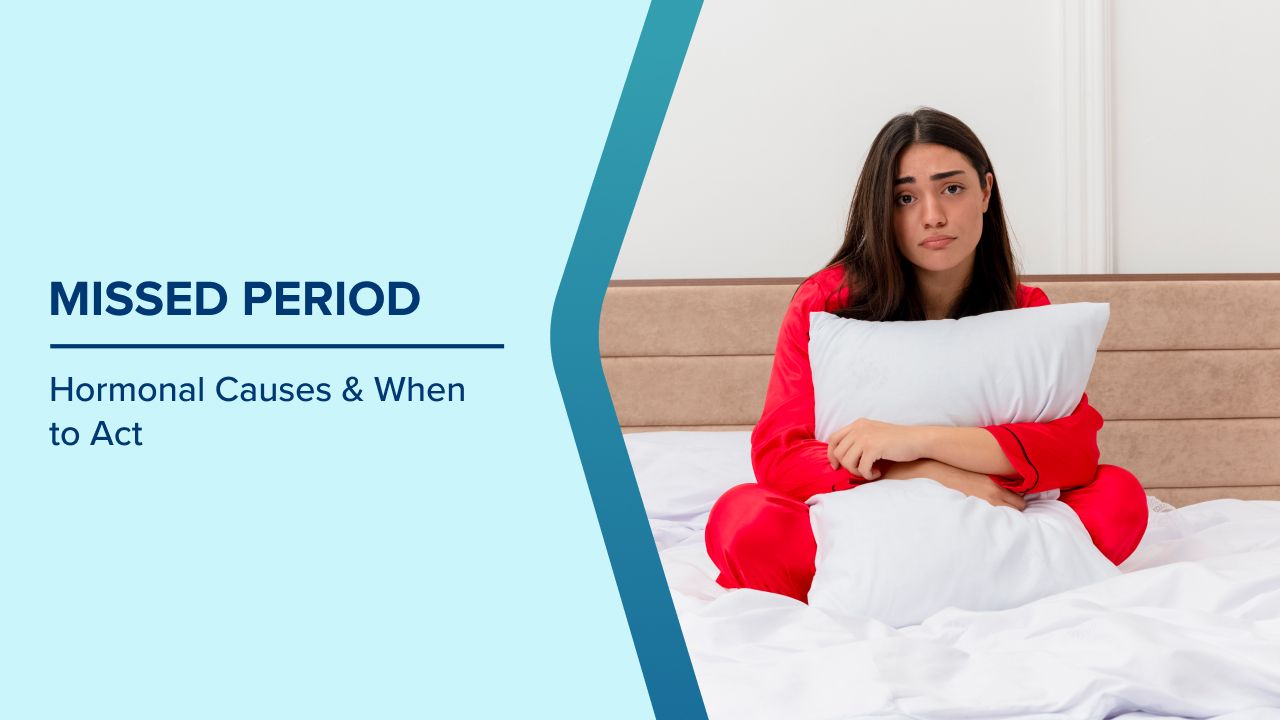
Call Us+91 926 888 0303Missed Period: Hormonal Causes & When to Act
By Dr. Ritu Sethi in Obstetrics And Gynaecology
Apr 27 , 2026

A missed period is often the first sign many women associate with pregnancy. While pregnancy is a common reason for delayed or missed periods, it is not the only cause. Several lifestyle factors, hormonal changes, and medical conditions can also affect the menstrual cycle.
Understanding the possible reasons behind a missed period can help reduce anxiety and guide you on when to seek medical advice.
What Is Considered a Missed Period?
A typical menstrual cycle lasts 21–35 days, although variations between individuals are common. When a period does not occur at the expected time, it is referred to as a missed or late period. Occasionally skipping a cycle can happen and may not necessarily indicate a serious health issue.
Common Causes of Missed Periods (Other Than Pregnancy)
- Stress and Emotional Factors: High levels of physical or emotional stress can disrupt hormonal signals between the brain and ovaries. This may temporarily stop ovulation, leading to delayed or missed periods.
- Sudden Weight Changes: Rapid weight gain or loss can affect estrogen levels and disrupt the hormones that regulate menstruation. Extreme dieting or obesity can both lead to irregular cycles.
- Excessive Exercise: Intense physical training, especially when combined with inadequate calorie intake, can suppress reproductive hormones, leading to irregular or temporarily absent periods.
- Hormonal Imbalances: Conditions such as Polycystic Ovary Syndrome (PCOS) or thyroid disorders can interfere with ovulation and cause irregular or missed periods.
- Birth Control Methods: Starting, stopping, or irregular use of hormonal contraceptives may temporarily affect the menstrual cycle. Some contraceptives even reduce or stop menstrual bleeding altogether.
- Illness or Medications: Certain medications, including antidepressants, hormone therapy, and treatments for thyroid disorders, can influence hormone levels and disrupt menstruation.
- Perimenopause: Women approaching menopause may experience irregular cycles due to fluctuating hormone levels. This phase typically begins in the 40s but can occur earlier in some individuals.
When Should You Take a Pregnancy Test?
If you are sexually active and your period is late, taking a home pregnancy test is usually the first step. However, very early testing may show a negative result because pregnancy hormone levels might still be too low to detect.
If your test is negative but your period does not occur within a few days, you should repeat the test or consult a doctor.
Read More:- Pregnancy Due Date Calculator
When to Consult a Doctor?
While occasional missed periods are common, medical evaluation is important if:
- You miss three consecutive periods
- Your periods suddenly become irregular
- You experience severe pelvic pain or unusual bleeding
- You notice symptoms like excessive hair growth, unexplained weight changes, or fatigue
Doctors may recommend tests such as hormone blood tests, ultrasound scans, or thyroid function tests to identify the underlying cause.
Maintaining a Healthy Menstrual Cycle
To help maintain regular cycles:
- Manage stress through relaxation techniques
- Maintain a balanced diet and healthy weight
- Avoid excessive exercise
- Track your menstrual cycle using a calendar or app
- Seek medical advice if irregularities persist
Conclusion
Missing a period does not always mean pregnancy. Lifestyle changes, stress, hormonal imbalances, and medical conditions can all influence the menstrual cycle. Paying attention to your body and seeking timely medical advice can help ensure reproductive health and peace of mind.
If you experience persistent menstrual irregularities, consult the specialists at Max Hospital, Gurugram, for accurate diagnosis and personalised care.
Written and Verified by:

Related Blogs

Dr. Manju Khemani In Obstetrics And Gynaecology
Oct 27 , 2020 | 3 min read

Dr. Neera Aggarwal In Obstetrics And Gynaecology , Nutrition And Dietetics
Nov 07 , 2020 | 7 min read
Blogs by Doctor
Obesity’s Impact on Women’s Hormones: Stress & Weight Gain
Dr. Ritu Sethi In Obstetrics And Gynaecology
Dec 31 , 2025 | 2 min read
Most read Blogs

Related Blogs
Dr. Manju Khemani In Obstetrics And Gynaecology
Oct 27 , 2020 | 3 min read
Dr. Neera Aggarwal In Obstetrics And Gynaecology , Nutrition And Dietetics
Nov 07 , 2020 | 7 min read
Blogs by Doctor
Obesity’s Impact on Women’s Hormones: Stress & Weight Gain
Dr. Ritu Sethi In Obstetrics And Gynaecology
Dec 31 , 2025 | 2 min read
Most read Blogs