 WhatsApp Us (24/7)
 +91 926 888 0303 (24/7)


To Book an Appointment
Call Us+91 926 888 0303Pap Smear Screening for Cervical Cancer: Prevention & Myths
By Dr. Ritu Sethi in Obstetrics And Gynaecology
Feb 16 , 2026

Cervical cancer is one of the few cancers that is largely preventable, yet it continues to affect thousands of women every year. The good news is that with timely screening, especially regular Pap smears, cervical cancer can often be detected early or even prevented altogether.
What Is a Pap Smear?
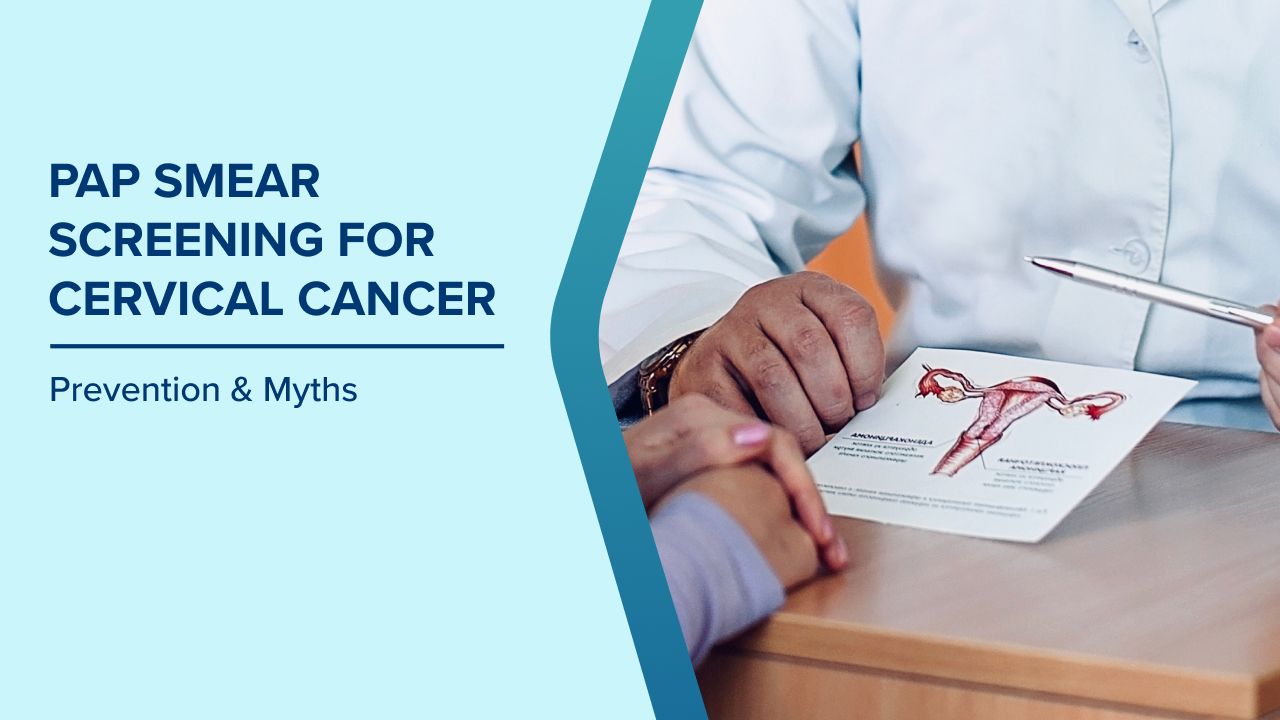
A Pap smear, or Pap test, is a routine screening procedure that takes only a few minutes and causes little discomfort. It is performed to identify abnormal cells in the cervix, the lower section of the uterus that opens into the vagina. When detected early, these cell changes can be managed before they gradually develop into cervical cancer.
Why Pap Smears Are So Important
Cervical cancer usually develops slowly. Before cancer forms, cervical cells often go through precancerous changes. A Pap smear can identify these changes long before symptoms appear, allowing timely treatment and preventing cancer from developing.
Regular Pap smears help by:
- Detecting precancerous cervical cell changes early
- Identifying cervical cancer at an early, highly treatable stage
- Reducing cervical cancer incidence and mortality significantly
The Link Between HPV and Cervical Cancer
Most cervical cancer cases develop due to a long-lasting infection with certain high-risk strains of the human papillomavirus (HPV). HPV is very common and often shows no symptoms. A Pap smear helps detect cell changes caused by HPV, even when a woman feels completely healthy.
In some cases, doctors may also recommend HPV testing along with the Pap smear for more accurate risk assessment.
Who Should Get a Pap Smear and How Often?
General screening recommendations include:
- Women aged 21–29: Pap smear every 3 years
- Women aged 30–65: Pap smear every 3 years, or Pap smear + HPV test every 5 years
- Women above 65: Screening may be stopped if previous tests were normal (as advised by a doctor)
- Women with certain risk factors: Weakened immunity, previous abnormal Pap results, or HPV infection may need more frequent screening
What Happens If an Abnormal Result Is Found?
An abnormal Pap smear does not indicate cancer. It simply indicates that some cervical cells are not normal. Depending on the result, your doctor may:
- Repeat the Pap smear after a few months
- Recommend an HPV test
- Perform a colposcopy for closer examination
- Early intervention at this stage is highly effective and often prevents cancer entirely
Overcoming Common Myths and Fears
Many women avoid Pap smears due to fear, embarrassment, or lack of symptoms. It’s important to remember:
- The test takes only a few minutes
- It is usually not painful
- You don’t need symptoms to get screened; screening is preventive
Conclusion
Regular Pap smears save lives. They detect changes early, long before cervical cancer develops or becomes dangerous. Making Pap smear screening a routine part of women’s healthcare is one of the most powerful steps toward eliminating cervical cancer.
As women, prioritising regular screening is not just about our own health; it’s about taking control of our future.
Consult your gynaecologist to know the right screening schedule for you.
Written and Verified by:

Related Blogs

Dr. Manju Khemani In Obstetrics And Gynaecology
Oct 27 , 2020 | 3 min read

Dr. Neera Aggarwal In Obstetrics And Gynaecology , Nutrition And Dietetics
Nov 07 , 2020 | 7 min read
Blogs by Doctor

Obesity’s Impact on Women’s Hormones: Stress & Weight Gain
Dr. Ritu Sethi In Obstetrics And Gynaecology
Dec 31 , 2025 | 2 min read

Most read Blogs

Related Blogs
Dr. Manju Khemani In Obstetrics And Gynaecology
Oct 27 , 2020 | 3 min read
Dr. Neera Aggarwal In Obstetrics And Gynaecology , Nutrition And Dietetics
Nov 07 , 2020 | 7 min read
Blogs by Doctor
Obesity’s Impact on Women’s Hormones: Stress & Weight Gain
Dr. Ritu Sethi In Obstetrics And Gynaecology
Dec 31 , 2025 | 2 min read
Most read Blogs