 WhatsApp Us (24/7)
 +91 926 888 0303 (24/7)


To Book an Appointment
Call Us+91 926 888 0303Understanding Heartburn, Acid Reflux, and GERD
By Dr. Vibhu Mittal in Gastroenterology, Hepatology & Endoscopy
Jan 20 , 2025 | 9 min read
1

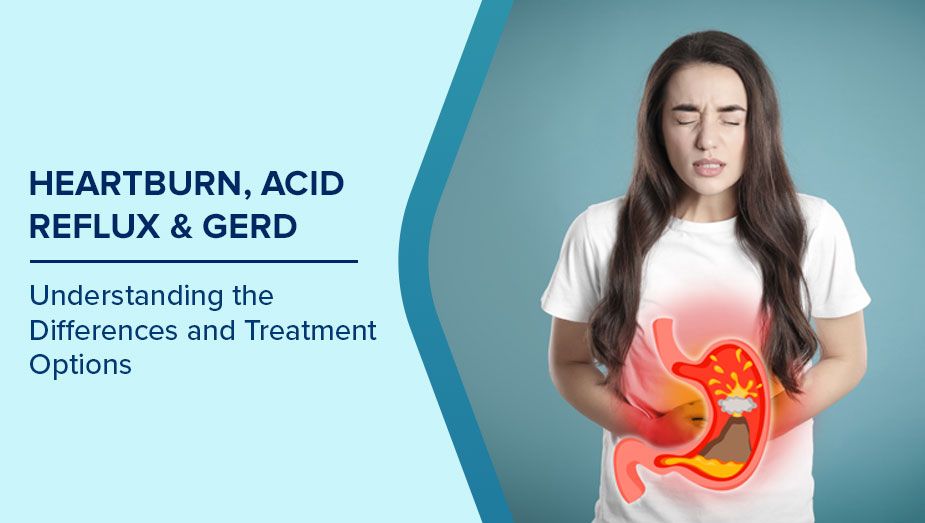
Heartburn, acid reflux, and GERD are common digestive issues in India due to spicy and oily foods being a regular part of the daily diet. These conditions often lead to issues such as a burning sensation in the chest, regurgitation, and difficulty swallowing, which can interfere with everyday life. While occasional heartburn is nothing to worry about, frequent episodes could indicate a more serious problem such as GERD. Understanding the differences between these conditions, their symptoms, and triggers is crucial for effective management of these conditions. In this article, we will explore the causes, prevention tips, and treatment options to help you make informed decisions for better digestive health. Read on.
Heartburn, Acid Reflux, and GERD: How Are They Different?
Heartburn, acid reflux, and GERD are often confused, but they refer to different aspects of the same underlying issue. Understanding these differences is key to recognising symptoms and seeking appropriate treatment.
- Heartburn: A burning sensation in the chest or throat caused by stomach acid irritating the oesophagus. It is a symptom, not a condition.
- Acid Reflux: A condition where stomach acid flows back into the oesophagus, leading to symptoms such as heartburn and regurgitation.
- GERD (Gastroesophageal Reflux Disease): A chronic and severe form of acid reflux that causes frequent symptoms and may lead to complications if untreated.
Symptoms to Watch Out For
Recognising the symptoms of heartburn, acid reflux, and GERD is crucial for understanding when occasional discomfort becomes a more serious concern. Here are the common symptoms:
Heartburn
- A burning sensation in the chest or throat, often after eating.
- Worsens when lying down or bending over.
Acid Reflux
- Regurgitation of food or sour liquid into the mouth.
- A sour or bitter taste in the throat or mouth.
- Chest discomfort or bloating.
GERD (Gastroesophageal Reflux Disease)
- Frequent or severe heartburn (more than twice a week).
- Difficulty swallowing or feeling like food is stuck.
- Chronic cough or hoarseness.
- Persistent sore throat or a lump-in-the-throat sensation.
- Chest pain or pressure that mimics heart-related issues.
Read More:- All You Need To Know About Heartburn: Causes, Symptoms And Treatment
What Causes Heartburn, Acid Reflux, and GERD?
Heartburn, acid reflux, and GERD all stem from similar underlying causes, primarily related to the malfunction of the lower oesophageal sphincter (LES)—a ring of muscle that separates the stomach from the oesophagus. Here’s what contributes to these conditions:
Weakening of the LES
- The LES fails to close properly, allowing stomach acid to flow back into the oesophagus.
- Common triggers include overeating, lying down after meals, or consuming certain foods and beverages.
Diet and Lifestyle Choices
- Trigger Foods: Spicy, fatty, or acidic foods (e.g., curries, fried snacks, citrus fruits).
- Beverages: Carbonated drinks, alcohol, and caffeinated drinks.
- Overeating: Large meals increase stomach pressure, pushing acid into the oesophagus.
Obesity and Pregnancy
- Extra abdominal pressure can weaken the LES and increase the likelihood of acid reflux.
Smoking and Alcohol
- Smoking weakens the LES, while alcohol increases stomach acid production.
Medical Conditions
- Hiatal Hernia: A condition where part of the stomach pushes through the diaphragm, affecting LES function.
- Delayed Stomach Emptying (Gastroparesis): Causes food and acid to remain in the stomach longer.
Certain Medications
- Medications like NSAIDs (e.g., ibuprofen), sedatives, and antidepressants can weaken the LES or irritate the stomach lining.
Read More:- What is GERD (Gastroesophageal Reflux Disease)
How These Conditions Can Affect Your Health
While occasional heartburn or acid reflux may seem harmless, frequent or untreated symptoms can lead to significant health issues. Here’s how these conditions can affect your overall well-being:
- Discomfort and Reduced Quality of Life:Persistent symptoms such as burning, regurgitation, or chest discomfort can interfere with daily activities, work, and sleep.
- Oesophagitis (Inflammation of the Oesophagus):Repeated exposure to stomach acid can cause inflammation and irritation in the oesophagus, leading to pain and difficulty swallowing.
- Barrett’s Oesophagus:A condition where the oesophageal lining changes due to prolonged acid exposure, increasing the risk of oesophageal cancer.
- Strictures (Narrowing of the Oesophagus): Scar tissue from acid damage can cause the oesophagus to narrow, leading to swallowing difficulties.
- Increased Risk of Respiratory Problems: Acid reflux can irritate the throat and airways, causing chronic cough, laryngitis, or even worsening asthma symptoms.
- Oesophageal Cancer: Untreated GERD, particularly in cases involving Barrett’s oesophagus, can increase the risk of developing oesophageal cancer.
Easy Tips to Prevent Heartburn and Acid Reflux
Preventing heartburn and acid reflux is often about making simple changes to your daily habits and diet. Here are some easy tips to keep discomfort at bay:
Watch What You Eat
- Avoid Trigger Foods: Limit spicy, fatty, fried, or acidic foods like curries, citrus fruits, and tomato-based dishes.
- Eat Smaller Portions: Large meals increase stomach pressure and the likelihood of acid reflux.
Change How You Eat
- Chew Slowly: Eating too quickly can worsen reflux.
- Avoid Lying Down After Meals: Wait at least 2–3 hours before reclining or sleeping.
Maintain a Healthy Weight
- Excess weight puts pressure on the abdomen, increasing the risk of acid reflux. Aim for a balanced diet and regular exercise to maintain a healthy BMI.
Avoid Smoking and Excessive Alcohol
- Smoking weakens the LES, and alcohol increases stomach acid production. Quitting these habits can significantly reduce symptoms.
Sleep Smart
- Elevate Your Head: Use a wedge pillow or elevate the head of your bed to keep acid from flowing back into the oesophagus at night.
- Sleep on Your Left Side: This position reduces the risk of acid reflux compared to sleeping on your right side.
Wear Comfortable Clothing
- Avoid tight belts or clothes that press on your abdomen, which can trigger reflux.
Stay Hydrated but Smart
- Drink water throughout the day, but avoid large amounts during meals to prevent bloating.
Manage Stress
- High stress levels can worsen acid reflux. Practice relaxation techniques like yoga, deep breathing, or meditation.
Read More:- How to Avoid GERD: Effective Diet & Lifestyle Strategies for Relief
Treatments for Heartburn, Acid Reflux, and GERD
The treatment for heartburn, acid reflux, and GERD depends on the frequency and severity of symptoms. Options range from simple lifestyle changes to medications and, in severe cases, surgery.
Over-the-Counter (OTC) Medications
- Antacids: Provide quick relief by neutralising stomach acid (e.g., calcium carbonate).
- H2 Blockers: Reduce acid production (e.g., ranitidine, famotidine).
- Proton Pump Inhibitors (PPIs): Block acid production for longer-lasting relief (e.g., omeprazole, lansoprazole).
Prescription Medications
- For severe or chronic GERD, stronger doses of H2 blockers or PPIs may be prescribed.
- Prokinetics may be used to improve stomach emptying and strengthen the LES.
Surgery and Advanced Procedures
- Recommended for patients with severe GERD who don’t respond to medications:
- Fundoplication: A surgical procedure to strengthen the LES by wrapping the upper part of the stomach around it.
- LINX Device: A magnetic ring placed around the LES to prevent acid reflux.
Alternative Therapies
- Some people find relief through natural remedies like ginger tea, chamomile tea, or aloe vera juice. However, consult a doctor before trying these.
When to See a Doctor?
While occasional heartburn or acid reflux can often be managed at home, persistent or severe symptoms may indicate a more serious condition like GERD. It’s important to seek medical attention if you experience:
- Frequent Symptoms: If you get heartburn more than twice a week or your symptoms don’t improve with medicines, visit a doctor.
- Trouble Swallowing: If swallowing feels painful or like food is stuck in your throat or chest, get it checked.
- Chest Pain: Severe chest pain can feel like a heart problem. It’s important to rule out heart issues first.
- Weight Loss or No Appetite: If you lose weight without trying or have trouble eating, see a doctor.
- Vomiting Blood or Black Stools: These could mean bleeding in your digestive system and need immediate attention.
- Cough or Hoarseness: A lasting cough, sore throat, or changes in your voice could be linked to acid reflux.
Seeking timely help can prevent complications such as oesophagitis, strictures, or oesophageal cancer. A doctor can recommend appropriate tests, such as an endoscopy, and tailor a treatment plan to your needs.
If you’re unsure about your symptoms, it’s always better to err on the side of caution and consult a healthcare professional. Early intervention can make a significant difference in managing these conditions effectively.
Common Myths About Heartburn and Acid Reflux
There are many misconceptions about heartburn and acid reflux that can lead to confusion and ineffective management. Let’s debunk some of the most common myths:
Myth: Heartburn is Just a Minor Issue
- Fact: Occasional heartburn may be harmless, but frequent episodes can indicate a serious condition like GERD. Untreated, it can lead to complications such as oesophagitis or even cancer.
Myth: Spicy Foods Are the Only Trigger
- Fact: While spicy foods can worsen symptoms, triggers vary widely and may include fatty foods, caffeine, chocolate, or even overeating.
Myth: Drinking Milk Relieves Heartburn
- Fact: Milk may provide temporary relief, but it can actually stimulate acid production later, worsening symptoms.
Myth: Only Overweight People Get Acid Reflux
- Fact: While obesity increases the risk, acid reflux can affect anyone, regardless of weight, due to factors like diet, stress, or a weak LES.
Myth: Heartburn Means You’re Producing Too Much Acid
- Fact: Heartburn often results from stomach acid entering the oesophagus, not necessarily from excess acid production.
Myth: GERD is Always Painful
- Fact: GERD doesn’t always cause heartburn. Silent reflux (Laryngopharyngeal Reflux) can lead to symptoms like a chronic cough, sore throat, or hoarseness without noticeable heartburn.
Myth: Acid Reflux is Contagious
- Fact: Acid reflux is caused by physical and lifestyle factors, not infections, so it cannot be transmitted from one person to another.
Myth: Lying Down Immediately After Eating Relieves Symptoms
- Fact: Lying down too soon after eating worsens reflux by allowing stomach acid to flow back into the oesophagus.
Natural Remedies to Soothe Heartburn and Acid Reflux
While medications can effectively manage heartburn and acid reflux, some natural remedies can provide relief and complement your treatment plan. These remedies focus on soothing symptoms, reducing acid production, and improving digestion. Here are some effective options:
Ginger
- Known for its anti-inflammatory properties, ginger can help reduce acid reflux symptoms.
- How to Use: Sip on ginger tea or chew a small piece of fresh ginger after meals.
Apple Cider Vinegar (ACV)
- Though acidic, diluted ACV is believed to balance stomach pH levels and reduce reflux.
- How to Use: Mix 1–2 teaspoons of ACV in a glass of water and drink before meals.
Bananas and Apples
- Bananas are naturally low in acid and can coat the stomach lining, while apples can help reduce acid production.
- How to Use: Include these fruits as snacks or part of your meals.
Fennel Seeds
- Fennel seeds improve digestion and reduce bloating, which can help prevent reflux.
- How to Use: Chew a teaspoon of fennel seeds after meals or brew them into tea.
Slippery Elm
- Slippery elm forms a protective coating on the stomach and oesophagus to reduce irritation.
- How to Use: Mix slippery elm powder with water and drink before meals.
Chamomile Tea
- Chamomile tea can reduce stress and inflammation, two contributors to acid reflux.
- How to Use: Drink a cup of chamomile tea before bedtime.
Note: Natural remedies should not be considered a substitute for medical treatment, especially in severe cases like GERD. It is always advisable to consult a doctor before trying any new remedies, particularly if you are taking medications or have underlying health conditions.
Conclusion
Heartburn, acid reflux, and GERD are common but manageable conditions when addressed with the right knowledge and care. Understanding the causes, symptoms, and treatment options is key to improving your digestive health and preventing complications. Simple lifestyle changes, natural remedies, and timely medical intervention can make a significant difference.
If you or someone you know is dealing with persistent symptoms of heartburn or GERD, don’t wait—get expert care today. At Max Hospitals, we provide expert care with advanced diagnostic and treatment options for acid reflux and GERD. Take charge of your health today—schedule a consultation with our specialists and start your journey toward lasting relief.
Book your appointment now at Max Hospitals!
Written and Verified by:

Related Blogs

Dr. Nivedita Pandey In Gastroenterology, Hepatology & Endoscopy , Liver Transplant and Biliary Sciences
Nov 07 , 2020 | 2 min read

Dr. Nivedita Pandey In Gastroenterology, Hepatology & Endoscopy , Liver Transplant and Biliary Sciences
Nov 07 , 2020 | 2 min read
Blogs by Doctor

Dr. Vibhu Mittal In Gastroenterology, Hepatology & Endoscopy
Dec 16 , 2016 | 2 min read

Binge Drinking and Alcoholic Liver Disease (ALD): Understanding the Link
Dr. Vibhu Mittal In Gastroenterology, Hepatology & Endoscopy
Apr 17 , 2024 | 2 min read
Most read Blogs


Related Blogs
Dr. Nivedita Pandey In Gastroenterology, Hepatology & Endoscopy , Liver Transplant and Biliary Sciences
Nov 07 , 2020 | 2 min read
Dr. Nivedita Pandey In Gastroenterology, Hepatology & Endoscopy , Liver Transplant and Biliary Sciences
Nov 07 , 2020 | 2 min read
Blogs by Doctor
Dr. Vibhu Mittal In Gastroenterology, Hepatology & Endoscopy
Dec 16 , 2016 | 2 min read
Binge Drinking and Alcoholic Liver Disease (ALD): Understanding the Link
Dr. Vibhu Mittal In Gastroenterology, Hepatology & Endoscopy
Apr 17 , 2024 | 2 min read
Most read Blogs