 व्हाट्सऐप करें (24/7)
 +91 926 888 0303 (24/7)


सार:ब्लड कल्चर में होने वाली दूषितता के कारण गलत निदान हो सकता है और अनावश्यक ट्रीटमेंट और टेस्ट के कारण हेल्थकेयर की लागत बढ़ सकती है। दूषितता की दर को कम करने के लिए विभिन्न तकनीकों का पता लगाया गया है, जिससे वास्तविक रोगजनकों को दूषित पदार्थों से अलग करने की चुनौती का समाधान किया जा सके। यह अध्ययन ब्लड कल्चर में होने वाली दूषितता का अवलोकन प्रस्तुत करता है, जिसमें पहचान और रोकथाम दोनों को बेहतर बनाने के लिए विभिन्न दृष्टिकोणों की जांच की गई है। यह बहु-विषयक सहयोग और ब्लड कल्चर सैंपलिंग की सटीकता और गुणवत्ता को बढ़ाने के लिए विविध रणनीतियों की आवश्यकता पर जोर देता है।
संक्रमण नियंत्रण प्रथाओं को बेहतर बनाने के लिए किए गए प्रयासों का उद्देश्य पेशेंट की सुरक्षा सुनिश्चित करना और बेहतर परिणाम प्राप्त करना है। इमरजेंसी विभाग में ब्लड कल्चर में संक्रमण की दर में वृद्धि देखी गई, जिसके कारण हमने वैज्ञानिक रूप से सैंपलिंग विधियों को बेहतर बनाने और कोलोनाइजर ब्लड कल्चर रिपोर्ट को कम करने के लिए प्रयास शुरू किए।
मुख्य शब्द:ब्लड कल्चर, कोलोनाइजेशन, एसेप्टिक तकनीकें।
परिचय
ब्लड कल्चर में संदूषण (contamination) से डॉक्टरों और माइक्रोबायोलॉजिस्टों के लिए सेप्सिस का निदान करने में चुनौतियाँ पैदा होती हैं। इससे निदान में अनिश्चितता और हेल्थकेयर की लागत बढ़ जाती है, जिसके कारण ब्लड कल्चर सैंपलिंग की गुणवत्ता और विश्वसनीयता में सुधार के लिए बहु-विषयक प्रयासों और बहु-लक्षित रणनीतियों की आवश्यकता होती है।[1]
पृष्ठभूमि
निगरानी डेटा, इन्फेक्शन कंट्रोल नर्स (आईसीएन) ऑडिट और इंटेंसिव केयर यूनिट (आईसीयू) के डॉक्टरों से मिली प्रतिक्रिया से पता चला है कि इमरजेंसी विभाग में दूषित ब्लड कल्चर की संख्या में वृद्धि हो रही है।
लक्ष्य और उद्देश्य
ब्लड कल्चर में संक्रमण होने से पेशेंट्स को कई तरह के जोखिम हो सकते हैं, जिनमें अनावश्यक एंटीमाइक्रोबियल थेरेपी, अतिरिक्त खतरे और लागत शामिल हैं। संक्रमण को कम करने का एक प्रभावी तरीका है, ब्लड सैंपल लेने के दौरान शुरुआती ब्लड सैंपल को अलग कर देना। हमारे प्रोजेक्ट का उद्देश्य यह था:
1. इमरजेंसी डिपार्टमेंट में सुरक्षित सैंपलिंग प्रक्रियाओं को बेहतर बनाएं।
2. तकनीकों और प्रक्रियाओं में कमियों की पहचान करें।
3. सुधारात्मक और निवारक उपायों की योजना बनाएं और उन्हें लागू करें।
4. प्रक्रियाओं को और मजबूत करें।
दूषित/कोलोनाइजर ब्लड कल्चर की परिभाषा
दूषित ब्लड कल्चर का मतलब है कि एक ही ब्लड कल्चर सेट में सामान्य और पर्यावरणीय सूक्ष्मजीव मौजूद हैं, जो वास्तविक बैक्टीरेमिया का संकेत नहीं देते हैं।[1]
कोलोनाइजेशन: किसी जीव की उपस्थिति किसी होस्ट के शरीर में, जिसमें उस जीव की वृद्धि और गुणन होता है, लेकिन होस्ट और जीव के बीच कोई प्रतिक्रिया नहीं होती (कोई नैदानिक अभिव्यक्ति नहीं, कोई प्रतिरक्षा प्रतिक्रिया नहीं)।[1]
कोलोनाइजर रिपोर्ट के प्रभाव:
1. इससे पेशेंट की देखभाल की गुणवत्ता पर असर पड़ सकता है।
2. अनावश्यक एंटीबायोटिक दवाओं का उपयोग।
3. लंबे समय तक हॉस्पिटल में रहना।
4. पेशेंट और हेल्थकेयर कर्मचारियों में मानसिक तनाव पैदा करें।
तरीके
जनवरी 2023 से जून 2023 तक किए गए एक पूर्वव्यापी अध्ययन में 1306 पेशेंट्स को शामिल किया गया, जिसमें कोएगुलेज़-नेगेटिव स्टैफिलोकोकस पॉजिटिव ब्लड कल्चर के 46 मामले पाए गए (चित्र 1)। डिफाइन, मेज़र, एनालाइज़, इम्प्रूव और कंट्रोल (डीएमएआईसी) प्रक्रिया का पालन करके प्रक्रिया को परिभाषित किया गया, बेसलाइन दर को मापा गया, ऑडिट चेकलिस्ट का उपयोग करके समस्याओं की पहचान की गई (चित्र 2), डेटा का विश्लेषण किया गया, मूल कारणों की पहचान की गई, सुधारात्मक और निवारक उपायों को लागू किया गया, और स्थिरता सुनिश्चित की गई। 5 व्हाईज़ और फिश बोन विधि का उपयोग करके मूल कारण विश्लेषण किया गया (चित्र 3)।
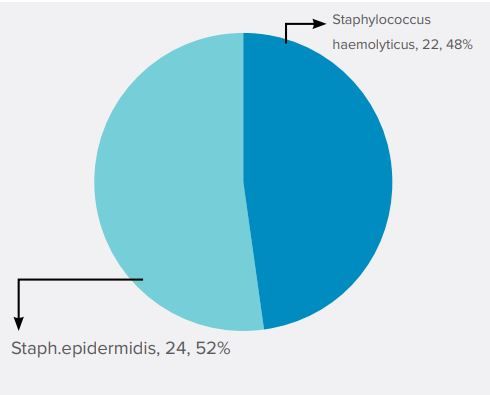
चित्र 1:कोलोनाइज़र रिपोर्ट की दर-46 पेशेंट्स में (जनवरी 23 से जून 23 तक) संक्रमण पाया गया।
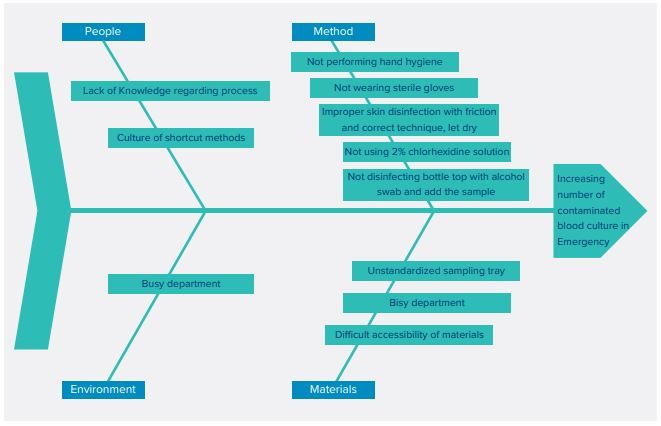
चित्र 3:फ़िश बोन एनालिसिस
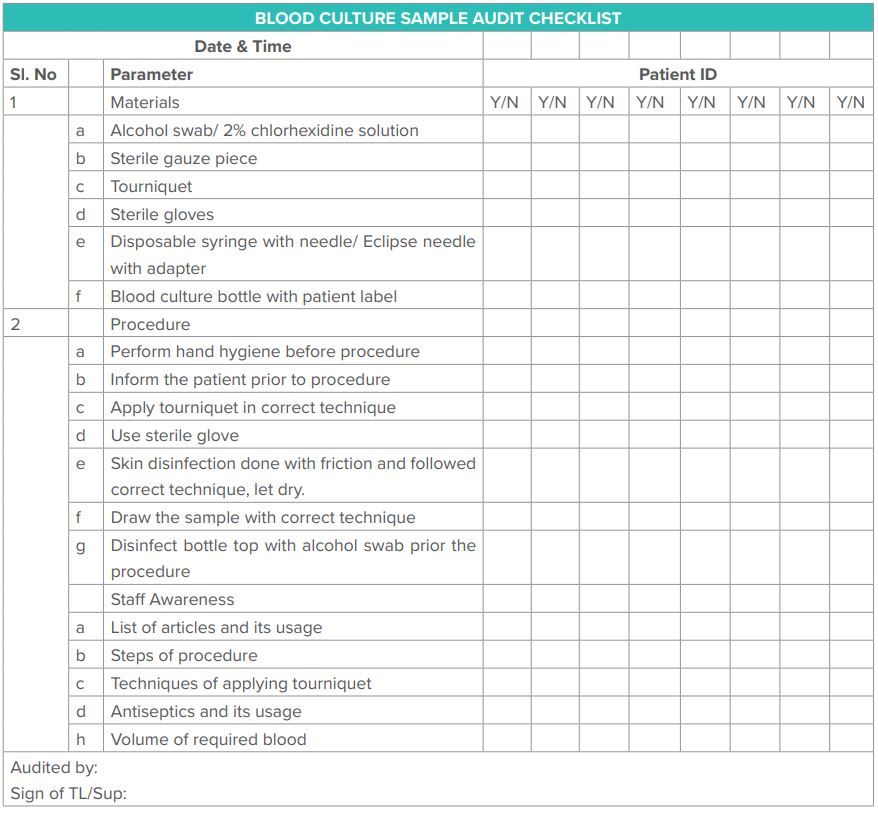
चित्र 2:ऑडिट चेकलिस्ट
मछली की हड्डी के विश्लेषण में महत्वपूर्ण निष्कर्ष।
1. सर्जरी से पहले एसेप्टिक तकनीक और हाथ की स्वच्छता का पालन नहीं किया गया।
2. सर्जरी के दौरान स्टेरलाइज्ड दस्ताने इस्तेमाल नहीं किए गए।
3. त्वचा को तैयार करने की उचित तकनीक, जिसमें सुखाना भी शामिल है, का पालन नहीं किया गया।
4.2% w/v क्लोरहेक्सिडिन ग्लुकोनेट (CHG) का उपयोग नहीं किया गया।
5. एक पेशेंट के बाद दूसरे पेशेंट के लिए टूर्निकेट को सैनिटाइज़ नहीं किया गया था।
6. बोतलों के ढक्कनों को कीटाणुरहित नहीं किया गया था।
7. ट्रे में पर्याप्त संख्या में उपकरण उपलब्ध नहीं थे।
8. यहाँ कोई मानकीकृत ब्लड कल्चर सैंपलिंग ट्रे उपलब्ध नहीं थी।
सुधारात्मक कार्रवाई और निवारक कार्रवाई[2,3]
1. मानकीकृत ब्लड कल्चर सैंपलिंग ट्रे का उपयोग शुरू किया गया।
2. त्वचा की तैयारी के लिए 2 चरणों की प्रक्रिया शुरू की गई: पहले चरण में अल्कोहल स्वैब का उपयोग किया गया और दूसरे चरण में 2% w/v CHG का उपयोग किया गया।
3. ब्लड कल्चर सैंपलिंग के लिए इस्तेमाल होने वाले उपकरणों की सूची को मानकीकृत किया गया।
4. ब्लड कल्चर सैंपलिंग के चरणों को दर्शाने वाला एक फ्लो चार्ट तैयार किया गया, जिसमें सीडीसी दिशानिर्देशों और साक्ष्य-आधारित अध्ययनों के अनुसार सही प्रक्रियाओं को शामिल किया गया।[4]
5. लागू की गई पहलों पर कर्मचारियों के लिए प्रशिक्षण कार्यक्रम आयोजित किया गया।
परिणाम
एक तुलनात्मक अध्ययन किया गया ताकि यह मूल्यांकन किया जा सके कि त्वचा की तैयारी के लिए अकेले 70% आइसोप्रोपिल अल्कोहल का उपयोग करने की तुलना में 2% क्लोरहेक्सिडिन उत्पाद और 70% आइसोप्रोपिल अल्कोहल के संयोजन का उपयोग करने में कितना प्रभावी है, और यह DMAIC प्रक्रिया के साथ किया गया। शुरुआत में, जुलाई 2023 से सितंबर 2023 तक, 709 पेशेंट्स में त्वचा की तैयारी के लिए केवल 70% आइसोप्रोपिल अल्कोहल का उपयोग किया गया, लेकिन उपनिवेशण (colonizer) की रिपोर्ट की दर में कोई बदलाव नहीं आया। परिणामस्वरूप, अक्टूबर 2023 से, त्वचा और रक्त कल्चर बोतल सेप्टम के कीटाणुशोधन के लिए 2% क्लोरहेक्सिडिन उत्पाद और 70% आइसोप्रोपिल अल्कोहल के संयोजन का उपयोग किया गया। इसके बाद, अलग-अलग परिधीय शिराओं से, नए डाले गए IV कैथेटर से, या नैदानिक रूप से आवश्यक होने पर लाइन से दो या अधिक रक्त कल्चर सेट एकत्र किए गए। त्वचा के फ्लोरा के कारण होने वाले दूषित पदार्थों की एक मानक परिभाषा का उपयोग किया गया, विशेष रूप से कोगुलेज़-नेगेटिव स्टैफिलोकोकस। इस चरण में कुल 649 पेशेंट्स में दूषित रक्त कल्चर रिपोर्ट में कमी देखी गई। हमारे प्रोजेक्ट ने दूषित/उपनिवेशण रिपोर्ट में 57% की कमी हासिल की (टेबल 1 और 2)।
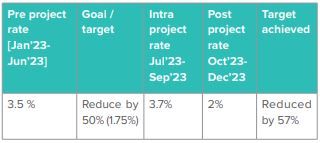
टेबल 1:दूषित/कॉलोनी बनाने वाले रक्त कल्चर रिपोर्ट की दर [परियोजना से पहले, परियोजना के दौरान और परियोजना के बाद]।
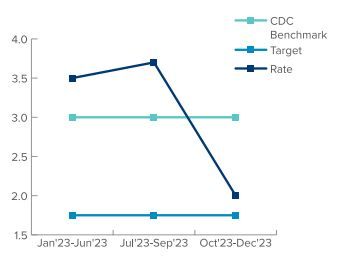
टेबल 2:दूषित/कॉलोनी बनाने वाले रक्त कल्चर रिपोर्ट का रुझान [परियोजना से पहले, परियोजना के दौरान और परियोजना के बाद]
निष्कर्ष:
मानकीकृत ब्लड कल्चर ट्रेज़ को 2% w/v सीएचजी के साथ लागू करना, प्रक्रिया प्रवाह चार्ट विकसित करना और व्यापक स्टाफ प्रशिक्षण आयोजित करना, इन सभी से प्रक्रियाओं और स्टाफ के ज्ञान में महत्वपूर्ण सुधार हुआ। उल्लेखनीय रूप से, इस परियोजना में रक्त की सही मात्रा के नमूने लेने की आवश्यकता को भी संबोधित किया गया।

संदर्भ
- बेट्स डी.डब्ल्यू., गोल्डमैन एल., ली टी.एच. दूषित ब्लड कल्चर और संसाधनों का उपयोग: गलत-सकारात्मक परिणामों के वास्तविक परिणाम। जमा। 1991 जनवरी 16; 265(3): 365-9।
- पैटन आरजी, श्मिट टी. ब्लड कल्चर में संक्रमण को कम करने के लिए नवाचार: प्रारंभिक नमूना विचलन तकनीक। जर्नल ऑफ क्लिनिकल माइक्रोबायोलॉजी। 2010 दिसंबर; 48(12): 4501-3.
- बिंखामास के., फॉरवर्ड के. प्रारंभिक नमूना संग्रह तकनीक का रक्त कल्चर में होने वाले संक्रमण की दर पर प्रभाव। जर्नल ऑफ क्लिनिकल माइक्रोबायोलॉजी। 2014 मार्च; 52(3):980-1.
- सीडीसी। ब्लड कल्चर कॉन्टैमिनेशन: इन्फेक्शन कंट्रोल और एंटीबायोटिक स्टीवर्डशिप प्रोग्राम्स के लिए एक अवलोकन, जो क्लिनिकल लेबोरेटरी के साथ काम करते हैं [इंटरनेट]। यहां से उपलब्ध: https://www.cdc.gov/antibiotic-use/core-elements/pdfs/fs-bloodculture-508.
- सल्लुज़ो आर, रेली के. इमरजेंसी डिपार्टमेंट में ब्लड कल्चर का उचित क्रम में ऑर्डर कैसे करें। अमेरिकन जर्नल ऑफ मेडिकल क्वालिटी। 1991 मार्च 1; 6(1): 28-31।