 WhatsApp Us (24/7)
 +91 926 888 0303 (24/7)


To Book an Appointment
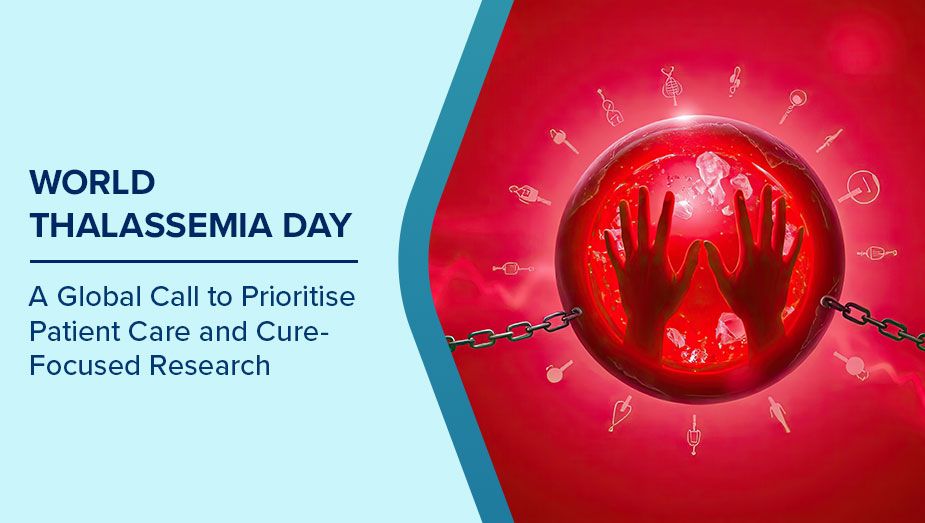
Call Us+91 926 888 0303World Thalassemia Day 2026: A Global Call to Prioritise Patient Care and Cure-Focused Research
By Dr. Rajiv Dang in Internal Medicine
May 01 , 2026 | 11 min read
3

Thalassemia is a hereditary blood disorder that affects approximately 4.4 out of every 10,000 live births globally. Though a rare disorder, it disrupts haemoglobin production, leaving millions dependent on lifelong blood transfusions and costly treatments. Despite its widespread impact, awareness remains low, making access to care a challenge for many.
World Thalassemia Day, observed on May 8, highlights these issues, calling for better treatment options and advancements in research. This blog explores the impact of thalassemia, the challenges patients face, the importance of research, and ways to support the cause. But before that, let us first understand the significance of this day.
History and Significance of World Thalassemia Day
World Thalassemia Day was established to honour individuals living with thalassemia and to raise awareness about the condition. It is observed annually on May 8, a date chosen by the Thalassaemia International Federation (TIF) in memory of George Englezos, the son of TIF’s founder, who lost his life to the disorder.
The day serves as a global platform to highlight the struggles faced by patients, advocate for better healthcare policies, and promote research aimed at finding a cure. It also encourages blood donations, as regular transfusions are a lifeline for many individuals with thalassemia. Over the years, World Thalassemia Day has helped improve awareness, leading to better screening programmes, early diagnosis, and advancements in treatment.
World Thalassemia Day Theme 2026
World Thalassemia Day this year is anchored in the theme "Hidden No More: Finding the Undiagnosed. Supporting the Unseen." The campaign shines a light on those living without diagnosis, without support, and without recognition, calling on the world to bring them into view. It addresses two interconnected gaps: the large number of people who go undiagnosed due to limited screening, and those already diagnosed who remain overlooked by healthcare systems and marginalised within their own communities.
What is Thalassemia?
Thalassemia is a genetic blood disorder that affects the body's ability to produce haemoglobin, the protein in red blood cells responsible for carrying oxygen. When haemoglobin production is reduced or faulty, red blood cells do not function properly, leading to anaemia and other health complications. The severity of thalassemia depends on the number of defective genes inherited from parents and the specific type of the disorder.
Thalassemia is broadly classified into alpha thalassemia and beta thalassemia, depending on which part of the haemoglobin molecule is affected:
Alpha Thalassemia
Caused by mutations in the genes that control the production of alpha-globin chains. The severity varies based on how many genes are affected:
- Silent carrier: One gene is mutated, causing no symptoms.
- Alpha thalassemia trait: Two genes are mutated, leading to mild anaemia.
- Haemoglobin H disease: Three genes are mutated, causing moderate to severe anaemia.
- Alpha thalassemia major: All four genes are mutated, often leading to stillbirth or severe complications after birth.
Beta Thalassemia
Caused by mutations in the genes that control beta-globin chain production. The severity also depends on the number of affected genes:
- Beta thalassemia minor: One gene is mutated, leading to mild anaemia.
- Beta thalassemia intermedia: Two genes are affected but with less severity than major thalassemia, causing moderate anaemia and some complications.
- Beta thalassemia major (Cooley’s anaemia): Both genes are severely affected, leading to life-threatening anaemia that requires regular blood transfusions and medical care.
Who is Most at Risk of Thalassemia?
The risk of developing thalassemia depends on genetic inheritance and ethnic background. Certain populations and individuals are more likely to carry the mutated genes that cause the condition.
1. Individuals with a Family History of Thalassemia
Thalassemia occurs when a child inherits a faulty haemoglobin gene from one or both parents. If both parents carry a thalassemia gene, the child has a 25% chance of developing severe thalassemia (thalassemia major), a 50% chance of being a carrier (thalassemia minor), and a 25% chance of inheriting normal genes. Carriers usually do not have symptoms but can pass the gene to their children.
2. People from High-Risk Ethnic Groups
Thalassemia is more common in regions where malaria was historically widespread, as carrying the gene once provided some protection against malaria. The condition is most prevalent among people from:
- The Mediterranean (Italy, Greece, Cyprus)
- The Middle East (Iran, Saudi Arabia, Turkey)
- South and Southeast Asia (India, Pakistan, Bangladesh, Thailand, China)
- Africa
In these regions, up to 10-20% of the population may carry the thalassemia gene, making genetic screening an important preventive measure.
3. Children Born to Carrier Parents
Even if a child does not develop severe thalassemia, inheriting one faulty gene can lead to thalassemia minor, which may cause mild anaemia. Carriers usually do not require treatment, but they can pass the gene to their children. Genetic counselling is recommended for couples with a family history of thalassemia to assess their risk before planning a pregnancy.
4. Individuals Undergoing Frequent Blood Transfusions
Although not a direct cause, individuals who receive regular blood transfusions due to other conditions (such as sickle cell disease) may develop iron overload, similar to thalassemia patients. This highlights the need for proper monitoring and iron chelation therapy in high-risk groups.
5. Populations with Limited Access to Screening and Treatment
In many low- and middle-income countries, lack of awareness and screening programmes leads to late diagnosis and complications. Without early detection, children may develop severe symptoms before receiving proper treatment, increasing the risk of complications such as delayed growth, organ damage, and heart disease.
How Does Thalassemia Affect the Body?
Thalassemia affects the body by reducing or stopping the production of haemoglobin, the protein in red blood cells responsible for carrying oxygen. Without enough haemoglobin, red blood cells do not function properly, leading to anaemia and other complications. The severity of these effects depends on the type and degree of thalassemia.
Anaemia and Oxygen Deprivation
A lack of haemoglobin results in chronic anaemia, which means the body does not receive enough oxygen. This can cause:
- Fatigue and weakness due to insufficient oxygen supply to muscles and organs.
- Pale or yellowish skin caused by the breakdown of defective red blood cells.
- Shortness of breath and dizziness, especially during physical activity.
Bone and Growth Problems
The body tries to compensate for low haemoglobin by increasing red blood cell production in the bone marrow, leading to:
- Bone deformities, especially in the skull and face, due to bone marrow expansion.
- Delayed growth and puberty caused by poor oxygen supply and nutritional deficiencies.
Enlargement of the Spleen (Splenomegaly)
The spleen helps filter damaged red blood cells. Since thalassemia causes increased red blood cell destruction, the spleen becomes overactive, leading to:
- An enlarged spleen, which may cause pain and increase the need for blood transfusions.
- Increased risk of infections, as the spleen also plays a role in immune function.
Iron Overload and Organ Damage
Regular blood transfusions are a key treatment for severe thalassemia, but they can lead to iron overload, as the body has no natural way to remove excess iron from transfused blood. This can cause damage to:
- The heart, increasing the risk of heart failure and arrhythmias.
- The liver, leading to conditions such as liver fibrosis or cirrhosis.
- Endocrine glands, disrupting hormone production and causing diabetes, thyroid issues, or delayed puberty.
Increased Risk of Infections
People with thalassemia, especially those with an enlarged spleen or frequent blood transfusions, have a higher risk of infections. Blood transfusions may also expose patients to infections if not properly screened.
What are the Current Treatment Options for Thalassemia?
Thalassemia treatment depends on its severity. Mild cases may not require medical intervention, while moderate to severe forms need ongoing management to prevent complications. The main goal is to maintain normal haemoglobin levels, reduce anaemia symptoms, and prevent organ damage caused by iron overload.
Blood Transfusions
Regular blood transfusions are the primary treatment for moderate to severe thalassemia, particularly for those with thalassemia major. These transfusions help maintain adequate haemoglobin levels, improve oxygen delivery, and reduce symptoms such as fatigue and shortness of breath. They also support normal growth and development in children.
Patients with severe thalassemia may require transfusions every few weeks. However, frequent transfusions can lead to iron overload, which requires additional treatment.
Iron Chelation Therapy
Since the body cannot naturally remove excess iron from transfused blood, iron chelation therapy is necessary to prevent iron buildup, which can damage the heart, liver, and endocrine glands. Chelation therapy involves medications that help remove excess iron from the body. Regular monitoring of iron levels is essential to adjust treatment and prevent complications.
Folic Acid Supplements
Folic acid is often recommended for patients with thalassemia to support red blood cell production. It does not replace other treatments but helps improve overall blood health.
Bone Marrow or Stem Cell Transplant
A bone marrow transplant is the only potential cure for thalassemia. It involves replacing the patient’s defective bone marrow with healthy stem cells from a compatible donor, usually a sibling. A successful transplant can enable the body to produce normal haemoglobin, reducing or eliminating the need for blood transfusions. However, this procedure carries risks and requires a well-matched donor, making it a suitable option only for some patients.
Gene Therapy (Emerging Treatment)
Gene therapy is an experimental approach that aims to correct the faulty haemoglobin gene in thalassemia patients. Some early trials have shown success in reducing the need for transfusions, but more research is needed before it becomes widely available.
Splenectomy (Spleen Removal in Severe Cases)
In cases where the spleen becomes too enlarged and starts destroying too many red blood cells, surgical removal of the spleen may be considered. However, since the spleen plays a role in immune function, this procedure increases the risk of infections and is only done when necessary.
Supportive Care and Lifestyle Management
Patients with thalassemia benefit from:
- Regular health check-ups to monitor iron levels and organ function
- Vaccinations to prevent infections, especially for those undergoing frequent transfusions or splenectomy
- Nutritional support to maintain overall health and support blood production
Advancements in treatment, including gene therapy and improved transplant techniques, offer hope for better long-term outcomes.
What Challenges Do People Living with Thalassemia Face?
Thalassemia affects nearly every aspect of life, from physical health to emotional well-being. Managing the condition requires lifelong medical care, which can be physically and financially demanding. The severity of these challenges depends on the type of thalassemia and access to proper treatment.
Frequent Medical Treatments and Iron Overload
People with severe thalassemia require regular blood transfusions, often every few weeks. These transfusions help maintain haemoglobin levels but lead to iron buildup in the body. Excess iron can damage vital organs, increasing the risk of heart disease, liver problems, and hormonal imbalances. Managing iron overload requires additional treatment, adding to the overall burden of care.
Complications Affecting Growth and Development
Thalassemia can interfere with normal growth and puberty, particularly in children with severe forms. Delayed development may result from anaemia, nutritional deficiencies, and hormonal imbalances caused by iron overload. Bone deformities can also occur, especially in the face and skull, due to the body’s attempt to produce more red blood cells.
Higher Risk of Infections
Frequent blood transfusions and an overactive spleen make people with thalassemia more vulnerable to infections. In some cases, an enlarged spleen must be removed to prevent excessive red blood cell destruction. However, this increases susceptibility to infections, requiring extra precautions such as vaccinations and regular medical monitoring.
Emotional and Mental Health Struggles
Living with a chronic illness can take an emotional toll. Many people with thalassemia experience anxiety, depression, or feelings of isolation due to the constant need for medical care. The uncertainty of long-term health outcomes and the limitations imposed by the condition can add to mental stress. Support from family, friends, and patient communities plays a crucial role in coping with these challenges.
Financial Burden of Treatment
The cost of managing thalassemia is high, particularly for those requiring frequent transfusions, iron chelation therapy, and medical supervision. In some regions, access to life-saving treatments is limited due to financial constraints or inadequate healthcare facilities. This makes it difficult for many patients to receive consistent and proper care.
Limited Awareness and Social Stigma
Despite being a well-known genetic disorder, thalassemia is often misunderstood. Lack of awareness leads to delayed diagnoses and inadequate support for those affected. In some cultures, there may also be stigma associated with genetic conditions, making it harder for individuals to seek medical care or discuss their condition openly.
What Can You Do to Support the Thalassemia Community?
Raising awareness and taking action can make a significant difference in the lives of people with thalassemia. Support can come in various forms, from donating blood to advocating for better healthcare access.
Donate Blood Regularly
People with severe thalassemia rely on frequent blood transfusions to survive. Regular blood donation ensures a steady supply, reducing the risk of shortages that could delay life-saving treatment. Blood donation drives, particularly for rare blood groups, are essential in meeting the needs of those with thalassemia.
Raise Awareness About Thalassemia
Many people are unaware of how thalassemia affects individuals and families. Spreading accurate information through social media, community events, and educational programs helps dispel misconceptions and encourages early diagnosis. Increased awareness also promotes the importance of carrier screening, which can help families make informed reproductive choices.
Encourage Carrier Screening and Genetic Counselling
Thalassemia is an inherited disorder, and carrier screening helps identify those at risk of passing the condition to their children. Encouraging couples, particularly in regions with a high prevalence of thalassemia, to undergo screening and seek genetic counselling can help reduce the number of severe cases in future generations.
Support Research and Advocacy Efforts
Advancing treatment options and finding a cure require continuous research. Supporting organisations working on thalassemia research helps fund studies on improved therapies, gene-based treatments, and better management strategies. Advocacy efforts can also push for policies that improve healthcare access, ensuring patients receive consistent and affordable treatment.
Offer Emotional and Practical Support
Living with thalassemia can be challenging, both physically and emotionally. Offering support to individuals and families affected by the condition can make a difference. This can include:
- Connecting them with patient support groups
- Helping with hospital visits or daily tasks
- Simply listening and offering encouragement
Participate in World Thalassemia Day Initiatives
World Thalassemia Day, observed on May 8, is an opportunity to show solidarity with the thalassemia community. Participating in awareness campaigns, fundraising events, and educational programs helps bring attention to the condition and strengthens global efforts to improve care.
Final Words
World Thalassemia Day is a reminder of the need for early diagnosis, better access to care, and continued efforts toward finding a cure. At Max Hospital, haematologists provide specialised care for individuals with thalassemia, helping them navigate treatment options and long-term management. If you or a loved one has been diagnosed or may be at risk, speaking with a specialist can provide clarity and the right plan for care. This World Thalassemia Day, take a step towards better health—schedule an appointment at Max Hospital and get the support needed for a healthier future.
Written and Verified by:

Related Blogs


Dr. Vandana Boobna In Internal Medicine
Nov 08 , 2020 | 2 min read
Blogs by Doctor


Dengue Fever: Symptoms, Diagnosis, Treatment and Prevention
Dr. Rajiv Dang In Internal Medicine
Aug 01 , 2023 | 5 min read
Most read Blogs


Related Blogs
Dr. Vandana Boobna In Internal Medicine
Nov 08 , 2020 | 2 min read
Blogs by Doctor
Dengue Fever: Symptoms, Diagnosis, Treatment and Prevention
Dr. Rajiv Dang In Internal Medicine
Aug 01 , 2023 | 5 min read
Most read Blogs