 WhatsApp Us (24/7)
 +91 926 888 0303 (24/7)


To Book an Appointment
Call Us+91 926 888 0303World Sight Day 2025: Love and Care for Your Eyes
By Dr. Anita Sethi in Eye Care / Ophthalmology
Oct 09 , 2025 | 11 min read

Eyes are more than just sensory organs. They allow us to connect with others, guide us through our surroundings, and help us appreciate the beauty that surrounds us. Despite their significance, they are often taken for granted. Over time, this neglect can lead to eye issues such as myopia, glaucoma, or cataracts. Recognising the importance of protecting our sight, World Sight Day was established to remind us of the importance of eye health and encourage proactive steps to preserve vision. In this blog, we will explore why eye care matters, the common eye problems to watch for, and practical ways to maintain healthy, strong vision. Let’s begin by understanding the significance of this day.
History and Importance of World Sight Day
World Sight Day was first observed in 2000 as part of the global initiative Vision 2020: The Right to Sight, launched by the International Agency for the Prevention of Blindness (IAPB) and the World Health Organization (WHO). The aim was to raise awareness about avoidable blindness and visual impairment and to encourage people worldwide to prioritise eye health. Since then, it has become an annual event, observed on the second Thursday of October, with each year focusing on a specific theme related to vision care.
The importance of this day lies in its reminder that good vision is not just about being able to see clearly. It affects education, employment, independence, and overall quality of life. Poor eye health can limit opportunities, reduce productivity, and impact mental wellbeing. Timely eye check-ups, early diagnosis, and proper treatment can prevent many vision problems from becoming severe.
By dedicating a day to eye health, World Sight Day highlights the value of protecting one of our most precious senses and encourages individuals, communities, and governments to take action in reducing preventable blindness and vision loss.
Theme for World Sight Day 2025
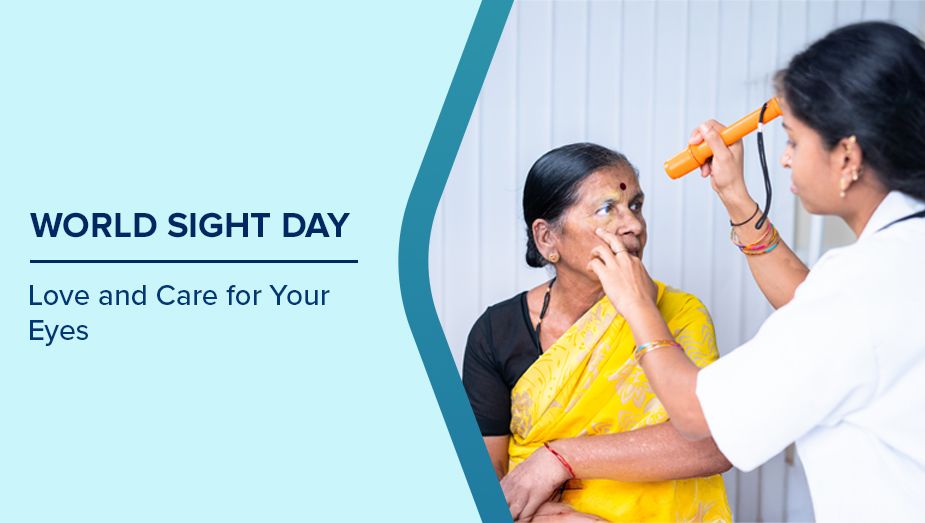
World Sight Day will be observed on Thursday, 9 October 2025, with the theme “Love Your Eyes.” The campaign focuses on making eye care accessible, available and affordable for all.
This year’s activities place people and their stories at the centre. Through the Every Story Counts initiative, the campaign highlights how vision impacts daily life and the wider community. The Global Challenge takes screenings directly to policymakers, showing them the importance of eye health for both social and economic development. The annual photo competition also returns, using powerful images to remind people why it is important to #LoveYourEyes.
Most Common Eye Problems
Eye problems are widespread and can affect people of all ages. Some conditions develop gradually with age, while others are linked to lifestyle habits such as extended screen time or poor lighting. Below are some of the most common eye problems that people face today:
- Myopia (Short-sightedness): Myopia is one of the fastest-growing vision problems worldwide. People with this condition can see nearby objects clearly, but distant objects appear blurry. It is especially common among children and young adults, often linked to spending long hours on digital devices and reduced time spent outdoors. Early detection is important, as untreated myopia can cause amblyopia or lazy eye in children and can worsen over time.
- Hyperopia (Long-sightedness): In this case, distant objects are clear, but close-up tasks such as reading or working on a computer may be difficult. Children with hyperopia may not always notice the issue, but it can cause frequent headaches, eye strain and trouble concentrating. Regular eye tests are essential for diagnosis and correction.
- Astigmatism: Astigmatism occurs when the cornea or lens has an irregular shape, preventing light from focusing properly on the retina. This leads to blurred or distorted vision at all distances. It can occur on its own or in combination with myopia or hyperopia. Glasses, contact lenses or corrective surgery can help restore clearer vision.
- Cataracts: Cataracts are a common age-related condition where the lens of the eye becomes cloudy. Symptoms include blurred vision, glare sensitivity and difficulty seeing at night. Although they develop slowly, cataracts can significantly interfere with daily life. Fortunately, cataract surgery is highly effective in restoring clear vision.
- Glaucoma: Glaucoma is a group of conditions that damage the optic nerve, usually due to increased pressure inside the eye. It develops gradually and often has no obvious symptoms in the early stages. If left untreated, it can lead to permanent vision loss. Regular eye check-ups are the best way to catch glaucoma early and prevent serious damage.
- Dry Eye Syndrome: Dry eyes occur when the eyes do not produce enough tears or when the tears evaporate too quickly. This condition can cause irritation, a burning sensation, and discomfort during reading, screen use, or exposure to dry air. Interestingly, dry eyes can also lead to excessive watering. When the eye surface becomes too dry, it gets irritated, triggering the tear glands to release a large amount of watery tears as a protective response. These tears, however, are poor in quality and do not provide proper lubrication, often overflowing and giving the impression of watery eyes.
- Age-related Macular Degeneration (AMD): AMD affects the macula, the part of the retina responsible for central vision. It makes tasks like reading, recognising faces and driving increasingly difficult. The risk of AMD rises with age, smoking and family history. Though it cannot be completely cured, treatments and lifestyle changes can help slow its progression.
Signs You Might Need an Eye Check-up
Regular eye check-ups are important, even when vision feels normal. The eyes often show early signs of problems that may not be obvious at first. Here are some common signs that indicate it may be time to visit an eye specialist:
- Blurred or distorted vision: Difficulty in reading, recognising faces, or seeing objects at a distance may point to refractive errors like myopia, hyperopia, or astigmatism. If the blurriness appears suddenly, it can also signal more serious eye conditions.
- Frequent headaches: Headaches that occur after reading, using screens, or doing close work can be related to eye strain, uncorrected vision, or problems with focusing.
- Double vision: Seeing two images of one object may be linked to issues with the eye muscles, cornea, or lens, and sometimes indicates an underlying neurological problem.
- Eye pain or discomfort: A constant ache, sharp pain, or pressure around the eyes is never normal and should be evaluated promptly to rule out glaucoma, infection, or injury.
- Sensitivity to light (photophobia): Trouble tolerating bright light, glare, or sunlight may be a sign of corneal problems, infections, or eye fatigue.
- Excessive tearing or dryness: Eyes that water too much can be reacting to irritation, dry eye syndrome, or blocked tear ducts. Conversely, persistently dry eyes may cause burning, itching, or a gritty sensation.
- Poor night vision: Difficulty seeing clearly in low light, especially when driving at night, may be a sign of cataracts, vitamin A deficiency, or retinal issues.
- Redness or swelling: Persistent redness, puffiness, or bloodshot eyes can be due to infections, allergies, or other eye conditions that need attention if persistent.
- Changes in colour perception: If colours look faded, dull, or different than before, it may suggest cataracts, optic nerve conditions, or retinal diseases.
- Flashes of light or floaters: Seeing sudden bright flashes, dark spots, or shadow-like floaters in vision could indicate retinal detachment, which requires urgent medical attention.
Common Myths About Eye Health
Myth 1: Wearing glasses makes your eyesight worse
Glasses simply correct the way light enters the eye, allowing clearer vision. They do not weaken or strengthen eyesight. Vision may still change over time due to natural factors such as age or genetics, but glasses are not to blame. Avoiding glasses when needed can actually make life harder, causing strain and headaches.
Myth 2: Eating carrots alone is enough for perfect eyesight
Carrots contain vitamin A, which is essential for eye health and night vision. However, eating them in excess does not guarantee perfect eyesight. Good vision depends on multiple nutrients, such as omega-3 fatty acids from fish, lutein from leafy greens, and vitamin C from fruits. A balanced diet, not just carrots, is important for maintaining healthy eyes.
Myth 3: Only older people have eye problems
Although age-related conditions like cataracts and macular degeneration are common in older adults, vision problems can appear at any age. Children may have refractive errors like myopia (nearsightedness), teenagers may develop eye strain from digital screens, and adults can face issues like dry eyes or glaucoma. Eye health should be taken seriously at every stage of life.
Myth 4: Contact lenses can get lost behind the eye
The anatomy of the eye prevents this from happening. A thin membrane called the conjunctiva covers the white part of the eye and connects to the eyelids, blocking anything from moving behind the eyeball. A lens might get stuck under the eyelid, but it can be safely removed. Proper handling and cleaning of contact lenses keep them safe to use.
Myth 5: Eye exercises can correct vision problems
Eye exercises may reduce strain, improve coordination, and make the eyes feel more comfortable, but they cannot change the shape of the cornea or length of the eyeball, which are the main causes of refractive errors including myopia or hyperopia. Glasses, contact lenses, or surgery are usually required to correct such conditions.
Myth 6: Sunglasses are only for sunny days
Sunglasses are essential because they block harmful UV rays, which can cause long-term damage such as cataracts, macular degeneration, and even growths on the eye. UV rays are present even on cloudy or overcast days, so wearing sunglasses with proper UV protection is important whenever outdoors.
Tips to Care for Your Eyes Properly
Simple lifestyle habits can make a big difference in keeping the eyes healthy and preventing future complications. Below are some practical tips that can be followed every day to protect eye health.
- Follow the 20-20-20 Rule: Extended screen time is one of the most common reasons for eye strain today. To give the eyes regular breaks, try the 20-20-20 rule: every 20 minutes, look at something 20 feet away for 20 seconds. This small pause helps relax the eye muscles, prevents headaches, and reduces digital eye strain.
- Eat Foods That Support Eye Health: A balanced diet plays an important role in maintaining healthy eyes. Nutrients like Vitamin A (for night vision), Vitamin C and E (for protection against cell damage), omega-3 fatty acids (for tear production), and zinc (for reducing the risk of macular degeneration) are especially valuable. Leafy greens, carrots, citrus fruits, eggs, fish, and nuts are great options to add to daily meals.
- Keep Your Eyes Hydrated: Dry eyes can feel itchy, gritty, or uncomfortable, especially in dry weather or air-conditioned rooms. Drinking enough water throughout the day helps maintain natural moisture. For those who spend long hours in front of screens, lubricating eye drops prescribed by a doctor can also provide relief.
- Protect Your Eyes from the Sun: Prolonged exposure to ultraviolet (UV) rays can speed up eye ageing and increase the risk of cataracts and macular degeneration. Wearing sunglasses that block 100% of UVA and UVB rays is a must during outdoor activities. Adding a wide-brimmed hat provides extra protection, especially in peak sunlight hours.
- Practise Proper Screen Habits: Many people sit too close to their screens or work in poor lighting, which can make vision problems worse. Keeping the monitor at arm’s length, adjusting brightness to match the surroundings, and using anti-glare screens can prevent unnecessary strain. For individuals who use digital devices for work or study, blue light filters or glasses may also help.
- Get Enough Sleep: Sleep is essential for eye health. Lack of rest can lead to red, puffy, or tired eyes and may even cause twitching. Good-quality sleep allows the eyes to recover from daily stress. Maintaining a regular sleep schedule not only improves overall health but also benefits vision in the long run.
- Avoid Rubbing Your Eyes: Rubbing may feel like a quick fix for irritation, but it can do more harm than good. It transfers dirt and germs, increasing the risk of infection. In some cases, excessive rubbing can even damage the cornea. Instead, gently rinse the eyes with clean water or use doctor-prescribed drops to relieve discomfort.
- Schedule Regular Eye Check-ups: Many eye conditions, including glaucoma and diabetic retinopathy, progress without obvious symptoms. Regular eye check-ups help detect problems at an early stage, when treatment is most effective. Adults should ideally schedule a comprehensive eye exam every 1-2 years, or more frequently if recommended by a doctor.
Do Your Part This World Sight Day
Observing World Sight Day can be simple yet meaningful when people make conscious efforts to highlight the importance of vision and eye care. Here are some ways to observe the day:
- Get an Eye Examination: Mark the day by scheduling an eye check-up for yourself and encouraging family members to do the same. This act alone supports the spirit of early detection and prevention.
- Participate in Awareness Drives: Join or support local events, walks, or campaigns organised to spread awareness about preventable blindness and eye diseases.
- Educate Others: Share eye health information at schools, workplaces, or on social media to remind others why eye care matters. Even a small message can create a ripple effect.
- Support Eye Health Programmes: Donate to or volunteer with organisations that provide free screenings, surgeries, or spectacles to underserved communities.
- Wear the Theme Colour or Symbol: Many awareness days encourage a visual show of support. Wearing themed ribbons, colours, or badges helps spread the message and shows solidarity.
- Talk About It: Use the day as an opportunity to start conversations with friends and colleagues about the importance of vision and regular eye care.
Final Words
Good vision makes life smoother to navigate, from reading and working to enjoying time with loved ones. If you’re dealing with dryness, blurred vision, or any changes that concern you, it’s best not to wait. The ophthalmologists at Max Hospital are here to examine, diagnose, and guide you towards the right care so your eyes remain strong for years ahead. Book your consultation with Max Hospital’s ophthalmologists today.
Written and Verified by:

Related Blogs

Dr. Parul Sharma In Ophthalmology , Eye Care / Ophthalmology
Jun 27 , 2014 | 1 min read

Dr. Parul Sharma In Ophthalmology , Eye Care / Ophthalmology
Apr 16 , 2015 | 1 min read
Blogs by Doctor

Eye Flu: Symptoms, Precautions, and At-Home Remedies
Dr. Anita Sethi In Eye Care / Ophthalmology
Aug 23 , 2024 | 8 min read

World Glaucoma Week 2025: Awareness & Prevention
Dr. Anita Sethi In Eye Care / Ophthalmology
Mar 06 , 2025 | 2 min read
Most read Blogs


Related Blogs
Dr. Parul Sharma In Ophthalmology , Eye Care / Ophthalmology
Jun 27 , 2014 | 1 min read
Dr. Parul Sharma In Ophthalmology , Eye Care / Ophthalmology
Apr 16 , 2015 | 1 min read
Blogs by Doctor
Eye Flu: Symptoms, Precautions, and At-Home Remedies
Dr. Anita Sethi In Eye Care / Ophthalmology
Aug 23 , 2024 | 8 min read
World Glaucoma Week 2025: Awareness & Prevention
Dr. Anita Sethi In Eye Care / Ophthalmology
Mar 06 , 2025 | 2 min read
Most read Blogs