 WhatsApp Us (24/7)
 +91 926 888 0303 (24/7)


To Book an Appointment
Call Us+91 926 888 0303World No Tobacco Day 2026: Act Before It’s Too Late
By Dr. Sachin Gupta in Medical Oncology
May 27 , 2026 | 12 min read
3

For many people, smoking or chewing tobacco starts as a way to manage stress or feel a sense of comfort on a busy day. Over time, what starts as a mere distraction becomes something impossible to quit, even when they want to. Letting go of tobacco isn't easy, especially when it's been part of daily life for years, but it’s important to know that change is possible, and the benefits can be life-changing - not only for you but also for your loved ones. That’s where World No Tobacco Day, observed every year on 31st May, plays a role. It’s a reminder that you’re not alone, and that support is out there for anyone ready to take that first step. This blog talks about why quitting tobacco matters more now than ever before, how it benefits your body and mind, and ways that can help you take that first step towards quitting. Let’s begin by looking at the history and meaning behind this day.
History and Significance of World No Tobacco Day
World No Tobacco Day was established in 1987 by the World Health Organization to draw attention to the rising use of tobacco and its harmful effects on health. The aim was to encourage people across the world to stop using tobacco and to raise awareness about the risks linked to both smoking and smokeless forms of tobacco. Since then, 31 May has been marked each year with campaigns that focus on different health themes, such as protecting young people from tobacco marketing or exposing the impact of tobacco on heart and lung health. Over the years, this day has played an important role in informing the public, guiding policy changes, and supporting those trying to quit.
Theme for World No Tobacco Day 2026
The theme for World No Tobacco Day 2026 is "Unmasking the Appeal: Countering Nicotine and Tobacco Addiction." Officially announced by the WHO, this theme exposes how the tobacco and nicotine industry continues to reinvent and repackage its products to hook a new generation, particularly children and adolescents, while evading stronger tobacco control measures worldwide. Products like e-cigarettes, nicotine pouches, and synthetic nicotine devices are marketed as "innovation" but are designed to sustain addiction and recruit new users. WHO Alarming data backs this urgency, with at least 40 million children aged 13 to 15 globally currently using at least one tobacco product, WHO making it clear that the fight against tobacco is far from over.
Health Conditions Caused by Tobacco Use
Tobacco harms nearly every organ in the body. Over time, it leads to serious health problems that may not show symptoms at first. The chemicals in tobacco products affect the lungs, heart, brain, mouth, digestive system, and reproductive health. Even second-hand smoke can cause similar damage. The following are some of the major health conditions linked to tobacco use:
Lung Diseases
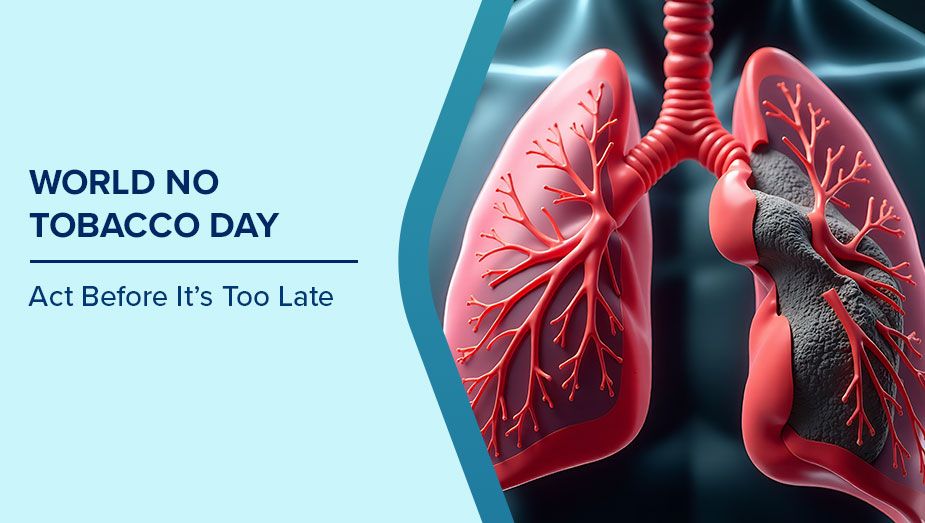
Tobacco smoke severely damages the lungs. It can lead to chronic bronchitis, emphysema, and chronic obstructive pulmonary disease (COPD). Chronic bronchitis causes persistent coughing and mucus build-up, while emphysema damages the air sacs in the lungs, making it harder to breathe. COPD combines both conditions and worsens over time, often leading to severe breathing difficulties.
Heart and Blood Vessel Problems
Smoking is a major risk factor for heart disease. It raises blood pressure, damages blood vessels, and reduces oxygen levels in the blood, putting extra strain on the heart. Over time, these effects increase the risk of heart attacks, strokes, and poor circulation. The chemicals in tobacco also make the blood thicker, which can lead to blockages in blood vessels and cause heart-related emergencies.
Cancers Linked to Tobacco Use
Smoking is the leading cause of lung cancer and increases the risk of cancers in other areas, including the mouth, throat, and bladder. The harmful chemicals in tobacco damage DNA in cells, which can lead to uncontrolled cell growth and tumour formation. Even smokeless tobacco products raise the risk of oral cancer, making tobacco use dangerous in all forms.
Weakened Immune System
Tobacco weakens the immune system, making it harder for the body to fight off infections. Smokers are more likely to catch colds and flu and may take longer to recover from illnesses or injuries. A weakened immune system also makes smokers more vulnerable to serious infections, including pneumonia, and delays the healing process after surgery.
Reproductive and Pregnancy Issues
Tobacco use can affect both male and female reproductive health. In men, smoking lowers sperm count and quality, reducing fertility. In women, it can cause irregular periods, early menopause, and difficulty conceiving. Smoking during pregnancy increases the risks of miscarriage, premature birth, and developmental problems in babies, as well as low birth weight.
Oral Health Problems
Smoking harms oral health by causing tooth staining, bad breath, and gum disease. Poor blood flow to the gums weakens them, leading to infections and tooth loss. Smokers are also more likely to develop oral cancers, as tobacco irritates and damages the mouth and throat.
Effects of Second-Hand Smoke
Second-hand smoke, or the smoke inhaled by nonsmokers by being near tobacco users when they are smoking, is also harmful. It increases the risk of respiratory problems, heart disease, and cancer. Children, pregnant women, and older adults are particularly vulnerable to these dangers. Exposure to second-hand smoke can lead to respiratory infections in children and complications during pregnancy, such as premature birth.
Symptoms to Watch For in Tobacco Users
Tobacco use can lead to several health issues, many of which develop gradually and may not show immediate signs. Recognising early symptoms is crucial for preventing further damage and seeking medical advice before conditions worsen. Here are some common symptoms to be aware of:
- Persistent Coughing: A chronic cough that worsens over time could signal lung damage or chronic bronchitis. It may also be accompanied by mucus production.
- Shortness of Breath: Difficulty breathing, especially during simple activities, can be a sign of lung problems like COPD or emphysema.
- Chest Pain or Tightness: Unexplained chest pain or tightness may indicate heart disease, which is more common in tobacco users.
- Frequent Infections or Illnesses: Smokers often suffer from recurring colds or respiratory infections due to a weakened immune system.
- Unexplained Weight Loss or Fatigue: Unexpected weight loss or continuous tiredness could be a sign of serious conditions like cancer or respiratory issues.
- Changes in Skin or Nails: Dull skin and brittle nails may indicate poor circulation caused by tobacco use.
- Blood in Sputum or Coughing Up Phlegm: Coughing up blood or thick, coloured phlegm can be a sign of lung infections or early-stage lung cancer.
- Difficulty Swallowing or Sore Throat: Persistent throat pain or trouble swallowing could be linked to oral or throat cancers, common among tobacco users.
Risks of Continued Tobacco Use
Tobacco use is linked to a wide range of health issues that can severely affect nearly every part of the body. The longer someone continues to smoke, the higher the likelihood of developing serious and often irreversible conditions.
Increased Risk of Heart Disease
Tobacco use significantly raises the risk of heart disease. Smoking damages blood vessels, increases blood pressure, and reduces oxygen levels in the blood, all of which strain the heart. Over time, this increases the likelihood of heart attacks, strokes, and poor circulation, potentially leading to severe cardiovascular issues. Smokers are also more likely to develop peripheral artery disease, where blood flow to limbs is restricted.
Respiratory Problems
Long-term tobacco use can cause irreversible damage to the lungs. Conditions such as chronic bronchitis and emphysema are common among smokers. Chronic bronchitis leads to persistent coughing, mucus production, and difficulty breathing, while emphysema damages the air sacs in the lungs, leading to shortness of breath. The most severe result of prolonged tobacco use can be chronic obstructive pulmonary disease (COPD), which can significantly reduce quality of life
Cancer
Tobacco use is a leading cause of various cancers, with lung cancer being the most common among smokers. Smoking also increases the risk of cancers in the mouth, throat, pancreas, bladder, kidney, and cervix. The harmful chemicals in tobacco smoke damage cells, leading to the development of cancerous growths. Even smokeless tobacco products are linked to an increased risk of oral cancers, highlighting the dangers of all forms of tobacco.
Weakened Immune System
Tobacco use weakens the immune system, making it harder for the body to fight off infections and illnesses. Smokers are more likely to catch colds, the flu, and respiratory infections. The body’s ability to recover from illnesses is also compromised. As a result, smokers tend to experience longer recovery times after surgeries, injuries, or illnesses, leaving them more vulnerable to complications.
Reduced Fertility
Tobacco affects both male and female fertility. In men, smoking can lower sperm count and quality, making it harder to conceive. Women who smoke may experience irregular periods, early menopause, and difficulty getting pregnant. Smoking also increases the risk of complications during pregnancy, including reduced fertility and higher chances of miscarriage.
Pregnancy Complications
Smoking during pregnancy can have serious consequences for both the mother and the baby. It increases the risk of premature birth, low birth weight, and developmental issues in infants. Babies born to mothers who smoke are also at a higher risk of sudden infant death syndrome (SIDS) and may face long-term health problems, such as asthma or learning disabilities. Quitting smoking before or during pregnancy significantly reduces these risks.
Premature Ageing
Tobacco use accelerates the aging process, particularly affecting the skin. Smokers often experience premature wrinkles, skin dullness, and loss of elasticity. Smoking reduces blood flow to the skin, depriving it of oxygen and essential nutrients. This leads to a tired, aged appearance and contributes to the breakdown of collagen, a protein that helps keep the skin firm and youthful.
Benefits of Quitting Tobacco
Quitting tobacco brings immediate and long-term health benefits that significantly improve quality of life. The journey may be challenging, but the rewards are well worth it, offering both physical and emotional improvements.
Improved Heart Health
When you stop smoking, your heart begins to recover almost immediately. Blood pressure and heart rate drop, reducing the risk of heart disease and stroke. Over time, the risk of heart attack decreases, and the blood vessels improve their ability to carry oxygen-rich blood to vital organs.
Better Lung Function
Quitting smoking allows the lungs to heal. Symptoms such as shortness of breath and coughing begin to subside. Over time, lung function improves, and the risk of respiratory diseases like COPD and emphysema reduces. The lungs also become better at clearing mucus, lowering the risk of infections.
Lower Cancer Risk
Stopping smoking significantly reduces the risk of developing cancer. The body begins to repair the damage caused by tobacco, and over time, the risk of cancers such as lung, mouth, throat, and bladder decreases. The longer you stay smoke-free, the lower the risk becomes.
Enhanced Immune System
Quitting smoking boosts the immune system. The body becomes more efficient at fighting off infections and healing from illnesses. The respiratory system strengthens, reducing the chances of lung infections and conditions like pneumonia or bronchitis.
Improved Sense of Taste and Smell
Tobacco use dulls the senses of taste and smell. After quitting, both senses gradually improve, making food more enjoyable and allowing you to experience scents more fully.
Better Skin Health
When you quit smoking, blood flow to the skin improves, which helps restore skin health. The complexion brightens, and wrinkles associated with smoking may reduce over time. With better circulation, the skin receives more nutrients, aiding in faster healing and a more youthful appearance.
Increased Life Expectancy
By quitting tobacco, you significantly increase your chances of living a longer, healthier life. Studies show that quitting reduces the risks associated with tobacco-related diseases, extending life expectancy by several years, especially for those who quit at a younger age.
Financial Savings
Smoking is an expensive habit. By quitting, you save money previously spent on cigarettes or other tobacco products. This money can be better used for personal needs or to improve overall health, like joining a fitness programme or eating healthier.
Improved Mental Health
Quitting smoking often results in better mental health. Many former smokers report lower levels of stress and anxiety, as nicotine withdrawal symptoms subside. Achieving the goal of quitting can also lead to increased feelings of accomplishment and greater self-esteem.
What Can Help You Quit Tobacco Successfully?
Finding the right approach and support is key to successfully quit tobacco. Several methods can help individuals overcome the physical and psychological dependence on tobacco, making the process more manageable.
Professional Support
Seeking guidance from a healthcare provider can play a crucial role. A doctor or smoking cessation specialist can assess your needs, recommend a plan, and provide continuous support. Counselling and therapy can help address underlying behavioural triggers, giving you the tools to manage cravings.
Nicotine Replacement Therapy (NRT)
Nicotine replacement therapies, such as patches, gum, or inhalers, can reduce withdrawal symptoms and ease cravings. By offering a controlled amount of nicotine, these options help you gradually reduce your dependence while avoiding the harmful chemicals in tobacco.
Prescription Medications
Certain prescription medications can help curb cravings and reduce withdrawal effects. These medications are often recommended for those struggling with severe addiction, making quitting more manageable. It's essential to consult with a healthcare professional before starting these treatments.
Behavioural Therapy
Therapy focuses on breaking the patterns that lead to smoking. Whether through one-on-one sessions or group therapy, behavioural therapy helps you identify triggers, learn coping strategies, and develop healthier habits. This is often combined with other methods for greater success.
Support Groups and Quitlines
Connecting with others who are going through the same experience can provide motivation and support. Support groups create a sense of community, while quitlines offer advice and encouragement over the phone or online. These services are valuable for building accountability and staying on track.
Lifestyle Changes
Incorporating healthier habits, such as regular exercise and a balanced diet, can help reduce cravings and improve overall well-being. Staying active and managing stress through activities like yoga or meditation can make it easier to resist the urge for tobacco.
Tracking Progress
Keeping track of milestones, no matter how small, can help maintain motivation. Monitoring your journey and celebrating achievements along the way can strengthen your commitment. Reminding yourself of the health benefits and financial savings can keep you focused on your goal.
Avoiding Triggers
Understanding your personal triggers and learning how to avoid them is vital. Whether it's specific situations or emotional stress, being aware of what prompts the urge to smoke allows you to take proactive steps to avoid relapse.
Mindfulness Techniques
Practising mindfulness can significantly reduce stress and cravings. Techniques such as deep breathing or meditation help you stay centred during moments of temptation, allowing you to focus on your goal and stay tobacco-free.
Final Words
Quitting tobacco is a vital step towards improving your health, and it's perfectly understandable to seek support during this process. If you're ready to make the change, the specialists at Max Hospital, including pulmonologists and addiction counselors, are here to help. They can provide you with practical advice, resources, and ongoing support to guide you through every stage of quitting. Reach out today to take the first step towards a healthier, tobacco-free life.
Written and Verified by:

Dr. Sachin Gupta Exp: 23 Yr
Medical Oncology, Paediatric (Ped) Oncology, Cancer Care / Oncology, Uro-Oncology, Musculoskeletal Oncology, Breast Cancer, Thoracic Oncology, Gynecologic Oncology, Head & Neck Oncology, Neuro Oncology, Hematology Oncology, Gastrointestinal & Hepatobiliary Oncology
Meet the doctorRelated Blogs


Dr. Meenu Walia In Medical Oncology , Cancer Care / Oncology
Aug 02 , 2016 | 4 min read
Blogs by Doctor

A Healthy Diet Can Keep Cancer at Bay
Dr. Sachin Gupta In Medical Oncology , Cancer Care / Oncology , Nutrition And Dietetics
Nov 08 , 2020 | 1 min read

Food for Thought: Smoking is not the Only Risk to Lung Cancer
Dr. Sachin Gupta In Medical Oncology , Cancer Care / Oncology
Nov 08 , 2020 | 2 min read
Most read Blogs


Related Blogs
Dr. Meenu Walia In Medical Oncology , Cancer Care / Oncology
Aug 02 , 2016 | 4 min read
Blogs by Doctor
A Healthy Diet Can Keep Cancer at Bay
Dr. Sachin Gupta In Medical Oncology , Cancer Care / Oncology , Nutrition And Dietetics
Nov 08 , 2020 | 1 min read
Food for Thought: Smoking is not the Only Risk to Lung Cancer
Dr. Sachin Gupta In Medical Oncology , Cancer Care / Oncology
Nov 08 , 2020 | 2 min read
Most read Blogs