 WhatsApp Us (24/7)
 +91 926 888 0303 (24/7)


To Book an Appointment
Call Us+91 926 888 0303World Food Day 2025: Envisioning a Food-secure and Sustainable Future
By Dt. Surabhi Sharma in Nutrition And Dietetics
Oct 14 , 2025 | 8 min read
1

Food is not just a basic necessity - it is the foundation of our lives, cultures, and economies. It nurtures us, shapes our traditions, and sustains the world around us. Yet, despite its significance, millions around the globe still face hunger, malnutrition, and food insecurity. This crisis is worsened by several factors, including climate change, growing population, and unequal distribution of food. To address these issues and draw attention to the need for sustainable solutions, World Food Day was established and is observed every year on 16th October. In line with that, this blog will explore the challenges that continue to affect food security, and how we can work towards a future where no one goes hungry or is malnourished. But before delving into all that, let us first look at the history and significance of World Food Day.
History and Significance of World Food Day
World Food Day is observed every year on 16 October to mark the founding of the Food and Agriculture Organisation (FAO) of the United Nations in 1945. The day was established to draw attention to the persistent problem of hunger and the need to make food security a shared priority. Over the years, it has grown into a worldwide movement, recognised in more than 150 countries, bringing governments, communities, and individuals together to focus on solutions.
The significance of this day lies not only in remembering the millions who continue to face hunger but also in celebrating progress in agriculture, nutrition, and global cooperation. It acts as a reminder that ensuring access to safe and nutritious food is a fundamental right, and that collective effort is needed to build systems that can withstand future challenges.
Theme for World Food Day 2025
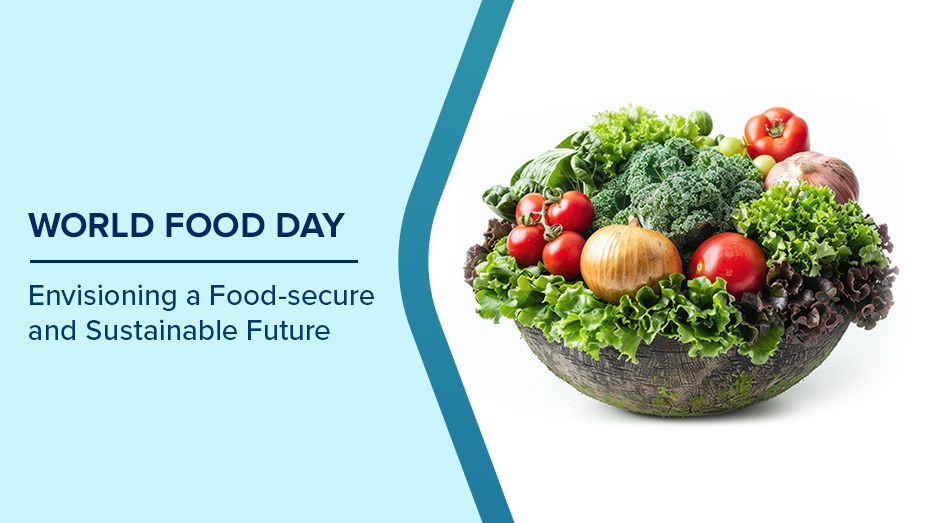
The theme for World Food Day 2025 is “Envisioning a Food-secure and Sustainable Future.” It calls attention to the urgent need for building food systems that not only provide enough food for everyone but also protect the environment and resources for future generations. The focus is on striking a balance between meeting today’s needs and ensuring that farming, production, and distribution remain sustainable in the long run.
This theme is significant because it highlights two pressing priorities: tackling hunger and malnutrition, and addressing the environmental impact of how food is grown and consumed. It is also a reminder that achieving food security requires cooperation between governments, organisations, communities, and individuals. By linking immediate action with long-term vision, the 2025 theme invites the world to reimagine how food can be produced, shared, and enjoyed in a fairer and more sustainable way.
What Are the Barriers to Food Security Today?
Despite progress in agriculture and technology, food insecurity continues to affect millions across the globe. The challenges are complex and interconnected, with several key factors responsible for the crisis:
1. Climate Change and Environmental Stress
Unpredictable weather patterns, rising temperatures, droughts, and floods are disrupting farming cycles. Soil degradation, water shortages, and loss of biodiversity add further strain. These environmental changes make it harder for farmers to maintain consistent crop yields.
2. Growing Population and Rising Demand
The global population continues to increase, creating higher demand for food. This growth places immense pressure on land, water, and energy resources. Meeting the needs of billions more people without damaging the planet is a pressing concern.
3. Unequal Access and Distribution
Food is often plentiful at the global level, yet many communities go hungry because it is not distributed fairly. Conflict, weak infrastructure, and logistical barriers prevent food from reaching the people who need it most.
4. Wastage Along the Food Chain
From farms to markets and households, significant amounts of food are lost or wasted. Poor storage, inefficient transport, and consumer habits all contribute to waste, which undermines food availability and wastes precious resources.
5. Poverty and Economic Barriers
Even where food is available, poverty often limits access. Millions of families cannot afford nutritious meals, leading to malnutrition, poor health, and stunted development in children.
Read More:- Boost Your Iron Levels the Natural Way: 10 Foods to Include in Your Diet
How Can We Ensure a Food-Secure Future?
Building a food-secure future requires action on multiple fronts. It is not only about producing more food but also about making it accessible, affordable, and nutritious for everyone. Here are some key ways forward:
1. Promoting Sustainable Farming Practices
Farmers are at the heart of food security. Encouraging methods like crop rotation, organic farming, efficient irrigation, and reduced pesticide use help protect soil and water resources. These practices increase yields without harming the environment, ensuring that future generations can continue to grow food.
2. Reducing Food Waste
A large share of food never reaches people’s plates because it gets lost during harvesting, storage, transport, or is thrown away by consumers. By improving storage facilities, creating better supply chains, and raising awareness about mindful consumption, we can save millions of tonnes of food every year.
3. Strengthening Local Food Systems
When communities rely heavily on imported food, they become vulnerable to global price shocks and supply disruptions. Supporting local farmers, food markets, and small-scale producers creates stronger, more resilient food systems that benefit both farmers and consumers.
4. Making Nutritious Food Affordable for All
Food security is not just about calories but also about quality. Many families struggle to afford fresh fruits, vegetables, and protein-rich foods. Policies that improve distribution, subsidies for essential items, and nutrition-focused programmes can help make healthy food more accessible.
5. Using Innovation and Technology Wisely
From drought-resistant seeds to smart irrigation systems, technology can play a big role in meeting future food needs. However, innovation should be used wisely, keeping sustainability and affordability in mind so that farmers everywhere can benefit.
6. Building Resilience Against Climate Change
Extreme weather events like floods, droughts, and heatwaves disrupt food production worldwide. Investing in climate-resilient crops, early warning systems, and disaster preparedness can reduce these risks and secure food supplies even during environmental crises.
7. Encouraging Global and Community Partnerships
Food security cannot be achieved by one country alone. International cooperation, fair trade policies, and community-driven initiatives are essential. When governments, organisations, and individuals work together, the chances of building a food-secure future become much stronger.
What Can We Do On World Food Day 2025?
World Food Day is not just a reminder of global issues but also an invitation for collective action. Each of us can contribute in small yet meaningful ways that bring us closer to a food-secure future. Here are some ways to take part this year:
- Support local farmers and producers: Buy from local markets or cooperatives to strengthen community food systems and reduce environmental impact.
- Cut down on food waste at home: Plan meals, store food properly, use leftovers creatively, and be mindful of portions.
- Organise or join community events: Take part in food drives, awareness campaigns, or community meals to spread awareness and support those in need.
- Spread awareness about healthy eating: Share knowledge on balanced diets and nutrition through social media, schools, or community platforms.
- Donate to food banks or relief programmes: Contribute to organisations that provide meals and essential supplies to vulnerable families.
- Advocate for change: Raise your voice on policies and initiatives that promote sustainable farming, fair trade, and better access to nutritious food.
Final Words
On World Food Day 2025, it is time to think about the real impact of our daily choices on nutrition and food waste. We can take action by planning balanced meals, reducing what we throw away, and supporting local food producers. At Max Healthcare, we believe good health starts with proper nutrition. If you or your family need advice on diet and wellness, our team of experienced nutritionists and dietitians is here to help. They can provide guidance on balanced eating, managing dietary conditions, and ensuring you get the essential nutrients for a healthy life.
Frequently Asked Questions
Q: How can I tell if my household is practising good food security at home?
A: Look at whether your family consistently has access to balanced meals that include fruits, vegetables, proteins, and grains. Minimising food waste, rotating stored food before it spoils, and ensuring everyone’s nutritional needs are met are good indicators of food security at home.
Q: Can planning meals in advance really make a difference?
A: Yes, planning meals helps you buy only what is needed, prevents unnecessary waste, and ensures that nutritious options are included. Over time, it also helps in budgeting and making healthier choices without last-minute compromises.
Q: How does buying local produce help improve food security?
A: Supporting local farmers strengthens community food systems, ensures fresher and often more affordable food, reduces dependency on long supply chains, and helps keep small-scale producers economically stable.
Q: Are there simple ways to improve nutrition without spending extra money?
A: Yes. Using seasonal fruits and vegetables, incorporating pulses or legumes for protein, choosing whole grains, and cooking at home rather than buying processed foods are cost-effective ways to boost nutrition.
Q: How does reducing food waste at home benefit the environment?
A: Less food waste means conserving water, energy, and land used for production. It also reduces methane emissions from food decomposing in landfills, which helps combat climate change.
Q: How can I make my meals more balanced for better health outcomes?
A: Include a variety of food groups in every meal: carbohydrates for energy, protein for growth and repair, fats for essential functions, and plenty of fruits and vegetables for vitamins and minerals. Adjust portions based on age, activity level, and any medical needs.
Q: What can communities do collectively to improve food access locally?
A: Communities can organise initiatives like food drives, community gardens, cooperative buying groups, or awareness campaigns on healthy eating. Sharing surplus food and resources helps reduce local shortages and builds stronger networks for food support.
Q: How do global issues like climate change affect the food I eat at home?
A: Climate change can disrupt crop yields, affect seasonal availability of fruits and vegetables, and increase prices. Being aware of seasonal and locally grown foods can help reduce dependence on disrupted supply chains.
Written and Verified by:

Related Blogs


Dr. Neera Aggarwal In Obstetrics And Gynaecology , Nutrition And Dietetics
Nov 07 , 2020 | 7 min read
Most read Blogs

Related Blogs
Dr. Neera Aggarwal In Obstetrics And Gynaecology , Nutrition And Dietetics
Nov 07 , 2020 | 7 min read
Most read Blogs