 WhatsApp Us (24/7)
 +91 926 888 0303 (24/7)


To Book an Appointment
Call Us+91 926 888 0303World Brain Day 2025: Raising Awareness on Neurological Disorders
By Dr. K. M. Hassan in Neurosciences
Jul 21 , 2025 | 13 min read

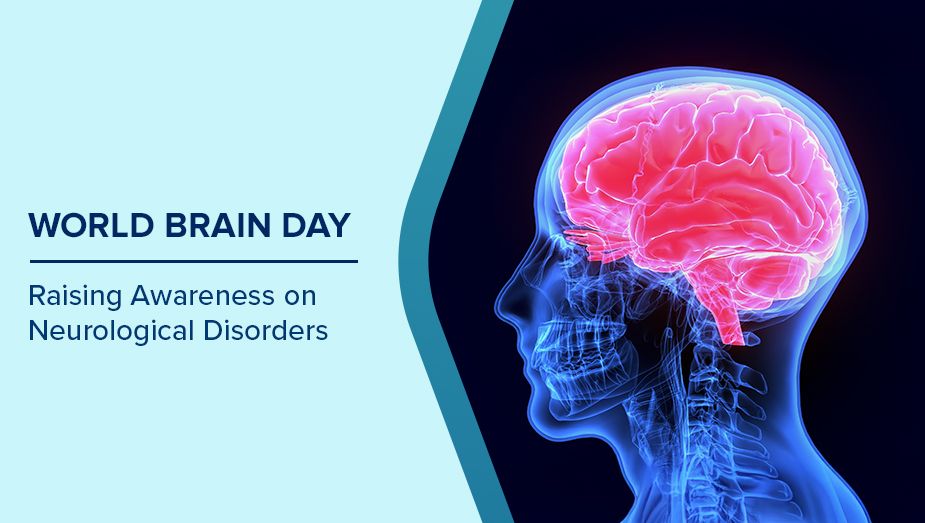
The brain plays a key role in regulating movement, memory, behaviour, and decision-making, making it one of the most vital organs in the body. Any disruption in its structure or function due to neurological disorders can lead to impairment, which can be progressive in nature. Many neurological disorders, including epilepsy, Parkinson’s disease, and dementia, often begin with mild or vague symptoms that are easy to dismiss. As these conditions progress, they can result in more serious and often irreversible changes, affecting not only the individual but also their loved ones. To help address this growing concern, World Brain Day is observed each year to raise awareness about neurological disorders and promote early recognition and care. This blog outlines the key symptoms linked to neurological conditions and how you can take simple steps to support your brain health. But, before we get into all that, let’s have a look at how World Brain Day started and why it continues to play an important role.
History and Significance of World Brain Day
World Brain Day was launched by the World Federation of Neurology (WFN) in 2014, with the aim of drawing global attention to the rising burden of neurological disorders. It is observed every year on 22 July, marking the anniversary of WFN’s founding in 1957. Since its inception, the initiative has collaborated with international neurological societies and health organisations to promote a unified message centred around brain health. Its core objectives are to:
- Raise public awareness of the impact and burden of neurological disorders worldwide.
- Promote advocacy for improved prevention, treatment, and care of brain diseases.
- Mobilise communities and professional societies to share information, resources and best practices aimed at preserving brain health.
Neurological disorders are among the leading causes of disability and mortality worldwide, yet public understanding of these conditions remains limited. World Brain Day serves as a platform to address this gap by encouraging early recognition of symptoms, reducing stigma, and supporting timely access to medical care. The campaign also emphasises the need for research, rehabilitation, and long-term management. By facilitating global conversations and educational efforts, World Brain Day contributes to improved awareness, better outcomes, and stronger support systems for those affected by neurological conditions.
Theme for World Brain Day 2025
This year’s theme, “Brain Health for All Ages”, emphasises that brain health is not a one-time concern but a lifelong commitment that begins before birth and extends through late adulthood. The campaign underlines five core messages:
- Awareness: Encourage recognition of neurological disorders at every stage.
- Education: Provide knowledge to healthcare professionals, caregivers and the public.
- Prevention: Promote measures such as good nutrition, hypertension control, immunisation, regular exercise and stress management
- Access to Care and Disability Management: Advocate for equitable access to diagnostics, treatment services and assistive aids in all communities.
- Advocacy: Drive policy change, research funding and infrastructure development to improve neurological care.
The World Federation of Neurology has aligned this theme with major international goals, including the UN Sustainable Development Goals and the WHO’s Intersectoral Global Action Plan. By calling on neurologists, policymakers and the global public to unite behind this message, World Brain Day 2025 aims to ensure that every stage of life, from pre‑conception to late adulthood, is supported through enhanced brain health initiatives.
What Are the Most Common Neurological Disorders?
Neurological disorders affect the brain, spinal cord, and nerves, leading to a wide range of symptoms that may impact movement, sensation, memory, and behaviour. Many of these conditions are progressive and may require long-term management. Some of the most commonly diagnosed neurological disorders include:
Stroke
A stroke is a medical emergency that occurs when blood flow to a part of the brain is disrupted, either by a blockage (ischaemic stroke) or bleeding (haemorrhagic stroke). The resulting lack of oxygen can cause permanent damage to brain tissue.
For acute ischaemic strokes, the first 4.5 hours after symptom onset are often referred to as the “golden hours”. This is when certain treatments are most effective. Recognising stroke symptoms early gives doctors the best chance to begin treatment in time.
Common symptoms include:
- Sudden weakness or numbness, often on one side of the body
- Slurred speech or difficulty understanding speech
- Vision changes
- Dizziness or balance problems
Epilepsy
Epilepsy is a chronic neurological disorder defined by the presence of recurrent, unprovoked seizures. These seizures result from abnormal electrical activity in the brain and can vary widely in presentation and severity. Causes may include genetic factors, brain injury, infections, or developmental abnormalities, although in many cases, the cause remains unknown.
Common symptoms include:
- Temporary confusion or unresponsiveness
- Sudden jerking movements of the limbs
- Loss of consciousness
- Staring spells
Parkinson’s Disease
Parkinson’s disease is a progressive neurodegenerative disorder that primarily affects movement control. It is caused by the gradual loss of dopamine-producing cells in a specific area of the brain. Although most commonly diagnosed in elderly, early-onset forms can occur. Over time, symptoms may become increasingly disabling, affecting independence and daily functioning.
Common symptoms include:
- Resting tremor
- Muscle rigidity
- Slowness in movement (bradykinesia)
- Postural instability
Alzheimer’s Disease and Other Dementias
Alzheimer’s disease is the most common form of dementia, leading to progressive cognitive decline. It is associated with abnormal protein accumulation in the brain, which interferes with communication between brain cells. Other types of dementia, such as vascular dementia and frontotemporal dementia, result from different underlying causes but share similar patterns of mental decline. These conditions significantly affect memory, decision-making, and behaviour.
Common symptoms include:
- Difficulty remembering recent events
- Confusion with time or place
- Challenges with speaking or writing
- Personality or behavioural changes
Multiple Sclerosis (MS)
Multiple sclerosis is an immune-mediated disorder in which the immune system mistakenly attacks the myelin sheath (the protective covering of nerve fibres in the central nervous system). This disrupts communication between the brain and body. MS is unpredictable, with symptoms varying widely in type and severity. It often affects young adults and can follow a relapsing or progressive course.
Common symptoms include:
- Numbness or weakness in limbs
- Visual disturbances
- Fatigue
- Loss of coordination
Migraine
Migraine is a neurological condition characterised by episodes of moderate to severe headache, often accompanied by sensory disturbances. It affects both adults and children and can interfere significantly with daily life. Attacks may be triggered by hormonal changes, stress, irregular sleep, or dietary factors. In some cases, migraines may be preceded by warning signs known as auras.
Common symptoms include:
- Moderate to severe head pain
- Sensitivity to light, sound, or smell
- Nausea or vomiting
- Visual disturbances (e.g., flashing lights or blind spots)
Brain Tumours
Brain tumours are abnormal growths of cells within the brain or surrounding tissues. They may be benign or malignant, and their effects depend on their size, location, and growth rate. Primary brain tumours originate in the brain, whereas secondary tumours result from cancer spreading from other parts of the body. Even non-cancerous tumours can cause significant neurological symptoms by compressing surrounding structures.
Common symptoms include:
- Persistent or worsening headaches
- Seizures
- Vision or hearing changes
- Difficulty with speech, balance, or coordination
Neuropathy
Neuropathy refers to damage to the peripheral nerves and may involve sensory, motor, or autonomic nerve fibres. It is most commonly associated with diabetes but may also result from infections, trauma, toxins, autoimmune diseases, or vitamin deficiencies. The symptoms depend on the type and extent of nerve involvement and can lead to functional limitations if not properly managed.
Common symptoms include:
- Tingling or burning sensations
- Numbness in hands or feet
- Muscle weakness
- Sensitivity to touch
Which Signs and Symptoms Should Not Be Ignored?
Many neurological conditions begin with symptoms that are easy to overlook or misinterpret. However, certain changes in the body may point to problems in the brain, spinal cord, or nerves. Recognising these signs early can help guide timely medical evaluation and reduce the risk of complications. The following symptoms should not be ignored:
- Sudden weakness or numbness: Particularly when it affects one side of the face, arm, or leg, as it may be linked to a stroke or similar condition.
- Frequent or intense headaches: Especially if different from usual headaches, or accompanied by vision problems, nausea, or neck stiffness.
- Loss of balance or coordination: Difficulty walking, unsteadiness, or clumsiness may suggest issues in the brain or spinal cord.
- Involuntary movements or tremors: These can indicate changes in parts of the brain that control movement.
- Seizures: Any episode of shaking, staring spells, or brief loss of awareness requires medical review.
- Memory problems or confusion: Gradual or sudden changes in thinking, understanding, or memory may point to cognitive decline or brain-related conditions.
- Changes in vision or speech: Blurred or double vision, slurred speech, or difficulty understanding others may be signs of brain involvement.
- Tingling or burning sensations: Often felt in the hands or feet, these may reflect damage to peripheral nerves.
- Muscle weakness: Especially when it progresses or affects both sides of the body.
- Fainting or blackouts: Sudden loss of consciousness may have a neurological cause and should not be ignored.
The presence of any of these symptoms should prompt a consultation with a healthcare professional. The following section discusses steps that can support brain health and reduce the risk of neurological problems.
How Can Brain Health Be Maintained?
Maintaining brain health requires long-term attention to various aspects of daily life. Simple changes in habits and consistent management of health conditions can support the nervous system and reduce the risk of neurological decline. Below are practical, evidence-based steps that can help support brain health across all ages:
1. Follow a Diet That Supports Brain Function
Eating a variety of nutrient-rich foods helps protect brain cells and maintain proper nerve function. A diet high in vegetables, whole grains, fruits, nuts, and oily fish provides antioxidants and omega-3 fatty acids that may reduce inflammation and support memory and cognition. Limiting processed foods, trans fats, and high-sugar snacks can help reduce risk factors associated with stroke and cognitive decline.
2. Exercise Regularly to Improve Blood Flow to the Brain
Physical activity helps regulate blood circulation, supports nerve health, and lowers the risk of several neurological conditions. Aerobic exercises such as walking, swimming, and cycling improve oxygen supply to brain tissue, while resistance training and stretching enhance coordination and balance. Aim for moderate exercise on most days of the week.
3. Get Enough Sleep Each Night
Quality sleep is essential for concentration, memory, and mood regulation. Poor sleep patterns are associated with impaired cognitive performance and increased risk of neurological conditions such as dementia. Adults should aim for seven to nine hours of uninterrupted sleep per night and seek treatment for sleep disorders when needed.
4. Keep the Mind Active Through Learning and Problem-Solving
Regular mental stimulation helps maintain brain flexibility and supports long-term memory. Activities such as reading, solving puzzles, learning a new skill, or engaging in strategy games can help build cognitive reserves and delay age-related changes in thinking.
5. Stay Connected with Others
Social engagement plays a protective role in mental health and cognitive function. Regular interactions with family, friends, or community groups help reduce feelings of isolation and support emotional well-being. Participation in meaningful conversations or group activities can also provide cognitive stimulation.
6. Manage Stress Effectively
Chronic stress can interfere with brain function by increasing inflammation and altering brain chemistry. Techniques such as deep breathing, meditation, spending time outdoors, or engaging in calming hobbies may help reduce its impact. Managing stress also supports better sleep and emotional balance.
7. Avoid Harmful Substances
Quitting alcohol, tobacco, and avoiding recreational drugs can help prevent brain-related complications. These substances can impair judgement, memory, and coordination, and increase the risk of stroke, seizures, or long-term cognitive changes.
8. Monitor and Control Chronic Medical Conditions
Conditions such as high blood pressure, diabetes, and high cholesterol can increase the risk of stroke, neuropathy, and vascular dementia. Regular check-ups, medication adherence, and appropriate lifestyle modifications are important to minimise these risks and maintain brain function.
9. Take Steps to Prevent Head Injuries
Injuries to the brain, even mild ones, can lead to lasting neurological problems. Using seatbelts in vehicles, wearing helmets when riding two-wheelers or bicycles, and making home environments safer for older adults can help prevent trauma. Prompt medical evaluation is important after any head injury.
How Can You Contribute This World Brain Day?
World Brain Day offers an opportunity for individuals, families, and communities to actively support brain health and raise awareness about neurological disorders. Small actions taken at the local level can help spread accurate information, reduce stigma, and encourage those experiencing symptoms to seek timely medical advice. Some meaningful ways to contribute this World Brain Day include:
- Share educational content: Distribute reliable information through social media, local community groups, or workplace noticeboards. Focus on signs of neurological conditions, the importance of early evaluation, and tips for brain health.
- Attend awareness events: Participate in webinars, public talks, or health camps organised by hospitals, medical associations, or neurological societies. These platforms provide updated knowledge and allow for discussion with healthcare professionals.
- Encourage early consultation: Speak openly about the importance of not ignoring neurological symptoms, and support others in accessing healthcare when concerns arise.
- Support patient groups or caregivers: Volunteering time, offering resources, or simply listening to those affected by neurological conditions can provide meaningful support and improve community understanding.
- Promote healthy habits: Encourage brain-friendly lifestyle changes among peers, such as regular physical activity, balanced eating, and good sleep routines, to strengthen health awareness.
Participation in World Brain Day does not require large-scale efforts. Simple, thoughtful actions can help strengthen the message that brain health matters at every stage of life.
Start the Conversation on Brain Health
World Brain Day serves as a reminder to look beyond routine health concerns and bring neurological conditions into focus. By using this day to raise awareness, communities can play a role in encouraging early recognition, reducing stigma, and supporting those affected by disorders that often go unnoticed until they begin to interfere with daily life. If there are signs such as memory changes, tremors, unexplained weakness, or frequent headaches, it may be time to seek guidance. The neurologists at Max Hospital are available to assess and manage such concerns with appropriate clinical care. To speak with a specialist or book an appointment, reach out to Max Hospital today.
Frequently Asked Questions
Which foods are considered best for brain health?
Fatty fish, leafy greens, berries, nuts, seeds, and whole grains are commonly linked to better brain function. These provide omega-3s, antioxidants, and essential vitamins that support memory, mood, and nerve health.
Is brain fog a sign of neurological disorder or just temporary stress?
Brain fog is usually linked to stress, poor sleep, or fatigue and often improves with rest. However, if it becomes frequent or persistent, it may need medical evaluation to rule out neurological causes.
How does digital addiction (screen time) affect brain development in children?
Excessive screen time in children may impact attention, sleep, and emotional control. It can interfere with learning and development if it replaces physical activity, rest, or real-world interaction.
Why is brain health awareness low despite its growing impact?
Neurological symptoms are often mistaken for stress or ageing, and stigma or lack of understanding may prevent timely action. Public discussion around brain health also tends to be limited compared to other health issues.
What tests are usually done to diagnose a neurological disorder?
Neurologists may recommend imaging tests like MRI or CT scans, blood tests, nerve conduction studies, or EEG depending on the symptoms and suspected condition. These help in identifying structural, electrical, or biochemical changes in the nervous system.
Are neurological disorders always permanent?
Not all neurological disorders are permanent. Some, such as certain types of neuropathy or infections, may improve with treatment. Others, like Parkinson’s or Alzheimer’s disease, are progressive but can be managed to slow progression and ease symptoms.
Can neurological problems affect children too?
Yes. Children can be affected by conditions such as epilepsy, cerebral palsy, developmental delays, and genetic disorders. Early diagnosis and therapy are important for better developmental outcomes
Is it possible to prevent neurological disorders?
While not all neurological conditions can be prevented, some risks can be reduced by managing chronic illnesses, preventing head injuries, eating a healthy diet, staying physically active, and avoiding substance abuse.
When should someone see a neurologist instead of a general physician?
A referral to a neurologist is usually recommended if there are unexplained symptoms like frequent headaches, seizures, sudden weakness, memory loss, or problems with coordination that are not improving or are getting worse.
Do neurological disorders only affect the elderly?
Although some conditions like dementia are more common in older age, neurological disorders can affect people at any stage of life, including children, adolescents, and adults.
Can stress or mental health issues lead to neurological problems?
Long-term stress does not directly cause neurological disorders, but it can worsen symptoms or mimic certain conditions. In some cases, anxiety and depression may coexist with neurological illnesses and require parallel treatment.
Written and Verified by:

Related Blogs

Dr. Chandril Chugh In Neurosciences , Interventional Neurology
Nov 08 , 2020 | 1 min read

Dr. Chandril Chugh In Neurosciences , Interventional Neurology
Nov 08 , 2020 | 2 min read
Blogs by Doctor

Neurological Warning Signs: When to Schedule a Neurologist Visit
Dec 10 , 2024 | 3 min read

Stroke: Risk Factors, Recognise the Warning Signs & Save Lives
Feb 14 , 2025 | 2 min read
Most read Blogs


Related Blogs
Dr. Chandril Chugh In Neurosciences , Interventional Neurology
Nov 08 , 2020 | 1 min read
Dr. Chandril Chugh In Neurosciences , Interventional Neurology
Nov 08 , 2020 | 2 min read
Blogs by Doctor
Neurological Warning Signs: When to Schedule a Neurologist Visit
Dec 10 , 2024 | 3 min read
Stroke: Risk Factors, Recognise the Warning Signs & Save Lives
Feb 14 , 2025 | 2 min read
Most read Blogs