 WhatsApp Us (24/7)
 +91 926 888 0303 (24/7)


To Book an Appointment
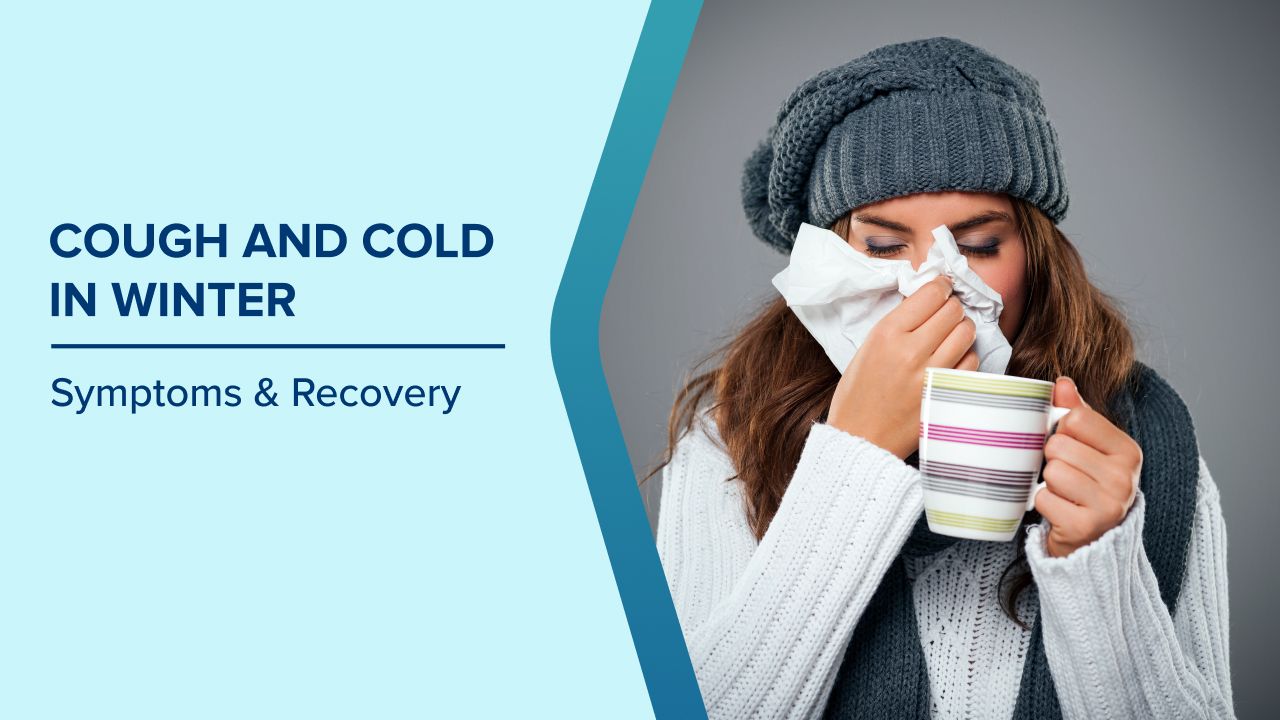
Call Us+91 926 888 0303Why Winter Makes Cough and Cold Worse: Symptoms & Recovery
By Medical Expert Team
Jan 09 , 2026

Winter brings cosy blankets, warm drinks, and quiet evenings indoors, but it also brings something far less pleasant. Many people notice that once a cold or cough appears during the colder months, it seems to linger. Symptoms that usually settle in a few days stretch into weeks, leaving you tired, irritated, and unsure why recovery is taking so long.
Although winter illnesses are very common, the reasons behind their longer duration are not always obvious. The cold season affects your airways, habits, immunity, and lifestyle in various ways, creating an environment where simple infections can take longer to settle. Understanding these reasons can help you manage symptoms better and protect yourself throughout the season.
How Winter Affects the Nose, Throat, and Airways
Your respiratory system works throughout the year to filter air, trap germs, and keep your breathing smooth. But in winter, the air behaves differently, and so does your body.
Cold Air Slows Natural Defences
In warm weather, the nose remains moist and active. It traps dust and irritants, making it easier for the body to clear them out. During winter, the air becomes colder and drier. This dries the lining of the nose and throat, making it harder for the body’s natural cleaning system to sweep away unwanted particles. When this protective layer loses moisture, germs find it easier to settle.
Dry Throat Makes Cough Worse
A dry throat becomes irritated more easily. Even a minor infection can trigger continuous coughing because the throat stays sensitive for longer. Instead of cushioning the airways, the dryness increases friction, which keeps the irritation alive.
Cold Air Tightens Airways
Many people find it harder to breathe comfortably in winter. Cold air can make the airways narrow for short periods. When this happens repeatedly, the airways stay irritated, making recovery slow. This is why a simple cold can feel more intense during winter.
Indoor Habits That Keep Symptoms Hanging On
People often blame the weather alone, but indoor choices during winter play a much bigger role than most realise.
More Time Indoors Means More Shared Germs
Winter pushes everyone into enclosed spaces. Whether at home, work, school, or on public transport, people stay in close contact. When one person has a cold, it becomes easier for others to catch it, keeping symptoms circulating within the same group.
Closed Windows Reduce Fresh Air Flow
To keep warm, most homes and offices keep windows tightly shut. With limited fresh air, the indoor environment becomes stagnant. Irritants, allergens, and germs linger in the air far longer than they would during the rest of the year. Breathing this air repeatedly keeps your airways exposed to the same triggers, slowing recovery.
Room Heaters Dry the Air Further
Heaters create warmth, but they also remove moisture from the air. When the air becomes extremely dry indoors, your throat and nose lose moisture faster. This leads to persistent congestion, repeated coughing, and slow healing.
Winter Bedding Can Trap Irritants
Thick blankets, stored quilts, and winter bedding may hold dust if they have not been aired out recently. This dust increases irritation in already sensitive airways, adding to the duration of cough and cold symptoms.
Why Winter Slows the Body’s Recovery Process
Your body needs energy, hydration, proper sleep, and a balanced routine to recover from a cough and cold. Winter disrupts these factors in several ways.
Changes in Sleep Patterns Affect Healing
The days feel shorter, nights feel longer, and many people experience irregular sleep patterns in winter. Inconsistent sleep affects the body’s ability to restore itself. When the body is tired, it may take longer to fight off seasonal illnesses.
Hydration Levels Drop Without Realising
People tend to drink less water in the cold months. Since you do not feel as thirsty, it becomes easy to forget hydration. However, a dehydrated body cannot produce enough mucus to clear pathogens from the nose and throat. As a result, congestion and cough last longer.
Comfort Food Choices Flood the Body With Extra Work
Winter cravings often lean towards heavier meals and sugary snacks. While these foods provide warmth and energy, they can slow digestion and leave the body feeling sluggish. A tired body takes longer to recover from infections.
Reduced Physical Activity Affects Circulation
Cold weather naturally reduces outdoor activity. Less movement means slower circulation, which affects how efficiently the body can carry nutrients and oxygen to tissues that need healing.
How Everyday Habits Prolong Cough and Cold Without You Realising
It is not always the weather that keeps symptoms lingering. Small but consistent habits can play a major role.
Ignoring Mild Symptoms in the Beginning
People often brush off early signs like throat irritation or a minor cough. Winter schedules and chilly mornings make it easy to delay addressing initial symptoms. By the time the problem gets attention, it becomes harder to resolve.
Overusing Home Remedies Without Proper Balance
Warm water, steam, and herbal drinks can be soothing, but relying on them without addressing the root of the irritation may prolong the problem. The body needs a combination of rest, hydration, and supportive care to heal fully.
Delaying Fresh Air and Sunlight Exposure
Even a short time outdoors helps your body feel more energetic. Staying indoors continuously reduces exposure to sunlight and fresh air, which can further slow recovery.
Repeated Exposure to Cold Air During Mornings and Evenings
Sudden changes in temperature can irritate the airways. Stepping out into cold air without proper coverage can worsen cough or cold symptoms.
Winter Irritants You May Overlook
Some triggers are easy to miss because they blend into daily routines.
Strong Indoor Fragrances and Cleaning Sprays
Many people use more room fresheners during winter to keep rooms smelling pleasant. However, strong fragrances can irritate the throat, especially when the air is already dry.
Pet Dander Indoors
Pets shed more when kept indoors for long periods. This increases the particles in the air, which can irritate a sensitive throat and prolong cough.
Cold Food and Drinks
People often grab chilled snacks or beverages even in winter. Cold items can shock the already sensitive throat, making symptoms stay longer than usual.
When a Long-Lasting Cold Needs Medical Attention
While most winter colds are harmless and go away with care, there are times when you must not ignore persistent symptoms.
Seek medical help if you notice:
- A cough lasting more than a few weeks
- Difficulty breathing
- High fever
- Chest discomfort
- Symptoms worsening instead of improving
These signs may require attention to rule out complications.
Simple Adjustments That Support Faster Recovery
A gentle and consistent approach can make winter colds easier to manage.
Stay Hydrated With Warm Fluids
Warm water, soups, and herbal teas help soothe the throat and keep mucus thin. Proper hydration supports faster recovery.
Cover Your Nose and Mouth Outdoors
A scarf or mask warms the air before it enters the airways. This prevents sudden irritation that worsens coughs.
Ventilate Indoor Spaces Daily
Opening windows for just a few minutes allows fresh air to circulate and dilute indoor irritants.
Keep the Home Environment Moist
A bowl of water near the heater or a gentle mist from a humidifier can add moisture to the air.
Maintain a Steady Sleep Routine
Going to bed and waking up at consistent times supports your body’s natural healing cycle.
Conclusion
Cough and cold lasting longer in winter is not just about the infection itself. It is a combination of cold air, dry surroundings, indoor habits, hydration patterns, and lifestyle changes that come with the season. By understanding these hidden influences, you can make simple adjustments that help your body fight infections more efficiently.
FAQs
Can certain winter foods make cough and cold feel worse?
Some winter treats that are dense, oily, or overly sweet can create heaviness and discomfort, which may make cold symptoms feel more intense for some people.
Does bathing with very hot water affect cough and cold recovery?
Very hot showers can dry out the nose and throat if taken frequently. Warm water is more suitable and soothing.
Can low sunlight exposure affect how you feel during a cold?
Yes, limited sunlight in winter can affect your overall energy levels, making recovery feel slower even if the illness is mild.
Do frequent temperature changes indoors and outdoors affect cold symptoms?
Moving from a very warm room to the chilly outdoors can irritate the airways. Gradual temperature adjustment is helpful.
Can long working hours in heated offices worsen dryness in the throat?
Yes, spending long hours in heated rooms without hydration breaks can dry the throat and prolong irritation.
Does winter clothing choice affect coughing frequency?
Wearing clothing that leaves the chest or neck exposed to cold air can trigger frequent coughing in some people.
Related Blogs


Dr. Vandana Boobna In Internal Medicine
Nov 08 , 2020 | 2 min read
Blogs by Doctor

Stay Safe During Hot Weather: Common Summer Illnesses to Watch Out For
Dr. Charu Goel Sachdeva In Internal Medicine
Apr 08 , 2025 | 9 min read

How to Prevent Heat Stroke and Heat Exhaustion: Stay Healthy in the Heat
Dr. Charu Goel Sachdeva In Internal Medicine
Jun 04 , 2025 | 3 min read
Most read Blogs


Related Blogs
Dr. Vandana Boobna In Internal Medicine
Nov 08 , 2020 | 2 min read
Blogs by Doctor
Stay Safe During Hot Weather: Common Summer Illnesses to Watch Out For
Dr. Charu Goel Sachdeva In Internal Medicine
Apr 08 , 2025 | 9 min read
How to Prevent Heat Stroke and Heat Exhaustion: Stay Healthy in the Heat
Dr. Charu Goel Sachdeva In Internal Medicine
Jun 04 , 2025 | 3 min read
Most read Blogs