 WhatsApp Us (24/7)
 +91 926 888 0303 (24/7)


To Book an Appointment
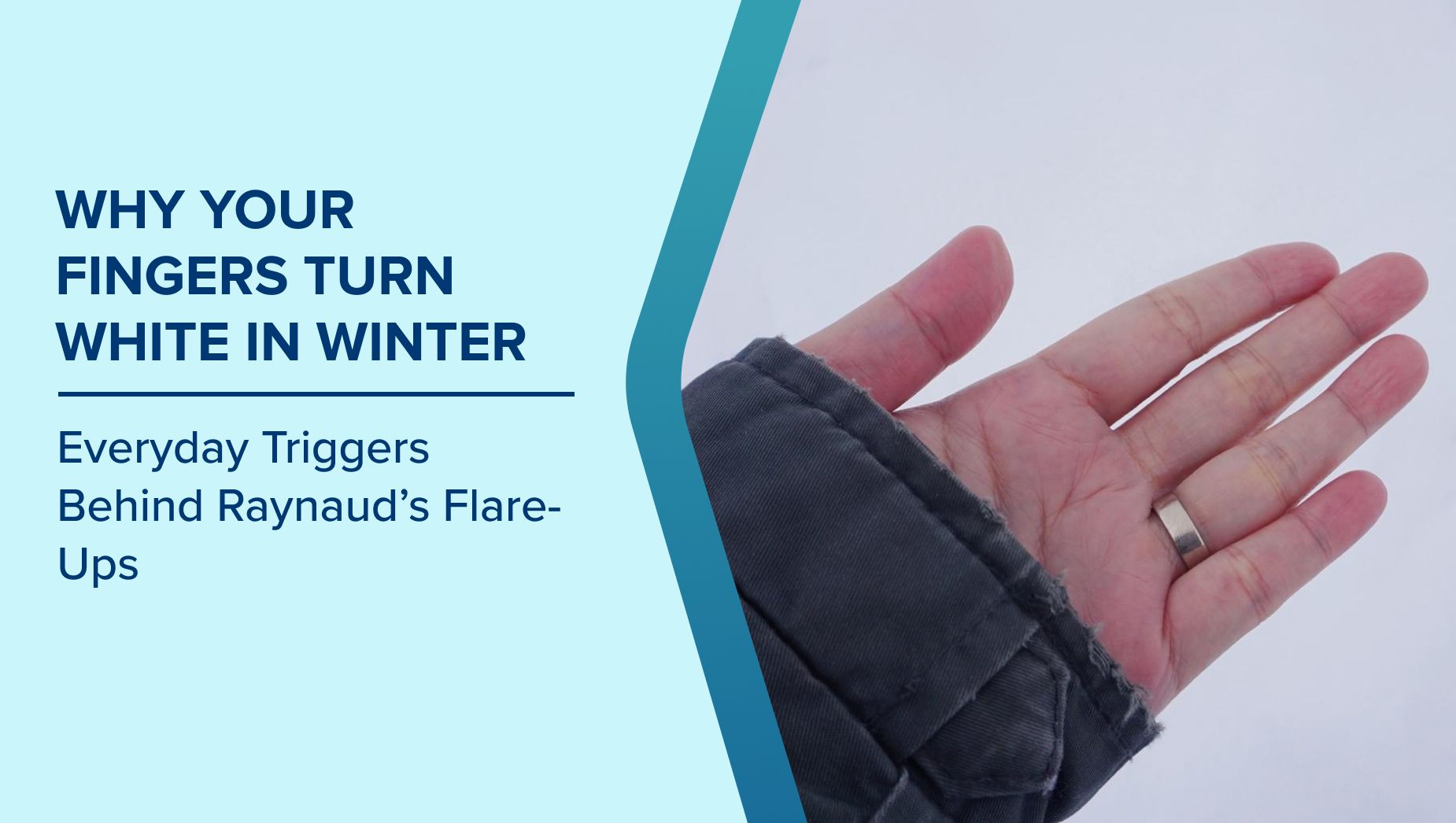
Call Us+91 926 888 0303Why Your Fingers Turn White in Winter: Everyday Triggers Behind Raynaud’s Flare-Ups
By Dr Bhupesh Garg in Vascular Surgery
Dec 11 , 2025 | 5 min read

Cold mornings, winter walks, or even grabbing something from the freezer can sometimes cause your fingers to turn pale or white within seconds. For many people, these colour changes are more than just a reaction to chilly air. They are flare-ups linked to Raynaud’s, a common condition where blood flow to the fingers temporarily reduces.
While Raynaud’s itself is widely discussed in terms of symptoms and causes, what often goes unnoticed are the small, everyday triggers that set off these sudden attacks. Winter makes those triggers even more frequent because the body becomes more sensitive to slight temperature drops. Understanding these subtle factors can help you protect your hands better and reduce uncomfortable episodes.
Why Winter Makes Your Fingers Turn White More Often
Winter naturally puts stress on circulation. When the temperature falls, the body tries to conserve heat by limiting blood flow to the skin. The fingers are among the first to be affected because they are far away from the core. Even a brief exposure to cold air, chilled water or cool indoor environments can be enough to trigger a colour change in sensitive individuals.
The change happens quickly. Your fingers may first look pale or white, become cold and numb and then slowly regain colour once warmth returns. Although this is not harmful for most people, frequent episodes can be uncomfortable and disrupt everyday tasks.
The key is recognising what in your surroundings or behaviour is causing these repeated flare-ups. Many of these triggers are far more common than most people realise.
Read More:- Keep Yourself Safe From The Winter Chill
Unexpected Everyday Triggers During Winter
Sudden Temperature Changes Indoors
- Stepping out of a hot shower into a slightly cooler bedroom
- Standing near a window where cool air enters
- Working in a room that heats unevenly
Holding Cold Objects Without Realising
- Metal door handles
- Water bottles or utensils from the refrigerator
- Steering wheels in the morning
- Keys, pens or tools left near windows
Low Indoor Humidity
Winter air tends to be dry, even inside homes. Dry air cools the skin faster, which can make hands more reactive. When the skin loses moisture, it becomes more sensitive and more likely to react to temperature changes.
Using Cold Water Frequently
- Washing vegetables
- Rinsing utensils
- Touching water while cleaning
- Washing hands repeatedly
Outdoor Errands That Expose Your Hands
- Walking from the car to the store
- Holding a shopping bag that gets cold outdoors
- Opening the car door in windy weather
- Stopping for fuel at the petrol pump
Read More:- Common Skin Conditions in Winter and Their Prevention
Lifestyle Habits That Make Winter Flare-Ups Worse
Some personal habits can increase the frequency of Raynaud’s attacks, especially during winter. These triggers are not always obvious and can go unnoticed for years.
Skipping Gloves Because the Cold Feels Manageable
Many people step outside briefly without gloves, thinking the cold is tolerable. The fingers, however, react even when the rest of the body feels warm. The first few seconds of exposure can be enough to start an episode.
Wearing Tight Jewellery or Clothing
Rings, wristbands or sleeves that fit too tightly can restrict circulation. In winter, when the vessels already tend to narrow, this restriction can worsen blood flow and make flare-ups more common.
Using Your Phone Outdoors
Holding a cold phone screen in open air can quickly drain heat from your fingers. The thin metal or glass surface becomes colder than the surrounding temperature, making it a frequent but overlooked trigger.
Environmental Conditions That Make Fingers Turn White Faster
Winter creates certain environmental conditions that make the hands react more sharply, sometimes even when the cold is not extreme.
Exposure to Wind
Wind removes heat from the skin faster than still air. Even moderate wind can make the fingers react suddenly. This is why many people experience episodes while walking through open areas or waiting outdoors.
Monsoon to Winter Transition Weather
During the shift from rainy season to early winter, humidity drops and temperatures fluctuate. These swings can trigger flare-ups before full winter even begins.
Cold Rooms in Public Places
Public spaces like malls, offices or supermarkets often maintain cooler temperatures. Entering such environments after being outdoors can confuse the body’s temperature response and provoke a colour change in the fingers.
High Altitude Travel During Winter
Mountain trips or cold weather vacations expose the hands to sudden temperature drops, wind chill and long periods of outdoor activity. All of these increase the frequency of episodes.
Read More:- Winter Rash: Causes, Prevention and Treatment
Small Changes That Can Reduce Winter Flare-Ups
You do not need major lifestyle changes to protect your hands. Simple adjustments in daily routines can significantly reduce how often your fingers turn white.
Layering Your Hand Protection
Wearing gloves is essential, but using multiple layers keeps heat in better. Thin cotton gloves inside woollen gloves help insulate the fingers more effectively.
Keeping Hand Warmers Handy
Portable hand warmers are useful during travel, outdoor walks or morning commutes. They can restore warmth quickly and prevent episodes.
Choosing the Right Gloves
Gloves that allow air circulation while providing insulation keep your hands warm for longer. Waterproof gloves are useful when handling snow or rain.
Warming Hands Before Stepping Outside
Rubbing your palms together, using warm water briefly or holding a warm cup can prepare your hands for outdoor exposure.
Avoiding Direct Contact With Cold Objects
Using towels, mittens or cloth holders to grip cold items reduces the chances of triggering an episode.
Maintaining Warmth Indoors
Keeping rooms evenly warm, sealing gaps near windows and using carpets or rugs can help your hands maintain a stable temperature throughout the day.
Staying Hydrated
Low water intake can make hands more sensitive during winter. Drinking adequate fluids supports overall comfort.
Identifying Your Personal Triggers
Every day triggers differ among individuals. Paying attention to situations that consistently cause colour changes helps you avoid them more effectively.
Conclusion
Winter brings a number of everyday triggers that can cause fingers to turn white unexpectedly. These flare-ups often result from subtle temperature changes, environmental conditions, and daily habits that go unnoticed. Small adjustments in how you protect your hands, handle cold surfaces, and manage winter routines can make a meaningful difference. Staying aware of your personal triggers is the key to a more comfortable and manageable winter season.
FAQs
Why do my fingers take so long to warm up after they turn white?
This can happen when the skin cools faster than the rest of the body. Gentle movement and gradual warming often help the colour return more comfortably.
Can warm indoor air still trigger pale fingers?
Yes, if the air is dry or if there are slight temperature shifts in different rooms, the fingers may react even without direct exposure to cold weather.
Are there specific fabrics that help keep hands warm for longer?
Gloves lined with materials like fleece or wool tend to retain warmth better. Layers help too by trapping warm air around the skin.
Why do my fingers turn white more often in the morning?
Mornings are usually colder, and the body temperature is naturally lower after sleep. This combination can make the hands more reactive during the early hours.
Can doing light exercises reduce winter flare-ups?
Gentle movement helps improve warmth in the hands by keeping circulation active. Short walks or stretching can be helpful during long periods of sitting.
Written and Verified by:

Related Blogs

Dr. Digvijay Sharma In Vascular Surgery
Jul 08 , 2016 | 3 min read

Dr. Kumud Rai In Cardiac Sciences , Vascular Surgery
Nov 03 , 2016 | 2 min read
Blogs by Doctor

Most read Blogs


Related Blogs
Dr. Digvijay Sharma In Vascular Surgery
Jul 08 , 2016 | 3 min read
Dr. Kumud Rai In Cardiac Sciences , Vascular Surgery
Nov 03 , 2016 | 2 min read
Blogs by Doctor
Most read Blogs