 WhatsApp Us (24/7)
 +91 926 888 0303 (24/7)


To Book an Appointment
Call Us+91 926 888 0303Why Cold Weather Triggers Neck Stiffness: Signs & Symptoms
By Dr. Rajneesh Kummar in Neurosciences , Neurology
Jan 09 , 2026

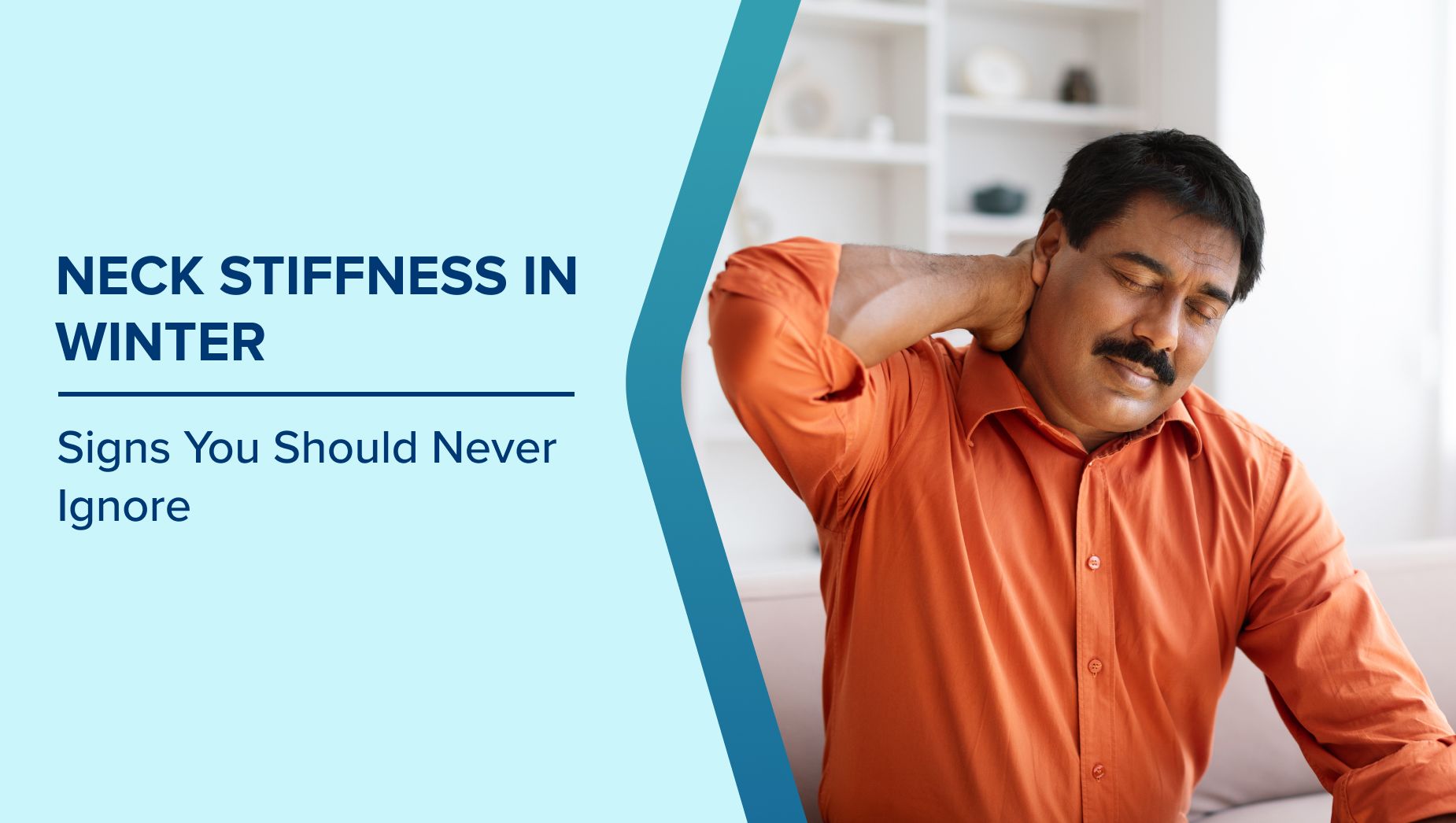
Neck stiffness is something many people experience from time to time, but as winter approaches, the discomfort often becomes more noticeable. Cold mornings, chilly winds, and long hours spent indoors can leave the neck feeling tight, sore, and less flexible.
While occasional stiffness is common, persistent discomfort during winter may indicate more than just a seasonal change.
Why the Neck Feels Stiffer in Winter
Cold weather has a direct impact on the way muscles and joints behave. When temperatures drop, the body attempts to conserve heat, and this affects the neck’s flexibility and comfort.
Muscles Tighten in Low Temperatures
Muscles tend to contract when exposed to cold air. This natural response helps preserve warmth but reduces flexibility. Tightened muscles around the neck can limit movement and trigger discomfort even during simple activities.
Reduced Circulation Affects Muscle Comfort
Blood flow slows when the body is exposed to cold. With lower circulation, muscles receive less oxygen, making them prone to stiffness and fatigue. The neck, being less insulated, is particularly vulnerable.
Habitual Winter Postures Increase Tension
People often hunch their shoulders when they feel cold. This protective posture tenses the muscles of the neck and upper back. Over time, the constant tension contributes to stiffness.
Impact of Dry Air
Winter air, especially indoors, is usually drier. Dryness affects soft tissues and reduces elasticity, contributing to sensations of tightness or soreness in the neck.
Flare-Up of Existing Issues
Individuals with cervical spondylosis, minor disc changes, nerve irritation, or old injuries often notice increased discomfort during winter. Cold weather does not create these conditions, but can make the symptoms more noticeable.
Common Winter Symptoms Related to Neck Stiffness
Neck stiffness can appear in different ways depending on individual sensitivities, lifestyle habits, and underlying issues. People commonly report:
- Restricted movement when turning the head
- Tightness across the shoulders
- Morning stiffness
- Localised pain that worsens with cold exposure
- A sensation of heaviness or mild swelling
- Headaches linked to tense neck muscles
- Occasional tingling or discomfort if nerves are irritated
Winter Habits That Make Neck Stiffness Worse
Cold weather alone is not always responsible for neck stiffness. Certain lifestyle choices during winter can add significant strain to the neck.
Longer Sitting Hours
People tend to stay indoors and spend more time sitting during winter. Prolonged sitting, especially with poor posture, leads to increased tension in the neck and shoulders.
Incorrect Use of Pillows
Using a pillow that is too high, too flat, or worn out can strain the neck during sleep. With cold temperatures affecting sleep quality, inadequate pillow support can intensify stiffness.
Skipping Morning Stretching
Cold mornings often make people avoid stretching or moving their neck muscles. Reduced mobility contributes to muscle tightness over time.
Heavy Outerwear
Thick coats and layers can add weight to the shoulders. When worn for long periods, they can change posture and strain the neck muscles.
Smartphone and Laptop Neck
Bending the neck downwards to look at screens increases pressure on the cervical spine. During winter, screen time usually increases, worsening stiffness.
Sleeping Near Cold Air Flow
Exposure to cool air from fans, heaters, or windows can make neck muscles contract overnight, leading to morning discomfort.
Medical Conditions That Worsen During Winter
Several health conditions become more noticeable when temperatures drop. Individuals with the following issues may experience increased neck stiffness:
Cervical Spondylosis
Wear and tear in the cervical spine can flare up during colder months, causing limited neck movement and discomfort.
Muscle Strain or Spasm
Minor injuries or strained muscles react more sensitively to cold weather.
Nerve Irritation
Conditions involving nerve compression may worsen when cold muscles tighten, adding pressure to surrounding nerves.
Neck Arthritis
Joint stiffness is often amplified during winter due to the natural reduction in joint lubrication and flexibility.
Postural Disorders
Poor posture from long working hours affects the cervical spine. Winter inactivity increases the impact of these issues.
Signs You Should Never Ignore
Not all neck stiffness is harmless. Some signs may indicate that the discomfort is linked to a deeper issue rather than seasonal causes. Pay close attention if you notice any of the following.
- Sudden Severe Neck Pain: If pain appears abruptly without any identifiable cause, it may require medical evaluation.
- Fever with Neck Stiffness: Neck stiffness accompanied by fever can indicate an underlying infection.
- Pain that Travels to the Arms or Shoulders: Radiating pain may indicate nerve involvement.
- Numbness or Weakness in the Arms or Hands: Tingling, weakness, or reduced grip strength suggest possible nerve compression.
- Limited Neck Movement Throughout the Day: Difficulty turning your head or a feeling of the neck being locked should not be ignored.
- Persistent Morning Discomfort: If morning stiffness continues throughout the day, it may indicate a chronic issue.
- Headaches Linked to Neck Tightness: Severe or recurring headaches connected to neck stiffness may require attention.
How to Ease Winter Neck Stiffness Safely
A few simple adjustments can significantly improve comfort during cold weather.
Keep the Neck Warm
- Use scarves, shawls, or neck warmers.
- Avoid exposure to cold winds.
Move Frequently
- Take short breaks from prolonged sitting.
- Gently rotate the neck and stretch the shoulders.
Improve Sleep Support
- Use a supportive pillow that keeps the neck aligned.
- Keep your sleeping area warm.
Stay Hydrated
Even in winter, drinking enough water helps maintain muscle flexibility.
Maintain Good Posture
- Adjust your workstation to keep screens at eye level.
- Avoid bending the neck excessively while using your phone.
Use Warm Compresses
A warm compress or warm shower can relax stiff muscles.
Stay Physically Active
Regular movement maintains good muscle elasticity. Light walks or gentle exercises are effective.
Avoid Carrying Uneven Loads
Distribute weight evenly or use backpacks instead of one-sided bags.
Conclusion
Neck stiffness during cold weather is common, yet it should not be overlooked when it becomes persistent, unusually painful, or begins to affect day-to-day activities. Paying attention to early signs and responding with timely care can prevent minor discomfort from progressing into something more serious. Simple changes in posture, warmth, and daily habits often help, but when symptoms feel out of the ordinary, seeking medical guidance is always the safest approach. Your neck health plays a key role in overall mobility and comfort, and staying aware can make winter far easier on your body.
FAQs
Can cold weather cause neck stiffness even if I am physically healthy?
Yes, some individuals are more sensitive to temperature changes. Their muscles react quickly to cold air, making them feel stiff even if there is no underlying condition.
Does sleeping with multiple blankets affect the neck?
Heavy blankets can restrict movement during sleep. This sometimes leads to stiffness in the morning if the neck stays in one position for too long.
Can emotional stress increase winter neck stiffness?
Stress can cause shoulder and neck muscles to tighten. Combined with cold weather, the tension becomes more noticeable.
Does low vitamin intake contribute to winter stiffness?
Inadequate intake of certain nutrients can affect muscle health. While it is not the only factor, it can make the neck more prone to discomfort during winter.
Can neck stiffness be linked to jaw issues during winter?
Yes, people who clench their jaw unconsciously in cold weather may experience tension that spreads to the neck.
Can changes in winter routine affect neck health?
Reduced sunlight exposure, irregular sleep patterns, and decreased activity levels can indirectly contribute to stiffness.
Should I use a heavier pillow in winter?
No, pillow thickness should be based on neck alignment rather than the season. A supportive pillow is more important than a heavier one.
Written and Verified by:

Related Blogs

Dr. Chandril Chugh In Neurosciences , Interventional Neurology
Nov 08 , 2020 | 1 min read

Dr. Chandril Chugh In Neurosciences , Interventional Neurology
Nov 08 , 2020 | 2 min read
Blogs by Doctor

What is Stroke: Types, Symptoms & Risk Factors
Dr. Rajneesh Kummar In Neurosciences , Neurology
Nov 21 , 2024 | 6 min read

What is Headaches: Causes, Preventions & How to Find Relief
Dr. Rajneesh Kummar In Neurosciences , Neurology
Jan 10 , 2025 | 4 min read
Most read Blogs


Related Blogs
Dr. Chandril Chugh In Neurosciences , Interventional Neurology
Nov 08 , 2020 | 1 min read
Dr. Chandril Chugh In Neurosciences , Interventional Neurology
Nov 08 , 2020 | 2 min read
Blogs by Doctor
What is Stroke: Types, Symptoms & Risk Factors
Dr. Rajneesh Kummar In Neurosciences , Neurology
Nov 21 , 2024 | 6 min read
What is Headaches: Causes, Preventions & How to Find Relief
Dr. Rajneesh Kummar In Neurosciences , Neurology
Jan 10 , 2025 | 4 min read
Most read Blogs