 WhatsApp Us (24/7)
 +91 926 888 0303 (24/7)


To Book an Appointment
Call Us+91 926 888 0303Why are Kidney Diseases Increasing: Symptoms & Prevention
By Dr. Kulwant Singh in Nephrology , Kidney Transplant
Apr 30 , 2026

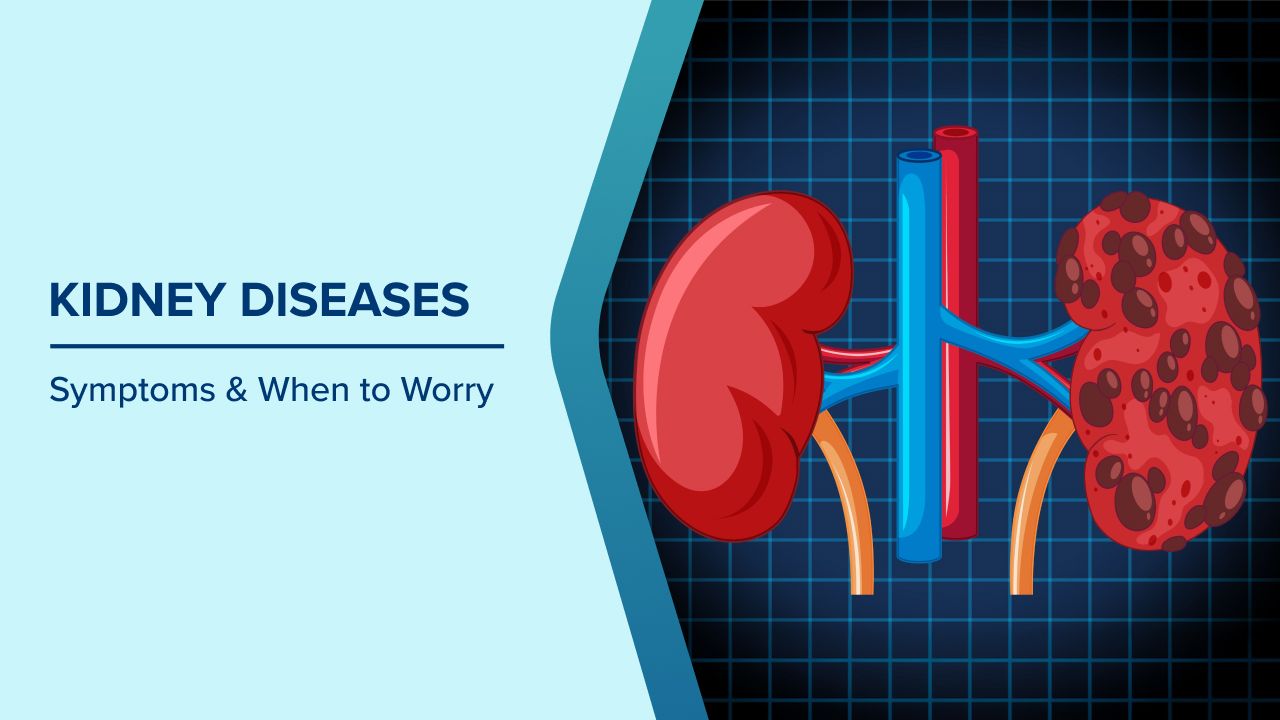
Kidney disease is a significant health concern in India. What is particularly alarming is the growing incidence among younger individuals, largely driven by modern lifestyle factors.
Why Are Kidney Diseases Increasing?
The rise in kidney disease is closely linked to lifestyle-related conditions, including:
- Diabetes
- Hypertension (high blood pressure)
- Obesity
- Sedentary lifestyle
Among these, uncontrolled diabetes and hypertension remain the leading causes of kidney damage in India. Other contributing factors include:
- Kidney stones (renal stones)
- Excessive use of painkillers
- Certain infections
Early Signs and Symptoms to Watch Out For
Kidney disease often develops silently, but some early warning signs include:
- Foamy or bubbly urine
- Reduced urine output
- Frequent urination at night
- Swelling around the eyes or in the limbs (especially in the morning)
- Nausea and vomiting (in advanced stages)
Recognising these symptoms early can help in timely diagnosis and management.
Limited Treatment Options: Why Prevention Is Key
One of the biggest challenges with kidney disease is that treatment options are limited once the disease reaches an advanced stage. Therefore, the focus should always be on prevention and slowing disease progression.
The Three Pillars of Prevention
- Right Diet
Diet plays a crucial role in managing risk factors like diabetes and hypertension. Key dietary recommendations include:
- Reduce carbohydrate intake
- Limit salt consumption
- Control protein intake (especially in existing kidney disease)
- Increase fiber intake
- Maintain appropriate water intake
Important Note: Drinking excessive water does not necessarily improve kidney health. Water intake should be tailored to your urine output and medical condition, ideally under medical guidance.
- Regular Physical Activity
Engaging in physical activity helps control:
- Blood pressure
- Blood sugar levels
- Cholesterol
- Body weight
It is recommended to:
- Do at least 20 minutes of exercise or brisk walking
- Aim for 5 days a week
- Medication Adherence
There is no single medicine that directly cures kidney disease, but managing underlying conditions is critical.
- Take medications for diabetes and hypertension regularly
- Avoid unnecessary painkillers and harmful drugs
- Follow your doctor’s advice consistently
Delaying or avoiding medication can lead to damage not just to the kidneys, but also to other vital organs.
Treatment Options in Advanced Kidney Disease
When kidney function declines to end-stage, treatment options are limited to:
Dialysis
Dialysis is a supportive treatment, not a cure. It helps remove toxins and excess fluid from the body. Types of dialysis include:
- Hemodialysis
- Peritoneal dialysis
Patients typically require dialysis 2–3 times a week, which can significantly affect their quality of life, especially for younger individuals balancing work or education.
Kidney Transplant
For eligible patients, a kidney transplant is often the best long-term solution. Types of kidney transplants:
- Living donor transplant: A healthy family member donates a kidney
- Deceased donor transplant: Organs are retrieved from brain-dead individuals (e.g., accident victims)
Transplantation provides a better quality of life compared to long-term dialysis.
Conclusion
Kidney disease is on the rise, but it is preventable and manageable with the right lifestyle choices. Early detection, healthy habits, and proper medical care can go a long way in protecting kidney health.
Written and Verified by:

Related Blogs

Dr. Puneet Arora In Nephrology
Nov 11 , 2020 | 2 min read

Nov 11 , 2020 | 9 min read
Blogs by Doctor

Hyperuricemia: Health Impact and Treatment Options
Dr. Kulwant Singh In Nephrology
Nov 13 , 2024 | 10 min read
Chronic Kidney Disease Stages: Kidney Damage Reversal & Preventions
Dr. Kulwant Singh In Nephrology , Kidney Transplant
Jun 19 , 2025 | 4 min read
Most read Blogs


Related Blogs
Dr. Puneet Arora In Nephrology
Nov 11 , 2020 | 2 min read
Nov 11 , 2020 | 9 min read
Blogs by Doctor
Hyperuricemia: Health Impact and Treatment Options
Dr. Kulwant Singh In Nephrology
Nov 13 , 2024 | 10 min read
Chronic Kidney Disease Stages: Kidney Damage Reversal & Preventions
Dr. Kulwant Singh In Nephrology , Kidney Transplant
Jun 19 , 2025 | 4 min read
Most read Blogs