 WhatsApp Us (24/7)
 +91 926 888 0303 (24/7)


To Book an Appointment
Call Us+91 926 888 0303When is Pain Serious: Symptoms & When to Seek Care
By Dr Ekta Gupta in Pain Management , Palliative Care
Dec 29 , 2025 | 2 min read

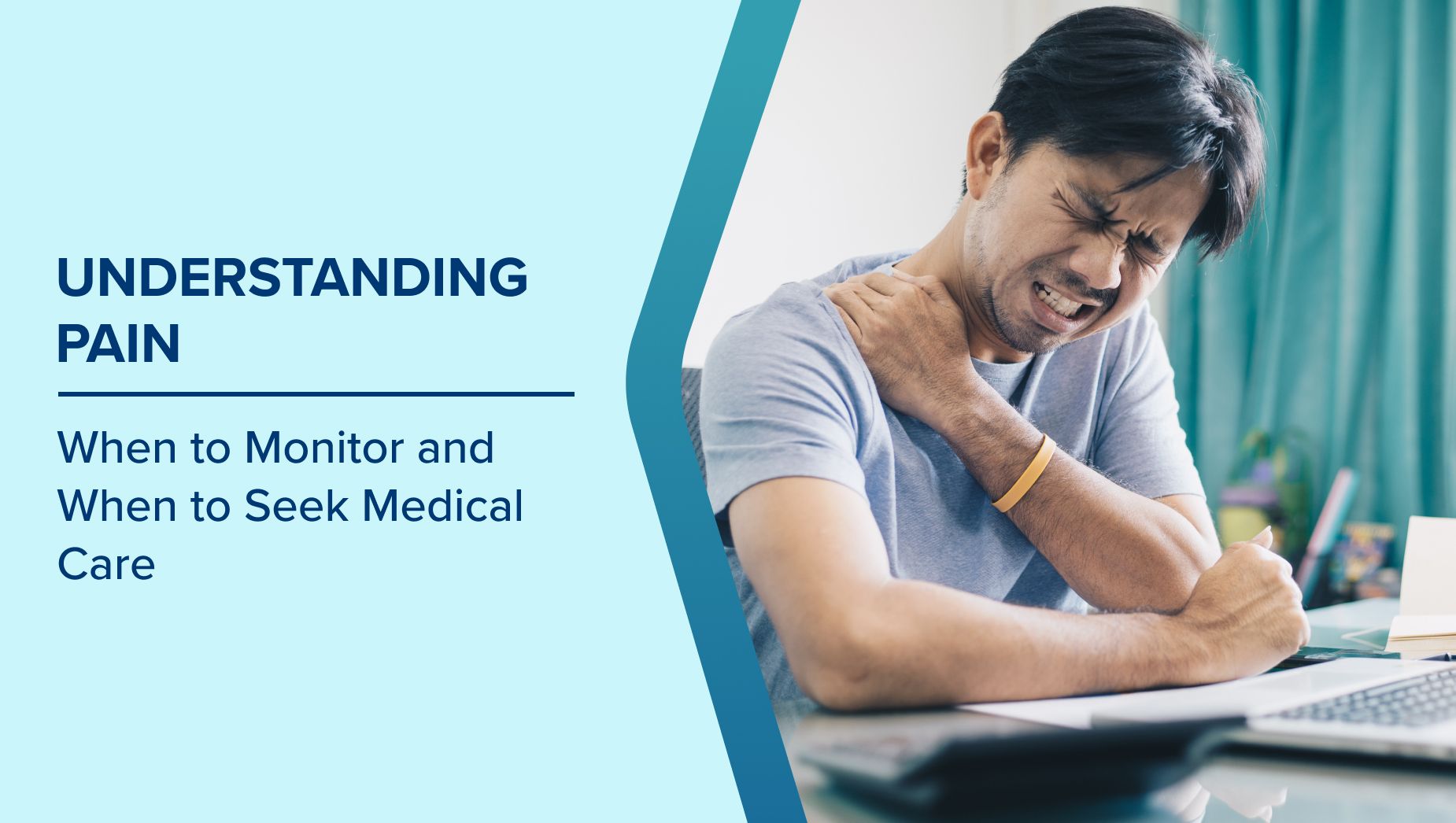
Pain is a common experience, whether it is a sudden twinge in the back, a persistent ache in the knee, or a headache that does not go away. In a fast-paced lifestyle, these symptoms are often dismissed as stress, old age, pollution, or a temporary inconvenience. However, it is important to know how to distinguish minor discomfort from pain that may require urgent medical attention.
Symptoms in the Knee, Shoulder, or Hip
Usually Normal (Muscular Strain)
- Mild occasional pain after a heavy workout or a long day of standing (overuse)
- Mild stiffness in the morning or occasional clicking in the joint
- Improves within a few days to a week with simple home care, like stretching
Potentially Serious (Seek Care Immediately)
- Pain without activity or even after rest, associated with joint instability or a giving-away feeling
- Hot, swollen, or red joint
- Inability to bear weight (knee/hip) or move your arms (shoulder) after an injury
Back Pain: Very Common, Yet Often Misinterpreted
In a city where long commutes and desk jobs are common, back pain is almost an epidemic. While most cases resolve with rest and light activity, be aware of these red flags.
Usually Normal
- Pain localised to the lower back, often worse with specific movements.
- Mild stiffness in the morning
- Improves within a few days to a week
Potentially Serious (Seek Care Immediately)
- Pain radiating down one or both legs below the knee (sciatica) interferes with walking and other routine activities of daily living, persisting even after posture correction
- Pain in the night, prolonged morning stiffness greater than 30 minutes, difficulty in holding urine or stool, new numbness or weakness in both legs or the inner thigh/groin area
- Pain that is constant, unrelenting, and fails to improve despite rest and conservative care.
Chest Pain
While not all chest pain is cardiac, it is the one symptom where you should always err on the side of caution.
When to Seek Emergency Care?
- Squeezing, crushing, or burning pain in the centre of the chest.
- Pain that radiates to the arm (especially the left), jaw, neck, or back.
- Chest pain accompanied by shortness of breath, sweating, lightheadedness, or nausea.
- Pain that continues for weeks without a clear cause- Chest wall pain can come from muscles, joints, or nerves.
Headaches: When is it more than just a bad day?
A headache is the most common pain complaint. Most tension headaches are benign, but some symptoms demand immediate medical evaluation. Some headaches, though, begin initially as mild migraine, but inappropriate compliance to treatment strategy converts these to difficult variants like medication overuse headache that need specialised care.
Usually Normal (Tension / Mild Migraine)
- Gradual onset, building up over hours
- Mild nausea, sensitivity to light or sound
- Dull ache, pressure, or band-like sensation
Potentially Serious (Seek Care Immediately)
- Sudden, severe headache, the worst headache of your life, reaching maximum intensity in seconds or minutes
- High fever, stiff neck, confusion, double vision, or weakness/numbness on one side of the body
- Pain that wakes you up from sleep or changes significantly with coughing or straining
How Do You Know When Pain Needs Medical Attention from a Pain Specialist?
Look out for these three signs:
- Persistence: Your pain lasts for more than 12 weeks and has become chronic.
- Progression: Your pain is getting worse over time, spreading to new areas, or requires increasingly stronger medication to manage.
- Functional Limitation: Your pain stops you from living your life, you can no longer work, enjoy hobbies, sleep well, or perform daily activities.
Conclusion
Pain is a message, not a diagnosis. Understanding its pattern helps guide the next steps in care. An effective pain-management approach goes beyond temporary relief and focuses on identifying the source of pain. Advanced diagnostic tools and treatments, including radiofrequency ablation, cryotherapy, comprehensive rehabilitation, and medication management, are used to provide long-lasting relief.
Written and Verified by:

Related Blogs

Dr. Amod Manocha In Pain Management
Oct 27 , 2020 | 1 min read

Dr. Manish Marda In Pain Management
Jun 30 , 2017 | 20 min read
Blogs by Doctor

Most read Blogs


Related Blogs
Dr. Amod Manocha In Pain Management
Oct 27 , 2020 | 1 min read
Dr. Manish Marda In Pain Management
Jun 30 , 2017 | 20 min read
Blogs by Doctor
Most read Blogs