 WhatsApp Us (24/7)
 +91 926 888 0303 (24/7)


To Book an Appointment
Call Us+91 926 888 0303When Fatigue is Not Normal: Warning Signs & Causes
By Dr. Parinita Kaur in Internal Medicine
Jan 28 , 2026

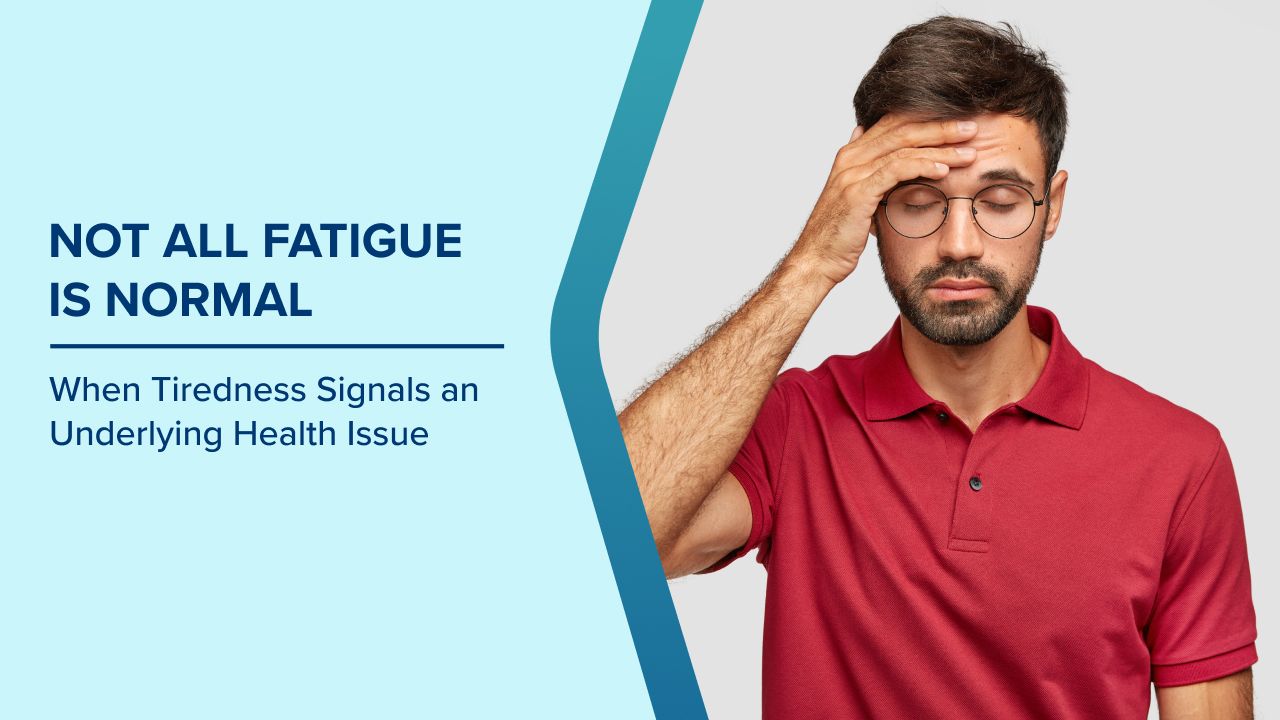
Feeling tired after a busy day is expected. But fatigue that lingers for weeks, affects focus, or limits daily functioning is not something to brush aside. Persistent fatigue is one of the most common reasons people seek medical advice online, yet it is also one of the most commonly ignored symptoms in real life.
Fatigue is not simply sleepiness. It is a deep sense of physical or mental exhaustion that does not improve even after adequate rest. Many people attribute it to stress, work pressure, parenting, or ageing, delaying diagnosis of medical conditions that are often treatable. In some cases, fatigue may be the earliest sign of hormonal imbalance, nutritional deficiency, heart disease, autoimmune disorders, sleep disorders, or chronic infection. Recognising when fatigue is normal and when it signals a health issue can prevent long-term complications and improve quality of life.
What Does Medical Fatigue Really Mean?
Medical fatigue differs from everyday tiredness in both intensity and impact. Fatigue often presents as:
- A constant lack of energy that lasts throughout the day
- Feeling physically weak even after minimal activity
- Difficulty concentrating or completing routine tasks
- Loss of motivation and mental clarity
- Waking up feeling unrefreshed despite adequate sleep
Unlike normal tiredness, fatigue does not improve with a single good night’s rest. It often builds gradually and worsens over time if the underlying cause is not addressed.
Common Medical Causes of Persistent Fatigue
Fatigue is a symptom, not a diagnosis. Understanding its cause is essential for proper treatment.
Iron Deficiency and Anaemia
Iron deficiency is one of the most common causes of fatigue, especially in women.
- Reduced iron levels lower oxygen delivery to tissues
- Muscles and organs tire easily due to a low oxygen supply
- Symptoms may include paleness, breathlessness, and hair thinning
Even mild anaemia can cause significant exhaustion long before other symptoms appear.
Thyroid Disorders
An underactive thyroid slows down nearly every function in the body.
- Metabolism becomes sluggish
- Energy production decreases
- Weight gain, cold intolerance, and constipation often coexist
Many people live with thyroid-related fatigue for years before diagnosis.
Blood Sugar Imbalance and Diabetes
Fluctuating blood sugar levels affect energy regulation.
- High blood sugar leads to cellular dehydration and weakness
- Low blood sugar causes shakiness, sweating, and mental fog
- Fatigue may worsen after meals or long gaps between eating
Early diabetes often presents as unexplained tiredness.
Heart and Lung Conditions
Reduced oxygen delivery due to heart or lung disease causes fatigue.
- The heart works harder to meet the body's demands
- Physical activity becomes exhausting
- Fatigue may worsen with exertion or climbing stairs
In some cases, fatigue appears before chest pain or breathlessness.
Chronic Infections and Inflammation
Long-standing infections trigger ongoing immune activation.
- The body expends energy fighting inflammation
- Low-grade fever, body aches, and weakness may persist
- Fatigue can last even after the acute infection resolves
This is commonly seen after viral illnesses.
Lifestyle Factors That Can Mimic Medical Fatigue
Not all fatigue is caused by disease, but lifestyle contributors can worsen or prolong it.
Poor Sleep Quality
Sleep quantity does not always equal sleep quality.
- Sleep apnea fragments sleep without awareness
- Irregular sleep schedules disrupt the circadian rhythm
- Night-time screen exposure suppresses melatonin
Even people who sleep 7 to 8 hours may wake up exhausted.
Chronic Stress and Mental Load
Ongoing stress keeps the body in a constant alert state.
- Stress hormones interfere with restorative sleep
- Muscles remain tense, increasing physical exhaustion
- Mental fatigue develops from constant cognitive overload
Stress-related fatigue often overlaps with anxiety or burnout.
Nutritional Gaps and Dehydration
Inadequate nutrition directly affects energy production.
- Low protein intake reduces muscle strength
- Vitamin B12 deficiency affects nerve function
- Dehydration reduces blood volume and oxygen flow
Fatigue may worsen during hot weather or illness.
Warning Signs That Fatigue Is Not Normal
Certain symptoms accompanying fatigue should never be ignored.
Physical Warning Signs
Seek medical evaluation if fatigue is associated with:
- Unexplained weight loss or weight gain
- Persistent fever or night sweats
- Shortness of breath at rest
- Swelling of legs, face, or abdomen
- Pale skin or yellowing of the eyes
These signs may indicate systemic illness.
Neurological and Mental Warning Signs
Concerning symptoms include:
- Memory problems or confusion
- Difficulty concentrating on simple tasks
- Sudden mood changes or depression
- Frequent dizziness or fainting
These may reflect neurological or metabolic causes.
How Doctors Diagnose the Cause of Fatigue
Fatigue evaluation is systematic and personalised.
Clinical Assessment
Doctors focus on:
- Duration and progression of fatigue
- Sleep patterns and daily routine
- Stress levels and mental health
- Medication and supplement use
- Family history of chronic illness
Diagnostic Tests Commonly Used
Based on symptoms, tests may include:
- Complete blood count to detect anaemia or infection
- Thyroid function tests
- Blood glucose and HbA1c levels
- Vitamin B12 and vitamin D levels
- Liver and kidney function tests
- Inflammatory markers when autoimmune disease is suspected
Treatment Approaches for Fatigue
Effective treatment targets the underlying cause rather than masking symptoms.
Medical Treatment Options
Depending on diagnosis, treatment may involve:
- Iron, vitamin, or mineral supplementation
- Hormonal therapy for thyroid or endocrine disorders
- Management of chronic diseases like diabetes
- Treatment of sleep disorders
- Mental health support when indicated
Improvement is often gradual but sustained.
Lifestyle Strategies That Support Recovery
Medical treatment works best when supported by healthy habits.
- Establishing consistent sleep and wake times
- Eating balanced meals with adequate protein
- Gentle physical activity to rebuild stamina
- Stress management through relaxation techniques
- Avoiding excessive caffeine and alcohol
What Happens If Fatigue Is Ignored?
Untreated fatigue can lead to:
- Missed diagnosis of serious illness
- Reduced work and social functioning
- Increased risk of accidents
- Emotional distress and depression
- Decline in overall health and resilience
When You Should See a Doctor
Medical advice is recommended if fatigue:
- Persists beyond two to three weeks
- Worsens despite rest
- Interferes with daily responsibilities
- Appears suddenly without explanation
- Occurs with concerning symptoms
Recovery and Long-Term Outlook
Most people recover once the cause of fatigue is identified and treated.
- Energy levels improve gradually
- Quality of sleep and focus returns
- Physical endurance rebuilds over time
Frequently Asked Questions
Can fatigue be the only symptom of a serious illness?
Yes, conditions such as anaemia, thyroid disease, or early heart disease may present with fatigue before other symptoms appear.
Is constant fatigue linked to mental health?
Yes, depression, anxiety, and burnout commonly cause persistent fatigue and should be addressed medically.
Can lack of exercise cause fatigue?
Yes, physical inactivity reduces muscle efficiency and circulation, leading to low energy over time.
Does fatigue always require blood tests?
Not always, but tests help rule out common and treatable causes when fatigue is persistent.
How long should fatigue last before seeking help?
If fatigue persists for more than 2 weeks without a clear explanation, medical evaluation is advisable.
Written and Verified by:

Related Blogs


Dr. Vandana Boobna In Internal Medicine
Nov 08 , 2020 | 2 min read
Blogs by Doctor

Importance of Vitamin D: Signs, Health Impacts, and How to Maintain Levels
Dr. Parinita Kaur In Internal Medicine
Apr 25 , 2025 | 4 min read

JN.1 Variant of COVID-19: Symptoms, Treatment and Prevention
Dr. Parinita Kaur In Internal Medicine
May 21 , 2025 | 9 min read
Most read Blogs


Related Blogs
Dr. Vandana Boobna In Internal Medicine
Nov 08 , 2020 | 2 min read
Blogs by Doctor
Importance of Vitamin D: Signs, Health Impacts, and How to Maintain Levels
Dr. Parinita Kaur In Internal Medicine
Apr 25 , 2025 | 4 min read
JN.1 Variant of COVID-19: Symptoms, Treatment and Prevention
Dr. Parinita Kaur In Internal Medicine
May 21 , 2025 | 9 min read
Most read Blogs