 WhatsApp Us (24/7)
 +91 926 888 0303 (24/7)


To Book an Appointment
Call Us+91 926 888 0303Postpartum Hypertension: Signs, Symptoms & Treatment
By Dr Mugdha Jungari in Obstetrics And Gynaecology
Jun 11 , 2026
1

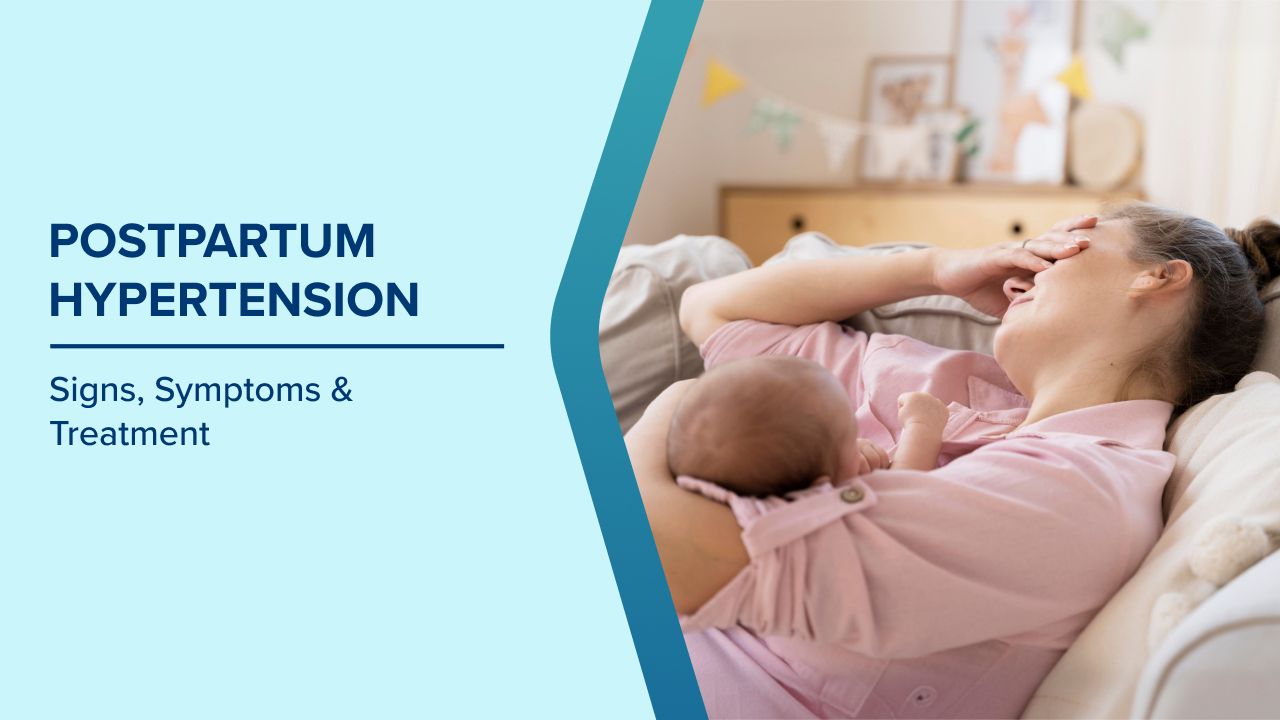
For many women, childbirth marks the end of pregnancy-related health concerns. However, blood pressure changes do not always resolve immediately after delivery. In some cases, blood pressure can rise for the first time after childbirth, or remain elevated even after a stable pregnancy.
This condition, known as Postpartum Hypertension, is often unexpected and can be overlooked once routine prenatal monitoring stops. Understanding why it happens, how to recognise it, and when to seek care is essential for a safe recovery after delivery.
What Is Postpartum Hypertension?
Postpartum hypertension refers to high blood pressure that occurs after childbirth, typically within the first few days to weeks after delivery. It may:
- Develop in women who had normal blood pressure during pregnancy
- Continue in those who experienced hypertension during pregnancy
- Appear suddenly after discharge from the hospital
Unlike pregnancy-related hypertension, this condition is often identified after the mother has returned home, making awareness especially important.
Why Can Blood Pressure Rise After Delivery?
Several physiological changes occur after childbirth, and these can influence blood pressure in different ways.
Fluid Shifts in the Body
After delivery, the body begins to eliminate excess fluid retained during pregnancy. This process can temporarily increase the workload on blood vessels and affect blood pressure levels.
Hormonal Adjustments
Hormone levels drop rapidly after childbirth. These changes can influence how blood vessels expand and contract, sometimes leading to elevated blood pressure.
Vascular Sensitivity
The blood vessels may remain sensitive even after delivery. This can result in delayed blood pressure elevation, even if readings were normal during pregnancy.
Stress and Physical Recovery
The postpartum period involves physical healing, sleep disruption, and emotional adjustment. These factors can contribute to temporary increases in blood pressure.
Underlying Health Conditions
In some cases, previously undiagnosed conditions such as Chronic Hypertension may become more noticeable after delivery, when routine monitoring continues.
When Does Postpartum Hypertension Usually Occur?
Postpartum hypertension most commonly develops:
- Within 48 hours after delivery, or
- Between 3 to 10 days postpartum
However, it can also appear later, even up to 6 weeks after childbirth. This delayed onset is one of the reasons it may go unnoticed.
Signs and Symptoms to Watch For
Postpartum hypertension may not always cause obvious symptoms, but certain signs should not be ignored:
- Persistent or severe headache
- Blurred vision or light sensitivity
- Swelling in the face or hands
- Shortness of breath
- Chest discomfort
- Sudden fatigue or confusion
These symptoms may develop gradually or suddenly. Any unusual discomfort after delivery should be evaluated promptly.
How Is It Different from Pregnancy-Related Hypertension?
While both conditions involve high blood pressure, postpartum hypertension differs in timing and presentation.
- It occurs after delivery, not during pregnancy
- It may develop without prior warning signs
- Monitoring shifts from hospital-based care to home and follow-up visits
This difference makes early recognition more challenging but equally important.
How Is Postpartum Hypertension Diagnosed?
Diagnosis is based on consistent blood pressure readings and clinical evaluation.
Doctors may recommend:
- Regular blood pressure monitoring at home
- Follow-up check-ups within the first week after delivery
- Additional tests if symptoms are present
Since many women are discharged within a few days after childbirth, post-discharge monitoring plays a key role.
Management and Treatment Approach
Treatment focuses on controlling blood pressure while supporting recovery.
Blood Pressure Monitoring
Regular tracking helps identify patterns and ensures timely intervention.
Medications (If Needed)
Doctors may prescribe medications that are safe during breastfeeding, depending on the severity of blood pressure elevation.
Rest and Recovery
Allowing the body time to heal is essential. Adequate rest helps stabilise both physical and hormonal changes.
Balanced Nutrition and Hydration
Maintaining proper nutrition supports recovery and overall cardiovascular health.
Follow-Up Care
Scheduled follow-ups ensure that blood pressure returns to normal and remains stable.
Potential Complications if Left Unmanaged
If not addressed in time, postpartum hypertension can lead to complications such as:
- Increased strain on the heart and blood vessels
- Risk of stroke
- Fluid accumulation in the lungs
- Progression to more severe hypertensive conditions
Although these complications are not common, timely care significantly reduces the risk.
Who Is More Likely to Develop Postpartum Hypertension?
Some women may have a higher likelihood, including those who:
- Had high blood pressure during pregnancy
- Are above 35 years of age
- Have a family history of hypertension
- Have underlying health conditions
However, it is important to note that it can also occur in women with no prior risk factors.
Monitoring at Home: Why It Matters
Once discharged, many symptoms can be subtle. Home monitoring provides an added layer of safety.
Simple steps include:
- Checking blood pressure at the same time each day
- Keeping a record of readings
- Reporting any unusual symptoms early
This helps bridge the gap between hospital care and full recovery.
When to Seek Immediate Medical Attention
Seek urgent care if you experience:
- Severe or persistent headache
- Vision disturbances
- Difficulty breathing
- Chest pain
- Sudden swelling or rapid weight gain
Early intervention can prevent serious complications.
Conclusion
Postpartum hypertension is an important but often under-recognised condition. While childbirth marks the beginning of recovery, the body continues to undergo significant changes that can affect blood pressure.
Being aware of symptoms, monitoring health after discharge, and attending follow-up visits are key to ensuring a safe and smooth recovery. With timely care and proper guidance, most women recover well and regain stable health.
Frequently Asked Questions
1. Can blood pressure rise even if it was normal during pregnancy?
Yes, postpartum hypertension can develop even in women who had normal blood pressure throughout pregnancy.
2. How long does postpartum hypertension last?
It usually resolves within a few weeks, but regular monitoring is important to ensure complete recovery.
3. Is it safe to breastfeed with postpartum hypertension?
Yes, most treatments are compatible with breastfeeding, but medications should always be taken under medical guidance.
4. Do all women need blood pressure monitoring after delivery?
Routine monitoring is recommended, especially within the first few weeks after childbirth.
5. Can postpartum hypertension return in future pregnancies?
There may be a higher risk, so early monitoring in future pregnancies is advised.
Written and Verified by:

Related Blogs

Dr. Manju Khemani In Obstetrics And Gynaecology
Oct 27 , 2020 | 3 min read

Dr. Neera Aggarwal In Obstetrics And Gynaecology , Nutrition And Dietetics
Nov 07 , 2020 | 7 min read
Blogs by Doctor

Most read Blogs

Related Blogs
Dr. Manju Khemani In Obstetrics And Gynaecology
Oct 27 , 2020 | 3 min read
Dr. Neera Aggarwal In Obstetrics And Gynaecology , Nutrition And Dietetics
Nov 07 , 2020 | 7 min read
Blogs by Doctor
Most read Blogs