 WhatsApp Us (24/7)
 +91 926 888 0303 (24/7)


To Book an Appointment
Call Us+91 926 888 0303How Fibroids Cause Heavy Bleeding: Challenges & Tips
By Dr Mugdha Jungari in Obstetrics And Gynaecology
Apr 30 , 2026

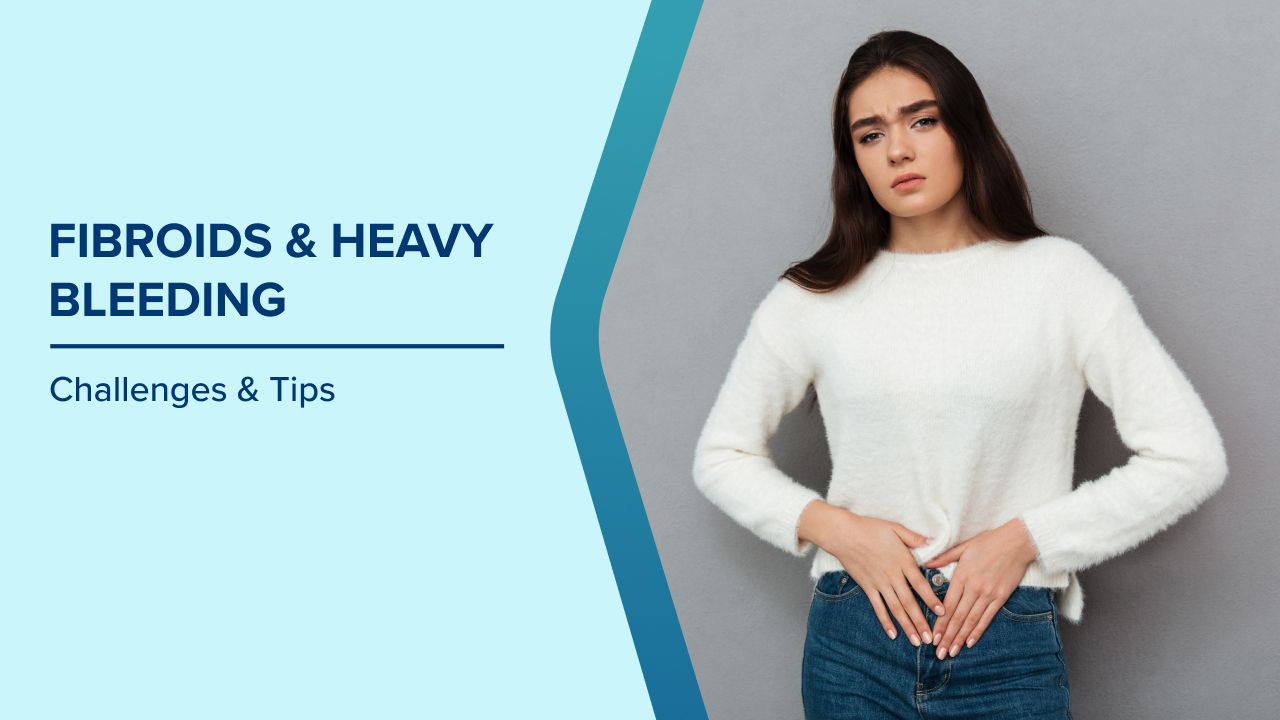
Heavy periods are often dismissed as a normal part of the menstrual cycle. Many women assume that as long as the cycle is regular, the flow is not something to worry about. However, when bleeding becomes excessive, prolonged, or begins to interfere with daily life, it may point to an underlying condition such as uterine fibroids.
Uterine fibroids are one of the most common causes of heavy menstrual bleeding. Recognising when bleeding is no longer normal is the first step towards timely care and better health outcomes.
What Are Uterine Fibroids
Uterine fibroids are non-cancerous growths that develop in the muscle layer of the uterus. They can vary in size and number, and not all fibroids cause symptoms.
Some women may live with fibroids without ever noticing them, while others experience significant changes in their menstrual cycle, especially in the amount and duration of bleeding.
What Is Considered a Heavy Period
It is important to understand the difference between a normal and a heavy menstrual flow.
Signs of Heavy Menstrual Bleeding
Bleeding that lasts longer than seven days
Soaking through pads or tampons every one to two hours
Passing large blood clots
Needing to change protection during the night
Feeling tired or weak during or after periods
When these signs are present regularly, it may indicate a medical concern rather than a normal variation.
How Fibroids Cause Heavy Bleeding
Fibroids can affect the uterus in ways that lead to increased bleeding during menstruation.
Key Reasons Include
Enlargement of the uterine lining, leading to more shedding
Disruption of normal uterine contractions, making it harder to control bleeding
Increased blood supply to the fibroid area
Changes in the structure of the uterine cavity
These changes can result in periods that are heavier, longer, and more difficult to manage.
Does the Type of Fibroid Matter
The impact of fibroids on menstrual bleeding largely depends on their location within the uterus. Not all fibroids affect periods in the same way.
Fibroids More Likely to Cause Heavy Periods
Fibroids growing inside the uterine cavity
Fibroids within the uterine wall that increase its thickness
Fibroids on the outer surface of the uterus are less likely to affect menstrual flow directly.
When Heavy Bleeding Becomes a Concern
Not all heavy periods require urgent treatment, but certain situations should not be ignored.
Warning Signs to Watch For
Bleeding that affects daily routine or work
Symptoms of anaemia, such as fatigue, dizziness, or breathlessness
Increasing heaviness over time
Bleeding between periods
These signs indicate that the body may be under strain and requires medical attention.
Impact of Heavy Periods on Daily Life
Heavy menstrual bleeding can go beyond physical discomfort. It can affect overall well-being in several ways.
Common Challenges
Difficulty managing routine activities
Reduced energy levels
Emotional stress and frustration
Social limitations during menstrual days
Over time, these effects can reduce quality of life if not addressed.
Diagnosis of Fibroids in Women With Heavy Periods
If fibroids are suspected, doctors may recommend simple diagnostic tests.
Common Methods Include
Pelvic examination
Ultrasound imaging
Additional imaging if required for clarity
These tests help confirm the presence of fibroids and understand their size and location.
Treatment Options for Heavy Bleeding Caused by Fibroids
Treatment depends on the severity of symptoms, the size of fibroids, and the individual’s health needs.
Medical Management
Medications may be used to:
Reduce menstrual bleeding
Regulate hormonal balance
Improve comfort during periods
This approach is often suitable for mild to moderate symptoms.
Non-Surgical Procedures
Certain procedures can help control bleeding without major surgery. These are considered based on individual suitability.
Surgical Options
When bleeding is severe or persistent, surgical treatment may be considered to remove fibroids or address the underlying cause.
The choice of treatment is always personalised and discussed in detail with the patient.
Can Heavy Bleeding Be Managed Without Immediate Treatment?
In some cases, if symptoms are mild and not affecting daily life, doctors may recommend monitoring.
However, it is important to:
Track changes in menstrual flow
Watch for signs of worsening
Maintain regular follow-up
Ignoring persistent heavy bleeding is not advisable.
Practical Tips to Manage Heavy Periods
While medical treatment is important, certain daily practices can help manage symptoms better.
Helpful Measures
Keep track of menstrual patterns
Use appropriate menstrual products for comfort
Maintain a balanced diet to support energy levels
Stay hydrated during periods
Plan rest during heavier days
These steps can improve comfort while undergoing treatment or evaluation.
Why Early Attention Matters?
Heavy periods may seem manageable initially, but over time, they can lead to complications such as anaemia and fatigue.
Seeking timely advice helps:
Identify the cause early
Prevent worsening of symptoms
Choose appropriate treatment options
Improve overall quality of life
Early care often leads to better and simpler management.
Conclusion
Uterine fibroids are a common cause of heavy menstrual bleeding, but not all heavy periods should be considered normal. Recognising the difference between typical and excessive bleeding is essential for timely care.
If periods are becoming heavier, longer, or more difficult to manage, it is important to seek medical guidance. With the right approach, symptoms can be effectively controlled, allowing women to maintain their daily routine and overall well-being.
FAQs
1. Can heavy periods due to fibroids stop on their own?
In some cases, symptoms may fluctuate, but persistent heavy bleeding usually requires evaluation and management.
2. Does heavy bleeding always mean fibroids are large?
Not necessarily. Even smaller fibroids, depending on their location, can cause significant bleeding.
3. Can heavy periods affect work productivity?
Yes, frequent discomfort and fatigue during periods can impact concentration and daily performance.
4. Is it safe to rely only on home remedies for heavy periods?
Home remedies may provide temporary comfort, but they do not address the underlying cause and should not replace medical advice.
5. Can menstrual patterns change suddenly with fibroids?
Yes, some women may notice a sudden increase in flow or duration as fibroids grow or change.
Written and Verified by:

Related Blogs

Dr. Manju Khemani In Obstetrics And Gynaecology
Oct 27 , 2020 | 3 min read

Dr. Neera Aggarwal In Obstetrics And Gynaecology , Nutrition And Dietetics
Nov 07 , 2020 | 7 min read
Blogs by Doctor
Most read Blogs

Related Blogs
Dr. Manju Khemani In Obstetrics And Gynaecology
Oct 27 , 2020 | 3 min read
Dr. Neera Aggarwal In Obstetrics And Gynaecology , Nutrition And Dietetics
Nov 07 , 2020 | 7 min read
Blogs by Doctor
Most read Blogs