 WhatsApp Us (24/7)
 +91 926 888 0303 (24/7)


To Book an Appointment
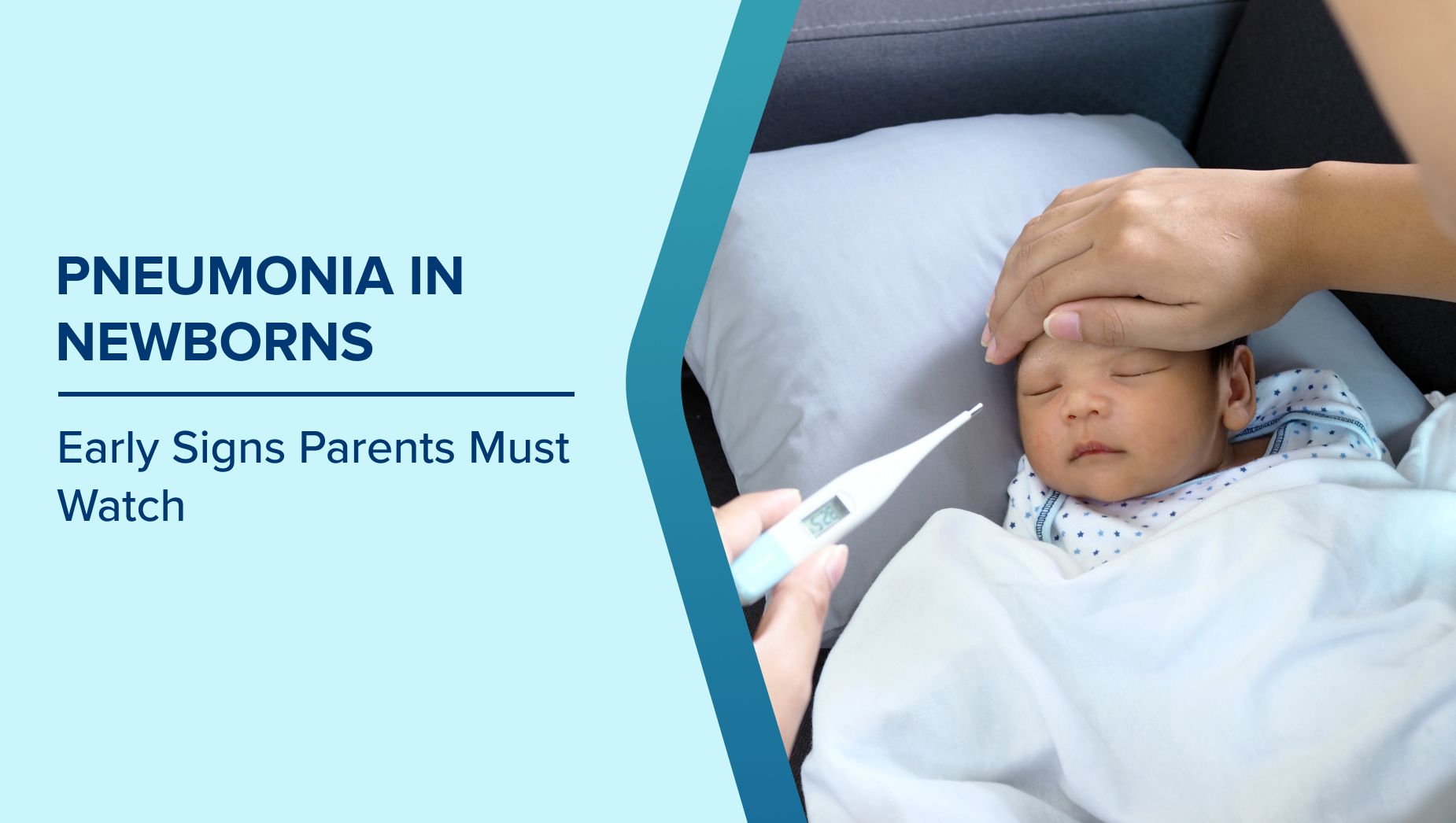
Call Us+91 926 888 0303Pneumonia in Newborns: Early Signs Parents Must Watch
By Dr. Kaushaki Shankar in Neonatology , Paediatrics (Ped)
Dec 02 , 2025 | 4 min read

Pneumonia in newborns is a serious health concern that can develop quickly and become life-threatening if not identified and treated promptly. Because newborns cannot communicate how they feel, recognising early signs can be challenging. As a parent or caregiver, understanding subtle warning signs is critical to ensure timely medical attention and safeguard your baby’s health.
What is Pneumonia in Newborns?
Pneumonia is an infection of the lungs that causes inflammation and fluid accumulation, making it difficult for the baby to breathe properly. In newborns, the immune system is still developing, making them more vulnerable to infections. Early detection can dramatically improve outcomes, as treatment at the right time can prevent complications such as respiratory failure or sepsis.
Why Early Recognition is Crucial
Newborns cannot express discomfort or symptoms in the ways older children can. Subtle signs may go unnoticed, delaying care. Recognising early signs helps parents:
- Ensure timely medical intervention
- Prevent the infection from worsening
- Reduce hospitalisation and long-term complications
- Monitor the baby’s health effectively at home
Common Early Signs of Pneumonia in Newborns
Here are the main signs to watch for:
Breathing Difficulties
Newborns with pneumonia may struggle to breathe. Signs include:
- Rapid or laboured breathing
- Flaring nostrils
- Chest retractions, where the skin between the ribs or under the collarbone pulls inward with each breath
- Grunting sounds while exhaling
Even mild changes in breathing patterns should not be ignored, as respiratory distress can develop quickly in infants.
Changes in Feeding Patterns
Pneumonia often affects a baby’s appetite and ability to feed. Watch for:
- Poor feeding or refusal to breastfeed or bottle-feed
- Short feeding sessions due to fatigue
- Less frequent or smaller feeds than usual
Feeding difficulties can lead to dehydration and weight loss if left unaddressed.
Temperature Changes
Newborns may not always have a fever with infections. Temperature signs include:
- Low-grade fever or sometimes no fever at all
- Chills or feeling unusually cold to touch
- Persistent warmth that does not subside
Monitoring your baby’s temperature regularly helps identify early illness.
Unusual Irritability or Lethargy
Behavioural changes are often early indicators of illness:
- Excessive fussiness or crying
- Unusually sleepy or difficult to wake
- Lack of interest in surroundings
These changes may be subtle, but they are important signals that your newborn is unwell.
Colour Changes
Pneumonia can affect oxygen levels in the blood, leading to visible signs:
- Bluish tinge around the lips, fingertips, or toes
- Pale or greyish skin colour
- Mottled skin patterns
Immediate medical attention is necessary if you notice any of these changes.
Cough and Respiratory Sounds
Coughing may be mild in the early stages but can become persistent. Other sounds include:
- Wheezing or rattling noises
- Frequent choking or gagging
- Short, shallow breaths
Although newborns do not always cough prominently, any unusual respiratory sounds should be taken seriously.
Supporting Your Newborn at Home
While medical care is essential, parents can support their baby at home before and after visiting a doctor:
- Keep the baby upright during feeding to ease breathing
- Maintain a clean and smoke-free environment
- Use a humidifier to keep the air moist, which can ease breathing
- Monitor temperature, breathing rate, and feeding patterns regularly
- Record any changes to provide detailed information to healthcare providers
When to Seek Immediate Medical Attention
Prompt hospital care is necessary if any of these occur:
- Severe breathing difficulties or pauses in breathing
- Persistent high or low temperature
- Blue or grey skin tone
- Lethargy or inability to feed
- Rapid worsening of symptoms
Newborn pneumonia can escalate quickly, and early medical intervention can save lives.
Preventing Pneumonia in Newborns
While not all cases are preventable, these steps reduce risk:
- Ensure timely vaccinations as recommended
- Practice good hand hygiene before handling the baby
- Avoid exposure to sick individuals or crowded places
- Breastfeed if possible to boost immunity
- Keep the home environment clean and free from smoke
Conclusion
Recognising early signs of pneumonia in newborns requires careful observation, attention to subtle changes, and prompt action. Parents play a crucial role in monitoring breathing, feeding, behaviour, and temperature to detect problems early. If any warning signs appear, seeking medical attention immediately can make a significant difference in outcomes.
By staying vigilant, practising preventive care, and supporting your newborn with a healthy environment, you can help protect your baby from severe infections and promote long-term health.
FAQs
Can pneumonia develop even if my newborn seems healthy?
Yes, newborns can appear healthy while an infection develops internally. Subtle signs like feeding difficulties or mild irritability may be the only early indicators.
How long does it take for pneumonia symptoms to appear in newborns?
Symptoms can develop quickly within hours to a few days after infection. Close monitoring during the first few days of life is essential.
Can home remedies help a newborn with pneumonia?
Home remedies cannot treat pneumonia in newborns. Supportive care like keeping the baby hydrated and monitoring symptoms is helpful, but medical treatment is always necessary.
Are premature babies at higher risk for pneumonia?
Yes, premature babies have underdeveloped lungs and immune systems, making them more susceptible to infections. Extra care and monitoring are important for preterm infants.
Is pneumonia contagious for other children in the household?
Some types of pneumonia can be contagious, depending on the underlying infection. Practising good hygiene and limiting exposure can reduce risk to siblings.
How can I tell the difference between a common cold and pneumonia in my newborn?
While both can affect breathing, pneumonia often involves laboured breathing, feeding difficulties, colour changes, and lethargy. Colds are usually milder and do not significantly affect feeding or oxygenation.
Can pneumonia affect my baby long-term?
If treated promptly, most newborns recover fully. Delayed treatment can lead to complications like respiratory failure or longer-term lung issues, which is why early recognition is vital.
Written and Verified by:

Related Blogs


Blogs by Doctor

Newborn Skin Care: Tips for Keeping Baby’s Skin Healthy and Soft
Dr. Kaushaki Shankar In Neonatology , Paediatrics (Ped)
Nov 28 , 2024 | 3 min read
Most read Blogs


Related Blogs
Blogs by Doctor
Newborn Skin Care: Tips for Keeping Baby’s Skin Healthy and Soft
Dr. Kaushaki Shankar In Neonatology , Paediatrics (Ped)
Nov 28 , 2024 | 3 min read
Most read Blogs