 WhatsApp Us (24/7)
 +91 926 888 0303 (24/7)


To Book an Appointment
Call Us+91 926 888 0303Marasmus: Causes, Symptoms, Diagnosis & Treatment Options
By Ritika Samaddar in Nutrition And Dietetics
Feb 17 , 2026
1

Every year, malnutrition claims the lives of millions of children worldwide, with severe acute malnutrition (SAM) contributing to nearly half of all deaths in children under five. Among the most devastating forms of this preventable disease is marasmus, a severe nutritional disorder that causes extreme weight loss and muscle depletion in children who lack adequate food. Although it is more common in infants and young children in resource-poor areas, it can occur anywhere where access to adequate nutrition is compromised. This makes understanding of the condition highly important as it can be the difference between life and death for vulnerable children around the world. Let’s start with the basics.
What is Marasmus?
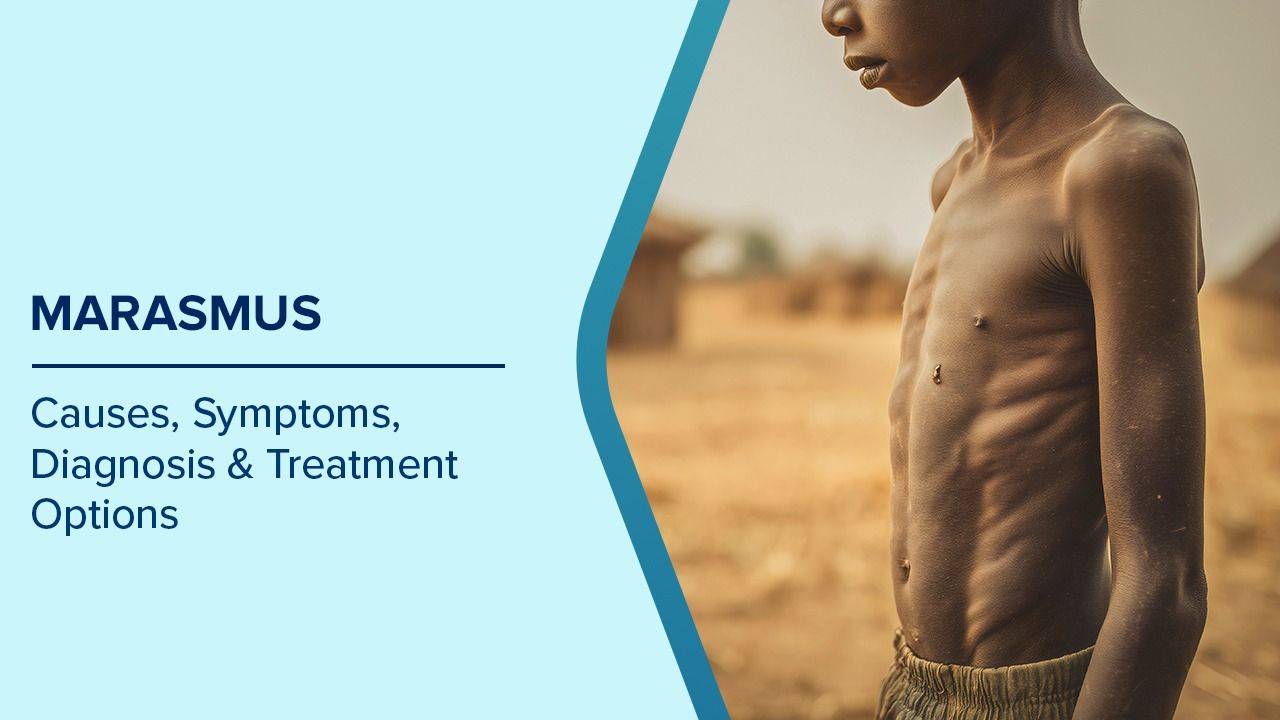
Marasmus is a severe form of malnutrition that occurs due to a long-term deficiency of calories and proteins in the diet. It mainly affects infants and young children, but can also develop in older children and adults when nutrition is severely inadequate over a prolonged period. In marasmus, the body first uses its stored fat for energy. Once all the stored energy is depleted, it begins breaking down muscle and other tissues to survive. This process leads to extreme weight loss, severe muscle wasting, and a visibly frail appearance.
Unlike kwashiorkor, another severe form of malnutrition, marasmus does not typically cause swelling or fluid retention. However, it severely weakens the immune system, leaving the body vulnerable to infections and other complications. Children with marasmus often appear lethargic, have stunted growth, and may struggle to meet basic developmental milestones if the condition is not treated promptly.
What Causes Marasmus?
Marasmus occurs when the body receives insufficient calories and proteins over an extended period, forcing it to use its own tissues for energy. Multiple factors, often interacting together, can lead to this severe form of malnutrition including:
1. Inadequate Caloric Intake
When a child or adult does not consume enough calories, the body first uses stored fat to meet energy needs. Prolonged deficiency eventually forces the body to break down muscle tissue, resulting in extreme weight loss and severe wasting. In infants and young children, insufficient breastfeeding or delayed introduction of complementary foods can significantly contribute to caloric deficiency.
2. Protein Deficiency
Proteins are vital for growth, tissue repair, and maintaining a healthy immune system. A diet low in protein leads to the breakdown of muscle and other tissues once fat stores are exhausted. Protein deficiency is often linked to diets that are heavily reliant on starchy foods, without enough protein-rich items like legumes, eggs, or milk.
3. Chronic Illnesses and Malabsorption Disorders
Certain illnesses can interfere with nutrient absorption or increase nutrient needs. Chronic diarrhoea, parasitic infections, or gastrointestinal disorders like celiac disease or inflammatory bowel disease prevent the body from absorbing essential nutrients. Infections or chronic illnesses also increase energy demands, making it easier for malnutrition to develop even if food intake appears adequate.
4. Socioeconomic and Environmental Factors
Poverty, food insecurity, and limited access to healthcare significantly increase the risk of marasmus. Families in resource-poor settings may struggle to provide enough food for children, lack knowledge of proper nutrition, or have restricted access to vaccines and medical care. Environmental challenges, such as unsafe water and poor sanitation, can exacerbate malnutrition by causing frequent infections that further drain the body’s energy.
5. Neglect or Inadequate Care
In some cases, marasmus can result from neglect or insufficient knowledge about infant and child nutrition. Caregivers may not provide frequent breastfeeding, introduce complementary foods too late, or fail to ensure a balanced diet, especially during the critical first two years of life, when nutritional needs are highest.
6. Natural Disasters, Famine, and Conflict
Large-scale crises such as droughts, famines, floods, or war can drastically reduce access to food and clean water. These emergencies disproportionately affect vulnerable populations, particularly infants and young children, leading to widespread malnutrition and increasing the prevalence of marasmus.
7. Combination of Factors
Often, marasmus arises from a combination of the above factors rather than a single cause. For example, a child in a poverty-stricken area may face inadequate food, frequent infections, and poor healthcare simultaneously, compounding the risk of developing this life-threatening condition.
What are the Symptoms of Marasmus?
Marasmus develops gradually as the body experiences a prolonged deficiency of calories and proteins. Symptoms can affect physical appearance, behaviour, and overall health:
- Severe weight loss and muscle wasting, resulting in a frail, skeletal appearance with prominent bones
- Stunted growth, delayed development, and failure to reach age-appropriate milestones
- Extreme weakness and lethargy, leading to very low activity levels
- Thin, dry, and wrinkled skin due to loss of fat and subcutaneous tissue
- Sparse, brittle, or discoloured hair, which may fall out easily
- Irritability, withdrawal, and reduced responsiveness to surroundings
- Loss of appetite, making adequate nutritional intake even more difficult
- Frequent infections, including respiratory illnesses and diarrhoea, due to a weakened immune system
- Digestive issues such as chronic diarrhoea, bloating, and poor nutrient absorption
- Dehydration and electrolyte imbalances in severe cases, which can lead to complications affecting the heart, kidneys, and other organs.
How is Marasmus Diagnosed?
Diagnosing marasmus requires a thorough assessment to determine both the severity of malnutrition and its underlying causes.
Clinical Examination
Doctors carefully observe physical signs, including extreme thinness, muscle wasting, prominent bones, dry and wrinkled skin, and sparse or brittle hair. Lethargy, irritability, and delayed developmental milestones are also evaluated. A detailed medical history is taken to understand dietary patterns, recent illnesses, and overall growth progression, which helps distinguish marasmus from other forms of malnutrition.
Anthropometric Measurements
Anthropometric measurements provide objective data to assess the extent of malnutrition:
- Weight-for-height ratio: A significant deficit indicates severe wasting.
- Body Mass Index (BMI): Assesses malnutrition severity in older children and adults.
- Mid-upper arm circumference (MUAC): Measures muscle and fat stores, particularly in children under five.
- Growth charts: Compare height and weight with standard references to identify stunting, underweight, or failure to thrive.
Laboratory Tests
Laboratory investigations help identify nutritional deficiencies and related health issues. Blood tests can detect protein deficiency, anaemia, electrolyte imbalances, and micronutrient deficiencies. They may also reveal infections or underlying medical conditions that contribute to or worsen malnutrition.
Screening for Underlying Causes
A complete evaluation includes screening for chronic illnesses, gastrointestinal disorders, and malabsorption syndromes. Healthcare providers also review feeding practices, dietary intake, and socioeconomic factors to identify root causes. This comprehensive assessment is crucial for designing effective treatment and preventing recurrence.
How is Marasmus Treated?
Treating marasmus requires a careful, multi-step approach that addresses immediate health risks, restores nutrition, and supports long-term recovery.
Emergency Stabilisation
The first priority is stabilising the patient’s condition. This involves correcting dehydration with oral rehydration solutions or intravenous fluids and restoring electrolyte balance to prevent life-threatening complications. Any infections or acute illnesses that may be worsening the patient’s condition are identified and treated promptly.
Nutritional Rehabilitation
Once the patient is stabilised, gradual nutritional rehabilitation begins. Small, frequent meals rich in calories and nutrients are introduced carefully to avoid overwhelming the digestive system. In children, specially formulated therapeutic foods such as F-75 and F-100 are often used. The goal is to restore weight and rebuild fat and muscle tissue safely over time.
Medical Management
Medical management involves addressing deficiencies and underlying health issues. Vitamins and mineral supplements, including zinc, iron, and vitamin A, may be administered to correct nutritional gaps. Any chronic illnesses, infections, or conditions contributing to malnutrition are treated, and patients are closely monitored for vital signs, weight gain, and overall nutritional progress.
Long-Term Nutritional Support
Sustained recovery requires long-term nutritional support. Caregivers are educated on proper feeding practices, including breastfeeding and the introduction of complementary foods. Structured meal plans ensure sufficient intake of calories and proteins to support growth. In high-risk areas, coordination with community nutrition programs helps prevent recurrence of malnutrition.
Psychological and Developmental Support
Children recovering from marasmus may experience cognitive or emotional delays. Early stimulation, age-appropriate play, and developmental support are integrated into care to help children regain physical, emotional, and mental health.
How Can Marasmus be Prevented?
Marasmus prevention requires a combination of proper feeding practices, caregiver awareness, community support, and early health monitoring. The following approaches are essential to reduce the risk of this life-threatening condition:
Adequate Infant and Child Nutrition
Ensuring proper nutrition from birth is critical to preventing marasmus. Exclusive breastfeeding for the first six months provides essential nutrients and antibodies. Timely introduction of complementary foods that are rich in calories, proteins, and micronutrients supports continued growth and development in infants and young children.
Caregiver Education
Educating caregivers about children’s nutritional needs is essential. Understanding the importance of balanced diets, regular feeding schedules, and nutrient-rich foods helps prevent undernutrition. Guidance on including adequate proteins, vitamins, and minerals in daily meals ensures children receive the energy required for healthy growth.
Public Health Measures
Access to clean water, sanitation, and routine healthcare reduces the risk of infections and illnesses that can worsen malnutrition. In resource-poor settings or areas affected by famine or conflict, community nutrition programs, food supplementation initiatives, and awareness campaigns help ensure children receive sufficient nutrition.
Early Identification of At-Risk Children
Regular growth monitoring and health check-ups allow caregivers and healthcare providers to detect early signs of undernutrition. Prompt intervention prevents progression to severe malnutrition and reduces the risk of developing marasmus.
By addressing nutrition, caregiver awareness, community support, and early detection, marasmus can be effectively prevented, protecting children from the serious consequences of severe malnutrition.
Consult Today
Marasmus remains one of the most severe and life-threatening forms of malnutrition, yet it is largely preventable with proper nutrition, timely intervention, and community support. If you want to prevent malnutrition in your child or need advice on proper nutrition for growing kids, don't hesitate to seek professional guidance from Max Hospital Specialists. They can help through comprehensive nutritional assessments, personalized meal plans tailored to your child's age and needs, expert breastfeeding and weaning guidance, education on balanced diets and prevention strategies, and specialised treatment for children showing signs of undernutrition. Schedule a consultation with our pediatric nutrition specialists today to give your child the foundation for a healthy, thriving future.
Frequently Asked Questions
Can adults develop marasmus, or does it only affect children?
While marasmus predominantly affects infants and young children, adults can also develop this condition when subjected to prolonged severe caloric restriction. Adults with chronic illnesses, eating disorders, advanced cancer, or those experiencing extreme poverty or famine are at risk. However, the condition is far more common and dangerous in children due to their higher nutritional needs for growth and development.
How long does it take for marasmus to develop?
Marasmus typically develops over weeks to months of sustained inadequate nutrition. The timeline varies depending on the severity of caloric deficiency, the individual's initial nutritional status, and whether any underlying illnesses are present. In infants and young children, the progression can be faster due to their limited energy reserves and rapid growth requirements.
Is marasmus contagious?
No, marasmus is not contagious and cannot be transmitted from one person to another. It is a nutritional disorder caused by insufficient food intake, not an infectious disease. However, children with marasmus have weakened immune systems, making them more susceptible to infections that can be contagious.
What is the survival rate for children with marasmus?
With prompt and appropriate treatment, many children can recover from marasmus. However, without medical intervention, the condition can be fatal. The survival rate depends on the severity of malnutrition at diagnosis, the presence of complications like severe infections, access to quality healthcare, and how quickly treatment begins. Early detection and comprehensive nutritional rehabilitation significantly improve outcomes.
Can a child with marasmus catch up on growth after recovery?
Many children who receive timely treatment can experience significant catch-up growth, though outcomes vary. Younger children who are treated early have better chances of reaching normal height and weight. However, if marasmus occurs during critical developmental periods or persists for extended durations, some children may experience permanent growth stunting or developmental delays.
What is the difference between starvation and marasmus?
Although both involve severe undernourishment of food, starvation typically refers to acute, short-term food deprivation, whereas marasmus results from chronic, prolonged inadequate nutrition. Marasmus is a clinical diagnosis with specific physical characteristics and medical criteria, while starvation can range from mild hunger to severe deprivation without necessarily meeting the clinical definition of marasmus.
Are there any long-term effects even after successful treatment?
Children who recover from marasmus may experience some long-term side effects depending on the duration and severity of malnutrition. Possible lasting impacts include reduced immunity making them more prone to infections, cognitive or learning difficulties if malnutrition occurred during critical brain development, and shorter stature if growth was severely affected. However, with proper ongoing nutritional support and medical care, many children can minimize these effects.
Can marasmus affect brain development permanently?
Severe malnutrition during infancy and early childhood, when the brain is rapidly developing, can lead to lasting cognitive impairments. The first two years of life are particularly critical for brain growth. If marasmus occurs during this period and is not treated promptly, it may result in reduced cognitive abilities, learning difficulties, and behavioral problems that persist into adulthood.
Written and Verified by:

Related Blogs


Dr. Neera Aggarwal In Obstetrics And Gynaecology , Nutrition And Dietetics
Nov 07 , 2020 | 7 min read
Blogs by Doctor

Diet And Lifestyle Changes A Move Towards a Healthy Heart
Ritika Samaddar In Dietetics , Nutrition And Dietetics
Aug 21 , 2014 | 4 min read
Most read Blogs

Related Blogs
Dr. Neera Aggarwal In Obstetrics And Gynaecology , Nutrition And Dietetics
Nov 07 , 2020 | 7 min read
Blogs by Doctor
Diet And Lifestyle Changes A Move Towards a Healthy Heart
Ritika Samaddar In Dietetics , Nutrition And Dietetics
Aug 21 , 2014 | 4 min read
Most read Blogs