 WhatsApp Us (24/7)
 +91 926 888 0303 (24/7)


To Book an Appointment
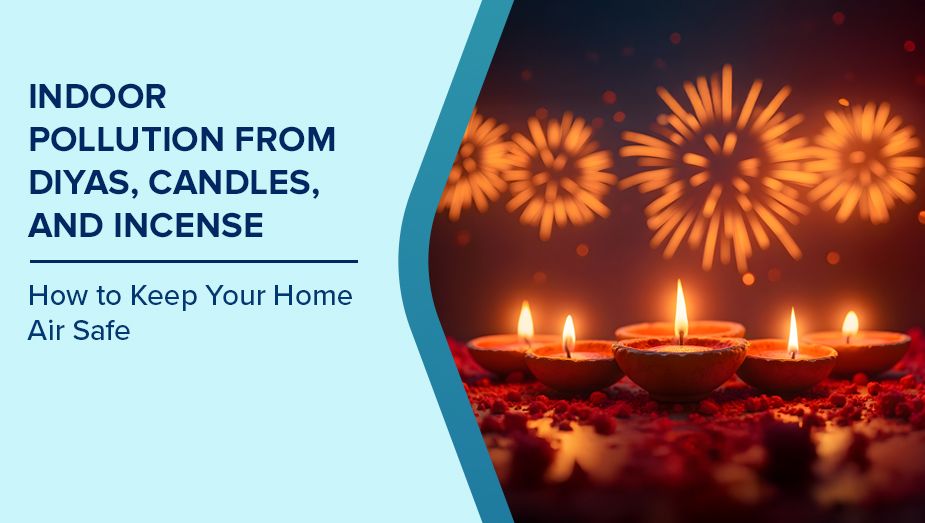
Call Us+91 926 888 0303Indoor Pollution from Diyas, Candles, and Incense: How to Keep Your Home Air Safe
By Dr. Shivanshu Raj Goyal in Pulmonology
Oct 20 , 2025 | 6 min read

Diyas, candles, and incense sticks are common in many homes, serving both decorative and spiritual purposes. They create warmth, a calming atmosphere, and often carry cultural or religious significance. During festivals, rituals, or daily meditation, these items are used to enhance the home’s ambience and promote a sense of peace.
While these practices bring comfort and joy, it’s important to recognise their impact on indoor air quality. Smoke, soot, and tiny airborne particles released from burning candles, diyas, or incense can accumulate in enclosed spaces, leading to indoor pollution. Understanding how to enjoy these traditions safely is essential to protect the lungs, heart, and overall well-being of everyone in the household.
What Is Indoor Pollution?
Indoor pollution occurs when harmful substances build up in indoor spaces. These pollutants can originate from cooking fumes, cleaning products, paints, and even decorative items such as candles and incense.
Poor indoor air quality can irritate the eyes, nose, and throat, and prolonged exposure may have long-term effects on the lungs and heart. Indoor pollution is often less visible than outdoor pollution; however, because people spend most of their time indoors, its effects can be significant.
Recognising common sources of indoor pollution is the first step toward a healthier home environment.
How Diyas, Candles, and Incense Affect Indoor Air Quality
Diyas and Oil Lamps
Traditional diyas, often used during festivals like Diwali, are fueled by oil or ghee. Burning them releases small particles and smoke, which can settle in poorly ventilated rooms. Over time, these particles can make the air feel heavy and make it harder to breathe.
To reduce smoke exposure, place diyas near windows or open spaces, and avoid overcrowding a single room with too many burning lamps.
Candles
Candles are a popular way to create a relaxing ambience or add fragrance to a room. However, burning candles, especially those made of paraffin or scented, produce smoke and fine particles that linger in indoor air.
Some scented candles release additional airborne compounds that can irritate the eyes, throat, and nose. Using multiple candles in enclosed spaces can increase the concentration of these particles, affecting air quality.
Incense
Incense sticks are widely used in spiritual practices for their pleasant aroma. While they can enhance the atmosphere, burning incense produces smoke that carries fine particulate matter. These particles can linger in the air, reducing indoor air quality and making breathing less comfortable, particularly in smaller rooms with limited ventilation.
Regular incense use in poorly ventilated spaces may make indoor air heavy and irritate sensitive individuals.
Health Effects of Indoor Smoke
Smoke from diyas, candles, and incense can affect health in several ways:
- Lung Health: Fine smoke particles can irritate the lungs, causing coughing, wheezing, or difficulty breathing. Prolonged exposure may increase sensitivity to allergens and respiratory discomfort.
- Heart Health: Continuous exposure to indoor smoke can put stress on the heart over time, particularly in individuals with pre-existing health conditions.
- Children and Vulnerable Groups: Children, the elderly, and individuals with respiratory or cardiovascular conditions are particularly susceptible to the effects of indoor pollution.
Even occasional use in poorly ventilated spaces can cause temporary discomfort, including eye irritation or a heavy feeling in the chest.
Balancing Tradition with Health
Diyas, candles, and incense hold deep cultural and spiritual value. They symbolise light, positivity, and purification of the home. While these practices are meaningful, striking a balance between tradition and health is essential.
Simple steps, such as using fewer items, increasing ventilation, or opting for cleaner alternatives, allow households to maintain traditions safely while improving indoor air quality.
Safer Alternatives and Eco-Friendly Practices
You can enjoy your home rituals while reducing indoor pollution by using the following alternatives:
- Beeswax or Soy Candles: Natural candles, such as those made from beeswax or soy, burn cleaner than paraffin. They produce less smoke and release fewer irritants, making them safer for indoor air quality.
- Essential Oil Diffusers: Diffusers allow you to enjoy fragrance without burning anything. Pure essential oils provide a pleasant aroma without generating smoke or soot.
- Flameless LED Candles: LED candles create the ambience of a real flame without any smoke. They are safe for enclosed spaces and ideal for long-term use.
- Ghee or Oil Lamps in Ventilated Areas: Traditional diyas can still be used safely if placed near open windows or doors. This allows smoke to disperse, minimising accumulation in the room.
- Natural Incense: If incense is integral to your spiritual practices, opt for natural, unscented, or herbal incense sticks. These release fewer particles than synthetic versions.
- Using Fewer Items: You do not need to light multiple candles or incense sticks simultaneously. Limiting the number of items reduces indoor pollution while still keeping the ritual or ambience intact.
Practical Tips to Reduce Indoor Pollution
Here are additional ways to maintain clean air while using diyas, candles, or incense:
- Open Windows Regularly: Let fresh air circulate to dilute smoke particles.
- Use Exhaust Fans: Exhaust fans in kitchens or living spaces help remove smoke faster.
- Shorter Burning Time: Avoid burning candles or incense for long hours. Light them only when needed.
- Keep Rooms Clean: Dust and vacuum surfaces often to remove particles that settle from smoke.
- Place Items Strategically: Keep candles and incense away from corners or enclosed areas to allow better dispersion of smoke.
- Invest in Air Purifiers: Devices equipped with HEPA filters can effectively capture fine particles, thereby reducing the impact of indoor smoke.
- Monitor Household Reactions: Pay attention to symptoms such as eye irritation, coughing, or headaches, which may indicate poor indoor air quality.
Eco-Friendly Practices for a Healthier Home
- Use Reusable Holders: Opt for diya holders or candle trays that can be cleaned and reused, reducing waste.
- Natural Lighting: Whenever possible, rely on natural light and minimise the need for multiple candles indoors.
- Indoor Plants: Certain indoor plants act as natural air purifiers. Plants like spider plants, peace lilies, and snake plants can naturally improve air quality.
- Fragrance-Free Cleaning: Avoid strong-smelling cleaning agents, as combining these with smoke can worsen indoor air quality.
- Composting Used Wax: Leftover natural wax can be repurposed or composted, reducing environmental impact.
By incorporating these practices, you can maintain a spiritual or festive atmosphere while promoting a healthier indoor environment.
Conclusion
Diyas, candles, and incense enrich our homes with light, fragrance, and tradition. However, their use can reduce indoor air quality and negatively impact health if not used carefully. By understanding the risks and adopting safer, eco-friendly practices, households can enjoy spiritual and festive traditions without compromising their health.
Simple actions, such as using natural candles, placing items in well-ventilated areas, limiting the duration of burning, and incorporating air purifiers or indoor plants, can significantly improve indoor air quality. Balancing tradition with mindful practices ensures a safe, healthy, and harmonious home for everyone.
Frequently Asked Questions
Is incense smoke more harmful than cigarette smoke?
Both produce smoke and particles, but incense smoke can linger longer in indoor spaces, causing discomfort and irritation.
Can burning diyas affect indoor oxygen levels?
Diyas consume a small amount of oxygen, but in well-ventilated rooms, this effect is minimal.
What time of day is safest to burn candles or incense indoors?
It is safest during the day when windows are open to allow ventilation. Avoid burning in enclosed spaces at night.
How can air purifiers reduce indoor smoke impact?
Air purifiers with HEPA filters capture smoke particles, making the air cleaner and easier to breathe.
Are beeswax or soy candles safer than paraffin candles?
Yes, they burn cleaner and release fewer particles, making them better for indoor air quality.
Can indoor plants help with the smoke from candles and incense?
Certain plants can absorb some airborne particles, improving air quality slightly, though they do not replace proper ventilation or air purifiers.
How can I enjoy festivals safely without compromising indoor air quality?
Use natural diyas and candles, limit the number of items burning at once, ensure ventilation, and consider flameless alternatives or diffusers for fragrance.
Written and Verified by:

Related Blogs

Medical Expert Team
Jun 06 , 2015 | 2 min read

Blogs by Doctor

Climate Change and Tuberculosis: Risks, Challenges & Solutions
Dr. Shivanshu Raj Goyal In Pulmonology
Apr 02 , 2025 | 3 min read
Smoking and Vaping: How They Damage Your Lungs Over Time
Dr. Shivanshu Raj Goyal In Pulmonology
Sep 02 , 2025 | 2 min read
Most read Blogs


Related Blogs
Medical Expert Team
Jun 06 , 2015 | 2 min read
Blogs by Doctor
Climate Change and Tuberculosis: Risks, Challenges & Solutions
Dr. Shivanshu Raj Goyal In Pulmonology
Apr 02 , 2025 | 3 min read
Smoking and Vaping: How They Damage Your Lungs Over Time
Dr. Shivanshu Raj Goyal In Pulmonology
Sep 02 , 2025 | 2 min read
Most read Blogs