 WhatsApp Us (24/7)
 +91 926 888 0303 (24/7)


To Book an Appointment
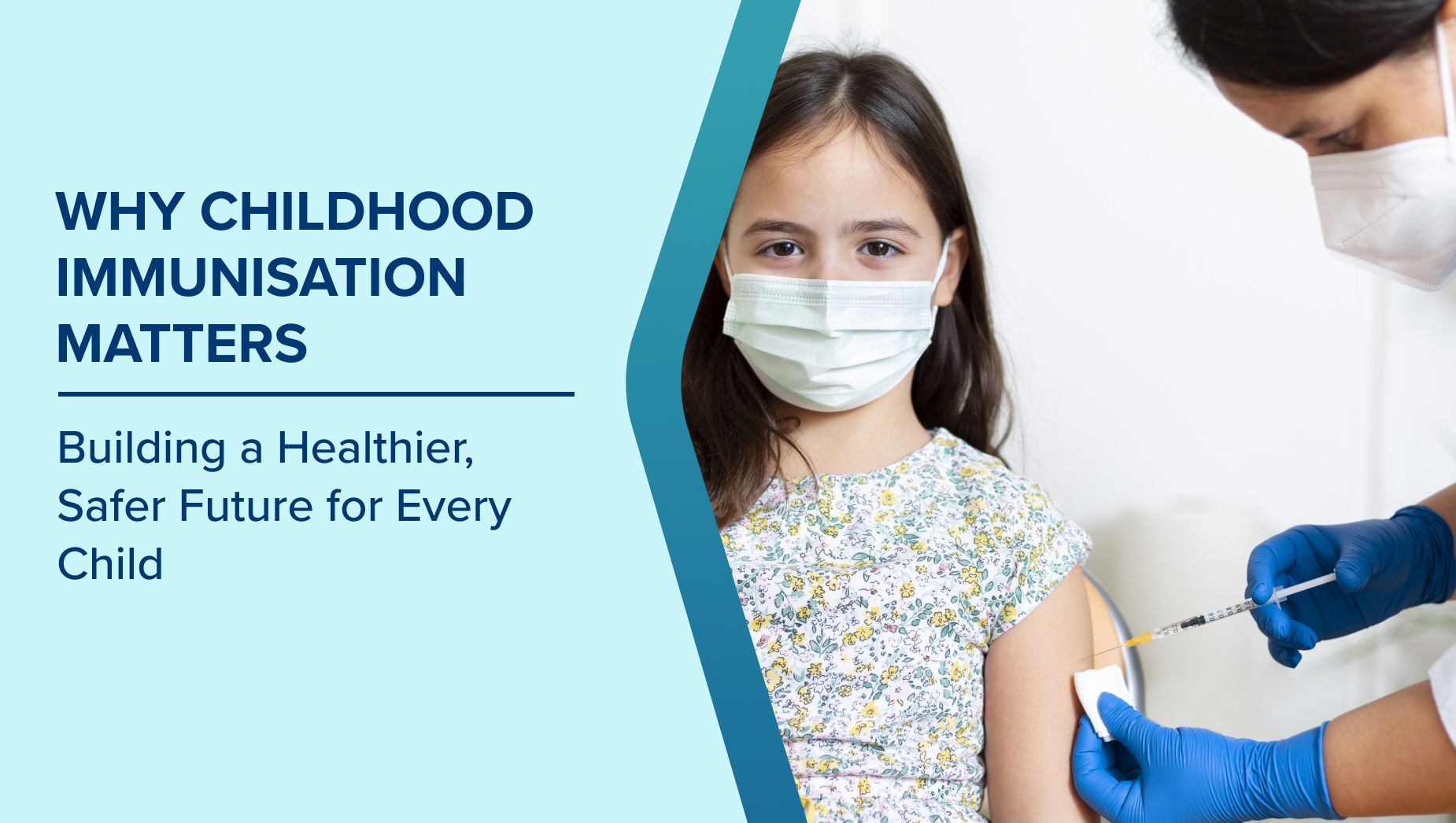
Call Us+91 926 888 0303Why Childhood Immunisation Matters: Building a Healthier, Safer Future for Every Child
By Dr. Devender Chhonker in Paediatrics (Ped)
Nov 21 , 2025 | 3 min read
1

Every parent wishes to see their child grow strong, happy, and full of life. However, unseen threats like measles, polio, or pneumonia can put that dream at risk. The good news is that most of these illnesses can be prevented through timely childhood immunisation. Vaccines protect children from serious diseases, strengthen their immune system, and ensure a safer future.
What Is Childhood Immunisation?
Childhood immunisation is the process of protecting children from infectious diseases by giving them vaccines. Vaccines contain tiny, inactive, or weakened parts of a disease-causing organism that train the immune system to recognise and fight infections in the future.
Once vaccinated, a child’s immune system develops “memory” cells that defend against the real infection if exposed later. This makes vaccines one of the most effective tools in preventing illness and saving lives.
Why Immunisation Is Important for Children
Vaccination plays a vital role in preventing disease, saving lives, and ensuring children grow up healthy.
Protection Against Dangerous Diseases
Vaccines safeguard children from illnesses that can cause severe complications, disabilities, or death. These include:
- Measles and mumps, which can cause brain infections and hearing loss.
- Polio, which can lead to lifelong paralysis.
- Hepatitis B, a major cause of liver disease.
- Pneumonia and meningitis, which are among the top causes of childhood deaths.
Strengthening Community Protection
When most children in a community are vaccinated, it creates what’s known as community protection. This prevents diseases from spreading, protecting those who are too young or medically unable to receive vaccines.
Reducing Healthcare Costs
Preventing diseases is far more cost-effective than treating them. Vaccinated children are less likely to need hospital care, miss school, or face long-term health complications.
Common Vaccines and Recommended Schedule
Children receive different vaccines at various stages of early life to gradually build immunity. Most vaccines are given from birth through adolescence.
Common Childhood Vaccines Include:
- BCG Vaccine: Protects against tuberculosis.
- Hepatitis B Vaccine: Shields against liver infection caused by the hepatitis B virus.
- Polio Vaccine (OPV/IPV): Prevents paralysis and lifelong disability caused by the poliovirus.
- DTP Vaccine: Protects against diphtheria, tetanus, and whooping cough.
- Hib Vaccine: Prevents meningitis and pneumonia.
- MMR Vaccine: Guards against measles, mumps, and rubella.
- Rotavirus Vaccine: Protects infants from severe diarrhoea and dehydration.
- Pneumococcal Vaccine: Helps prevent pneumonia, ear infections, and meningitis.
- Influenza Vaccine: Reduces the risk of seasonal flu.
- Typhoid and Hepatitis A Vaccines: Protect against food and water-borne infections, stomach pain, and jaundice.
Parents should consult a paediatrician to follow the recommended vaccination schedule and ensure booster doses are not missed.
How Vaccines Protect Against Preventable Diseases
Vaccines safely train the immune system to recognise and fight harmful germs. When introduced, they stimulate the body to produce antibodies and develop long-term memory. Regular vaccination keeps children protected from severe illnesses and complications.
Addressing Myths and Misinformation
- Myth: Vaccines cause autism.
Fact: Scientific evidence shows no link between vaccines and autism. - Myth: Natural infection provides better immunity.
Fact: Infections can be dangerous, while vaccines build immunity safely. - Myth: Too many vaccines overwhelm the immune system.
Fact: A child’s immune system handles thousands of germs every day. Vaccines add only a small and safe amount. - Myth: Vaccines have harmful long-term effects.
Fact: Most reactions are mild and temporary. Serious side effects are extremely rare.
The Role of Parents in Child Immunisation
- Follow the vaccination schedule and keep records safely.
- Ensure booster shots are given at the right time.
- Ask questions during doctor visits to clear doubts.
- Comfort children before and after vaccination.
Long-Term Health and Social Benefits of Vaccination
- Healthy growth: Fewer hospital visits and stronger immunity.
- Better learning: Improved school attendance and performance.
- Economic benefit: Reduced medical expenses.
- Healthier communities: Lower disease outbreaks.
The Importance of Timely Vaccination and Booster Doses
Timely vaccination protects children during vulnerable stages of growth. Booster doses help maintain strong immunity. Parents should set reminders to ensure no doses are missed.
Encouraging Immunisation Awareness
Talking openly about immunisation and encouraging others increases safety for the whole community. Hospitals and health workers play a major role in spreading accurate vaccination information.
Supporting a Child’s Immunity Beyond Vaccines
- Provide a balanced diet.
- Ensure adequate sleep and physical activity.
- Maintain hygiene and frequent hand washing.
- Keep children away from tobacco smoke and polluted environments.
Conclusion
Vaccination is one of the most powerful ways to protect children and give them a healthy future. Parents must stay informed, follow schedules, and consult doctors for any concerns.
Frequently Asked Questions
Can my child receive multiple vaccines in one visit?
Yes, it is safe and helps avoid delays.
What if my child misses a dose?
Visit your doctor to adjust the schedule safely.
Are vaccines safe for premature babies?
Yes, though in some cases schedules may be adjusted based on health.
How to manage mild side effects?
Provide rest, fluids, and medicines only if recommended by a doctor.
Are booster shots necessary?
Yes, they strengthen and extend immunity.
How can parents track the vaccination schedule?
Maintain a vaccination card. Many hospitals also send reminders.
Do vaccines prevent all infections?
No, but they prevent many serious diseases. Healthy habits support immunity.
Written and Verified by:

Related Blogs

Dr. Nidhi Rawal In Paediatrics (Ped)
Nov 13 , 2020 | 2 min read

Most read Blogs


Related Blogs
Dr. Nidhi Rawal In Paediatrics (Ped)
Nov 13 , 2020 | 2 min read
Most read Blogs