 WhatsApp Us (24/7)
 +91 926 888 0303 (24/7)


To Book an Appointment
Call Us+91 926 888 0303Awake Brain Surgery: How Staying Conscious Helps Protect Speech, Memory and Movement
By Dr Gaurav Bansal in Neurosurgery , Neurosciences
Nov 24 , 2025 | 2 min read

Brain surgery is something most people associate with deep sleep under general anaesthesia. The idea of being conscious while doctors operate on the brain can feel overwhelming. Yet, for certain patients, this technique is not only safe but also the best way to protect abilities such as speaking, moving, and remembering.
This advanced approach is known as awake brain surgery, and it is revolutionising how surgeons treat complex brain tumours and other neurological conditions.
What Is Awake Brain Surgery?
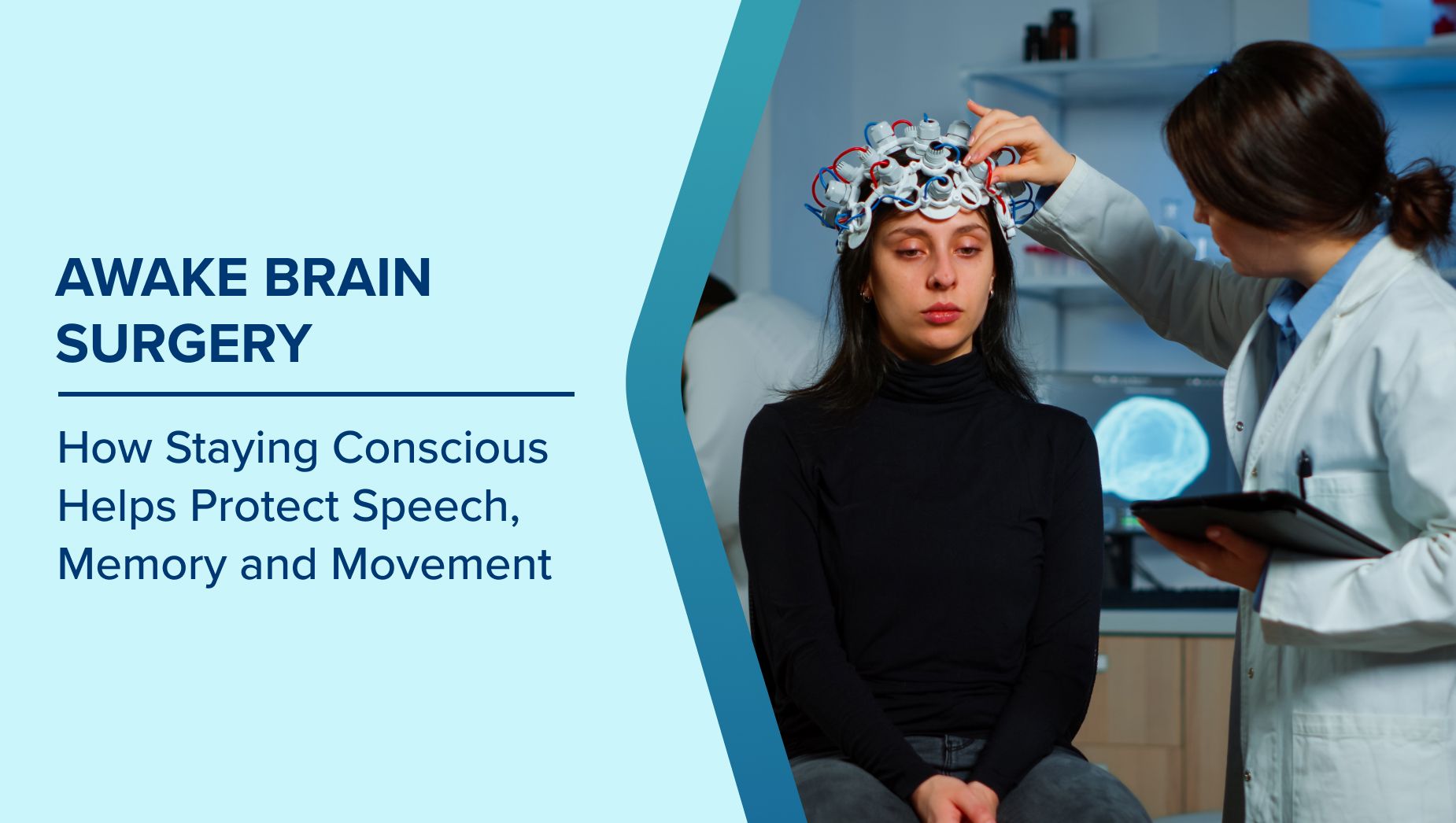
Awake brain surgery, also known as awake craniotomy, is a highly specialised procedure where the patient remains conscious during specific parts of the surgery.
Before the operation begins, anaesthesia experts use local numbing medicines and sedation to ensure the patient feels no pain. The patient is kept comfortable, calm, and monitored throughout.
The brain itself does not have pain receptors. This allows surgeons to work carefully while the patient is awake enough to respond to simple tasks.
Why Do Surgeons Keep Patients Awake?
The brain controls everything we do: speaking, thinking, moving, recognising faces, and making decisions. When a tumour sits close to these critical areas, traditional surgery may risk harming them.
Being awake helps surgeons:
- Identify and avoid areas responsible for important functions
- Test speech, hand movement, or memory during surgery
- Remove the tumour more safely and precisely
For example, a patient may be asked to count, speak a few words, recognise objects, or move their fingers. If a response changes, the team knows to adjust immediately.
Key Benefits of Awake Brain Surgery
Awake procedures offer several advantages in selected cases:
- Better protection of vital functions: Patients have a lower risk of losing speech or movement abilities.
- Maximised tumour removal: Surgeons can safely remove more of the tumour while avoiding injury to healthy tissue.
- Faster overall recovery: Many patients recover more smoothly compared to those undergoing fully asleep procedures.
- Improved accuracy: Real-time feedback guides each step of the surgery.
Common Myths and the Real Facts
A technique this unique often leads to misconceptions. Here are the most common ones:
Myth: The surgery must be painful.
Fact: Patients do not feel pain. Local anaesthesia completely numbs the area being operated on.
Myth: It is dangerous to stay awake during brain surgery.
Fact: The entire process is carefully monitored by a skilled anaesthesia team focused on comfort and safety.
Myth: Only young or very fit patients qualify.
Fact: Suitability depends on the location of the tumour, not age or physical strength.
When Do Doctors Recommend Awake Brain Surgery?
Not everyone needs to be awake during surgery. It is mainly advised when a tumour is close to areas that control:
- Speech
- Vision
- Movement
- Memory
- Higher reasoning
It may also be used in certain cases of epilepsy treatment or vascular problems within the brain.
What Patients Often Feel
At first, many people find the idea unsettling. However, once the medical team explains the safety, comfort methods, and purpose, patients often feel reassured.
Being awake gives them confidence that their abilities are being protected in real time. Many even describe it as empowering to actively participate in safeguarding their own function during surgery.
A Step Forward in Brain Tumour Care
Awake brain surgery represents a major shift in neurological treatment. Instead of focusing solely on tumour removal, surgeons now also prioritise preserving the patient’s quality of life.
By combining advanced technology, experienced teams, and patient participation, this method offers a safer path forward for individuals with tumours near delicate brain regions.
For many, the procedure provides not just hope for recovery but also the chance to maintain independence and continue living life without losing essential abilities.
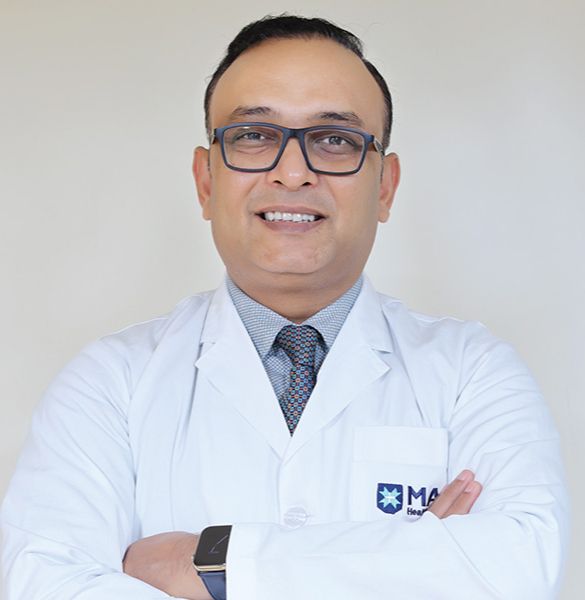
Written and Verified by:
Related Blogs

Dr. Sanjeev Kumar Gupta In Neurosurgery , Neurosciences
Jun 30 , 2016 | 2 min read

Dr. Sonal Gupta In Neurosurgery , Neurosciences
Jul 20 , 2016 | 2 min read
Most read Blogs


Related Blogs
Dr. Sanjeev Kumar Gupta In Neurosurgery , Neurosciences
Jun 30 , 2016 | 2 min read
Dr. Sonal Gupta In Neurosurgery , Neurosciences
Jul 20 , 2016 | 2 min read
Most read Blogs