 WhatsApp Us (24/7)
 +91 926 888 0303 (24/7)


To Book an Appointment
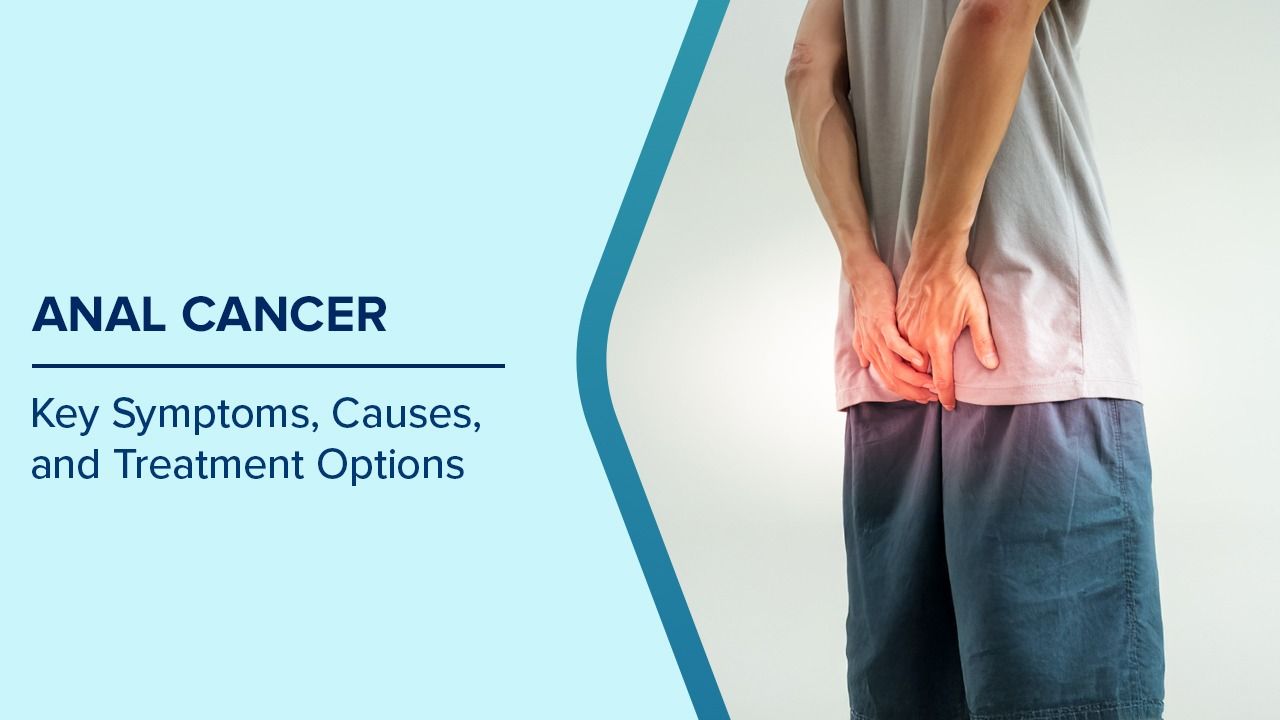
Call Us+91 926 888 0303Anal Cancer: Key Symptoms, Causes, and Treatment Options
By Dr (Prof) SVS Deo in Surgical Oncology
Mar 09 , 2026

Anal cancer is a relatively rare but serious condition. It develops in the tissues of the anus, which is the opening at the end of the digestive tract. Many people delay seeking medical attention because they mistake symptoms for more common conditions such as hemorrhoids or anal fissures. This delay can affect treatment outcomes and overall recovery. To help avoid this, the guide will walk you through everything you need to know about anal cancer, from recognising the earliest symptoms to understanding the latest treatment options. Let’s start with the basics.
What is Anal Cancer?
Anal cancer is a type of cancer that begins in the tissues of the anal canal, the short passage at the end of the digestive tract where stool leaves the body. It develops when cells in this area start to grow in an uncontrolled manner, leading to the formation of a tumour. These abnormal changes can affect how the anal canal functions and may cause discomfort, pain, or changes in bowel movements. In many cases, anal cancer grows slowly, which can make it difficult to notice in the early stages. As the condition progresses, symptoms may become more persistent and start interfering with daily activities.
What Causes Anal Cancer?
Anal cancer develops when cells in the lining of the anal canal undergo abnormal changes and begin to grow in an uncontrolled way. These altered cells lose their normal ability to regulate growth and repair, which can lead to the formation of a tumour over time. As these abnormal cells continue to multiply, they may invade nearby tissues and affect normal anal function.
In many cases, these cellular changes occur gradually and may not cause noticeable symptoms at first. The exact reason these changes happen is not always clear, but the process involves disruption in normal cell behaviour that allows cancerous growth to develop.
Who is at Higher Risk of Developing Anal Cancer?
Certain factors can increase the likelihood of developing anal cancer. These factors do not guarantee that someone will develop the condition, but they are linked to a higher level of risk.
- Human papillomavirus (HPV) infection: Persistent infection with high-risk strains of HPV is strongly associated with the development of anal cancer. The virus can cause changes in the cells lining the anal canal, which may progress over time.
- Weakened immune system: People with conditions that suppress the immune system, or those taking medications that lower immunity, may have a reduced ability to fight off abnormal cell changes, increasing susceptibility.
- Smoking: Tobacco use exposes the body to harmful chemicals that can damage cells and contribute to cancer development, including in the anal region.
- History of related cancers or abnormal cell changes: Individuals who have had cancers of the cervix, vulva, vagina, or other pre-cancerous lesions in the anal region may face a higher risk of anal cancer.
- Age: Anal cancer is more commonly diagnosed in adults over 50, although it can occur at younger ages as well.
- Chronic irritation or inflammation: Long-term irritation, such as persistent inflammation of the anal canal, may increase the chances of abnormal cell growth over time.
What are the Symptoms of Anal Cancer?
Anal cancer can begin with subtle signs that are often mistaken for less serious conditions. Common anal cancer symptoms include:
- Rectal bleeding: One of the most common early symptoms is blood in the stool or on toilet paper. The bleeding may be light or intermittent at first.
- Anal pain or discomfort: Persistent pain, pressure, or a feeling of fullness around the anus can occur, sometimes worsening during bowel movements.
- Itching or irritation: Continuous itching, burning, or irritation in the anal area may signal abnormal changes in the tissues.
- Lumps or swelling: A small lump, thickened area, or unusual growth near the anus can develop and may be felt during self-examination or by a doctor.
- Changes in bowel habits: Experiencing constipation, narrowing of stools, or a sense of incomplete bowel emptying may indicate that the anal canal is affected.
- Discharge: Unusual mucus, fluid, or pus from the anus may appear, sometimes accompanied by a foul smell.
- Painful bowel movements: Discomfort or pain while passing stool can occur as the tumour grows and affects surrounding tissue.
Although these symptoms can be caused by less serious conditions such as haemorrhoids or infections, they should not be ignored.
How is Anal Cancer Diagnosed?
Diagnosing anal cancer typically involves a combination of physical examinations and medical tests to confirm the presence of abnormal cells and determine the extent of the condition.
- Physical Examination: Diagnosis usually begins with a careful physical examination of the anal area. The doctor looks for visible changes such as lumps, swelling, or unusual growths. A digital rectal exam (DRE) is commonly performed, where the doctor gently feels inside the anal canal with a gloved finger to detect any abnormalities. This simple step can provide important initial information about the presence of a tumour or thickened tissue.
- Anoscopy: Anoscopy involves using a small, tube-like instrument called an anoscope to examine the anal canal more closely. This device allows the doctor to see areas that are not visible from the outside and helps identify suspicious tissue that may require further testing. The procedure is generally quick and can often be done in a clinic setting.
- Biopsy: If the doctor identifies any suspicious areas during examination or anoscopy, a biopsy is performed. A small sample of tissue is removed and sent to a laboratory for microscopic analysis. This step is crucial to confirm the presence of cancer cells, determine the type of anal cancer, and guide treatment decisions.
- Imaging Tests: Imaging tests help evaluate whether the cancer has spread beyond the anal canal. Common tests include MRI scans, CT scans, and PET scans. These provide detailed images of the anal region and surrounding tissues, helping doctors assess the size of the tumour and check for involvement of nearby lymph nodes or organs.
Endoscopic Procedures
In certain cases, doctors may recommend colonoscopy or sigmoidoscopy to examine the rectum and lower colon. These procedures allow for a thorough inspection of the digestive tract, helping to rule out additional abnormalities and ensuring a comprehensive evaluation before treatment planning.
Stages of Anal Cancer
Staging describes how far the cancer has grown within the anal canal and whether it has spread to nearby lymph nodes or other parts of the body.
- Stage 0 (Carcinoma in Situ): At this earliest stage, abnormal cells are found only in the innermost lining of the anal canal. These cells have not invaded deeper tissues or spread elsewhere. Stage 0 is sometimes called in situ cancer. Detecting cancer at this stage often allows for treatments that can remove or destroy the abnormal cells before the disease progresses.
- Stage I: In Stage I, the tumour has grown into the tissues of the anal canal but remains small and has not spread to lymph nodes or distant organs. Symptoms may start to appear, but treatment outcomes are generally favourable because the cancer is still confined.
- Stage II: Stage II anal cancer involves a larger tumour or one that has begun to invade nearby tissues outside the anal canal, such as the surrounding muscles. The cancer still has not spread to the lymph nodes or distant organs. Patients may notice more pronounced symptoms, including pain, bleeding, or changes in bowel habits.
- Stage III: At Stage III, cancer has spread to nearby lymph nodes. It may also continue to grow in the anal canal or surrounding tissues. Because the disease has moved beyond its original site, treatment often involves a combination of therapies, such as chemotherapy, radiation, and sometimes surgery, to control the cancer effectively.
- Stage IV: Stage IV is the most advanced stage of anal cancer, where the tumour has spread to distant organs or distant lymph nodes. Treatment focuses on controlling the spread of the disease, relieving symptoms, and improving quality of life, rather than complete removal of the cancer.
What are the Treatment Options for Anal Cancer?
Treatment for anal cancer depends on the stage of the disease, the size and location of the tumour, and the overall health of the patient. A combination of therapies is often used to control the cancer, relieve symptoms, and improve outcomes.
- Chemotherapy: Chemotherapy uses drugs to target and destroy cancer cells. In anal cancer, it is often combined with radiation therapy to increase effectiveness. Chemotherapy may be given before, during, or after radiation depending on the tumour size and stage. It can help shrink the tumour, prevent spread, and improve overall treatment success.
- Radiation Therapy: Radiation therapy involves using high-energy rays to kill cancer cells or stop them from growing. It is commonly used alongside chemotherapy, a combination known as chemoradiation, which is the standard treatment for many cases of anal cancer. Radiation can target the tumour precisely while minimising damage to surrounding healthy tissue.
- Surgery: Surgery may be recommended if the tumour is small and localized, or in cases where chemoradiation is not fully effective. Surgical options vary depending on tumour size and location, and may involve removing part of the anal canal or surrounding tissues. Surgery aims to remove cancer while preserving anal function whenever possible.
Targeted Therapy and Immunotherapy
In certain cases, newer approaches such as targeted therapy or immunotherapy may be considered. These treatments help the body’s immune system recognize and attack cancer cells or target specific molecules involved in cancer growth. They are typically used in advanced or recurrent cases.
Supportive Care
Alongside active anal cancer treatment, supportive care is important to manage side effects, maintain nutrition, and ensure overall well-being. Pain management, wound care, and counselling can improve quality of life during and after treatment.
Consult Today
Taking care of your health means paying attention to changes in your body that don’t feel quite right. If you notice persistent pain, bleeding, lumps, or any unusual changes around your anal area, it is important not to ignore them. These symptoms can have various causes, but getting a proper evaluation is the safest way to protect your health. Consult a gastroenterologist or surgical oncologist at Max Hospital for a thorough examination and expert guidance on the next steps. The specialists at Max Hospital can help you understand your condition, recommend appropriate tests, and guide you through the most suitable treatment options.
Frequently Asked Questions
Can anal cancer develop without causing pain initially?
Yes, anal cancer can be painless in its early stages. Many people notice only subtle signs, such as minor bleeding or slight discomfort, which is why regular check-ups and timely evaluation of unusual changes are important.
Is anal cancer the same as colon cancer?
No, anal cancer and colon cancer are different. Anal cancer begins in the tissues of the anal canal, while colon cancer develops in the colon, which is higher up in the digestive tract. The causes, symptoms, and treatment approaches can also differ.
How long does treatment for anal cancer typically take?
The duration of treatment depends on the type and stage of the cancer. Chemoradiation can take several weeks, while surgery and recovery may add additional time. Your doctor will provide a personalised timeline based on your condition and treatment plan.
Can anal cancer spread to other areas of the body?
Yes, if left untreated, anal cancer can spread to nearby lymph nodes and, in advanced stages, to distant organs. Early evaluation and treatment help prevent progression and improve outcomes.
How common is anal cancer?
Anal cancer is relatively rare compared to other digestive system cancers. While it can occur at any age, it is more frequently diagnosed in adults over 50. Awareness of symptoms and risk factors can help with earlier diagnosis.
Can anal cancer be prevented?
While not all cases can be prevented, certain measures can reduce risk. Regular screenings, maintaining good anal health, and vaccination against human papillomavirus (HPV) can help lower the likelihood of developing anal cancer.
What should I expect during recovery from anal cancer treatment?
Recovery varies depending on the type of treatment. Patients may experience fatigue, mild pain, or changes in bowel habits. Following your doctor’s guidance, attending follow-up appointments, and managing side effects can support a smoother recovery.
Are there lifestyle changes that can support treatment or recovery?
Maintaining a healthy diet, avoiding smoking, staying physically active within recommended limits, and following medical advice can support overall health and help the body cope with treatment.
How often should I get checked if I am at higher risk?
The frequency of check-ups depends on individual risk factors. Your gastroenterologist or oncologist can recommend a personalised screening schedule based on your health history and risk profile.
Is anal cancer hereditary?
Anal cancer is not generally considered hereditary, though family history of other cancers may influence overall risk. Most cases are linked to cellular changes rather than inherited genes.
Written and Verified by:

Related Blogs

Dr. S. VEDA PADMA PRIYA In Surgical Oncology , Cancer Care / Oncology
May 16 , 2016 | 2 min read

Dr. Kanika Batra Modi In Surgical Oncology , Cancer Care / Oncology
May 26 , 2016 | 4 min read
Blogs by Doctor
Stages of Cancer: What it Means for Treatment Options
Dr (Prof) SVS Deo In Cancer Care / Oncology
Mar 06 , 2025 | 3 min read
Most read Blogs


Related Blogs
Dr. S. VEDA PADMA PRIYA In Surgical Oncology , Cancer Care / Oncology
May 16 , 2016 | 2 min read
Dr. Kanika Batra Modi In Surgical Oncology , Cancer Care / Oncology
May 26 , 2016 | 4 min read
Blogs by Doctor
Stages of Cancer: What it Means for Treatment Options
Dr (Prof) SVS Deo In Cancer Care / Oncology
Mar 06 , 2025 | 3 min read
Most read Blogs