 WhatsApp Us (24/7)
 +91 926 888 0303 (24/7)


To Book an Appointment
Call Us+91 926 888 0303Silent Strokes: The Hidden Risk to Your Brain Health
By Dr. Sanjay Saxena in Neurosciences , Neurology
Oct 13 , 2025 | 4 min read

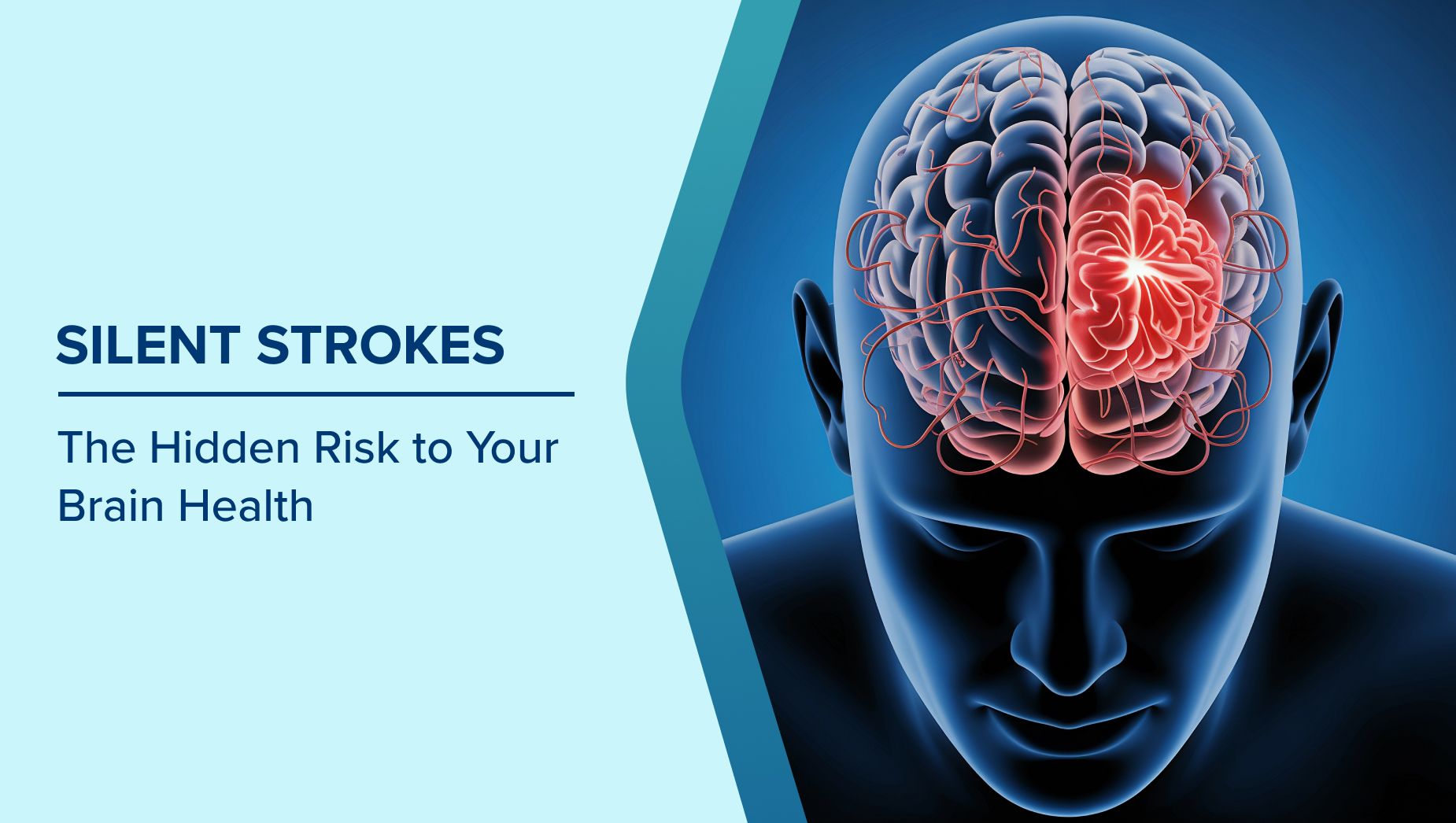
When most people think of a stroke, they imagine sudden weakness, slurred speech, or a collapse that signals immediate danger. However, not all strokes announce themselves in obvious ways. Silent strokes can occur without any noticeable symptoms, yet they can still damage brain tissue and increase the risk of future strokes.
Understanding silent strokes is essential for maintaining long-term brain health, as their effects can accumulate over time, often without detection.
What Is a Silent Stroke?
A silent stroke happens when blood flow to a part of the brain is interrupted, causing damage to brain tissue, but without producing the classic symptoms of a stroke. Since there are no sudden warning signs, people often do not seek immediate medical attention.
Although they appear “silent,” these strokes are far from harmless. Multiple silent strokes over time can lead to cognitive decline, memory problems, and even vascular dementia, significantly affecting quality of life.
How Silent Strokes Occur
Silent strokes develop through mechanisms similar to symptomatic strokes:
- Ischemic Silent Stroke: Caused by a blockage in a brain artery, usually from a blood clot or plaque buildup. This is the most common type.
- Hemorrhagic Silent Stroke: Caused by a ruptured blood vessel that bleeds into the brain. Although less frequent, it can still cause significant damage to brain tissue.
Typically, silent strokes affect smaller, deeper arteries in the brain. As a result, any symptoms that do appear are often subtle and easily overlooked.
Who Is at Risk?
Silent strokes can affect anyone, but certain factors increase the likelihood:
- High blood pressure: The leading cause of silent strokes
- Diabetes: Damages blood vessels and increases stroke risk
- High cholesterol: Promotes plaque buildup in arteries
- Heart conditions: Such as atrial fibrillation or heart disease, which can send clots to the brain
- Lifestyle factors: Smoking, excessive alcohol intake, unhealthy diet, and physical inactivity
- Age and medical history: Older adults and those with previous strokes or transient ischemic attacks (TIAs) face higher risks
Importantly, even people who appear healthy can experience silent strokes, making routine health checks vital.
Why Silent Strokes Often Go Undetected
Silent strokes are often difficult to detect without brain imaging. When symptoms do occur, they may include:
- Mild memory lapses or confusion
- Trouble concentrating
- Subtle mood or personality changes
- Slight balance or coordination problems
These signs are often mistaken for fatigue, stress, or normal ageing, allowing silent strokes to go unnoticed until they are discovered incidentally on a brain scan.
The Hidden Consequences
Silent strokes may not produce dramatic symptoms, but their impact can be significant:
- Cognitive decline: Repeated silent strokes can contribute to dementia or worsen Alzheimer’s disease.
- Higher risk of major strokes: Experiencing a silent stroke increases the chance of future symptomatic strokes.
- Physical impairments: Gradual changes in coordination or motor skills can emerge.
- Emotional changes: Depression, anxiety, and irritability may result from brain changes over time.
Neglecting silent strokes is like ignoring small cracks in a building’s foundation—they may be invisible at first, but the damage can compound and become serious.
Preventing Silent Strokes
While early detection is challenging, prevention is possible through effective risk management:
- Control blood pressure and cholesterol: Regular monitoring and medication as prescribed
- Manage diabetes: Keep blood sugar levels stable
- Follow a brain-healthy diet: Focus on fruits, vegetables, whole grains, lean proteins, and healthy fats
- Exercise regularly: At least 30 minutes of moderate activity daily improves vascular health
- Quit smoking and limit alcohol: Protects blood vessels and reduces stroke risk
- Schedule regular health check-ups: Early intervention for cardiovascular issues lowers stroke risk
- Adhere to prescribed medications: In high-risk cases, doctors may recommend antiplatelet or anticoagulant therapy
Detecting Silent Strokes
Because symptoms are minimal, diagnosis typically relies on specialised tests:
- MRI scans: The most sensitive tool for detecting silent strokes
- CT scans: May reveal some strokes, though they can miss smaller lesions
- Neurocognitive assessments: Identify subtle changes in memory, thinking, or motor function
If you experience mild but persistent cognitive or balance changes, consulting a neurologist is essential for early detection and intervention.
Living Well After a Silent Stroke
Even if a silent stroke has not caused major symptoms, proactive care is key to protecting brain health:
- Engage in cognitive exercises: Puzzles, memory games, or learning new skills help keep the brain active
- Consider physical therapy: Useful for addressing subtle motor changes
- Adopt healthy lifestyle habits: Diet, exercise, and stress management play a major role
- Regular follow-ups: Monitoring helps reduce the risk of future strokes
Taking action early can help preserve cognitive function and reduce the likelihood of more serious strokes later on.
Conclusion
Silent strokes highlight the importance of proactive brain health beyond obvious symptoms. They serve as a reminder that maintaining overall vascular and neurological wellness requires ongoing attention, even in seemingly healthy individuals. Staying informed about emerging research, engaging in mentally stimulating activities, and fostering a heart-healthy lifestyle can strengthen resilience against hidden cerebrovascular damage. Early consultation with healthcare professionals for any subtle cognitive or physical changes remains key to long-term brain protection and quality of life.
Written and Verified by:

Related Blogs

Dr. Chandril Chugh In Neurosciences , Interventional Neurology
Nov 08 , 2020 | 1 min read

Dr. Chandril Chugh In Neurosciences , Interventional Neurology
Nov 08 , 2020 | 2 min read
Blogs by Doctor

A Promising Therapy for Brain Stroke Care
Dr. Sanjay Saxena In Neurosciences
Aug 16 , 2016 | 1 min read

Women Beware! A Stressful Lifestyle Can Worsen your Migraine
Dr. Sanjay Saxena In Neurosciences
Mar 20 , 2017 | 2 min read
Most read Blogs


Related Blogs
Dr. Chandril Chugh In Neurosciences , Interventional Neurology
Nov 08 , 2020 | 1 min read
Dr. Chandril Chugh In Neurosciences , Interventional Neurology
Nov 08 , 2020 | 2 min read
Blogs by Doctor
A Promising Therapy for Brain Stroke Care
Dr. Sanjay Saxena In Neurosciences
Aug 16 , 2016 | 1 min read
Women Beware! A Stressful Lifestyle Can Worsen your Migraine
Dr. Sanjay Saxena In Neurosciences
Mar 20 , 2017 | 2 min read
Most read Blogs