 WhatsApp Us (24/7)
 +91 926 888 0303 (24/7)


To Book an Appointment
Call Us+91 926 888 0303Bone Marrow Transplant: A Life-Saving Treatment for Blood Cancer Patients in India
By Dr. Amrita Ramaswami in Cancer Care / Oncology , Bone Marrow Transplant , Haematology , Hematology Oncology
Sep 25 , 2025 | 2 min read

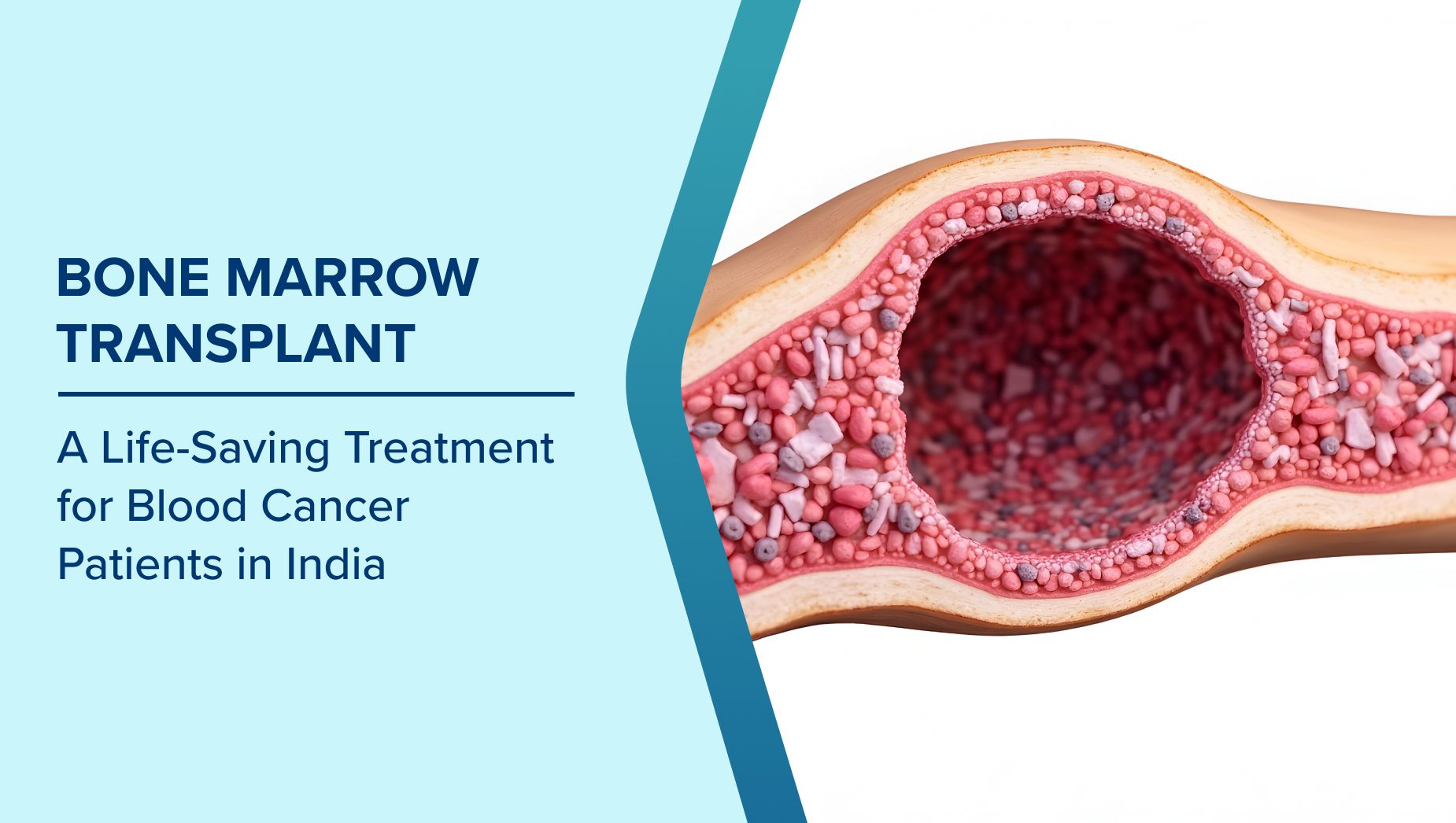
Bone marrow is a soft tissue located inside the bones and filled with tiny blood vessels. It plays a vital part in producing red blood cells to carry oxygen, white blood cells to protect against illness, and platelets to control bleeding. It also contains special cells called haematopoietic stem cells (HSCs) that can develop into different types of blood cells.
When conditions such as blood cancers, genetic disorders, severe infections, or side effects of treatments like chemotherapy damage the bone marrow, the body’s ability to produce healthy blood cells is disrupted, leading to anaemia, frequent infections, or bleeding disorders. In such cases, a bone marrow transplant (BMT) can be a life-saving treatment.
What is a Bone Marrow Transplant?
A bone marrow transplant is a medical approach that replaces unhealthy or damaged bone marrow with healthy stem cells. These stem cells can come either from the patient or from a donor. The goal of treatment is to help the body produce normal blood cells again and enhance the immune system's function.
Types of Bone Marrow Transplants
Autologous Transplant
In this type, the patient’s own healthy bone marrow cells are harvested, frozen, and reintroduced after intensive treatment to eliminate diseased cells. It is commonly used for conditions like multiple myeloma and relapsed lymphomas.
Allogeneic Transplant
Here, healthy stem cells are taken from a donor whose genetic makeup closely matches the patient. Donors can be siblings, unrelated matched donors, or partially matched family members (haploidentical transplant). Haploidentical transplants have significantly expanded donor availability and improved treatment accessibility.
Who Needs an Allogeneic Bone Marrow Transplant?
A bone marrow transplant may be necessary when the bone marrow is unable to function properly because of:
- Blood cancers, including Acute Myeloid Leukaemia (AML), Advanced Chronic Myeloid Leukaemia (CML), and Acute Lymphoblastic Leukaemia (ALL)
- Inherited blood disorders like Thalassaemia Major and Sickle Cell Anaemia
- Aplastic anaemia and other conditions where the bone marrow fails to function properly
- Primary immunodeficiency or autoimmune disorders, where the immune system cannot protect the body effectively
Success Rates in India
In recent years, India has made significant progress in the field of bone marrow transplantation, with improved success rates. Patient survival after BMT depends on factors such as disease stage, age, and the quality of the donor match. Many patients with blood cancers and non-cancerous conditions have experienced life-changing recoveries, turning what once seemed like limited options into hopeful futures.
Life After a Bone Marrow Transplant
A successful transplant not only treats the disease but also restores the possibility of leading a full and active life. Following the initial recovery period, which includes immunosuppressive medication and close monitoring, many patients regain strength, return to work or studies, and enjoy life without the constant burden of illness.
Conclusion
A bone marrow transplant is not just a medical procedure but often a lifeline for patients battling serious blood disorders. With timely diagnosis, expert medical care, and access to advanced healthcare facilities, both survival outcomes and quality of life can be significantly enhanced. For many patients, this treatment represents far more than recovery; it offers a renewed opportunity to live a healthy and fulfilling life.
Written and Verified by:

Related Blogs

Dr. Kanika Batra Modi In Cancer Care / Oncology
Nov 07 , 2020 | 3 min read

Dr. R.Ranga Rao In Medical Oncology , Cancer Care / Oncology , Thoracic Oncology
Nov 07 , 2020 | 2 min read
Blogs by Doctor

Von Willebrand Disease: All You Need to Know
Dr. Amrita Ramaswami In Haematology
Jan 22 , 2024 | 10 min read

Myelodysplastic Syndrome (MDS): Types, Causes, Diagnosis & Treatment
Dr. Amrita Ramaswami In Hematology Oncology
Jul 25 , 2024 | 10 min read
Most read Blogs


Related Blogs
Dr. Kanika Batra Modi In Cancer Care / Oncology
Nov 07 , 2020 | 3 min read
Dr. R.Ranga Rao In Medical Oncology , Cancer Care / Oncology , Thoracic Oncology
Nov 07 , 2020 | 2 min read
Blogs by Doctor
Von Willebrand Disease: All You Need to Know
Dr. Amrita Ramaswami In Haematology
Jan 22 , 2024 | 10 min read
Myelodysplastic Syndrome (MDS): Types, Causes, Diagnosis & Treatment
Dr. Amrita Ramaswami In Hematology Oncology
Jul 25 , 2024 | 10 min read
Most read Blogs