 WhatsApp Us (24/7)
 +91 926 888 0303 (24/7)


To Book an Appointment
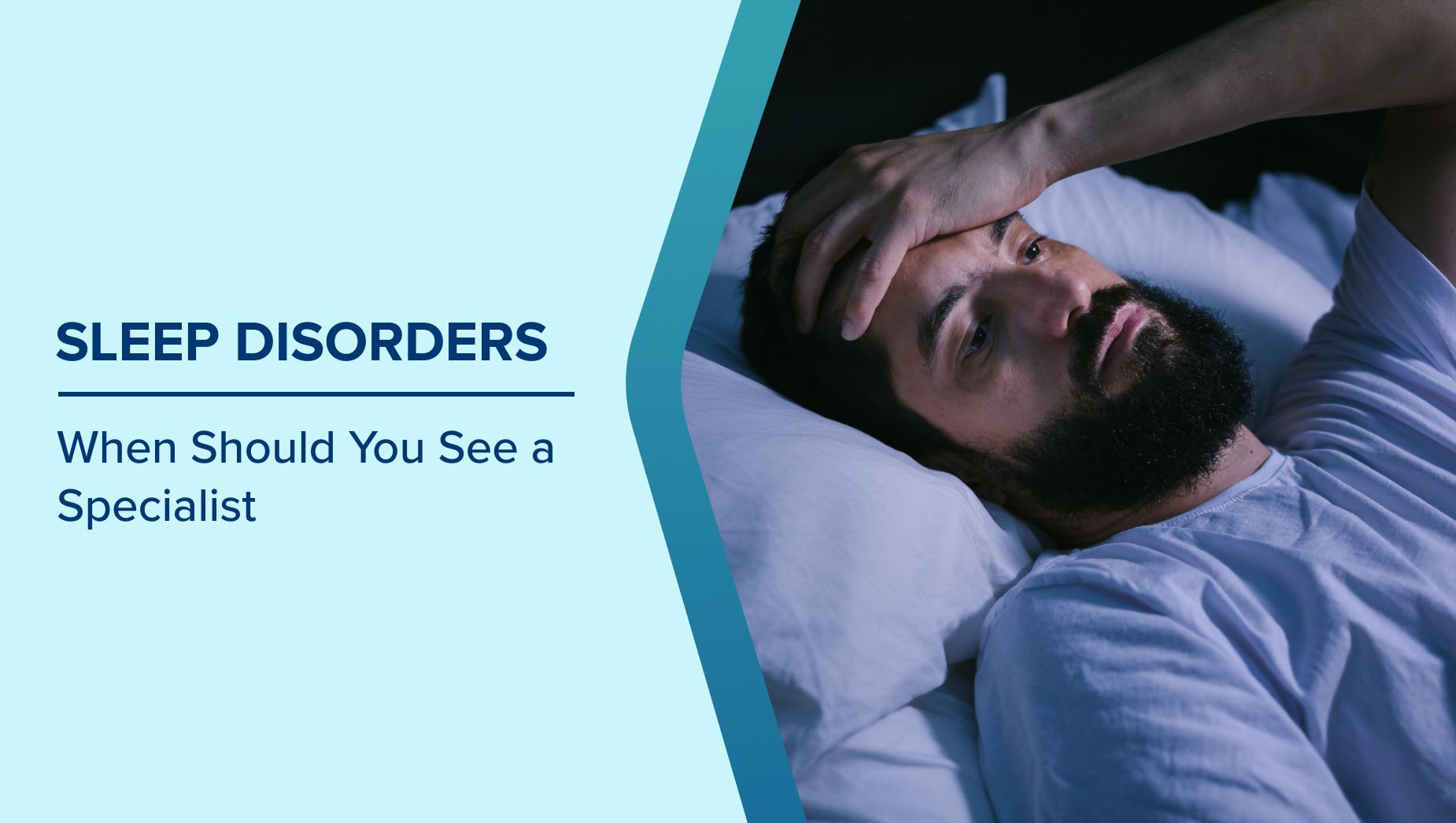
Call Us+91 926 888 0303Sleep Disorders: When Should You See a Specialist
By Dr. Priyanka Aggarwal in Pulmonology
Jan 05 , 2026 | 4 min read
1

A good night’s sleep is more than just rest. It is the foundation of physical health, emotional stability, and cognitive performance. Yet millions of individuals struggle with sleep disorders that disturb their ability to recharge.
While an occasional restless night is normal, persistent issues may point to a more serious condition that requires medical attention. Recognising the right time to seek help from a sleep disorder specialist is essential to prevent long-term health complications and restore quality of life.
Understanding Sleep Disorders
Sleep disorders come in many forms, each with different causes and symptoms. Insomnia, one of the most common conditions, involves difficulty falling or staying asleep. Sleep apnoea, often marked by loud snoring and pauses in breathing, disrupts oxygen levels and places strain on the heart. Restless legs syndrome creates uncomfortable sensations in the legs that interfere with sleep. Circadian rhythm disorder occurs when the body’s internal clock is not in sync with external schedules, resulting in poor sleep and daytime fatigue.
Modern lifestyles have made sleep problems more widespread. Constant screen time, late-night work schedules, and increased stress have disrupted natural sleep cycles. Global research shows that young adults and shift workers are especially vulnerable to disrupted sleep patterns. Understanding these triggers is the first step towards effective management.
Warning Signs That Suggest a Sleep Disorder
While everyone occasionally experiences sleepless nights, certain patterns may indicate a more serious issue. Warning signs of sleep disorders include:
- Persistent difficulty falling asleep or waking frequently during the night.
- Loud, chronic snoring or waking up gasping for air may point to sleep apnoea symptoms.
- Extreme daytime fatigue even after seemingly adequate sleep.
- Difficulty concentrating, mood swings, or irritability linked to poor rest.
- Unusual leg sensations at night that improve with movement, suggesting restless legs syndrome.
Ignoring these signs can delay treatment and worsen symptoms. Recognising them early can help you decide when to see a sleep specialist for further evaluation.
Impact of Untreated Sleep Disorders on Health and Daily Life
Sleep disorders do not only cause tiredness. They can influence nearly every aspect of health and wellbeing. People with untreated sleep apnoea face higher risks of hypertension, stroke, and heart disease. Chronic insomnia has been linked with anxiety, depression, and reduced immune function. Circadian rhythm disorders may lead to accidents or errors at work due to reduced alertness.
Daily life is also affected. Lack of restful sleep reduces productivity, strains relationships, and lowers overall quality of life. Many people find themselves in a cycle of exhaustion that impacts both their professional and personal responsibilities. Addressing these issues early through sleep clinic consultation can prevent serious long-term consequences.
When to See a Sleep Disorder Specialist
It is important to understand when poor sleep becomes a medical concern. You should seek advice from a sleep medicine specialist if:
- Sleep problems persist for more than three weeks despite lifestyle adjustments.
- Snoring is accompanied by pauses in breathing, choking, or morning headaches.
- Daytime sleepiness interferes with work, school, or driving.
- Restless legs or unusual movements disrupt sleep regularly.
- Mood, memory, or focus are consistently affected by lack of rest.
A sleep disorder specialist can help differentiate between occasional disturbances and conditions requiring formal diagnosis and treatment.
Diagnostic Methods at a Sleep Clinic
When you attend a sleep clinic consultation, the process usually begins with a detailed medical history and discussion of sleep patterns. You may be asked to keep a sleep diary or complete questionnaires about your lifestyle, stress levels, and daily functioning.
One of the most common diagnostic tools is a sleep study, or polysomnography. This overnight test monitors brain activity, breathing patterns, heart rate, oxygen levels, and movements during sleep. In some cases, home-based monitoring may be suggested as a convenient alternative. These tests help specialists identify specific conditions such as sleep apnoea, insomnia, or circadian rhythm disorder.
Advanced clinics may also use wearable technology to assess long-term sleep behaviour. The goal is to provide a comprehensive picture of your sleep health so that an individualised treatment plan can be created.
Treatment Options for Common Sleep Disorders
Treatment depends on the underlying condition and its severity. For insomnia, cognitive behavioural therapy and relaxation techniques are often more effective than medication. For sleep apnoea, continuous positive airway pressure (CPAP) devices are widely used to maintain airflow during sleep.
Restless legs syndrome may respond to lifestyle changes, iron supplements, or prescribed medication. Circadian rhythm disorders are often treated with light therapy, melatonin, and adjustments to daily routines. In all cases, lifestyle habits such as reducing caffeine, creating a consistent bedtime routine, and limiting screen time play a supportive role in improving sleep quality.
Professional treatment not only addresses the symptoms but also reduces the health risks associated with untreated sleep disorders.
Conclusion
Sleep is essential to human health, and ignoring persistent problems can have serious consequences. If you notice warning signs that affect your daily life, it may be time to consult a sleep disorder specialist. With accurate diagnosis and tailored treatment, most sleep disorders can be effectively managed, resulting in improved health, enhanced focus, and a better quality of life. Do not wait until symptoms escalate. Taking action early ensures that restful sleep becomes a reliable part of your routine again.
FAQs
Can sleep disorders affect mental health?
Yes, long-term sleep problems can contribute to anxiety, depression, and memory difficulties. Addressing sleep issues often improves emotional wellbeing.
How long does a sleep study usually take?
A full polysomnography test typically lasts one night, although some home-based studies may be shorter and focus on specific measures.
Is snoring always a sign of sleep apnoea?
Not always. Occasional snoring may be harmless, but loud, chronic snoring combined with breathing pauses should be assessed by a sleep medicine specialist.
Are sleep disorders more common in shift workers?
Yes, irregular work schedules often disrupt circadian rhythm, making shift workers more prone to insomnia, fatigue, and other sleep-related conditions.
Can technology like smartwatches detect sleep disorders?
Wearable devices can track sleep duration and patterns, but they cannot replace professional sleep studies. They may, however, provide useful data to share with specialists.
Written and Verified by:

Related Blogs

Medical Expert Team
Jun 06 , 2015 | 2 min read

Blogs by Doctor

Human Metapneumovirus (HMPV): Treatment, Symptoms, And Effects On Children And Adults
Dr. Priyanka Aggarwal In Pulmonology
Jan 04 , 2025 | 6 min read

Understanding Legionnaires' Disease: Symptoms, Risks, and Treatment Options
Dr. Priyanka Aggarwal In Pulmonology
Jan 22 , 2025 | 7 min read
Most read Blogs


Related Blogs
Medical Expert Team
Jun 06 , 2015 | 2 min read
Blogs by Doctor
Human Metapneumovirus (HMPV): Treatment, Symptoms, And Effects On Children And Adults
Dr. Priyanka Aggarwal In Pulmonology
Jan 04 , 2025 | 6 min read
Understanding Legionnaires' Disease: Symptoms, Risks, and Treatment Options
Dr. Priyanka Aggarwal In Pulmonology
Jan 22 , 2025 | 7 min read
Most read Blogs