 WhatsApp Us (24/7)
 +91 926 888 0303 (24/7)


To Book an Appointment
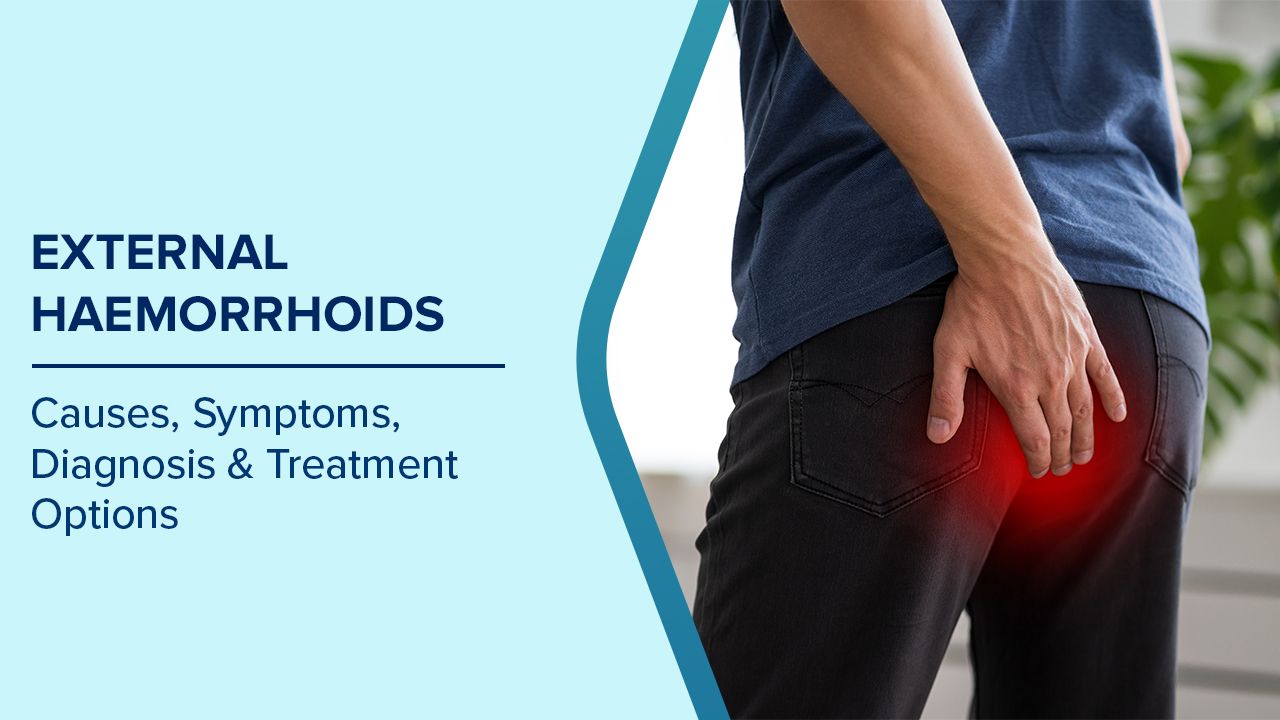
Call Us+91 926 888 0303External Haemorrhoids: Causes, Symptoms, Diagnosis & Treatment Options
By Dr. Ashish Vashistha in General Surgery
Jan 27 , 2026

Do you experience discomfort, pain, or itching around the anal area? If so, you may be dealing with a very common problem that many people hesitate to talk about: External Haemorrhoids. These are swollen veins around the anus that often cause itching, tenderness, or even bleeding, making simple activities such as sitting or walking unpleasant. The good news is that external haemorrhoids are usually manageable with proper care and treatment. This blog will clearly explain what causes these, detail the symptoms you need to look out for, and, most importantly, provide straightforward information on how doctors diagnose them along with simple, effective treatments available to finally bring relief. Let’s break it down.
What are External Haemorrhoids?
External haemorrhoids are swollen or enlarged veins that develop beneath the skin surrounding the anus. They occur when pressure builds up in the veins of the lower rectum, causing them to stretch and form small, painful lumps near the anal opening. These veins act much like varicose veins in the legs, under constant strain, they become inflamed and swollen. Unlike internal haemorrhoids, which form inside the rectum and are usually not visible, external haemorrhoids appear on the outer edge of the anus. They can cause discomfort, itching, and irritation, especially during bowel movements or prolonged sitting. In some cases, a blood clot may develop inside the swollen vein, resulting in what’s called a thrombosed haemorrhoid. This can make the area extremely painful and swollen, but typically resolves with proper treatment. Although external haemorrhoids can be uncomfortable, they are a common and treatable condition, often improving with simple lifestyle adjustments, topical treatments, or minor procedures when needed.
What Causes External Haemorrhoids?
External haemorrhoids usually develop when pressure increases in the veins of the lower rectum and anus. This pressure causes the vein walls to stretch, weaken, and swell, leading to the formation of painful lumps under the skin. Several everyday factors can contribute to this condition including:
- Straining During Bowel Movements: One of the most frequent causes of external haemorrhoids is straining during bowel movements. This happens when a person tries to pass hard or dry stools, which puts sudden pressure on the veins around the anus. Over time, this repeated strain weakens the vein walls, causing them to bulge and become inflamed.
- Chronic Constipation or Diarrhoea: Constipation and diarrhoea can both irritate the anal area in different ways. Constipation leads to hard stools and increased effort during bowel movements, while diarrhoea causes repeated wiping and irritation of the surrounding skin. The constant stress on the anal veins in both situations can contribute to the formation of external haemorrhoids.
- Sitting for Long Periods: People who sit for extended hours, whether due to desk jobs, travel, or long toilet use, often put prolonged pressure on the veins around the anus. This pressure reduces blood circulation in the area, causing the veins to swell and become painful over time.
- Pregnancy and Childbirth: Pregnancy is a common time for haemorrhoids to appear. The growing uterus increases pressure on the pelvic veins, and hormonal changes can slow digestion, leading to constipation. During childbirth, the effort of pushing can further strain the veins, resulting in haemorrhoids that may persist even after delivery.
- Obesity: Excess body weight can exert continuous pressure on the veins in the pelvic and rectal areas. This ongoing strain can weaken the vein walls, making them more likely to swell and become inflamed, especially in people who are sedentary or have poor bowel habits.
- Low-Fibre Diet: A diet lacking in fibre makes stools harder and more difficult to pass. Fibre helps retain water in the stool, keeping it soft and reducing the need to strain. People who consume minimal fruits, vegetables, or whole grains are therefore more prone to developing haemorrhoids.
- Heavy Lifting and Physical Strain: Frequent lifting of heavy objects or engaging in activities that involve holding your breath and exerting effort can momentarily increase pressure in the abdomen and rectum. Repeated strain of this kind can weaken the supporting tissues and contribute to the development of haemorrhoids.
- Ageing: As people age, the tissues and muscles supporting the veins in the rectum naturally lose strength and elasticity. This weakening makes it easier for the veins to stretch under pressure, which explains why haemorrhoids are more common among elderly.
What are the Symptoms of External Haemorrhoids?
External haemorrhoids often cause noticeable discomfort, as they develop under the sensitive skin surrounding the anus. The symptoms can vary from mild irritation to significant pain, depending on the size and severity of the swollen veins. Common signs include:
- Pain or discomfort: A constant ache or sharp pain, especially during or after bowel movements.
- Swelling or lump near the anus: A tender bump that may be felt around the anal opening, sometimes bluish in colour.
- Itching or irritation: Persistent itching or burning sensation caused by inflammation or moisture in the affected area.
- Bleeding: Small amounts of bright red blood may appear on toilet paper or in the toilet after passing stool.
- Difficulty sitting: Sitting for long periods may become uncomfortable or painful due to pressure on the swollen veins.
- Thrombosed haemorrhoid: In some cases, a blood clot forms inside the swollen vein, causing a hard, painful lump and more severe swelling.
These symptoms can be mistaken for other anal conditions, so medical evaluation is recommended if pain or bleeding persists.
How are External Haemorrhoids Diagnosed?
Diagnosing external haemorrhoids typically involves a combination of symptom assessment and physical examination. Since these haemorrhoids form under the skin around the anus, they are usually visible and easier to identify than internal haemorrhoids. However, doctors may perform additional tests to confirm the diagnosis and rule out other causes of anal discomfort or bleeding.
Medical History and Symptom Discussion
The diagnosis usually begins with a detailed discussion about symptoms such as pain, itching, swelling, or bleeding. The doctor may also ask about bowel habits, dietary patterns, level of physical activity, and any family history of digestive or rectal conditions. Understanding these factors helps identify potential causes and assess the severity of the problem.
- Physical Examination: A visual inspection of the anal area is the most common and straightforward step in diagnosing external haemorrhoids. Since these haemorrhoids develop beneath the skin around the anus, they often appear as swollen, bluish lumps or tender areas. The doctor gently examines the area to check for swelling, inflammation, or thrombosed haemorrhoids. This examination is usually quick and causes only mild discomfort.
- Digital Rectal Examination (DRE): To ensure there are no internal haemorrhoids or other issues inside the rectum, the doctor may perform a digital rectal examination. During this test, a lubricated, gloved finger is gently inserted into the rectum to assess muscle tone, tenderness, and the presence of any lumps or abnormalities. This helps the doctor distinguish between external and internal haemorrhoids and identify other possible rectal conditions.
- Anoscopy: If symptoms suggest both internal and external haemorrhoids, or if rectal bleeding is present, the doctor may recommend an anoscopy. This test uses a short, lighted tube called an anoscope to view the inside of the anal canal and lower rectum. It helps detect inflammation, internal haemorrhoids, or other structural changes that may not be visible from the outside.
- Proctoscopy or Sigmoidoscopy: In cases where the bleeding pattern or symptoms appear unusual, a more detailed examination may be needed. A proctoscopy or flexible sigmoidoscopy allows the doctor to inspect the rectum and lower colon using a thin, flexible tube with a camera. These tests help rule out conditions such as anal fissures, polyps, or colorectal disease that can mimic haemorrhoid symptoms.
What Treatment Options are Available for External Haemorrhoids?
Treatment for external haemorrhoids typically focuses on reducing discomfort and inflammation, mainly through changes at home. The condition often improves within a week with simple self-care. Procedures are available for severe cases, especially those with clotting.
- Home and Lifestyle Adjustments (First Line of Care): The most essential treatments for external haemorrhoids involve modifying diet and habits to promote easier bowel movements and reduce pressure.
- Dietary Fibre and Hydration: Consuming more fibre-rich foods like fruits, vegetables, and whole grains helps to soften stools. Ensuring adequate water intake is also crucial for maintaining regular bowel function and preventing the straining that often leads to haemorrhoids.
- Warm Water Soaks: Soaking the affected area in plain warm water for 10 to 15 minutes, two or three times a day, can significantly reduce swelling and soothe irritation. These are often referred to as sitz baths.
- Bowel Habit Management: Avoiding prolonged sitting on the toilet and resisting the urge to push or strain during a bowel movement is critical.
- Pain Management: Using common pain relief medications can help temporarily ease general discomfort.
- Over-the-Counter Topical Aids: Several non-prescription products can be applied directly to the area to provide symptom relief.
- Soothing Compounds: Products containing ingredients known for their cooling and shrinking properties can lessen swelling and irritation.
- Anti-Inflammatory Creams: Certain creams can reduce inflammation and itching. Note that products containing powerful ingredients should only be used as directed and for short periods.
- Local Anaesthetic Agents: Ointments designed to numb the area can temporarily relieve pain and soreness.
- Procedures for Clotted Haemorrhoids: If the haemorrhoid is particularly large, persistent, or has developed a painful blood clot, a doctor may suggest a clinical procedure. Note that procedures like rubber band ligation and sclerotherapy are generally reserved for internal haemorrhoids, which are located higher up.
- Clot Removal (Thrombectomy): If a person experiences sudden, severe pain due to a clot forming in the external haemorrhoid, the clot can be removed. This is best done within the first three days (72 hours) of pain onset. The doctor numbs the area and makes a small incision to take out the clot, providing fast relief.
- Surgical Excision (Haemorrhoidectomy): This is a surgical operation to fully remove the external haemorrhoid tissue. It is usually an option only for people with very large or complicated haemorrhoids that have not responded to any other treatment methods.
The majority of external haemorrhoid cases improve significantly with simple changes to diet and lifestyle, along with the use of topical products. It is important to consult a doctor if symptoms persist beyond a week of home care, or if severe pain or significant bleeding occurs.
- Treatments During Pregnancy: Haemorrhoids are very common during pregnancy because of the increased pressure on pelvic veins. The approach to treatment is generally conservative, focusing on safety for both mother and baby.
- Prioritise Lifestyle Changes: The primary and safest treatment involves increasing fibre and fluid intake to prevent constipation, and using warm water soaks to manage symptoms.
- Discuss Topical Aids: Before using any creams or ointments, a pregnant woman should always check with a doctor or midwife. This ensures the chosen product is safe to use during pregnancy.
- Resolution Post-Birth: For most women, the haemorrhoids and their symptoms will resolve spontaneously within a few days or weeks after giving birth.
Consult Today
Although home care resolves many cases, persistent symptoms or severe pain, such as that caused by a blood clot, require professional medical review. If your symptoms do not improve after a week of self-care, or if you experience significant bleeding, it is important to seek expert advice. For professional advice and comprehensive care, you can schedule a consultation with a Gastroenterologist at Max Hospital. They have the knowledge to confirm your diagnosis and offer the most suitable treatment, from simple lifestyle guidance to necessary procedures.
Frequently Asked Questions
Can a person gently push an external haemorrhoid back inside the body?
No, external haemorrhoids form outside the anal opening under the skin and are not meant to be pushed back in. Attempting to do so can cause more pain, irritation, and potential damage to the sensitive tissue. Only internal haemorrhoids sometimes prolapse (come outside) and can often be gently pushed back in.
How many days does it usually take for external haemorrhoids to heal completely?
Most mild external haemorrhoids usually begin to improve and fully heal within four to seven days of starting focused home care, such as increasing fibre and using warm water soaks. A thrombosed (clotted) haemorrhoid may take longer to heal, sometimes several weeks, though the severe pain usually goes away within a week.
Can haemorrhoids ever go away on their own without using creams or medication?
Yes, many external haemorrhoids, especially those that are small and caused by a short period of straining, will often shrink and disappear on their own once the cause (like constipation) is resolved. Lifestyle changes, particularly increasing fibre and fluid intake, are the most effective way to help them resolve without other treatments.
Is it possible to prevent haemorrhoids from coming back once they have been treated?
Yes, prevention is key. The best way to prevent recurrence is by maintaining soft, regular bowel movements. This involves keeping a high-fibre diet, drinking plenty of water, and avoiding long periods of sitting or straining during toilet visits. Regular, moderate exercise also helps.
When should a person see a doctor instead of just trying home remedies?
It is important to see a doctor if:
- Symptoms, such as pain or bleeding, do not improve after one week of diligent home care.
- You experience sudden, severe pain, which could indicate a thrombosed haemorrhoid.
- You see significant or continuous rectal bleeding
- You have any doubts about your symptoms or diagnosis.
What can happen if a person ignores an external haemorrhoid and leaves it untreated?
Ignoring a haemorrhoid can lead to ongoing discomfort, itching, and potential complications. An untreated external haemorrhoid might develop into a painful clot (thrombosis), cause chronic skin irritation, or potentially lead to low-level blood loss over time, though serious complications are rare.
Are there any specific exercises or activities that can help relieve haemorrhoid discomfort?
Moderate exercise is generally helpful as it improves bowel regularity and circulation, which reduces pressure on the veins. Gentle activities like walking or swimming are recommended. It is best to avoid heavy weightlifting or any activity that involves intense straining, as this can increase abdominal pressure and worsen the condition.
Written and Verified by:

Related Blogs

Medical Expert Team
Oct 20 , 2015 | 1 min read
Dr. Vishwas Sharma In General Surgery
Apr 23 , 2015 | 1 min read
Blogs by Doctor

Understanding Anal Fissures: Causes, Symptoms and When to See a Doctor
Dr. Ashish Vashistha In General Surgery
Jul 03 , 2025 | 11 min read
Most read Blogs


Related Blogs
Medical Expert Team
Oct 20 , 2015 | 1 min read
Dr. Vishwas Sharma In General Surgery
Apr 23 , 2015 | 1 min read
Blogs by Doctor
Understanding Anal Fissures: Causes, Symptoms and When to See a Doctor
Dr. Ashish Vashistha In General Surgery
Jul 03 , 2025 | 11 min read
Most read Blogs