 WhatsApp Us (24/7)
 +91 926 888 0303 (24/7)


To Book an Appointment
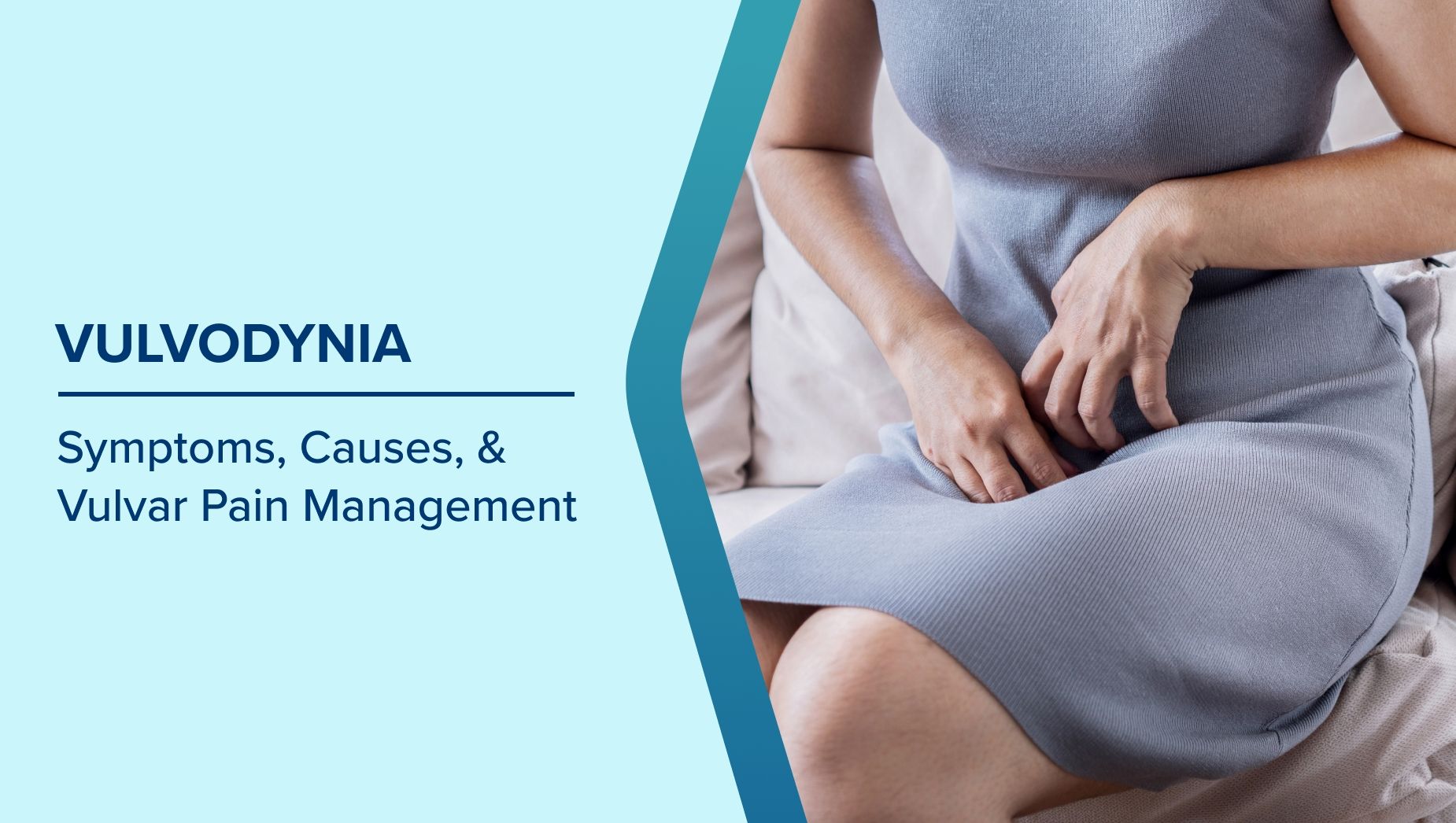
Call Us+91 926 888 0303Vulvodynia: Symptoms, Causes, & Chronic Vulvar Pain Management
By Dr. Bithika Bhattacharya in Obstetrics And Gynaecology , Gynaecologic Laparoscopy
Aug 27 , 2025 | 4 min read

Vulvodynia is a term used to describe ongoing pain around the vulva, the external part of the female genitals, without a clear medical cause. This chronic vulvar pain affects countless women, yet it often remains invisible in day-to-day conversations. The journey toward understanding and managing vulvodynia can feel isolating, but reliable information, compassionate care, and practical strategies can help restore comfort and confidence in women’s intimate health.
What is Vulvodynia?
Vulvodynia refers to pain or burning in the vulva that lasts for at least three months. This pain is often described as stinging, rawness, or throbbing. Many women report feeling soreness during activities like sitting, walking, or during intimacy. Because symptoms and triggers can vary widely, vulvodynia is an umbrella term used by doctors to describe chronic vulvar discomfort when tests show no infection or skin condition.
Common Symptoms of Chronic Vulvar Pain
Pain patterns may differ, but many women with vulvodynia experience:
- Persistent burning, stinging, or rawness in the vulva
- Sharp pain during or after sex or pelvic exams
- Irritation triggered by tight clothing, cycling, or prolonged sitting
- Tenderness in the genital area
- Increased sensitivity around the vestibule (opening of the vagina)
These symptoms can significantly affect your quality of life. Recognising them is the first step toward seeking support and treatment.
Possible Causes of Vulvar Discomfort
While the exact cause of vulvodynia often remains unclear, there are several potential contributing factors:
- Nerve Sensitivity: Sometimes, nerve endings in the vulvar tissue may become overly sensitive, reacting to normal stimuli as if they were harmful.
- Hormonal Changes: Fluctuations linked to pregnancy, breastfeeding, or menopause may reduce natural lubrication and cause tissue changes.
- Muscle Tension: Stress or chronic pain can cause the pelvic floor muscles to tighten, leading to increased pain around the vulva.
- Inflammation or Skin Response: Low-grade inflammation or a heightened response to mild irritants may play a role, even when laboratory tests show no signs of infection.
- Genetic or Personal Risk: Some women develop vulvodynia after childbirth, yeast infections, or repeated antibiotic use, though underlying susceptibility varies.
Most likely, vulvodynia results from a combination of these factors rather than a single cause.
Diagnosing Vulvodynia
Diagnosing chronic vulvar pain starts with a compassionate healthcare provider listening to your story. The process may include:
- A detailed history of symptoms and triggers
- A physical exam of the external genital area
- Basic tests to rule out infections or dermatologic disorders
- Pelvic floor muscle evaluation
It is essential to find a provider experienced in pelvic pain or women’s intimate health. A clear diagnosis of vulvodynia validates your experience and opens the door to treatment.
Approaches to Managing Vulvodynia
While no single treatment exists that fits all, combining several strategies can help manage symptoms effectively.
Gentle Vaginal Care
- Use non-irritating cleansers
- Wear cotton underwear
- Avoid douches, scented products, or harsh laundry detergents
Pelvic Floor Therapy
A trained pelvic floor physical therapist can guide you through gentle exercises to release tension in pelvic muscles. Techniques such as biofeedback and trigger point release may offer significant pain relief.
Pain Relief Options
- Topical creams, such as lidocaine, help numb painful areas
- Oral medications like antidepressants or nerve pain medications can reduce pain signals
- Vaginal exercises and dilators may help the tissue adapt to pressure gently
Emotional Support
Chronic pelvic pain can impact mood and mental health. Support groups or therapy can help address emotional effects and reduce isolation.
Mind-Body Techniques
Practices such as mindfulness meditation, gentle yoga, or deep breathing can help reduce muscle tension and improve overall well-being.
Lifestyle Adjustments
- Avoid tight clothing or activities like cycling that aggravate pain
- Take warm baths and use mild barrier creams for comfort
- Make changes at work or home to reduce sitting time and friction
Working with a multidisciplinary team, gynaecologists, therapists, physical therapists, and counsellors can lead to more comprehensive relief.
Living Well With Vulvodynia
Though vulvodynia can be challenging, many women build meaningful strategies that help them live comfortably:
- Keep a symptom diary to identify patterns and avoid personal triggers
- Build a support network with partners, peers, or online communities
- Prioritise self-care and rest during flare-ups
- Educate yourself about pelvic health to become your own advocate
Investing time in personalised strategies, rather than waiting for a cure, can help you feel more in control of your intimate health.
Conclusion
Living with chronic vulvar pain can be frustrating and isolating. Recognising vulvodynia, understanding its possible causes, and accessing a combination of medical treatments and lifestyle changes can help you face it with confidence. If vulvodynia is affecting your comfort, relationships, or quality of life, reach out to a compassionate provider experienced in pelvic pain and women’s intimate health. Small steps toward managing symptoms can lead to meaningful relief and a renewed sense of well-being.
Frequently Asked Questions
Can vulvodynia come and go, or is it always present?
Vulvodynia often fluctuates. Many women experience flare-ups due to factors like stress, hormonal changes, or friction. Between flare-ups, symptoms may lessen or even disappear. Tracking patterns can help identify triggers and guide effective self-care.
Does vulvodynia affect sexual relationships?
Chronic vulvar pain often makes intimacy difficult by causing anxiety around intercourse. Open communication with a partner, using lubrication, trying gentler positions, and pacing sexual activity can improve comfort and foster emotional connection.
Is vulvodynia linked to mental health issues?
Yes, persistent pain may lead to increased stress, anxiety, or low mood. Emotional support, such as therapy or support groups, can be combined effectively with medical treatment to address both physical and mental well-being.
Are there myths about vulvodynia?
A common myth is that vulvodynia is psychological or imaginary. In reality, it is a legitimate physical condition. Validating the experience through accurate information and medical care strengthens healing and empowers women to advocate for proper treatment.
How can vulvodynia be managed at work or in public?
While medical details need not be shared, managing comfort is possible by taking short breaks to sit differently, wearing breathable clothing, and practising brief relaxation techniques. These adjustments help maintain comfort while attending to daily responsibilities.
Written and Verified by:

Related Blogs

Dr. Manju Khemani In Obstetrics And Gynaecology
Oct 27 , 2020 | 3 min read

Dr. Neera Aggarwal In Obstetrics And Gynaecology , Nutrition And Dietetics
Nov 07 , 2020 | 7 min read
Blogs by Doctor
Premenstrual Syndrome (PMS): Key Symptoms and Management Tips
Dr. Bithika Bhattacharya In Obstetrics And Gynaecology
Aug 04 , 2025 | 11 min read
Most read Blogs

Related Blogs
Dr. Manju Khemani In Obstetrics And Gynaecology
Oct 27 , 2020 | 3 min read
Dr. Neera Aggarwal In Obstetrics And Gynaecology , Nutrition And Dietetics
Nov 07 , 2020 | 7 min read
Blogs by Doctor
Premenstrual Syndrome (PMS): Key Symptoms and Management Tips
Dr. Bithika Bhattacharya In Obstetrics And Gynaecology
Aug 04 , 2025 | 11 min read
Most read Blogs